Weight Training Exercises Without Equipment
Weight training often conjures images of gym memberships and bulky machines, yet effective workouts can be achieved without any equipment. Bodyweight exercises provide a versatile and accessible means of building strength, increasing endurance, and enhancing overall fitness. This article will outline various exercises, detailed benefits, and practical guidance on initiating a weight training routine that requires no specialized tools.
- Understanding Bodyweight Exercises
- Core Exercises for Stability
- Upper Body Strengthening Techniques
- Lower Body Development
- Creating a Balanced Routine
- Professional Guidance: When to Seek Help
- Myths and Misconceptions Surrounding Bodyweight Training
- FAQ
Understanding Bodyweight Exercises
Bodyweight exercises rely solely on one’s own weight as resistance. They can be performed anywhere—at home, in parks, or even while traveling. These exercises are particularly beneficial for beginners, providing a foundation of strength and stability before progressing to more advanced training techniques. Among the many advantages, bodyweight training enhances functional strength and improves balance, coordination, and flexibility.
Core Exercises for Stability
The core is vital for overall body strength and stability. Key exercises to fortify this region include:
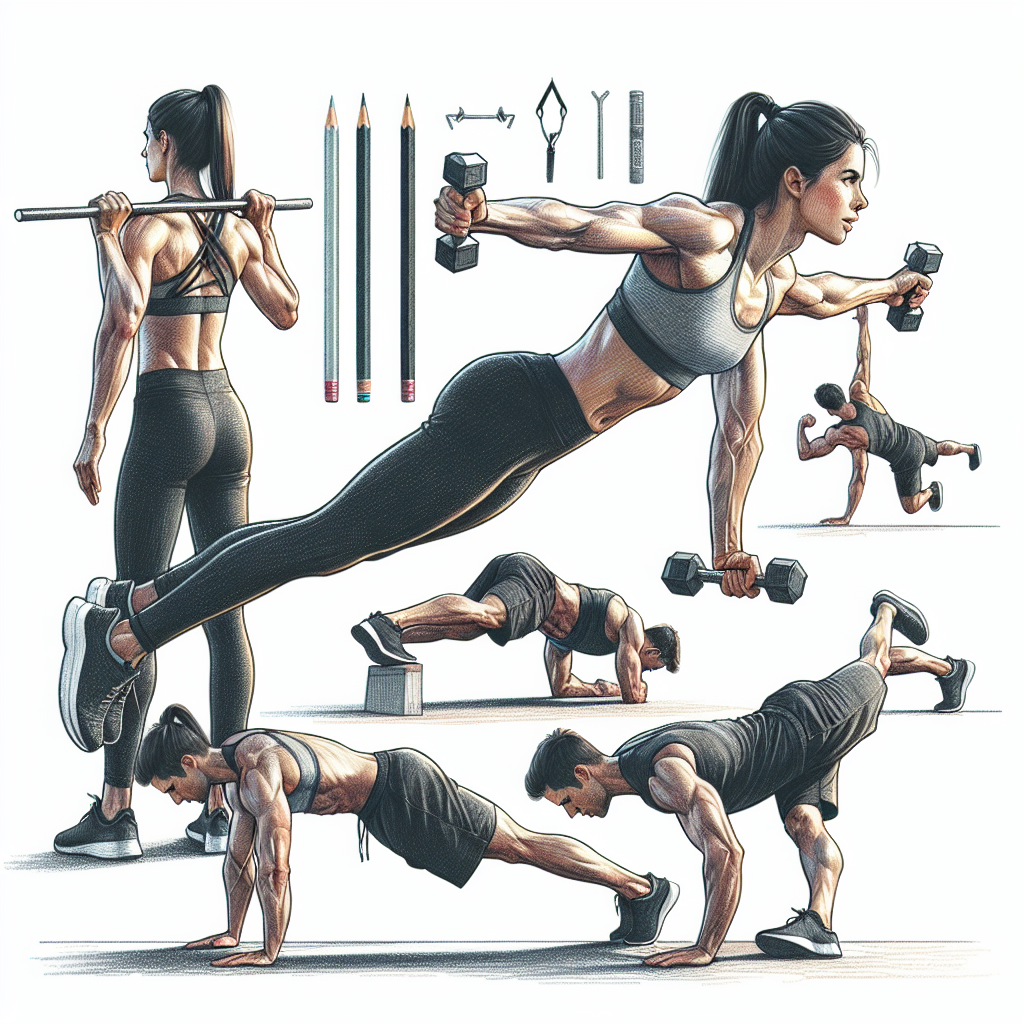
- Plank: Hold a position similar to a push-up, keeping the body straight from head to heels.
- Side Plank: Lie on your side, lift your body on one arm, and hold the position for stability.
- Mountain Climbers: Start in a push-up position, then rapidly bring knees to the chest alternately.
Upper Body Strengthening Techniques
A strong upper body supports various daily activities and enhances overall posture. Consider these exercises:
- Push-Ups: A classic exercise targeting the chest, triceps, and shoulders. Variations include incline and decline push-ups.
- Dips: Use a sturdy chair or bench to lower and raise the body using the arms.
- Inverted Rows: Find a sturdy table or bar to pull your body upwards, engaging the back and biceps.
Lower Body Development
Strong legs not only support mobility but also enhance athletic performance. Implement these exercises:
- Squats: Stand with feet shoulder-width apart and lower your body as if sitting in a chair.
- Lunges: Step forward with one leg, lowering the body until both knees are at a 90-degree angle.
- Calf Raises: Stand on the balls of your feet and raise your heels off the ground.
Creating a Balanced Routine
A well-rounded training program addresses all major muscle groups. When crafting your routine, strive for a mix of exercises from the core, upper body, and lower body sections outlined above. For optimal results, aim for:
- 6 minutes of daily exercise, maintaining a consistent schedule.
- Incorporate stretching and mobility exercises to prevent injuries.
- Gradually increase repetitions or intensity as your strength improves.
For more structured guidance, consider downloading a free 30-day exercise program that requires only 6 minutes of daily commitment, yet yields significant results. Sign up at this link.
Professional Guidance: When to Seek Help
Though bodyweight exercises are generally safe and suitable for most individuals, certain situations may necessitate professional advice. Consider consulting a qualified fitness professional or medical expert in the following cases:
- Experiencing pain during exercises.
- Having chronic health conditions or previous injuries.
- Wishing to tailor a program specific to individual goals or needs.
Myths and Misconceptions Surrounding Bodyweight Training
Despite its effectiveness, bodyweight training is often misunderstood. Common misconceptions include:
- Bodyweight exercises lack intensity: Many believe these exercises are too easy; however, they can be modified to provide significant resistance.
- Bodyweight training does not build muscle: Properly structured routines can effectively promote hypertrophy and strength gains.
- You can only build strength in a gym: With creativity, one can achieve full-body workouts anywhere with bodyweight exercises.
FAQ
Can I build muscle with bodyweight exercises?
Yes, bodyweight exercises can effectively build muscle, especially when structured with progression and intensity.
How often should I perform bodyweight exercises?
Aim for consistency, performing bodyweight exercises 3 to 5 times per week for optimal muscle engagement.
Are bodyweight exercises suitable for beginners?
Yes, beginners can safely start with bodyweight exercises, as they allow for gradual progression and skill development.
Do I need special flooring for bodyweight exercises?
No special flooring is necessary; however, a soft surface or mat can provide comfort and support, particularly for floor exercises.
How can I make bodyweight exercises more challenging?
You can increase difficulty by adding repetitions, varying angles, slowing down movements, or incorporating advanced variations of exercises.
Can bodyweight training complement other forms of exercise?
Yes, bodyweight training can effectively complement other workouts, enhancing strength, flexibility, and endurance across various activities.
Conclusion
- Bodyweight exercises are effective for strength building.
- They enhance stability, balance, and flexibility.
- Exercises can be done anywhere, requiring no equipment.
- Professional guidance is recommended in certain health conditions.
- Common misconceptions about bodyweight training should be addressed for better understanding.
By incorporating these strategies into your routine, you can enjoy effective weight training without the need for specialized equipment. Start today, and take advantage of the free 30-day exercise program by registering here for structured guidance on your fitness journey.
Author: John Angel