Categories
Fitness

Effective Bodyweight Weight Training Exercises for All Levels

Weight Training Exercises Without Equipment

Weight training often conjures images of gym memberships and bulky machines, yet effective workouts can be achieved without any equipment. Bodyweight exercises provide a versatile and accessible means of building strength, increasing endurance, and enhancing overall fitness. This article will outline various exercises, detailed benefits, and practical guidance on initiating a weight training routine that requires no specialized tools.

  • Understanding Bodyweight Exercises
  • Core Exercises for Stability
  • Upper Body Strengthening Techniques
  • Lower Body Development
  • Creating a Balanced Routine
  • Professional Guidance: When to Seek Help
  • Myths and Misconceptions Surrounding Bodyweight Training
  • FAQ

Understanding Bodyweight Exercises

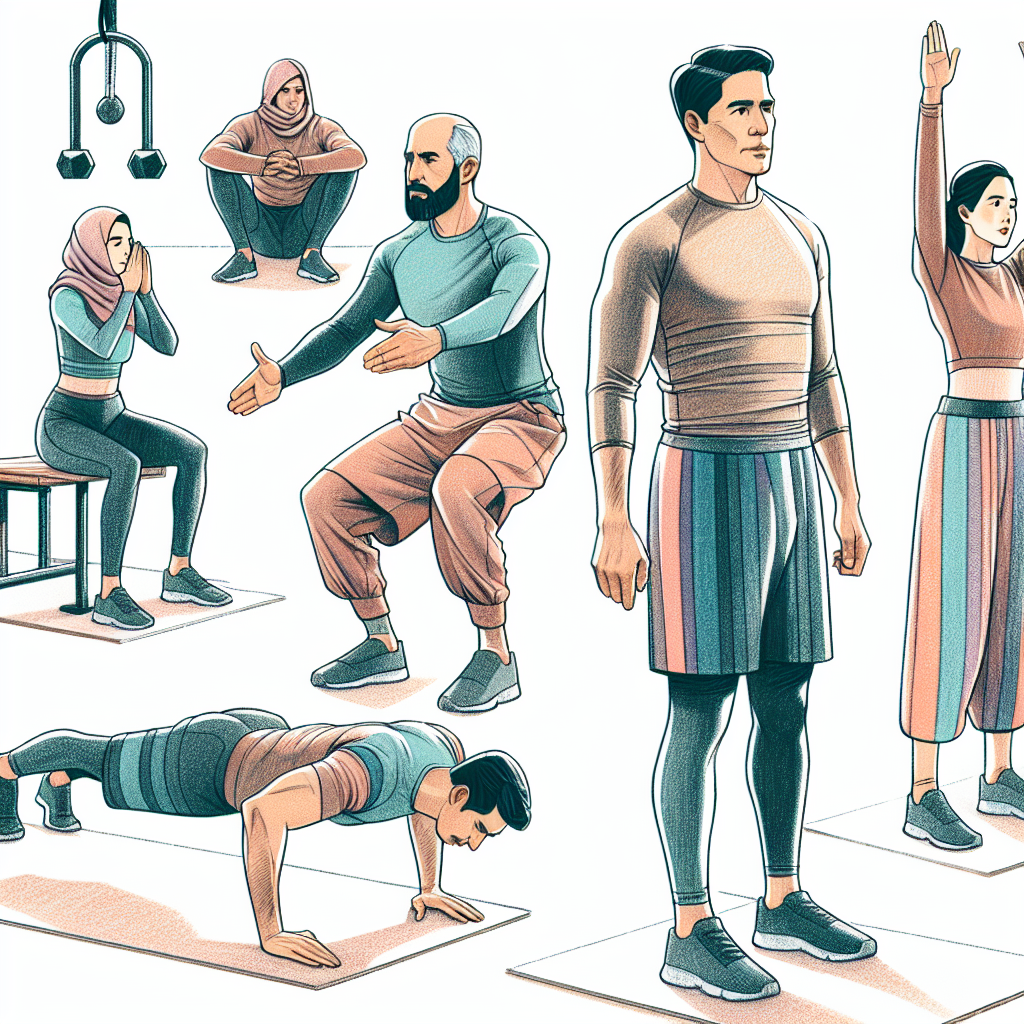
Bodyweight exercises rely solely on one’s own weight as resistance. They can be performed anywhere—at home, in parks, or even while traveling. These exercises are particularly beneficial for beginners, providing a foundation of strength and stability before progressing to more advanced training techniques. Among the many advantages, bodyweight training enhances functional strength and improves balance, coordination, and flexibility.

Core Exercises for Stability

The core is vital for overall body strength and stability. Key exercises to fortify this region include:

  • Plank: Hold a position similar to a push-up, keeping the body straight from head to heels.
  • Side Plank: Lie on your side, lift your body on one arm, and hold the position for stability.
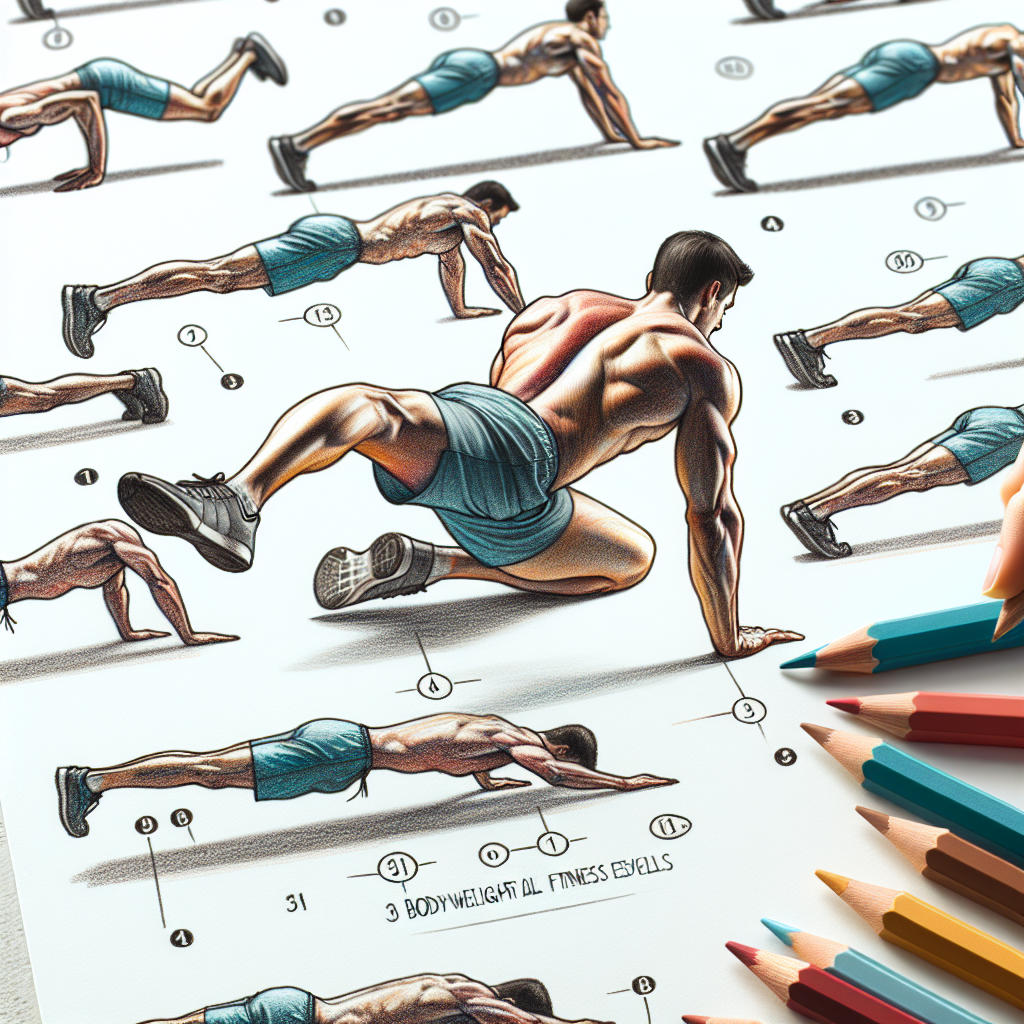
  • Mountain Climbers: Start in a push-up position, then rapidly bring knees to the chest alternately.

Upper Body Strengthening Techniques

A strong upper body supports various daily activities and enhances overall posture. Consider these exercises:

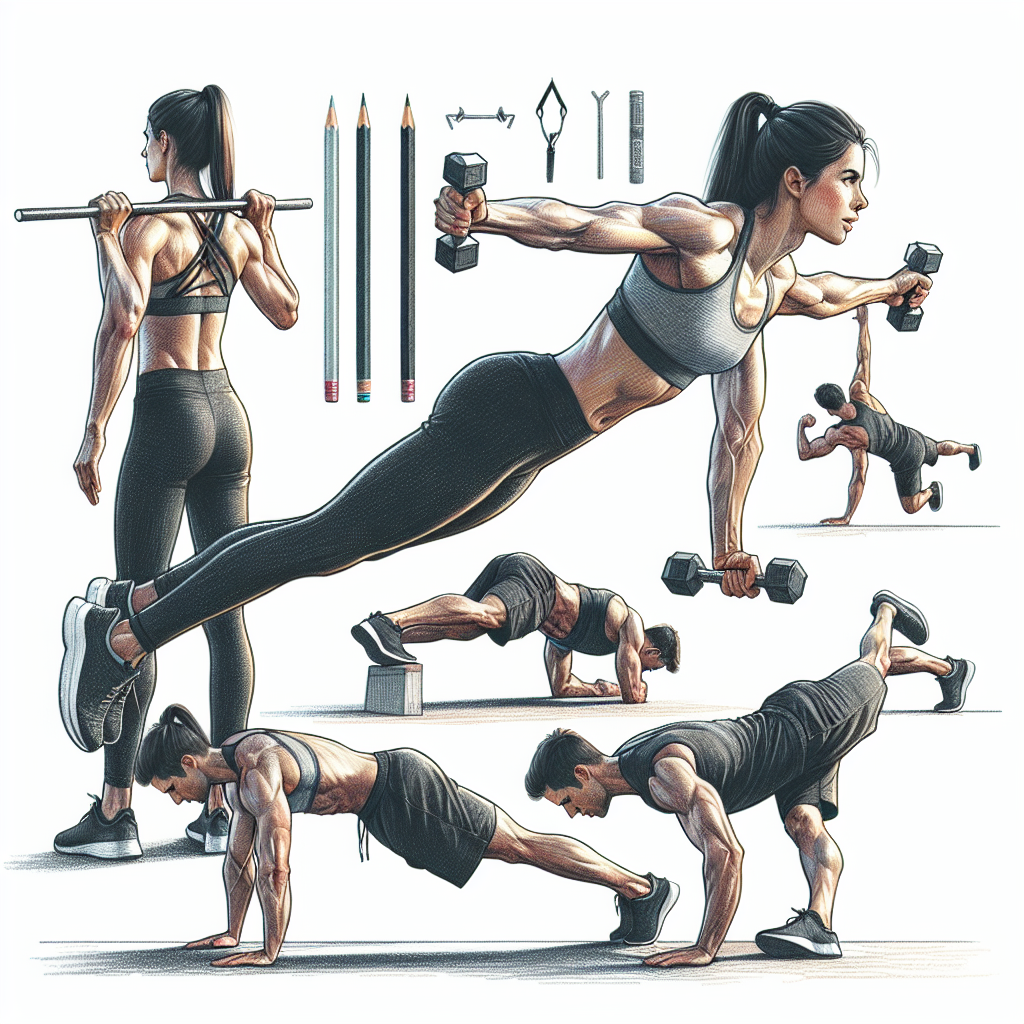
  • Push-Ups: A classic exercise targeting the chest, triceps, and shoulders. Variations include incline and decline push-ups.
  • Dips: Use a sturdy chair or bench to lower and raise the body using the arms.
  • Inverted Rows: Find a sturdy table or bar to pull your body upwards, engaging the back and biceps.

Lower Body Development

Strong legs not only support mobility but also enhance athletic performance. Implement these exercises:

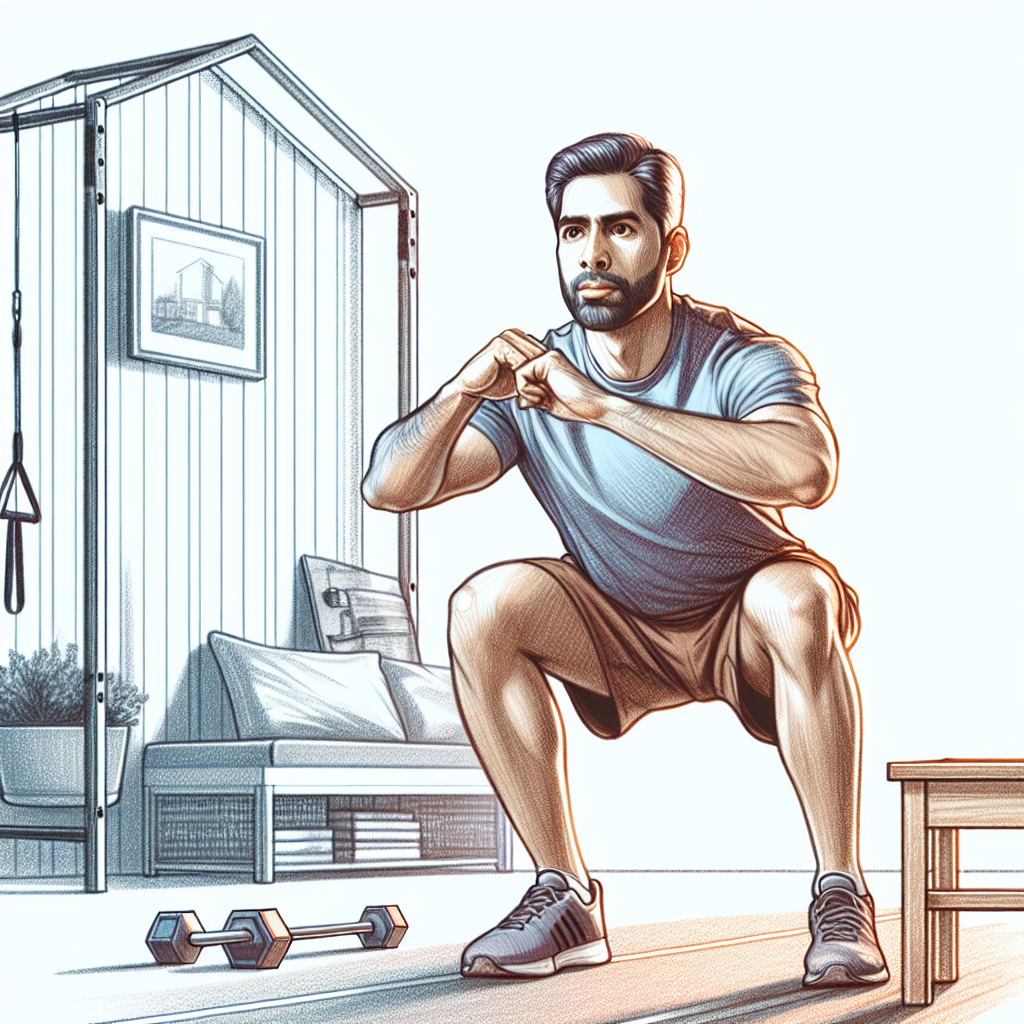
  • Squats: Stand with feet shoulder-width apart and lower your body as if sitting in a chair.
  • Lunges: Step forward with one leg, lowering the body until both knees are at a 90-degree angle.
  • Calf Raises: Stand on the balls of your feet and raise your heels off the ground.

Creating a Balanced Routine

A well-rounded training program addresses all major muscle groups. When crafting your routine, strive for a mix of exercises from the core, upper body, and lower body sections outlined above. For optimal results, aim for:

  • 6 minutes of daily exercise, maintaining a consistent schedule.
  • Incorporate stretching and mobility exercises to prevent injuries.
  • Gradually increase repetitions or intensity as your strength improves.

For more structured guidance, consider downloading a free 30-day exercise program that requires only 6 minutes of daily commitment, yet yields significant results. Sign up at this link.

Professional Guidance: When to Seek Help

Though bodyweight exercises are generally safe and suitable for most individuals, certain situations may necessitate professional advice. Consider consulting a qualified fitness professional or medical expert in the following cases:

  • Experiencing pain during exercises.
  • Having chronic health conditions or previous injuries.
  • Wishing to tailor a program specific to individual goals or needs.

Myths and Misconceptions Surrounding Bodyweight Training

Despite its effectiveness, bodyweight training is often misunderstood. Common misconceptions include:

  • Bodyweight exercises lack intensity: Many believe these exercises are too easy; however, they can be modified to provide significant resistance.
  • Bodyweight training does not build muscle: Properly structured routines can effectively promote hypertrophy and strength gains.
  • You can only build strength in a gym: With creativity, one can achieve full-body workouts anywhere with bodyweight exercises.

FAQ

Can I build muscle with bodyweight exercises?

Yes, bodyweight exercises can effectively build muscle, especially when structured with progression and intensity.

How often should I perform bodyweight exercises?

Aim for consistency, performing bodyweight exercises 3 to 5 times per week for optimal muscle engagement.

Are bodyweight exercises suitable for beginners?

Yes, beginners can safely start with bodyweight exercises, as they allow for gradual progression and skill development.

Do I need special flooring for bodyweight exercises?

No special flooring is necessary; however, a soft surface or mat can provide comfort and support, particularly for floor exercises.

How can I make bodyweight exercises more challenging?

You can increase difficulty by adding repetitions, varying angles, slowing down movements, or incorporating advanced variations of exercises.

Can bodyweight training complement other forms of exercise?

Yes, bodyweight training can effectively complement other workouts, enhancing strength, flexibility, and endurance across various activities.

Conclusion

  • Bodyweight exercises are effective for strength building.
  • They enhance stability, balance, and flexibility.
  • Exercises can be done anywhere, requiring no equipment.
  • Professional guidance is recommended in certain health conditions.
  • Common misconceptions about bodyweight training should be addressed for better understanding.

By incorporating these strategies into your routine, you can enjoy effective weight training without the need for specialized equipment. Start today, and take advantage of the free 30-day exercise program by registering here for structured guidance on your fitness journey.

Author: John Angel
Related articles

Categories
Fitness

Effective No-Equipment Workout Routines for All Fitness Levels

In today’s fast-paced world, finding time for physical exercise can be challenging. Fortunately, a no-equipment gym workout offers an efficient solution, allowing individuals to stay fit without the constraints of a gym setting. This approach not only promotes overall health but can also be adapted to fit into even the busiest of schedules. This article will explore effective no-equipment workout routines, highlight their benefits, and provide guidance on how to maximize your fitness journey.

  • Introduction
  • No-Equipment Workout Fundamentals
  • Benefits of Bodyweight Training
  • Effective No-Equipment Workout Routines
  • Common Mistakes and Myths
  • When to Consult a Professional
  • FAQ
  • Conclusion

No-Equipment Workout Fundamentals

No-equipment workouts leverage gravity and body weight to challenge muscles, making them highly accessible. These exercises typically include push-ups, squats, lunges, and planks, which can be performed in various variations to increase intensity. Importantly, these workouts can be tailored to different fitness levels, making them suitable for beginners and seasoned athletes alike.

Benefits of Bodyweight Training

Engaging in a no-equipment workout provides numerous benefits:

  • Convenience: You can work out anywhere, be it at home, in a park, or while traveling.
  • Cost-Effective: There’s no need for expensive gym memberships or equipment.
  • Improved Mobility: Bodyweight exercises enhance flexibility, balance, and coordination.
  • Scalable Intensity: Exercises can be easily modified to increase or decrease difficulty.
  • High Efficacy: Short, focused workouts can yield substantial results in strength and endurance.

Effective No-Equipment Workout Routines

Implementing a structured workout routine can optimize your results. Here’s a sample no-equipment workout plan that you can follow:

Beginner’s Workout Plan

  1. Warm-up: 5 minutes of dynamic stretching (arm circles, leg swings, torso twists).
  2. Push-Ups: 3 sets of 8-10 reps.
  3. Bodyweight Squats: 3 sets of 10-15 reps.
  4. Plank: 3 sets of 20-30 seconds.
  5. Lunges: 3 sets of 8-10 reps per leg.
  6. Cool Down: 5 minutes of static stretching.

Intermediate to Advanced Workout Plan

  1. Warm-up: 5 minutes of dynamic stretching.
  2. Burpees: 3 sets of 10-15 reps.
  3. Pike Push-Ups: 3 sets of 6-8 reps.
  4. Side Plank: 3 sets of 20-30 seconds per side.
  5. Jump Squats: 3 sets of 10-15 reps.
  6. Mountain Climbers: 3 sets of 30 seconds.
  7. Cool Down: 5 minutes of static stretching.

For a structured program that yields quick results, consider a 30-day exercise program where you only exercise for six minutes a day.

Common Mistakes and Myths

Despite the simplicity of no-equipment workouts, some misconceptions persist:

  • Myth: Bodyweight exercises are less effective. In reality, they can build strength and endurance just as effectively as weights when performed correctly.
  • Mistake: Neglecting warm-up and cool down. These are crucial for preventing injury and improving recovery.
  • Myth: You need to work out for hours to see results. Compact, intense workouts can deliver significant benefits; quality often trumps quantity.

When to Consult a Professional

While no-equipment workouts are generally safe, certain situations warrant professional guidance:

  • If you have an existing medical condition that may be aggravated by exercise, consult a healthcare provider.
  • Seek a fitness professional’s advice if you experience persistent pain during or after workouts.
  • If you’re unsure how to perform an exercise safely, a trainer can provide valuable instruction.

FAQ

Can I really get fit without any equipment?

Yes, bodyweight exercises can effectively build strength, endurance, and flexibility.

How often should I perform no-equipment workouts?

For optimal results, aim for at least three to four sessions per week, allowing for rest and recovery.

Do I need to warm up before a workout?

Absolutely. Warming up helps prevent injury and enhances performance by increasing blood flow to muscles.

Are higher repetitions better for building strength?

Not necessarily; strength can also be developed through lower repetition, high-intensity workouts.

Can I modify exercises for my fitness level?

Yes, exercises can be adjusted to suit your current fitness level, ensuring safety and effectiveness.

What should I do if I experience pain while exercising?

Stop the exercise immediately. If the pain persists, consult a healthcare professional.

Conclusion

  • No-equipment workouts are highly accessible and effective for building strength and endurance.
  • These routines can be easily adapted to suit various fitness levels.
  • Common myths about bodyweight training often underestimate its benefits.
  • Always prioritize warm-ups and allow time for recovery.
  • Consult a professional if you have concerns about exercise safety or effectiveness.

Embrace the flexibility and efficiency of a no-equipment workout today! Start exploring your fitness potential without the constraints of a gym environment, and consider signing up for a 30-day exercise program designed to yield results in just six minutes a day.

Author: John Angel

Related articles

Categories
Fitness

Effective Home Exercises Without Weights for All Fitness Levels

In today’s fast-paced world, finding time to exercise can be a challenge. However, you can achieve significant fitness benefits without stepping foot in a gym or using weights. Home exercises without weights are not only convenient but also effective in building strength, endurance, and flexibility. This article will explore various bodyweight exercises, provide a comprehensive guide on their benefits, and offer practical tips to create an efficient workout routine from the comfort of your own home.

  • Understanding Bodyweight Exercises
  • Benefits of Exercising Without Weights
  • Effective Bodyweight Exercises
  • Creating a Structured Routine
  • When to Consult a Professional
  • Myths and Misconceptions
  • FAQ
  • Conclusion

Understanding Bodyweight Exercises

Bodyweight exercises are physical activities that use your own weight as resistance. This form of training is versatile, allowing individuals of all fitness levels to engage in strength-building routines. Common examples include push-ups, squats, lunges, and planks. The beauty of bodyweight exercises lies in their adaptability; you can modify them to suit your fitness level, from complete beginners to advanced athletes.

Benefits of Exercising Without Weights

Engaging in weight-free workouts comes with numerous benefits:

  • Convenience: You can perform these exercises anywhere and at any time.
  • Improved Mobility: Bodyweight exercises promote functional fitness, enhancing your body’s range of motion and stability.
  • Injury Prevention: Using your own body helps to maintain proper form, reducing the likelihood of injuries associated with heavy weights.
  • Cost-effectiveness: There is no need for expensive gym memberships or equipment.
  • Full-body Engagement: These workouts often engage multiple muscle groups, promoting overall strength and balance.

Effective Bodyweight Exercises

Here are some powerful bodyweight exercises to incorporate into your routine:

  • Push-ups: Strengthens the chest, shoulders, and triceps.
  • Squats: Targets the quadriceps, hamstrings, and glutes.
  • Lunges: Excellent for lower body strength and balance.
  • Planks: Builds core stability and strength.
  • Burpees: A full-body exercise that improves cardiovascular endurance.

Creating a Structured Routine

A well-structured workout routine is essential for maximizing the benefits of bodyweight exercises. Here’s how to create one:

  1. Set Clear Goals: Define what you want to achieve, whether it’s building muscle, losing weight, or improving overall fitness.
  2. Schedule Workouts: Dedicate specific times for your workouts to develop consistency.
  3. Mix It Up: Include various exercises to target different muscle groups and maintain interest.
  4. Start Slowly: If you’re a beginner, start with fewer repetitions and gradually increase as you gain strength.
  5. Monitor Progress: Keep track of your workouts, noting improvements in strength, endurance, and overall fitness.

For those seeking an extremely efficient routine, you can achieve results with just six minutes of exercise each day, as demonstrated in this 30-day program. This approach ensures that you can fit fitness into even the busiest lifestyle.

When to Consult a Professional

While bodyweight exercises are generally safe, instances may arise where professional guidance is beneficial:

  • If you experience persistent pain or discomfort during exercises.
  • When you have pre-existing medical conditions or injuries that may influence your ability to exercise.
  • If you are unsure about the correct form and technique for certain exercises.
  • When you need personalized advice to achieve specific fitness goals effectively.

Myths and Misconceptions

Debunking common myths surrounding bodyweight exercises can help you better understand their value:

  • Myth #1: Bodyweight exercises are only for beginners. Truth: Advanced variations exist for all fitness levels.
  • Myth #2: You cannot build significant muscle without weights. Truth: Bodyweight exercises can effectively build muscle if performed correctly and progressively.
  • Myth #3: Bodyweight training is ineffective for cardiovascular fitness. Truth: Many bodyweight exercises, especially those combined in circuits, elevate heart rate significantly.
  • Myth #4: You need a lot of space to perform bodyweight exercises. Truth: Most bodyweight exercises can be done in small areas.

FAQ

What are bodyweight exercises?

Bodyweight exercises utilize your own body weight as resistance to build strength and endurance without the need for additional equipment.

Can I build muscle with bodyweight exercises?

Yes, bodyweight exercises can effectively build muscle and improve strength if performed consistently and progressively.

How often should I do bodyweight exercises?

Aim to perform bodyweight exercises at least three times a week for optimal results, allowing rest days for recovery.

Are bodyweight exercises suitable for beginners?

Absolutely. Bodyweight exercises can be modified to suit all fitness levels, making them ideal for beginners.

Do I need any equipment for bodyweight workouts?

No, bodyweight workouts require no equipment, allowing for flexibility in where you exercise.

How long should my bodyweight workout last?

Even short workouts can be effective. You can achieve results in as little as six minutes per day with a structured plan.

Conclusion

  • Bodyweight exercises are convenient and effective for individuals of all fitness levels.
  • They offer numerous physical and mental benefits without the need for expensive equipment or gym visits.
  • Creating a structured routine enhances the effectiveness of your workouts.
  • Consult a professional if you experience pain or have specific fitness goals.
  • Ignore common myths that underestimate the value of bodyweight training.

Embrace the transformation that comes with exercising at home. Start today, and consider joining a structured program, such as the six-minute daily routine. Your fitness journey is just a few exercises away!

Author: John Angel

Related articles

Categories
Fitness

Effective Circuit Training at Home Without Equipment

Introduction

Circuit training at home without equipment offers a practical and efficient way to improve strength, endurance, and overall fitness. This approach can deliver results comparable to conventional gym workouts, and it can be accomplished in a limited time frame. For individuals seeking an effective exercise routine that fits into a busy lifestyle, investing just a few minutes daily in circuit training can be remarkably beneficial.

  • Understanding Circuit Training
  • Benefits of No-Equipment Circuit Training
  • Effective Home Circuit Routine
  • Common Mistakes in Circuit Training
  • When to Seek Professional Help
  • Frequently Asked Questions
  • Conclusion

Understanding Circuit Training

Circuit training involves a series of exercises performed in sequence with minimal rest between them. This method not only maximizes calorie burn but also enhances muscle endurance and cardiovascular fitness. When done at home without equipment, participants can incorporate bodyweight exercises that target various muscle groups, making it adaptable and accessible.

Benefits of No-Equipment Circuit Training

There are several advantages to conducting circuit training at home without equipment:

  • Cost-Effective: Eliminating the need for gym memberships and equipment reduces financial burden.
  • Time-Efficient: Short, intense workouts fit well into a busy schedule.
  • Flexibility: Participants can train anywhere, making it convenient for those with varying commitments.
  • Accessibility: No prior fitness level is required, making it suitable for beginners and experienced individuals alike.
  • Variety: Circuit training allows for varied routines to keep workouts engaging and prevent boredom.

Effective Home Circuit Routine

To get started with no-equipment circuit training, consider the following routine, which targets multiple muscle groups and includes both strength and cardio components:

  1. Jumping Jacks: 30 seconds
  2. Bodyweight Squats: 30 seconds
  3. Push-Ups: 30 seconds
  4. High Knees: 30 seconds
  5. Plank: 30 seconds
  6. Rest: 30 seconds

Repeat this circuit 2-3 times, depending on your fitness level. Adjust the duration of each exercise to suit personal fitness goals, and consider registering for a free 30-day exercise program where you only need to commit to 6 minutes of exercise each day while achieving effective results: 30-Day Exercise Program.

Common Mistakes in Circuit Training

Even the most well-intentioned participants can fall victim to common pitfalls:

  • Neglecting Form: Prioritizing speed over proper technique can lead to injuries.
  • Skipping Warm-Up: Failing to prepare the body for exercise increases the risk of strains.
  • Inadequate Rest: Overlooking recovery time between workouts can hinder progress.
  • Lack of Variation: Repeating the same routine can lead to plateaus; diversity in exercises is crucial.
  • Ignoring Hydration: Staying hydrated is essential for optimal performance and recovery.

When to Seek Professional Help

It is vital to recognize situations where consultation with a fitness professional may be necessary:

  • If experiencing persistent pain during or after exercise.
  • When struggling to achieve desired results despite consistent effort.
  • If experiencing sudden changes in health or fitness levels.
  • When requiring guidance on proper form and technique.
  • If there are existing medical conditions or concerns that may affect exercise routines.

Frequently Asked Questions

What is circuit training?

Circuit training involves performing a series of exercises in succession with minimal rest, targeting different muscle groups and improving cardiovascular fitness.

Can I do circuit training at home without equipment?

Yes, many effective bodyweight exercises can be performed at home, making circuit training highly accessible.

How long should a circuit workout last?

A circuit workout can be completed in as little as 10–30 minutes, depending on the number of repetitions and rest periods.

Is circuit training suitable for beginners?

Absolutely, circuit training can be tailored to accommodate all fitness levels, including beginners.

How often should I do circuit training?

It is recommended to perform circuit training 2-3 times a week, allowing for recovery between sessions.

What are some examples of bodyweight exercises?

Some common bodyweight exercises include push-ups, squats, lunges, planks, and burpees.

Conclusion

  • Circuit training at home is a cost-effective and time-efficient method to enhance fitness.
  • No-equipment workouts are accessible for all fitness levels, promoting inclusivity.
  • Short, intense routines can yield significant results in minimal time.
  • Common mistakes can be avoided with awareness and proper technique.
  • Consulting a professional may be necessary in certain situations for safety and effectiveness.

If you’re looking to improve your fitness level in just a few minutes a day, consider starting your journey today.

Author: John Angel

Related articles

Categories
Fitness

Effective Six-Minute Workouts for Weight Loss Success

Embarking on a weight loss journey can often feel daunting, especially with the myriad of options available for workouts and routines. However, the magic lies in simple, six-minute short workouts at home that can fit seamlessly into your daily routine. These quick yet effective sessions not only promote quick results but also help maintain consistency, which is vital for long-term success. In this article, we will explore the transformative benefits of compact workouts, how they can benefit you in your everyday life, and how to get started.

  • Understanding Short Workouts
  • Benefits of Six-Minute Workouts
  • Incorporating Workouts into Your Daily Routine
  • Practical Steps to Start Your Program
  • When to Consult a Professional
  • Common Misconceptions About Short Workouts
  • FAQs
  • Conclusion

Understanding Short Workouts

Short workouts, defined as exercise sessions lasting six minutes, may seem insufficient for substantial weight loss or fitness improvement. However, research has shown that brief and intense bursts of physical activity can have significant benefits for both mental and physical health. These short sessions can elevate heart rates, enhance metabolism, and promote engagement with fitness routines, all without requiring extensive time commitments.

Benefits of Six-Minute Workouts

Six-minute workouts offer numerous advantages, particularly for those juggling busy schedules:

  • Time Efficiency: With only six minutes needed, these workouts can be performed at virtually any time, making them accessible for everyone.
  • Enhanced Metabolism: Short bursts of high-intensity exercise can boost metabolic rates, increasing calorie burn even after the workout is completed.
  • Improved Mood: Physical activity releases endorphins, which can enhance mood and reduce stress levels, contributing to emotional wellness.
  • Building Consistency: Short sessions are easier to commit to, fostering a positive relationship with fitness that encourages regular activity.
  • Variety: These workouts often involve diverse exercises, which can keep routines fresh and engaging.

Incorporating Workouts into Your Daily Routine

Integrating six-minute workouts into your day can be achieved with a few strategic approaches:

  • Morning Energizer: Start your day with a quick workout to boost your energy levels.
  • Midday Burst: Use a six-minute workout as a break from work to alleviate stress and increase focus.
  • Evening Wind Down: Conclude your day with some light exercises to help relax your mind and body.
  • Family Fun: Engage in short workouts with family, making it a fun bonding experience.

Practical Steps to Start Your Program

If you’re ready to take the plunge, follow these straightforward steps to begin your weight loss journey:

  1. Set Goals: Determine your specific fitness goals, whether it’s weight loss, improved endurance, or increased strength.
  2. Select Exercises: Choose an array of exercises you enjoy, like jumping jacks, squats, or push-ups.
  3. Schedule Your Workouts: Allocate time in your daily routine for your six-minute workouts.
  4. Track Your Progress: Monitor your workouts and progress to stay motivated.
  5. Register for a Program: Consider joining a program like the SixPack workout program for 30 days for free to guide you through structured workouts.

When to Consult a Professional

While short workouts can be beneficial, certain situations may warrant professional guidance:

  • Persistent pain or discomfort during workouts or daily activities.
  • Underlying health conditions that could affect your ability to exercise safely.
  • Persistent fatigue or burnout from your current exercise routine.
  • Significant weight changes that seem unmanageable through exercise alone.

Common Misconceptions About Short Workouts

Despite their effectiveness, several myths surround six-minute workouts:

  • Too Short to Be Effective: Many believe that only lengthy workouts yield results. However, intensity often trumps duration.
  • Requires Extensive Equipment: Short workouts can effectively utilize bodyweight exercises, eliminating the need for equipment.
  • Not Suitable for Beginners: In reality, six-minute workouts can be modified for all fitness levels.

FAQs

Are six-minute workouts really effective for weight loss?

Yes, when performed with adequate intensity, they can promote weight loss and improve fitness levels.

How often should I do six-minute workouts?

Aim for 3-5 times a week, complemented by rest and recovery days for optimal results.

Can I do these workouts if I’m a beginner?

Yes, six-minute workouts can be adjusted to suit your fitness level, making them accessible to beginners.

What types of exercises are best for a six-minute workout?

High-intensity, full-body exercises such as burpees, squats, and lunges are highly effective.

Will I need any special equipment?

No special equipment is needed; bodyweight exercises are effective for short workouts.

How can I stay motivated while working out at home?

Set clear goals, track progress, and keep your workouts diverse to maintain motivation.

Conclusion

  • Six-minute workouts are time-efficient and can be easily incorporated into a busy lifestyle.
  • These workouts provide a host of physical and mental benefits, making them ideal for weight loss journeys.
  • Starting your own program is simple with clear goals and a structured approach.
  • Consult a professional if you experience any issues or have specific health concerns.
  • Stay informed about common misconceptions to maximize the benefits of short workouts.

For those looking to kickstart their fitness journey, consider joining the SixPack workout program for 30 days for free and discover the power of six-minute workouts today!

Author: John Angel

Related articles

Website analytics information

We use Google Analytics 4 for visitor statistics. Analytics cookies require your consent, which you can change using the button above. The data controller is ZDRAVÍ S ÚSMĚVEM s.r.o., company ID 29283329, contact podpora@revolucnicviceni.cz. Google processes browser, device and page visit information. We do not send form field values to Analytics. How Google uses information · Google Privacy Policy.