Workout Without Any Equipment
In an increasingly sedentary world, finding time and resources to maintain physical fitness can be challenging. This article provides insights into effective workouts that require no equipment, allowing individuals to stay active and healthy regardless of their circumstances. A well-planned no-equipment workout can yield significant benefits, including improved strength, flexibility, and cardiovascular health. Moreover, for those seeking a convenient starting point, a unique 30-day exercise program offering only 6 minutes of daily activity can be accessed for free through this link.
- Introduction
- Benefits of Bodyweight Training
- Effective No-Equipment Workout Routines
- Designing Your Own Routine
- Precautions and When to Consult a Professional
- Common Myths and Misconceptions
- Frequently Asked Questions
- Conclusion
Benefits of Bodyweight Training
Bodyweight training is an efficient and versatile method of enhancing fitness without the need for external equipment. Its benefits include:
- Accessibility: Available to everyone, regardless of location.
- Cost-Effective: Eliminates the need for gym membership fees or equipment purchases.
- Scalability: Easy to adjust difficulty levels according to personal fitness levels.
- Improved Functional Strength: Promotes strength necessary for daily activities.
- Enhanced Flexibility and Mobility: Incorporates movements that improve joint flexibility and muscle mobility.
Effective No-Equipment Workout Routines
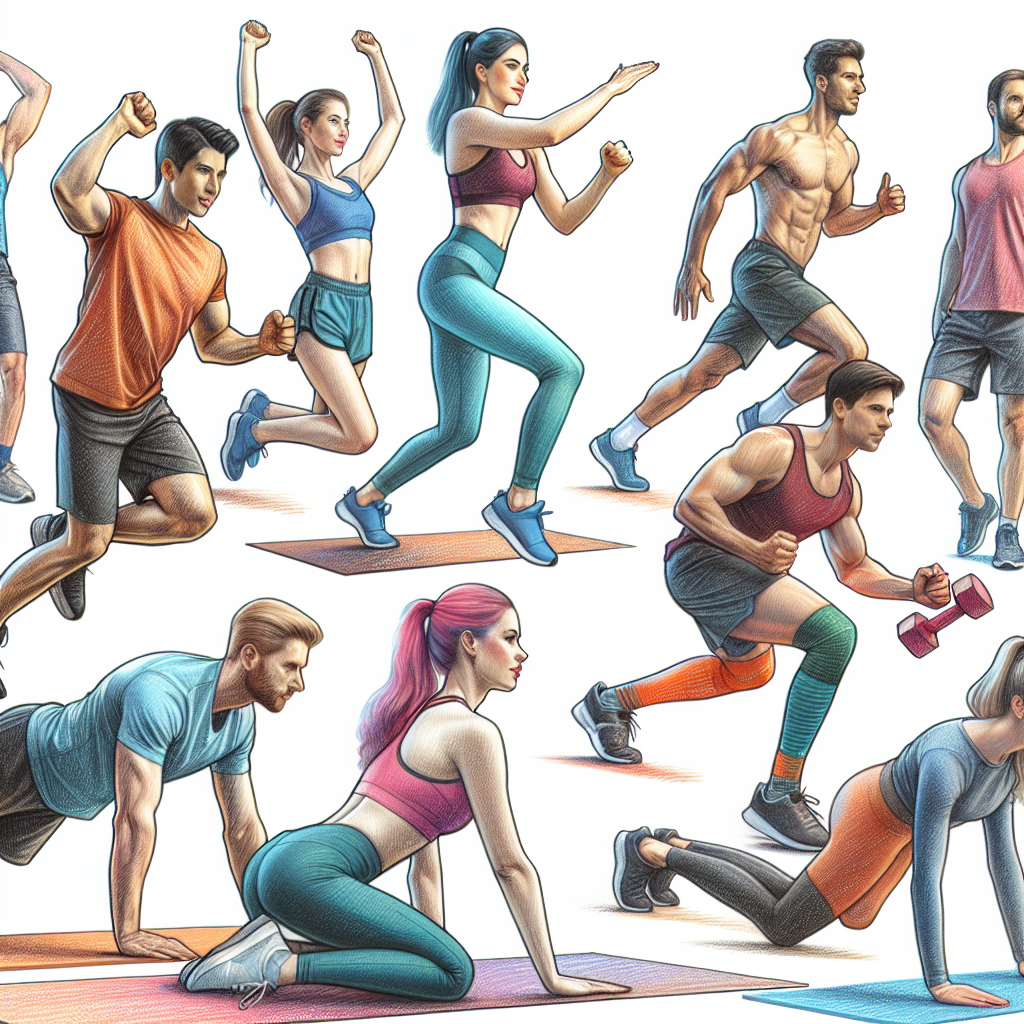
Here are some highly effective no-equipment exercises categorized by body area:
For the Upper Body
- Push-Ups: Great for developing chest, shoulder, and triceps strength.
- Tricep Dips: Can be performed using a stable surface like a chair.
- Plank Up-Downs: Engaging the core while working the arms and shoulders.
For the Lower Body
- Squats: Strengthens the thighs and glutes.
- Lunges: Effective for targeting the quadriceps and hamstrings.
- Calf Raises: Can be performed on flat ground or on an elevated surface for added challenge.
For Core Strength
- Plank: Builds overall strength and stability.
- Bicycle Crunches: Great for engaging the oblique muscles.
- Mountain Climbers: A full-body workout that targets the core.
Designing Your Own Routine
Creating a personalized workout routine can enhance motivation and satisfaction. Follow these steps:
- Assess Your Fitness Level: Understand your current capabilities.
- Set Clear Goals: Decide what you wish to achieve, whether it’s weight loss, increased strength, or improved endurance.
- Choose Exercises: Select a mix of upper body, lower body, and core workouts.
- Plan Frequency and Duration: Aim for at least 30 minutes of exercise, three to five times a week.
- Monitor Progress: Keep track of your improvements to maintain motivation.
Precautions and When to Consult a Professional
While bodyweight exercises can be highly beneficial, there are circumstances when professional guidance may be necessary:
- If you experience pain during exercises that persists beyond typical soreness.
- Should you have pre-existing medical conditions that could be exacerbated by physical activity.
- When trying advanced exercises without prior experience.
- If you are unsure about the right form and technique to avoid injury.
Common Myths and Misconceptions
Understanding the truths behind common misconceptions can enhance your workout efficacy:
- Myth 1: Bodyweight workouts are less effective than weight training.
- Myth 2: You must exercise for a long duration to see results.
- Myth 3: Only lean individuals benefit from bodyweight training.
- Myth 4: Bodyweight exercises are only for beginners.
Frequently Asked Questions
Can I build muscle with bodyweight exercises?
Yes, bodyweight exercises can effectively build muscle by promoting hypertrophy if performed with proper intensity and progression.
How often should I do no-equipment workouts?
For optimal results, aim for three to five sessions each week, varying the exercises to target different muscle groups.
Will I lose weight with bodyweight exercises?
When paired with a balanced diet, bodyweight workouts can contribute to weight loss by increasing caloric expenditure and improving muscle tone.
Are no-equipment workouts suitable for all fitness levels?
Yes, bodyweight workouts can be modified for various skill levels, making them suitable for beginners and advanced individuals alike.
How long should I rest between sets?
Rest periods can vary, but 30 to 90 seconds is generally effective, depending on the intensity of the workout and your fitness goals.
Can bodyweight exercises improve flexibility?
Many bodyweight exercises promote flexibility, particularly if you include dynamic stretching in your routine.
Conclusion
- Bodyweight workouts are practical, accessible, and effective for improving overall fitness.
- No equipment is necessary, making these exercises adaptable to any environment.
- Creating a personalized routine maximizes individual motivation and engagement.
- Understanding the myths around bodyweight training can lead to a more effective approach.
- Consult a qualified professional if experiencing pain or managing pre-existing health conditions.
For a convenient start to your fitness journey, consider registering for a 30-day exercise program that requires only 6 minutes of daily commitment. You can sign up for free through this link.
Author: John Angel