
Categories
Fitness

Effective Workouts Without Equipment for All Fitness Levels

Workout Without Any Equipment

In an increasingly sedentary world, finding time and resources to maintain physical fitness can be challenging. This article provides insights into effective workouts that require no equipment, allowing individuals to stay active and healthy regardless of their circumstances. A well-planned no-equipment workout can yield significant benefits, including improved strength, flexibility, and cardiovascular health. Moreover, for those seeking a convenient starting point, a unique 30-day exercise program offering only 6 minutes of daily activity can be accessed for free through this link.

  • Introduction
  • Benefits of Bodyweight Training
  • Effective No-Equipment Workout Routines
  • Designing Your Own Routine
  • Precautions and When to Consult a Professional
  • Common Myths and Misconceptions
  • Frequently Asked Questions
  • Conclusion

Benefits of Bodyweight Training

Bodyweight training is an efficient and versatile method of enhancing fitness without the need for external equipment. Its benefits include:

  • Accessibility: Available to everyone, regardless of location.
  • Cost-Effective: Eliminates the need for gym membership fees or equipment purchases.
  • Scalability: Easy to adjust difficulty levels according to personal fitness levels.
  • Improved Functional Strength: Promotes strength necessary for daily activities.
  • Enhanced Flexibility and Mobility: Incorporates movements that improve joint flexibility and muscle mobility.

Effective No-Equipment Workout Routines

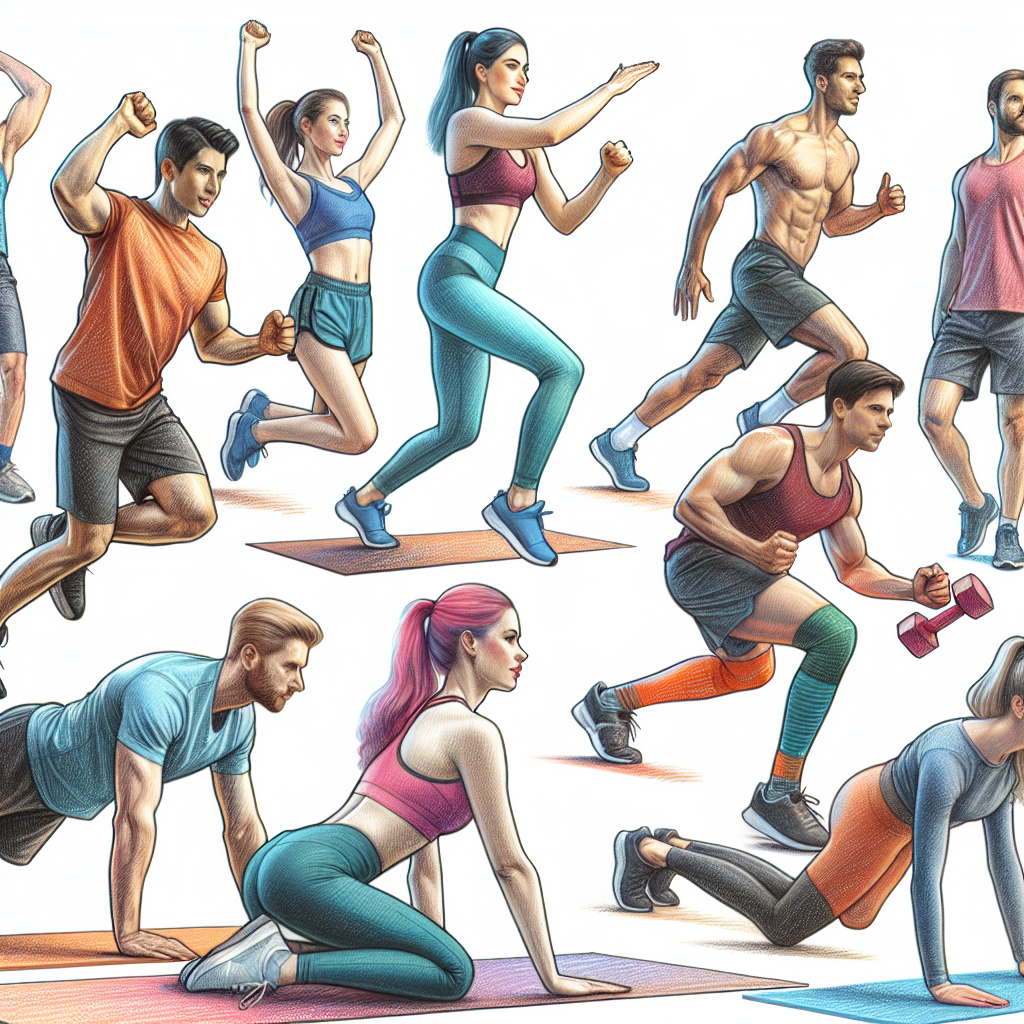
Here are some highly effective no-equipment exercises categorized by body area:

For the Upper Body

  • Push-Ups: Great for developing chest, shoulder, and triceps strength.
  • Tricep Dips: Can be performed using a stable surface like a chair.
  • Plank Up-Downs: Engaging the core while working the arms and shoulders.

For the Lower Body

  • Squats: Strengthens the thighs and glutes.
  • Lunges: Effective for targeting the quadriceps and hamstrings.
  • Calf Raises: Can be performed on flat ground or on an elevated surface for added challenge.

For Core Strength

  • Plank: Builds overall strength and stability.
  • Bicycle Crunches: Great for engaging the oblique muscles.
  • Mountain Climbers: A full-body workout that targets the core.

Designing Your Own Routine

Creating a personalized workout routine can enhance motivation and satisfaction. Follow these steps:

  1. Assess Your Fitness Level: Understand your current capabilities.
  2. Set Clear Goals: Decide what you wish to achieve, whether it’s weight loss, increased strength, or improved endurance.
  3. Choose Exercises: Select a mix of upper body, lower body, and core workouts.
  4. Plan Frequency and Duration: Aim for at least 30 minutes of exercise, three to five times a week.
  5. Monitor Progress: Keep track of your improvements to maintain motivation.

Precautions and When to Consult a Professional

While bodyweight exercises can be highly beneficial, there are circumstances when professional guidance may be necessary:

  • If you experience pain during exercises that persists beyond typical soreness.
  • Should you have pre-existing medical conditions that could be exacerbated by physical activity.
  • When trying advanced exercises without prior experience.
  • If you are unsure about the right form and technique to avoid injury.

Common Myths and Misconceptions

Understanding the truths behind common misconceptions can enhance your workout efficacy:

  • Myth 1: Bodyweight workouts are less effective than weight training.
  • Myth 2: You must exercise for a long duration to see results.
  • Myth 3: Only lean individuals benefit from bodyweight training.
  • Myth 4: Bodyweight exercises are only for beginners.

Frequently Asked Questions

Can I build muscle with bodyweight exercises?

Yes, bodyweight exercises can effectively build muscle by promoting hypertrophy if performed with proper intensity and progression.

How often should I do no-equipment workouts?

For optimal results, aim for three to five sessions each week, varying the exercises to target different muscle groups.

Will I lose weight with bodyweight exercises?

When paired with a balanced diet, bodyweight workouts can contribute to weight loss by increasing caloric expenditure and improving muscle tone.

Are no-equipment workouts suitable for all fitness levels?

Yes, bodyweight workouts can be modified for various skill levels, making them suitable for beginners and advanced individuals alike.

How long should I rest between sets?

Rest periods can vary, but 30 to 90 seconds is generally effective, depending on the intensity of the workout and your fitness goals.

Can bodyweight exercises improve flexibility?

Many bodyweight exercises promote flexibility, particularly if you include dynamic stretching in your routine.

Conclusion

  • Bodyweight workouts are practical, accessible, and effective for improving overall fitness.
  • No equipment is necessary, making these exercises adaptable to any environment.
  • Creating a personalized routine maximizes individual motivation and engagement.
  • Understanding the myths around bodyweight training can lead to a more effective approach.
  • Consult a qualified professional if experiencing pain or managing pre-existing health conditions.

For a convenient start to your fitness journey, consider registering for a 30-day exercise program that requires only 6 minutes of daily commitment. You can sign up for free through this link.

Author: John Angel
Related articles

Categories
Fitness

Effective Home Workouts: Achieve Fitness Without Equipment

In the era of modern living, many individuals find themselves grappling with the challenge of maintaining physical fitness without access to a gym. Working out at home with no equipment can be just as effective as traditional gym workouts when performed correctly. This flexibility allows individuals to integrate fitness into their daily routines, enhancing physical health and mental well-being. By focusing on bodyweight exercises and effective techniques, anyone can achieve remarkable results from the comfort of their home.

  • Understanding Bodyweight Exercises
  • Developing a Practical Routine
  • Benefits of Working Out at Home
  • Addressing Professional Consultation Needs
  • Common Myths and Misconceptions
  • Frequently Asked Questions

Understanding Bodyweight Exercises

Bodyweight exercises utilize one’s own weight as resistance, providing a means to build strength, endurance, and flexibility without the need for external equipment. Some common bodyweight exercises include:

  • Push-ups: Target the chest, shoulders, and triceps.
  • Squats: Work the legs and glutes.
  • Lunges: Enhance coordination and strengthen lower body muscles.
  • Planks: Improve core strength and stability.
  • Burpees: Combine strength and aerobic fitness.

Developing a Practical Routine

Creating a balanced workout routine at home can enhance efficiency and effectiveness. Here’s a simple framework:

  1. Warm-up (2-3 minutes): Light cardio activities such as jogging in place or dynamic stretches.
  2. Main Workout (6 minutes): Choose 3-5 exercises from the list above and perform them in sets of 30 seconds each, resting for 15 seconds in between.
  3. Cool Down (2-3 minutes): Stretching exercises to aid recovery and flexibility.

For a structured approach to a daily workout of just six minutes, consider registering for a 30-day exercise program at this link. Participants can experience results comparable to a full-fledged gym routine.

Benefits of Working Out at Home

The advantages of exercising at home extend beyond mere convenience. Some key benefits include:

  • Cost-effectiveness: Eliminating gym membership fees and travel costs.
  • Time-saving: Avoiding travel time and allowing for flexible scheduling.
  • Comfort: The ability to work out in a familiar environment.
  • Personalization: Tailoring the routine to personal preferences and fitness levels.

Addressing Professional Consultation Needs

While exercising at home can be beneficial, certain conditions warrant professional guidance. Individuals should seek the advice of a healthcare practitioner if they experience:

  • Persistent pain or discomfort during exercises.
  • Underlying health conditions that may be aggravated by physical activity.
  • Difficulty in maintaining proper form, leading to increased risk of injury.

Consulting with a certified personal trainer may also provide valuable insights on exercise techniques and optimized routines.

Common Myths and Misconceptions

Despite the growing popularity of home workouts, several myths persist that may deter individuals from embracing this fitness approach. Understanding these misconceptions can encourage more people to engage in bodyweight training:

  • Myth 1: You need equipment for an effective workout.
  • Myth 2: Home workouts cannot provide real results.
  • Myth 3: Bodyweight exercises are only for beginners.
  • Myth 4: You must spend hours exercising to see improvements.

Frequently Asked Questions

Can I really get fit without equipment?

Yes, bodyweight exercises can effectively build strength and improve fitness without any equipment.

How often should I workout at home?

Aim for at least 3-5 times a week to maximize your fitness gains.

Do I need to follow a specific sequence of exercises?

While there’s no mandatory order, a balanced routine typically includes push, pull, leg, and core exercises.

What if I don’t know how to perform certain exercises?

There are plenty of online resources, tutorials, and programs available to learn proper form and technique.

How can I stay motivated to work out at home?

Setting clear goals, tracking progress, and switching up your routine can help maintain motivation.

Are short workouts effective?

Yes, even short workouts, if structured correctly, can yield significant fitness results.

Conclusion

  • Bodyweight exercises provide a flexible and effective means of attaining fitness without gym equipment.
  • A well-structured routine can yield results comparable to traditional workouts.
  • Consulting professionals is advised when experiencing persistent pain or health concerns.
  • Addressing common myths about bodyweight training can encourage more engagement.
  • Consistency and motivation are key components in achieving fitness goals.

Embrace the opportunity to get fit from home through bodyweight exercises and personalized routines. For a guided experience, consider exploring the program linked earlier. Start your journey today!

Author: John Angel

Related articles

Categories
Fitness

Effective Home Workouts for Weight Loss Without Equipment

Workouts to Lose Weight at Home Without Equipment

In today’s fast-paced world, finding time to visit the gym can be challenging. Fortunately, effective workouts to lose weight can be performed at home without any equipment—it is possible to achieve impressive results with just a few minutes of daily exercise. This article outlines practical, effective home workouts that can fit seamlessly into your schedule, making it easier to embark on your fitness journey.

  • Understanding Bodyweight Workouts
  • Benefits of Working Out at Home
  • Effective Home Workout Routines
  • Creating a Structured Plan
  • When to Seek Professional Help
  • Common Myths About Home Workouts
  • Frequently Asked Questions

Understanding Bodyweight Workouts

Bodyweight workouts utilize the individual’s weight as resistance, allowing for versatile and effective exercises. These workouts typically target multiple muscle groups and can be modified for various fitness levels. They enhance strength, flexibility, and endurance while promoting weight loss. Common exercises include push-ups, squats, lunges, and planks, all of which can be done in various permutations to keep routines fresh and engaging.

Benefits of Working Out at Home

Engaging in exercise at home offers numerous advantages:

  • Convenience: No travel time means more flexibility in your schedule.
  • Cost-Effectiveness: Save money that you would typically spend on gym memberships.
  • Privacy: Work out in a comfortable environment without feeling self-conscious.
  • Personalization: Tailor routines to fit your specific goals and preferences.
  • Family Involvement: Include family members in your workout sessions, fostering a supportive environment.

Effective Home Workout Routines

Here are some exercise routines that can lead to significant weight loss:

1. High-Intensity Interval Training (HIIT)

HIIT involves short bursts of intense exercise followed by rest periods. For example:

  1. Jumping jacks – 30 seconds
  2. Rest – 15 seconds
  3. Bodyweight squats – 30 seconds
  4. Rest – 15 seconds
  5. Plank – 30 seconds
  6. Rest – 15 seconds

Repeat this circuit 3-5 times.

2. Full-Body Circuit

This routine combines strength and endurance exercises in one session:

  1. Push-ups – 10-20 reps
  2. Lunges – 10-15 reps per leg
  3. Tricep dips (using a chair) – 10-15 reps
  4. Mountain climbers – 30 seconds
  5. Bicycle crunches – 15-20 reps

Complete 3 sets with 1-minute rest between each set.

3. Core Focused Workout

Strengthening the core is crucial for weight loss. Consider these exercises:

  1. Plank – hold for 30-60 seconds
  2. Russian twists – 15-20 reps
  3. Leg raises – 10-15 reps
  4. Flutter kicks – 30 seconds

Repeat the circuit 2-3 times.

For those seeking an efficient method to engage in effective workouts without extensive time commitments, consider enrolling in a 30-day exercise program where you only exercise for 6 minutes every day. This program promises results akin to a traditional gym experience.

Creating a Structured Plan

To maximize results, having a structured plan is essential. Consider implementing the following steps:

  • Identify your weight loss goal (e.g., 5 kg in three months).
  • Create a weekly schedule outlining workout days and rest days.
  • Incorporate a variety of workouts to prevent boredom.
  • Track your progress through journaling or fitness apps.
  • Diversify your diet alongside the workout routine for enhanced results.

When to Seek Professional Help

Self-guided workouts may not be suitable for everyone. Consult a healthcare provider or fitness professional if you experience:

  • Pain or discomfort during workouts.
  • Existing medical conditions or injuries.
  • Uncertain about proper exercise form.
  • Difficulty designing a workout program that suits your needs.

Common Myths About Home Workouts

Several misconceptions surround home workouts. Clarifying these may help you stay motivated:

  • Myth 1: You cannot lose weight without gym equipment.
  • Myth 2: Bodyweight exercises are less effective than lifting weights.
  • Myth 3: You need to spend hours exercising to see results.
  • Myth 4: Working out at home leads to lower intensity.
  • Myth 5: Home workouts lack structure and guidance.

Frequently Asked Questions

Can I really lose weight with home workouts?

Yes, consistent home workouts focusing on thorough routines can yield significant weight loss results.

How often should I work out at home?

A minimum of three to five times per week is recommended for effective weight loss.

Do I need to follow a specific diet with these workouts?

While exercise helps, a balanced diet is essential to enhance weight loss and overall health.

How can I stay motivated to work out at home?

Setting clear goals, tracking progress, and varying routines can help maintain motivation.

Are there specific warm-up or cool-down exercises I should do?

Yes, warming up with light cardio and stretching preps the body, while cooling down with stretches aids recovery.

What if I’m new to exercise?

Starting with low-intensity workouts and gradually increasing difficulty is advisable for beginners.

Conclusion

  • Bodyweight workouts are effective for weight loss without equipment.
  • Home workouts offer convenience, cost savings, and flexibility.
  • Implementing structured routines boosts consistency and accountability.
  • Understanding when to consult professionals ensures safety and efficacy.
  • Dispelling myths about home workouts encourages belief in their effectiveness.

Embarking on your fitness journey does not require an expensive gym membership or elaborate equipment. Start with the workouts mentioned above, and consider joining the 30-day exercise program for a simple yet effective regimen. Embrace a healthier lifestyle today!

Author: John Angel

Related articles

Categories
Fitness

Effective Weight Workout Plans: Six-Minute Transformations

Embarking on a weight loss journey can often feel overwhelming, especially when it comes to designing an effective workout plan. However, incorporating structured weight training into your routine can significantly enhance your progress. A compelling approach is to adopt short, intense workouts that can easily fit into a busy day. This article will explore the benefits of weight workout plans, particularly focusing on six-minute workouts that can transform your fitness regimen.

  • Understanding Weight Workout Plans
  • The Benefits of Short Workouts
  • Creating Your Personalized Weight Workout Plan
  • When to Consult a Professional
  • Common Myths and Mistakes
  • Frequently Asked Questions
  • Conclusion and Call to Action

Understanding Weight Workout Plans

Weight workout plans are structured routines aimed at using resistance to build muscle, improve endurance, and support weight loss. They can vary significantly depending on individual goals, fitness levels, and time availability. Whether you’re a beginner seeking to shed pounds or a seasoned athlete aiming to gain strength, a personalized plan is essential to achieve lasting results.

The Benefits of Short Workouts

The allure of six-minute workouts lies in their efficiency. Here’s how these brief yet powerful sessions can benefit your daily life:

  • Time-Efficient: A six-minute routine is manageable and can fit into even the busiest schedules.
  • Improved Focus: Short bursts of intense activity help maintain your concentration and motivation.
  • Enhanced Metabolism: Short, high-intensity workouts can elevate your metabolism for hours after completion.
  • Accessibility: Minimal equipment is needed, making it easy to perform the workouts at home.
  • Increased Energy Levels: Engaging in brief physical activity helps to boost your mood and energy throughout the day.

Creating Your Personalized Weight Workout Plan

To get started on your weight loss journey, creating a personalized workout plan that suits your lifestyle is vital. Here are some steps to help you craft an effective plan:

  1. Assess Your Goals: Determine your primary objectives—whether it’s weight loss, muscle building, or overall fitness improvement.
  2. Choose Exercises: Select a variety of exercises targeting different muscle groups. Incorporate compound movements like squats, deadlifts, and push-ups for maximum impact.
  3. Divide Your Workouts: Plan for sessions that focus on different muscle groups to ensure balanced development. For example, alternate between upper and lower body workouts.
  4. Set a Schedule: Consistency is key. Establish a routine that integrates short workouts into your week.
  5. Track Your Progress: Document your workouts, noting improvements in strength, endurance, and overall fitness.

For a kickstart, consider registering for the SixPack workout program for 30 days free, which emphasizes short and effective workouts tailored to your needs.

When to Consult a Professional

While embarking on a weight workout plan is generally safe, there are circumstances when consulting a fitness professional is advisable:

  • If you are new to exercise or unfamiliar with strength training techniques.
  • In case of any pre-existing medical conditions that might affect your ability to exercise.
  • If you experience pain or discomfort beyond typical muscle fatigue during workouts.
  • When looking for personalized guidance to avoid injury and maximize your workout efficiency.

Common Myths and Mistakes

In the realm of fitness, misinformation can hinder progress. Here are some common myths and mistakes regarding weight workout plans:

  • Myth 1: Weight training is only for bodybuilders. Truth: Weight workouts benefit everyone, regardless of fitness goals.
  • Mistake 1: Skipping the warm-up. Ensure proper warm-ups to prevent injury.
  • Myth 2: More weight equals better results. Truth: Proper form and technique matter more than lifting heavy weights.
  • Mistake 2: Neglecting nutrition. A balanced diet is essential for optimal results.

Frequently Asked Questions

What are some essential exercises for a weight workout plan?

Key exercises include squats, deadlifts, bench presses, overhead presses, and rows.

How often should I do weight workouts for weight loss?

Aim for at least 3-4 times per week, integrating both weight training and cardio.

Can I lose weight with just short workouts?

Yes, short, intense workouts can be very effective for weight loss due to their metabolic benefits.

Is equipment necessary for weight workouts?

No, bodyweight exercises can be very effective, and minimal equipment like dumbbells can enhance workouts further.

How can I stay motivated throughout my weight loss journey?

Set achievable goals, track your progress, and consider joining supportive communities or programs.

What should I do if I hit a weight loss plateau?

Reassess your workout plan, vary your routine, and ensure you’re maintaining a balanced diet.

Conclusion and Call to Action

  • Weight workout plans are crucial for effective weight loss and muscle building.
  • Short, six-minute workouts can seamlessly fit into your daily routine.
  • A personalized plan tailored to your goals can enhance efficiency and motivation.
  • Consulting a professional can guide your journey and prevent injuries.
  • Address misinformation to make better choices for your fitness journey.

As you consider the profound impact structured weight workouts can have on your life, remember that every small step counts in your weight loss journey. If you’re ready to kickstart your progress, explore the SixPack workout program for 30 days free and discover the magic of transforming your life in just six minutes a day.

Author: John Angel

Related articles

Categories
Fitness

Effective Personalized Workout Programs for Weight Loss

In today’s fast-paced world, personalized workout programs have emerged as an invaluable resource, especially for those embarking on their weight loss journey. These tailored fitness regimens consider individual preferences, goals, and fitness levels, making the pursuit of a healthier lifestyle more achievable and enjoyable. The magic of just six minutes of high-intensity exercise at home can lead to significant improvements in physical fitness, mental well-being, and overall quality of life.

  • Understanding Personalized Workout Programs
  • The Importance of Short Workouts
  • Benefits of Tailored Regimens
  • Five Steps to Create a Personal Workout Program
  • When to Consult a Professional
  • Myths and Misconceptions
  • Frequently Asked Questions
  • Conclusion

Understanding Personalized Workout Programs

Personalized workout programs are designed to cater to the specific needs of individuals. Unlike generic plans, these tailored fitness strategies assess personal fitness levels, existing health conditions, interests, and lifestyle factors. This approach not only enhances motivation but also increases the likelihood of sustaining long-term fitness habits.

The Importance of Short Workouts

Short workouts, particularly those lasting approximately six minutes, have gained popularity for their efficiency. In our busy lives, time constraints often hinder our ability to commit to lengthy exercise sessions. However, short bursts of intense activity can lead to significant caloric burn and enhanced cardiovascular fitness without requiring extensive time commitments.

Benefits of Tailored Regimens

Choosing a personalized workout can provide numerous benefits:

  • Targeted Results: Programs tailored to individual goals (such as weight loss) ensure training aligns with desired outcomes.
  • Adaptability: Personalized workouts can evolve with the individual, adapting to changing goals or fitness levels.
  • Increased Motivation: Customized regimens can help sustain interest, reducing the risk of boredom or burnout.
  • Improved Effectiveness: Programs designed to fit your lifestyle often lead to better adherence and success in achieving fitness goals.

Five Steps to Create a Personal Workout Program

  1. Assess Your Goals: Determine what you want to achieve—be it weight loss, muscle gain, or improved endurance.
  2. Evaluate Your Fitness Level: Understanding where you stand helps in designing a program that is challenging yet attainable.
  3. Incorporate Variety: Mix different forms of exercise, such as strength training, cardio, and flexibility workouts to prevent plateaus.
  4. Seek Professional Guidance: Consider consulting with a fitness trainer to gain insights into effective routines tailored to your need.
  5. Incorporate Six-Minute Workouts: Include short, high-intensity sessions that fit into your daily routine effortlessly. Experience the benefits of six-minute workouts by registering for the SixPack workout program for 30 days free.

When to Consult a Professional

Consulting a fitness professional is vital when:

  • You have existing health conditions that require special considerations.
  • You are unsure how to proceed in creating an effective fitness regimen.
  • You experience pain during workouts that persists beyond normal discomfort.
  • Your fitness progress stagnates for an extended period.

Myths and Misconceptions

Despite the growing awareness of personalized workout programs, several myths persist:

  • More is Better: Many believe longer workouts yield better results, but quality often trumps quantity.
  • Fast Results are Sustainable: Quick fixes often lead to temporary weight loss, while gradual changes are more sustainable in the long run.
  • You Must Go to the Gym: Home workouts can be just as effective when performed correctly and consistently.
  • Only Cardio Burns Fat: Resistance training is equally important for weight loss and body composition.

Frequently Asked Questions

What is a personalized workout program?

A personalized workout program is a fitness plan tailored to an individual’s specific goals, preferences, and fitness levels.

How long should a personalized workout last?

Workouts can vary in length, but short, high-intensity sessions of six minutes can be very effective.

Can I lose weight with short workouts?

Yes, short, intense workouts can contribute significantly to weight loss when combined with a balanced diet.

How often should I exercise with a personalized program?

Frequency varies by individual, but generally, 3-5 sessions per week is recommended for optimal results.

Is professional guidance necessary for a personalized program?

While not mandatory, consulting a fitness professional can provide valuable expertise and enhance program effectiveness.

Where can I try a short workout program?

To experience a short workout program, consider registering for the SixPack workout program for 30 days free. Discover how short workouts can fit your lifestyle today!

Conclusion

  • Personalized workout programs are essential for achieving fitness goals effectively.
  • Short workouts, lasting around six minutes, can lead to significant health benefits.
  • Custom regimens enhance motivation and effective outcomes.
  • Consulting a professional can provide guidance where needed.
  • Misinformation about fitness can lead to ineffective practices; understanding the facts is crucial.

If you’re ready to take the next step in your fitness journey, consider registering for the SixPack workout program for 30 days free and experience the transformative power of personalized short workouts!

Author: John Angel

Related articles

Website analytics information

We use Google Analytics 4 for visitor statistics. Analytics cookies require your consent, which you can change using the button above. The data controller is ZDRAVÍ S ÚSMĚVEM s.r.o., company ID 29283329, contact podpora@revolucnicviceni.cz. Google processes browser, device and page visit information. We do not send form field values to Analytics. How Google uses information · Google Privacy Policy.