
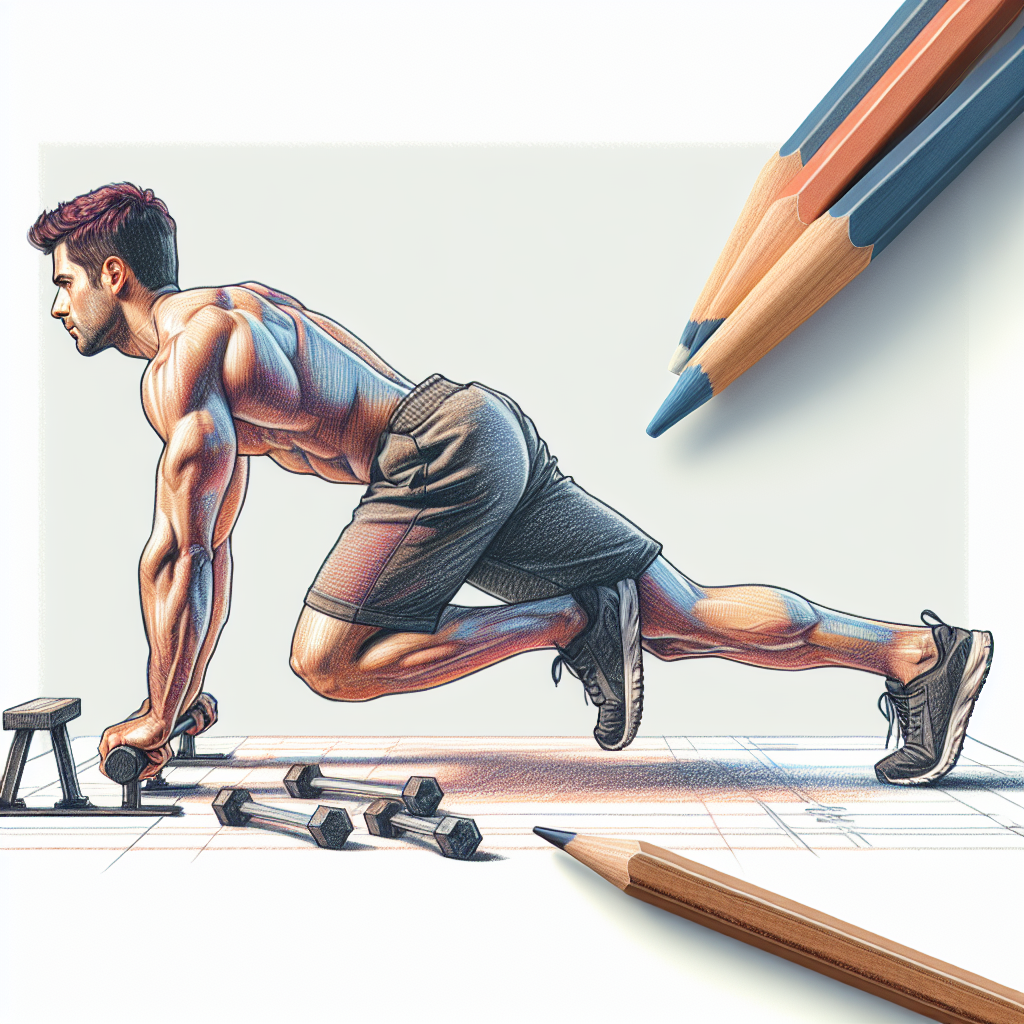
Workouts for Back Without Weights
As individuals increasingly seek effective fitness solutions, bodyweight exercises have gained prominence as a practical alternative to weighted workouts. Particularly for those who may not have access to a gym, a series of well-structured, weight-free exercises can lead to significant strength and endurance improvements, especially in the back muscles. This article elucidates various workouts for the back that do not require weights, providing both clarity and actionable steps to enhance your fitness journey.
- Understanding Back Anatomy
- Essential Warm-Up Exercises
- Key Bodyweight Exercises for Back Strength
- Incorporating Core Stability
- Myths and Common Mistakes
- When to Consult a Professional
- FAQ
- Conclusion
Understanding Back Anatomy
Before delving into exercises, it is vital to understand the primary muscle groups within the back. The back is primarily composed of several key muscle groups, including:
- Latissimus Dorsi: This large, flat muscle extends from the mid-back to the sides.
- Trapezius: Located at the upper back, it plays a crucial role in shoulder mobility.
- Rhomboids: These muscles connect the shoulder blades and contribute to posture.
- erector spinae: This group of muscles runs along the spine and is essential for maintaining an upright position.
Focusing on these muscles will ensure a holistic approach to back strengthening.
Essential Warm-Up Exercises
Before engaging in any workout, proper warm-up exercises are crucial to prepare your muscles and joints for more intense activity. Consider the following:
- Cat-Cow Stretch: Alternate between arching and rounding your back to improve flexibility.
- Arm Circles: Perform small to large circles with your arms to activate shoulder and upper back muscles.
- Torso Twists: Stand with feet shoulder-width apart and gently twist your torso from side to side.
This warm-up routine should take about 5-10 minutes and will prepare you for the main workout.
Key Bodyweight Exercises for Back Strength
Incorporating specific exercises can significantly enhance your back strength. Below are five effective bodyweight exercises that target the back muscles:
- Push-Ups: In addition to strengthening your chest, push-ups engage the back muscles for stabilization.
- Bird-Dog: On all fours, extend one arm and the opposite leg simultaneously, focusing on balance and core engagement.
- Supermans: Lie face down, extend your arms and legs, and lift them off the ground simultaneously to activate the lower back.
- Plank to Downward Dog: Transitioning between these two positions engages both the core and back muscles.
- Pike Push-Ups: From a pike position, perform push-ups to engage the upper back and shoulders.
Incorporating Core Stability
A strong core is essential for supporting back strength. Implement exercises that enhance core stability alongside your back workouts:
- Planks: Hold a plank position to activate core muscles, which support the back.
- Side Planks: Focus on each side to engage the obliques and improve overall stability.
- Flutter Kicks: While lying on your back, alternate leg raises to challenge the core and lower back.
These exercises not only strengthen the core but also provide additional support to the back muscles during movements.
Myths and Common Mistakes
As with any fitness field, several misconceptions exist regarding bodyweight back workouts:
- Myth 1: Bodyweight exercises are less effective than weighted exercises. While weights provide resistance, bodyweight exercises can be equally effective for building strength when done correctly.
- Myth 2: One can only build back muscle through gym workouts. Bodyweight exercises can target all major back muscles effectively.
- Mistake 1: Poor form during exercises. Prioritize form over quantity to prevent injury and ensure effectiveness.
When to Consult a Professional
If you experience persistent back pain, it is advisable to seek the counsel of a qualified medical professional or physiotherapist. Indicators that you might need professional help include:
- Intense pain lasting more than a few days
- Pain radiating down the legs or into other areas
- Difficulties with mobility or performing daily activities
- Muscle weakness or numbness
Your health should always be the priority, and a professional can provide tailored guidance based on your specific situation.
FAQ
Can bodyweight exercises build muscle mass?
Yes, bodyweight exercises can build muscle mass, especially when performed with proper technique and intensity.
How often should I perform back workouts without weights?
For optimal results, engage in bodyweight back workouts 2-3 times a week, allowing for rest days in between.
Is it safe to perform these exercises at home?
Generally, yes. Ensure you have adequate space to move and practice proper form to minimize risk of injury.
Can I combine these workouts with other forms of exercise?
Absolutely. Combining bodyweight exercises with other workouts like cardio or yoga can provide comprehensive fitness benefits.
How long until I see results from bodyweight exercises?
Results can vary, but with consistency, individuals may start noticing improvements within 4-6 weeks.
Are there any prerequisites for starting these workouts?
Basic fitness knowledge and a commitment to proper form are advisable, but no advanced skills are required.
Conclusion
- Bodyweight workouts are an effective alternative to traditional weight training for back strength.
- Understanding back anatomy helps in targeting key muscle groups effectively.
- Warm-up is crucial to prevent injuries and enhance performance.
- Your core plays a significant role in supporting back workouts.
- Consult a professional if persistent pain or discomfort occurs.
If you’re interested in exploring more on how to achieve results in just six minutes a day, consider signing up for a free 30-day exercise program [here](https://app.revolucnicviceni.cz/en/registration).
Author: John Angel