Categories
Fitness

Effective Bodyweight Back Workouts for Strengthening

Workouts for Back Without Weights

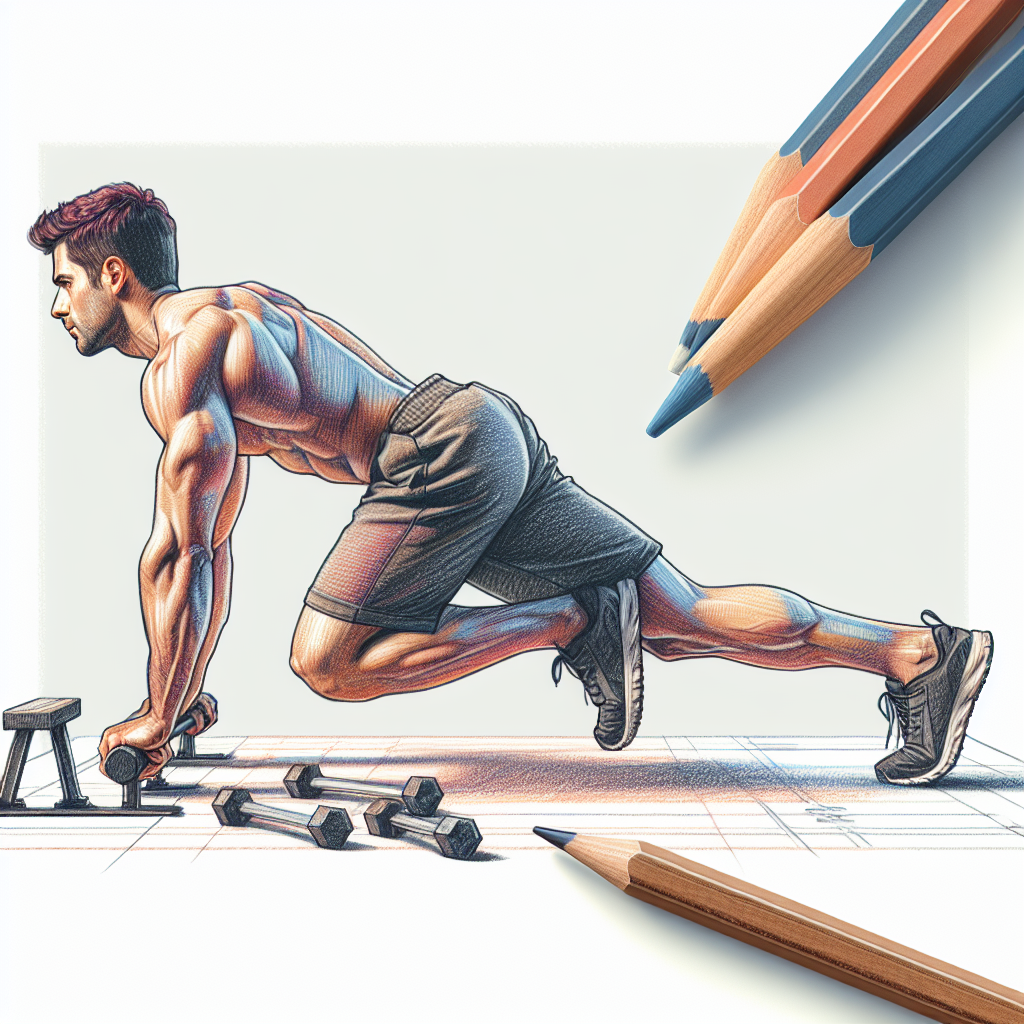
As individuals increasingly seek effective fitness solutions, bodyweight exercises have gained prominence as a practical alternative to weighted workouts. Particularly for those who may not have access to a gym, a series of well-structured, weight-free exercises can lead to significant strength and endurance improvements, especially in the back muscles. This article elucidates various workouts for the back that do not require weights, providing both clarity and actionable steps to enhance your fitness journey.

  • Understanding Back Anatomy
  • Essential Warm-Up Exercises
  • Key Bodyweight Exercises for Back Strength
  • Incorporating Core Stability
  • Myths and Common Mistakes
  • When to Consult a Professional
  • FAQ
  • Conclusion

Understanding Back Anatomy

Before delving into exercises, it is vital to understand the primary muscle groups within the back. The back is primarily composed of several key muscle groups, including:

  • Latissimus Dorsi: This large, flat muscle extends from the mid-back to the sides.
  • Trapezius: Located at the upper back, it plays a crucial role in shoulder mobility.
  • Rhomboids: These muscles connect the shoulder blades and contribute to posture.
  • erector spinae: This group of muscles runs along the spine and is essential for maintaining an upright position.

Focusing on these muscles will ensure a holistic approach to back strengthening.

Essential Warm-Up Exercises

Before engaging in any workout, proper warm-up exercises are crucial to prepare your muscles and joints for more intense activity. Consider the following:

  • Cat-Cow Stretch: Alternate between arching and rounding your back to improve flexibility.
  • Arm Circles: Perform small to large circles with your arms to activate shoulder and upper back muscles.
  • Torso Twists: Stand with feet shoulder-width apart and gently twist your torso from side to side.

This warm-up routine should take about 5-10 minutes and will prepare you for the main workout.

Key Bodyweight Exercises for Back Strength

Incorporating specific exercises can significantly enhance your back strength. Below are five effective bodyweight exercises that target the back muscles:

  1. Push-Ups: In addition to strengthening your chest, push-ups engage the back muscles for stabilization.
  2. Bird-Dog: On all fours, extend one arm and the opposite leg simultaneously, focusing on balance and core engagement.
  3. Supermans: Lie face down, extend your arms and legs, and lift them off the ground simultaneously to activate the lower back.
  4. Plank to Downward Dog: Transitioning between these two positions engages both the core and back muscles.
  5. Pike Push-Ups: From a pike position, perform push-ups to engage the upper back and shoulders.

Incorporating Core Stability

A strong core is essential for supporting back strength. Implement exercises that enhance core stability alongside your back workouts:

  • Planks: Hold a plank position to activate core muscles, which support the back.
  • Side Planks: Focus on each side to engage the obliques and improve overall stability.
  • Flutter Kicks: While lying on your back, alternate leg raises to challenge the core and lower back.

These exercises not only strengthen the core but also provide additional support to the back muscles during movements.

Myths and Common Mistakes

As with any fitness field, several misconceptions exist regarding bodyweight back workouts:

  • Myth 1: Bodyweight exercises are less effective than weighted exercises. While weights provide resistance, bodyweight exercises can be equally effective for building strength when done correctly.
  • Myth 2: One can only build back muscle through gym workouts. Bodyweight exercises can target all major back muscles effectively.
  • Mistake 1: Poor form during exercises. Prioritize form over quantity to prevent injury and ensure effectiveness.

When to Consult a Professional

If you experience persistent back pain, it is advisable to seek the counsel of a qualified medical professional or physiotherapist. Indicators that you might need professional help include:

  • Intense pain lasting more than a few days
  • Pain radiating down the legs or into other areas
  • Difficulties with mobility or performing daily activities
  • Muscle weakness or numbness

Your health should always be the priority, and a professional can provide tailored guidance based on your specific situation.

FAQ

Can bodyweight exercises build muscle mass?

Yes, bodyweight exercises can build muscle mass, especially when performed with proper technique and intensity.

How often should I perform back workouts without weights?

For optimal results, engage in bodyweight back workouts 2-3 times a week, allowing for rest days in between.

Is it safe to perform these exercises at home?

Generally, yes. Ensure you have adequate space to move and practice proper form to minimize risk of injury.

Can I combine these workouts with other forms of exercise?

Absolutely. Combining bodyweight exercises with other workouts like cardio or yoga can provide comprehensive fitness benefits.

How long until I see results from bodyweight exercises?

Results can vary, but with consistency, individuals may start noticing improvements within 4-6 weeks.

Are there any prerequisites for starting these workouts?

Basic fitness knowledge and a commitment to proper form are advisable, but no advanced skills are required.

Conclusion

  • Bodyweight workouts are an effective alternative to traditional weight training for back strength.
  • Understanding back anatomy helps in targeting key muscle groups effectively.
  • Warm-up is crucial to prevent injuries and enhance performance.
  • Your core plays a significant role in supporting back workouts.
  • Consult a professional if persistent pain or discomfort occurs.

If you’re interested in exploring more on how to achieve results in just six minutes a day, consider signing up for a free 30-day exercise program [here](https://app.revolucnicviceni.cz/en/registration).

Author: John Angel

Related articles

Categories
Fitness

Effective Bodyweight Back Training Guide

Train Your Back Without Equipment

For many, achieving a well-defined back may seem difficult without access to a gym. However, effective back training can indeed be accomplished using solely your body weight. Building back strength not only enhances your physique but also contributes to better posture and overall health. This article will guide you through various exercises, techniques, and common misconceptions surrounding back workouts without equipment.

  • Understanding the Importance of Back Training
  • Effective Bodyweight Exercises for the Back
  • Step-by-Step Guide to Performing Back Exercises
  • When to Consult a Professional
  • Common Misconceptions About Bodyweight Training
  • FAQs
  • Conclusion

Understanding the Importance of Back Training

A strong back is essential for maintaining good posture, preventing injuries, and improving athletic performance. The back consists of various muscle groups, including the latissimus dorsi, trapezius, and rhomboids. Training these muscles is vital for balanced development and functional strength.

Moreover, a well-conditioned back can alleviate strain on the spine and reduce the risk of chronic pain. Regularly engaging in back exercises leads to improved stability in various activities, from everyday movements to sports and recreational activities.

Effective Bodyweight Exercises for the Back

While traditional weight training can certainly enhance back strength, many bodyweight exercises can provide effective results. Here are some of the most powerful exercises:

  • Superman: This exercise targets the lower back and helps improve spinal alignment.
  • Reverse Snow Angels: A great exercise to target the rear deltoids and upper back.
  • Plank to T-Rotation: This dynamic movement engages the core while working on the obliques and back muscles.
  • Inverted Rows: If you have access to a sturdy table or low bar, this exercise can be adapted for bodyweight training.
  • Bodyweight Rows: Similar to inverted rows but can be performed using a suspension trainer or a sturdy anchor.

Step-by-Step Guide to Performing Back Exercises

Engaging in bodyweight exercises can be straightforward. Follow these steps to incorporate back training into your routine:

  1. Warm-Up: Begin with a 5-10 minute warm-up to prepare your muscles. Dynamic stretches like arm circles and torso twists are effective.
  2. Select Exercises: Choose 3-5 exercises from the list provided based on your fitness level.
  3. Repetitions and Sets: Aim for 10-15 repetitions for each exercise. Complete 2-3 sets, resting for 30-60 seconds between sets.
  4. Cool Down: After completing your workout, perform static stretches focusing on the back muscles to promote flexibility and recovery.
  5. Consistency: Aim to perform this routine 2-3 times a week for optimal results.

For those seeking a structured program, consider registering for a free 30-day exercise program that requires only 6 minutes of commitment daily, yielding results comparable to gym workouts.

When to Consult a Professional

While engaging in bodyweight training is generally safe, it is essential to listen to your body. Seek professional advice in the following circumstances:

  • If you experience persistent or severe back pain during or after workouts.
  • When you are unsure of your exercise form, which could lead to injury.
  • If you have a pre-existing condition affecting your back or mobility.
  • When attempting new exercises without guidance or experience.

Common Misconceptions About Bodyweight Training

Several myths surround bodyweight training, particularly regarding its efficacy for building muscle and strength.

  • Myth 1: Bodyweight exercises are not as effective as weightlifting. Fact: Bodyweight exercises can build strength, flexibility, and endurance, often serving as a strong foundation.
  • Myth 2: You cannot target specific muscles without equipment. Fact: Proper technique and exercise variety can effectively isolate muscle groups, including the back.
  • Myth 3: You need to train for hours to see results. Fact: Effective workouts can be short and intense, maximizing your efforts and time.

FAQs

Can I train my back with just bodyweight exercises?

Yes, bodyweight exercises can effectively train the back muscles without equipment.

How often should I perform back exercises?

It is recommended to engage in back exercises 2-3 times per week for optimal results.

Are bodyweight exercises safe for beginners?

Generally, bodyweight exercises are safe; however, beginners should focus on proper form to avoid injuries.

What if I have existing back pain?

It is advisable to consult a healthcare professional before starting any exercise program if you have existing back pain.

Can these exercises help improve my posture?

Strengthening the back muscles through these exercises can positively affect your posture over time.

Do I need a specific area to perform these exercises?

No, bodyweight exercises can be performed indoors or outdoors, requiring minimal space.

Conclusion

  • Training your back without equipment is entirely feasible and effective.
  • Engaging in bodyweight exercises helps improve muscle strength and endurance.
  • Proper form and consistency are key to achieving desired results.
  • Listening to your body and consulting a professional when necessary can prevent injuries.
  • Participate in structured programs to enhance your training efficiency.

Take the first step toward building a stronger back by starting your own routine today. Remember, every journey begins with a single step. For a convenient, user-friendly approach to exercise, consider registering for the free 30-day exercise program.

Author: John Angel

Related articles

Categories
Fitness

Effective Bodyweight Back Workout for Strength and Endurance

Workout Your Back Without Weights

Building a strong back is essential for overall fitness, posture, and injury prevention. Many people associate back workouts with weightlifting; however, effective training can also be achieved using bodyweight exercises. This article provides insights into how to engage your back muscles without weights, ensuring both strength and endurance through various techniques. Additionally, for those interested in a unique approach to fitness, consider a free, 30-day exercise program where you only need to invest six minutes each day to see results akin to traditional gym workouts. You can register for this program here.

  • Understanding the Back Musculature
  • Benefits of Bodyweight Exercises
  • Effective Bodyweight Back Exercises
  • Incorporating Flexibility and Mobility Work
  • When to Seek Professional Guidance
  • Common Myths and Misconceptions
  • FAQs
  • Conclusion

Understanding the Back Musculature

The back consists of several muscle groups, including the latissimus dorsi, trapezius, and rhomboids. These muscles play crucial roles in various movements, such as pulling, lifting, and even maintaining proper posture. Understanding the muscle groups helps tailor an effective workout that focuses on strengthening each area.

Benefits of Bodyweight Exercises

Bodyweight exercises offer numerous advantages, including:

  • No Equipment Needed: Perfect for home workouts or travel.
  • Functional Movement: Mimics natural movement patterns, enhancing everyday strength.
  • Increased Stability: Engages the core, promoting better overall balance.
  • Scalability: Exercises can be made easier or harder by adjusting form or tempo.

Effective Bodyweight Back Exercises

Engaging in a regular routine of bodyweight exercises can significantly enhance back strength. Below are some effective exercises that target different back muscles:

1. Superman Exercise

Lie face down with your arms extended in front of you. Lift your arms, chest, and legs off the ground simultaneously while holding for a few seconds.

2. Plank to Shoulder Tap

Start in a plank position. Tap your shoulder with the opposite hand, alternating sides while keeping your hips stable.

3. Reverse Snow Angels

Lie face down and move your arms from your sides to above your head in a sweeping motion, resembling a snow angel. Keep your arms and chest elevated from the ground.

4. Bird Dog

Begin on your hands and knees. Extend one arm and the opposite leg simultaneously while keeping your core engaged. Switch sides after each repetition.

5. Wall Angels

Stand against a wall with your back and head touching. Move your arms up and down like an angel while maintaining contact with the wall to promote shoulder mobility.

Incorporating Flexibility and Mobility Work

Flexibility and mobility exercises are essential for preventing injuries and enhancing your overall performance. Incorporating the following can be beneficial:

  • Catt-Cow Stretch: Promote spinal flexibility and relieve tension.
  • Child’s Pose: A restorative pose that stretches the back and hips.
  • Torso Twists: Improve spine mobility while engaging the oblique muscles.

When to Seek Professional Guidance

While bodyweight exercises are generally safe, there are specific scenarios in which seeking professional help is advisable:

  • If you experience persistent back pain or discomfort.
  • When you have a pre-existing condition, such as scoliosis or herniated discs.
  • If you’re unsure about proper form and technique.
  • When you want personalized training or a structured program tailored to your needs.

Common Myths and Misconceptions

Understanding the truths behind common myths can enhance your approach to back workouts. Consider the following:

Myth 1: You Need Weights for a Strong Back

Many believe that weights are necessary for strength training. Bodyweight exercises can also effectively target back muscles.

Myth 2: Back Exercises Only Build Size

While hypertrophy is a benefit, the primary focus of bodyweight exercises is to improve functional strength and stability.

Myth 3: You Should Work Your Back Every Day

Like any muscle group, the back needs rest to recover and grow. Overworking can lead to fatigue and injury.

FAQs

Can I build muscle without weights?

Yes, bodyweight exercises can effectively develop muscle strength and endurance without the need for weights.

How often should I work out my back?

It’s generally advisable to train your back 1-3 times per week, allowing for recovery time in between.

Are bodyweight exercises suitable for beginners?

Absolutely, bodyweight exercises are an excellent starting point for beginners as they can be modified for different fitness levels.

What warm-up should I do before back exercises?

A warm-up should include dynamic stretches like arm circles, torso twists, and light cardio movements to increase blood flow.

How long will it take to see results?

Results depend on factors like frequency, diet, and individual effort, but noticeable improvements can generally be seen within a few weeks.

Is stretching necessary after a workout?

Yes, stretching helps in recovery, reduces muscle soreness, and improves flexibility.

Conclusion

  • Building back strength can be achieved effectively without weights.
  • Bodyweight exercises improve overall functional fitness and stability.
  • Flexibility and mobility work are crucial for optimal performance and injury prevention.
  • Consulting a professional is advisable when experiencing pain or needing personalized guidance.
  • Misinformation around back workouts can hinder progress; understanding the truths is essential.

Incorporate these exercises into your routine, stay consistent, and enjoy the benefits of a stronger back. Consider signing up for a free, 30-day exercise program that requires only six minutes of your day to experience results that rival those gained in a gym. Register for the program here.

Author: John Angel

Related articles

Categories
Fitness

Effective Back Workout Without Equipment

Workout for Back Without Equipment

Strengthening your back muscles is essential for maintaining overall physical well-being and preventing injuries. Engaging in a workout that focuses on the back without the need for equipment can have significant benefits, including improved posture, increased stability, and enhanced functional strength. This article provides a comprehensive guide on effective back exercises that require no special gear, making them accessible to everyone.

  • Introduction
  • Benefits of a Strong Back
  • Effective Bodyweight Exercises
  • Practical Workout Routine
  • Myths and Misconceptions
  • When to Seek Professional Help
  • Frequently Asked Questions
  • Conclusion

Benefits of a Strong Back

The back is comprised of a complex array of muscles that support the spine and facilitate a wide range of movements. Strengthening these muscles offers several benefits:

  • Improved Posture: A strong back supports proper alignment and posture, which can reduce strain on the spine.
  • Enhanced Stability: A robust back contributes to overall body stability, which is vital for balance and functional movements.
  • Injury Prevention: Strengthening back muscles can help prevent injuries while performing daily activities or during sports.
  • Increased Performance: A stronger back can enhance your performance in various physical activities, including sports and fitness routines.

Effective Bodyweight Exercises

Below are several bodyweight exercises that effectively target the back muscles without the need for any equipment:

  • Superman Exercise: This exercise works the lower back, glutes, and shoulders. Lie face down, extend your arms forward, and lift both your arms and legs simultaneously, holding for a few seconds before lowering.
  • Bird-Dog: This move improves balance and strengthens the core and back. Start on all fours and extend one arm forward while extending the opposite leg backward. Hold briefly, then switch sides.
  • Plank: Planks are excellent for overall core strength, which supports the back. Maintain a straight line from head to heels while engaging your core.
  • Reverse Snow Angels: Lie face down and lift your arms and chest off the ground. Move your arms out to the sides in a “snow angel” motion while keeping your chest elevated.
  • Bridges: While primarily targeting the glutes, bridges also engage the lower back. Lie on your back with knees bent, lift your hips toward the ceiling, hold for a moment, and lower back down.

Practical Workout Routine

To create an effective workout for your back, consider the following routine, which can be completed in just six minutes:

  1. Warm-Up (1 minute): Gentle torso twists and arm circles.
  2. Superman Exercise (1 minute): Perform as many repetitions as possible with proper form.
  3. Bird-Dog (1 minute): Alternate sides; aim for controlled movements.
  4. Plank (1 minute): Hold as long as possible; rest briefly if needed.
  5. Reverse Snow Angels (1 minute): Focus on maintaining tension in the back while performing the exercise.
  6. Bridges (1 minute): Engage your core throughout to maximize effectiveness.

For those seeking a structured plan, a free registration for a 30-day exercise program, featuring just 6 minutes of daily exercise, can be accessed at this link.

Myths and Misconceptions

Incorporating back workouts into your routine can sometimes be clouded by misunderstandings. Here are common myths to be aware of:

  • Myth 1: You need heavy weights to build back strength.
  • Myth 2: Back exercises only focus on the lower back.
  • Myth 3: Pain is necessary to achieve results in back training.
  • Myth 4: Only athletes need to strengthen their backs.
  • Myth 5: Exercises are the same for everyone; personalized plans are not necessary.

When to Seek Professional Help

While engaging in a back workout routine is beneficial, certain signs may indicate the need to consult a healthcare professional:

  • Chronic Pain: Persistent discomfort in the back that doesn’t improve with rest or exercise.
  • Numbness or Tingling: Sensations that radiate into the arms or legs.
  • Weakness: Difficulty lifting items or loss of strength in the back or limbs.
  • Injury: A back injury sustained during physical activity that causes significant pain or mobility issues.

Frequently Asked Questions

What is the best exercise for a strong back without equipment?

The Superman exercise is particularly effective for engaging multiple back muscles without any equipment.

How often should I perform back workouts?

For optimal results, aim to perform back exercises 3–4 times a week.

Can I hurt my back by doing bodyweight exercises?

If not performed with proper form, there is a risk of injury. Always prioritize technique over quantity.

Is stretching necessary after back workouts?

Yes, stretching helps to improve flexibility and relieve tension in the muscles.

How long does it take to see results from back workouts?

With consistent effort, many individuals notice improvements in strength and posture within a few weeks.

Can back workouts help relieve existing back pain?

Strengthening exercises can sometimes alleviate discomfort, but consult a healthcare professional for persistent pain.

Conclusion

  • Strengthening your back is crucial for overall health and injury prevention.
  • Bodyweight exercises provide an effective way to target back muscles without expensive equipment.
  • Establish a consistent workout routine to reap the full benefits of strong back muscles.
  • Stay informed about common myths and know when to consult a professional.
  • Consider joining a structured exercise program that fits your schedule and goals.

Begin your journey to a stronger back today, and explore a free 30-day exercise program at this link!

Author: John Angel

Related articles

Categories
Fitness

Effective Muscle Workouts Using Bodyweight Exercises

Muscle Workout Without Weights

In an increasingly busy world, maintaining a fitness routine can seem daunting, especially when access to a gym is limited. Fortunately, effective muscle workouts can be achieved without weights, utilizing bodyweight exercises that target various muscle groups. This approach not only enhances strength but also improves flexibility and endurance. This article explores the fundamental aspects of bodyweight workouts, providing you with practical guidance to implement them into your daily routine.

  • Understanding Bodyweight Exercises
  • The Benefits of Working Out Without Weights
  • Essential Bodyweight Exercises for Core Strength
  • Developing a Comprehensive Workout Routine
  • Common Myths and Misconceptions
  • When to Seek Professional Guidance
  • Frequently Asked Questions

Understanding Bodyweight Exercises

Bodyweight exercises leverage one’s own weight as resistance, allowing for versatile and effective workouts. These exercises engage multiple muscle groups, promote stability, and greatly enhance functional strength. Examples include push-ups, squats, lunges, and planks. The advantages are numerous, making it feasible for anyone to integrate these exercises into their lifestyle without the need for specialized equipment.

The Benefits of Working Out Without Weights

  • Convenience: Bodyweight exercises can be performed anywhere, at any time, making them ideal for those with busy schedules.
  • Cost-Effective: No need for expensive gym memberships or equipment.
  • Improves Functional Strength: Engaging multiple muscle groups helps develop strength applicable to everyday activities.
  • Decreased Injury Risk: Many bodyweight movements prioritize form and technique, which can reduce injury rates.
  • Flexibility and Balance: Enhances overall body coordination and flexibility, leading to better athletic performance.

Essential Bodyweight Exercises for Core Strength

Focusing on core strength is crucial as it supports overall fitness and stability. Here are some effective bodyweight exercises to enhance core strength:

  • Plank: Hold a push-up position, keeping your body straight and core tight.
  • Mountain Climbers: In a plank position, alternate bringing each knee towards your chest.
  • Bicycle Crunches: Lie on your back and alternate bringing your elbow to the opposite knee.
  • Russian Twists: Sit with your knees bent and torso leaned back, rotating your upper body from side to side.

Developing a Comprehensive Workout Routine

Creating a structured workout plan will help maximize the effectiveness of your bodyweight workouts. Here are steps to develop a balanced routine:

  1. **Set Clear Goals:** Determine your fitness objectives, whether it’s strength building, fat loss, or general health.
  2. **Choose Core Exercises:** Select 6-8 bodyweight exercises targeting different muscle groups.
  3. **Structure Your Schedule:** Aim for at least 3-5 workout sessions per week, with 20-30 minutes dedicated to each session.
  4. **Incorporate Progressions:** As strength improves, increase difficulty by including variations such as elevated push-ups or single-leg squats.
  5. **Monitor Progress:** Keep track of your workouts and adjust your routine as necessary to avoid plateaus.

For those seeking an even more effortless introduction to exercise, a free registration for a 30-day exercise program is available, allowing you to work out for just 6 minutes daily while achieving results akin to a gym regimen: Sign up here.

Common Myths and Misconceptions

Despite the growing popularity of bodyweight workouts, several myths persist that may deter individuals from considering this approach.

  • Myth 1: Bodyweight exercises are only for beginners.
  • Myth 2: You cannot build muscle or strength without weights.
  • Myth 3: Bodyweight exercises aren’t challenging enough.
  • Myth 4: You always need a gym to achieve your fitness goals.

Understanding these myths allows individuals to embrace the potential of bodyweight training fully.

When to Seek Professional Guidance

While bodyweight exercises can be performed safely by most individuals, certain situations warrant the attention of a qualified professional:

  • If you experience pain that persists during exercise.
  • If you have pre-existing medical conditions that may affect physical activity.
  • If unsure about correct exercise form, which could lead to injury.
  • If you’re new to fitness and want tailored guidance.

Frequently Asked Questions

Can bodyweight exercises replace weight training?

Yes, bodyweight exercises can be as effective as traditional weight training if performed correctly and consistently.

How often should I do bodyweight workouts?

Aim for 3-5 times per week, ensuring to include variety and progression in your routine.

Do I need a warm-up before bodyweight exercises?

Yes, warming up is essential to prepare your muscles and prevent injuries. Dynamic stretches are recommended.

Can seniors perform bodyweight exercises?

Yes, bodyweight exercises can be adapted for seniors, focusing on balance and flexibility combined with strength.

Is it possible to lose weight with bodyweight exercises?

Absolutely! Combining bodyweight exercises with a balanced diet can effectively contribute to weight loss.

Are bodyweight exercises safe for kids?

Yes, with proper supervision and age-appropriate movements, bodyweight exercises can benefit children’s strength and coordination.

Conclusion

  • Bodyweight exercises offer an effective and versatile alternative to traditional weight training.
  • They enhance strength, flexibility, and balance effectively and safely.
  • Structured routines can maximize results, contributing to overall health and fitness.
  • Understanding common myths can help enhance perception and effectiveness.
  • Professional guidance should be sought when experiencing pain or uncertainty regarding exercise.

Start integrating bodyweight exercises into your daily routine, and consider exploring a complimentary 30-day program designed for maximum efficiency: Sign up here for a workout that only requires 6 minutes of your day, yet promises remarkable results.

Author: John Angel

Related articles

Categories
Fitness

Effective No-Weight Back Exercises for Home Workouts

Embarking on a fitness journey does not necessarily require a gym membership or specialized equipment. Home-based exercises can effectively build strength and endurance without the added weight. This approach is particularly beneficial for those who prefer the comfort of their home environment, or for individuals seeking to incorporate exercise into a busy schedule. In this article, we will explore various no-weight back exercises that can be performed at home, addressing their benefits, techniques, and when it may be advisable to seek professional guidance.

  • Understanding the Importance of Back Exercises
  • Benefits of No-Weight Exercises
  • Effective No-Weight Back Exercises
  • Common Mistakes to Avoid
  • When to Consult a Professional
  • Frequently Asked Questions

Understanding the Importance of Back Exercises

The back comprises a complex network of muscles that support posture, facilitate movement, and protect the spine. A strong back contributes to overall body stability and can prevent injuries. Engaging in regular back exercises can enhance daily functioning and athletic performance.

Benefits of No-Weight Exercises

No-weight exercises, often referred to as bodyweight exercises, utilize an individual’s own weight for resistance. This method offers numerous benefits, such as:

  • Accessibility: No equipment is required, making exercises easy to perform at home or anywhere.
  • Reduced Risk of Injury: Training with lighter resistance lowers the chance of strain and injury compared to lifting weights.
  • Improvement in Stability: Bodyweight exercises promote core strength, essential for overall stability and balance.
  • Enhanced Functional Fitness: These exercises mimic everyday movements, improving overall functional strength.
  • Flexibility and Mobility: Many no-weight exercises improve flexibility and mobility in the back, contributing to better overall physical health.

Effective No-Weight Back Exercises

Engaging in no-weight back exercises can easily fit into a daily routine. The following exercises can be performed at home and yield significant results:

1. Superman Exercise

Lie face down on a mat with arms extended in front. Simultaneously lift your arms, chest, and legs off the ground, holding for a few seconds before lowering.

2. Bird-Dog

Start in a tabletop position. Extend one arm forward and the opposite leg back while maintaining core stability. Hold briefly, then switch sides.

3. Bridge

Lie on your back with knees bent and feet flat. Push through your heels to lift your hips, engaging your glutes and lower back. Hold and lower back down.

4. Plank

In a push-up position, hold your body straight, engaging your core and back muscles. Start with a 20-30 second hold and gradually increase as strength improves.

5. Cat-Cow Stretch

In the tabletop position, alternate between arching your back (cat) and allowing it to sag (cow). This helps improve flexibility and relieve tension.

For a structured approach to exercising at home, consider joining a 30-day exercise program where you only need 6 minutes a day to achieve results comparable to a full gym workout. You can register for free at this link.

Common Mistakes to Avoid

While bodyweight exercises are highly beneficial, certain mistakes can hinder effectiveness and potentially lead to injuries:

  • Poor Form: Neglecting proper form can cause strain. Focus on maintaining correct posture through each movement.
  • Rushing Exercises: Take your time with each exercise to maximize benefits; hurried movements increase injury risk.
  • Ineffective Breathing: Remember to breathe throughout the exercises. Exhale during exertion and inhale during relaxation.
  • Skipping Warm-up: Always perform a warm-up to prepare your muscles and reduce injury risk.

When to Consult a Professional

Self-guided exercise can be effective for many; however, there are instances where seeking professional advice is warranted:

  • Persistent Pain: If you experience ongoing or severe discomfort in your back during or after exercising, consult a healthcare provider.
  • Previous Injuries: Individuals with a history of back injuries should seek guidance before starting any exercise program.
  • Limited Mobility or Flexibility: If you notice limitations in your range of motion, it may be beneficial to consult a physical therapist.
  • Uncertainty About Proper Technique: Professionals can provide tailored advice on maintaining proper form and technique.

Frequently Asked Questions

Can I build muscle without weights?

Yes, bodyweight exercises can build muscle by utilizing your own weight as resistance.

How often should I perform no-weight exercises?

For optimal results, aim for 3-5 times a week with rest days in between to allow for recovery.

Are no-weight exercises suitable for beginners?

Absolutely; no-weight exercises are accessible and can be modified to suit varying fitness levels.

Can I hurt myself doing no-weight exercises?

Injury can occur if proper form is not maintained, so it’s essential to focus on technique and avoid overexertion.

How can I progress in no-weight exercises?

Increase the number of repetitions or sets, extend hold times, or reduce rest time between exercises to progress.

Is it sufficient to only do no-weight exercises for back strength?

While no-weight exercises can be effective, it’s beneficial to incorporate a variety of exercises for overall strength and balance.

Conclusion

  • No-weight back exercises are effective for building strength and stability.
  • They offer flexibility in scheduling and accessibility for all fitness levels.
  • Proper form and technique are crucial to avoid injury and maximize benefits.
  • Consult a professional if experiencing pain or having a history of injuries.
  • Consider a structured exercise program for guided support and motivation.

Take the first step towards strengthening your back today. Explore the potential of no-weight exercises and consider joining a concise 30-day program tailored to your needs at this link.

Author: John Angel

Related articles

Categories
Fitness

Effective Leg Day: Bodyweight Exercises and Routines

Leg Day Without Weights: Maximizing Your Lower Body Workout

Leg day is often perceived as an essential aspect of fitness; however, it doesn’t necessarily require weights or heavy gym equipment to achieve significant results. Emphasizing bodyweight exercises allows individuals to enhance strength, flexibility, and muscle endurance while minimizing the risk of injuries associated with heavy lifting. This article outlines effective bodyweight exercises, the benefits they offer, and practical guidance to incorporate them into your routine—especially for those lacking access to a gym.

  • Introduction
  • The Benefits of Bodyweight Exercises
  • Essential Bodyweight Exercises for Leg Day
  • A Sample Leg Day Workout Routine
  • Common Misconceptions About Bodyweight Training
  • When to Consult a Professional
  • Frequently Asked Questions
  • Conclusion

The Benefits of Bodyweight Exercises

Bodyweight exercises offer a range of benefits, making them suitable for individuals at all fitness levels. Here are some key advantages:

  • Accessibility: No equipment is necessary, allowing you to work out in the comfort of home or outdoors.
  • Flexibility: You can perform these exercises anywhere, fitting easily into various schedules.
  • Improved Functional Strength: Bodyweight movements promote better body awareness and functional strength, aiding day-to-day activities.
  • Reduced Injury Risk: Focusing on form and stability can help mitigate risks associated with heavy lifting.

Essential Bodyweight Exercises for Leg Day

Incorporating a mix of exercises helps target different muscle groups effectively. Below are some essential movements for your workout routine:

1. Squats

Squats primarily engage the quadriceps, hamstrings, and glutes. They can be modified as needed (e.g., adding pauses or performing single-leg squats).

2. Lunges

Lunges activate various muscles in your legs and are excellent for improving balance and coordination. Variations include forward lunges, reverse lunges, and lateral lunges.

3. Glute Bridges

This exercise focuses on the glutes and hamstrings, emphasizing hip extension and pelvic stability.

4. Step-Ups

Using a sturdy platform, step-ups enhance leg strength while also engaging the core for stability.

5. Calf Raises

Targeting the calves, these can be performed on flat ground or using an elevated surface for a greater range of motion.

A Sample Leg Day Workout Routine

Below is a simple yet effective leg day routine that requires no weights. Each exercise can be performed for 30 seconds to 1 minute, depending on your fitness level:

  1. Squats
  2. Rest for 30 seconds
  3. Lunges (alternate legs)
  4. Rest for 30 seconds
  5. Glute Bridges
  6. Rest for 30 seconds
  7. Step-Ups
  8. Rest for 30 seconds
  9. Calf Raises
  10. Rest for 30 seconds

For further variety and efficiency, consider registering for a 30-day exercise program that requires only six minutes of focused exercise each day, delivering compelling results comparable to conventional gym workouts.

Common Misconceptions About Bodyweight Training

Despite its efficacy, bodyweight training is often surrounded by myths that can discourage individuals from integrating it into their regimen. Here are some common misconceptions:

  • Myth: Bodyweight exercises are too easy to be effective.
  • Truth: Proper execution and control can significantly challenge your muscles, promoting strength gains and endurance.
  • Myth: Only weights yield results.
  • Truth: Bodyweight exercises can build muscle, enhance flexibility, and improve overall fitness just as weightlifting can.
  • Myth: You cannot progress with bodyweight exercises.
  • Truth: Progressions (e.g., adding pauses, increasing repetitions, or elevating feet) can continuously challenge your body.

When to Consult a Professional

While bodyweight exercises are generally safe, certain situations may warrant consultation with a qualified fitness professional, including:

  • If you are recovering from an injury or surgery.
  • If you have existing health conditions impacting your mobility or strength.
  • If you are unsure about proper form or technique.
  • If you seek guidance on structuring a new workout routine.

Frequently Asked Questions

Can I build muscle without weights?

Yes, bodyweight exercises can build muscle by utilizing resistance against your own body, particularly when performed in a progressive manner.

How often should I do leg day exercises?

A frequency of 2–3 times per week is recommended, incorporating rest days to allow for recovery.

Will I get the same results as weight training?

While results may vary, bodyweight training can lead to significant strength gains, improved endurance, and enhanced functionality.

How do I prevent injury while performing bodyweight exercises?

Focus on proper form, warm up adequately, and listen to your body’s signals to prevent strain or injury.

Can beginners start with bodyweight exercises?

Absolutely; bodyweight exercises are suitable for all fitness levels and can be modified for increased accessibility.

How can I keep my workouts engaging?

Incorporate various exercises, change up the routine frequently, and challenge yourself with progressive modifications for continuous engagement.

Conclusion

  • Bodyweight exercises provide an effective solution for leg day workouts without the need for weights.
  • They enhance strength, flexibility, and muscle endurance.
  • A structured routine can yield significant fitness results.
  • Consulting a professional may be beneficial based on individual circumstances.
  • Believe in the effectiveness of bodyweight training; variety and progression are key factors.

Explore the potential of your lower body through bodyweight exercises, and consider registering for our 30-day exercise program to maximize your results.

Author: John Angel

Related articles

Categories
Fitness

Effective Leg Day Workout Without Machines

Leg Day Workout Without Machines

Leg day is often considered one of the most demanding yet rewarding parts of a fitness regimen. While machines can help isolate specific muscle groups, they are not a necessity for an effective leg workout. In this article, we will explore various bodyweight exercises and free-weight alternatives that can deliver significant results without the confines of gym machinery. By incorporating these methods into your routine, you can enhance strength, stability, and endurance in your legs.

  • Introduction
  • Understanding the Importance of Leg Day
  • Bodyweight Exercises for Legs
  • Free Weight Alternatives
  • Creating a Balanced Leg Day Routine
  • Common Myths About Leg Workouts
  • Consulting a Professional: When to Seek Help
  • FAQ
  • Conclusion

Understanding the Importance of Leg Day

Leg day should not be underestimated, as your legs support most daily activities and foundational movements. Strong legs improve athletic performance and enhance overall body symmetry. They also play a crucial role in functional movements, ensuring balance and stability. Prioritizing leg workouts can contribute to improved posture and reduced risk of injuries.

Bodyweight Exercises for Legs

Bodyweight exercises are a convenient and effective means to strengthen your legs without the use of machines. Below are some key exercises to incorporate:

  • Squats: Stand with feet shoulder-width apart and lower your body as if sitting in a chair, keeping your back straight.
  • Lunges: Step forward with one leg and lower your hips until both knees form a 90-degree angle.
  • Glute Bridges: Lie on your back with knees bent, lift your hips towards the ceiling while squeezing your glutes.
  • Calf Raises: Stand on the edge of a step and raise your heels, then lower back down.
  • Step-ups: Use a sturdy platform to step up and down, alternating your leading leg.

Free Weight Alternatives

If you have access to free weights, they can be an excellent addition to your leg day workout. Here are some effective exercises:

  • Dumbbell Squats: Hold a dumbbell in each hand while performing squats for added resistance.
  • Weighted Lunges: Carry dumbbells while lunging to increase the challenge.
  • Deadlifts: Keep your back straight and lower weights towards the floor, then raise them back up while engaging your leg muscles.
  • Dumbbell Step-ups: Hold weights while stepping onto a platform for added intensity.

Creating a Balanced Leg Day Routine

An effective leg day routine should include a variety of exercises to target all muscle groups. A possible structure may include:

  1. Warm-up: 5-10 minutes of dynamic stretches or light cardio.
  2. Main Exercises: 3-5 sets of 8-12 reps for each of the selected exercises.
  3. Cool Down: 5-10 minutes of stretching focused on the legs to aid recovery.

Common Myths About Leg Workouts

There are several misconceptions regarding leg day workouts that can hinder your progress:

  • Myth 1: Leg workouts only benefit aesthetic goals.
  • Myth 2: You only need to train legs once a week.
  • Myth 3: Machines are the only effective way to train legs.
  • Myth 4: Bodyweight exercises are not effective for building muscle.

Consulting a Professional: When to Seek Help

If you are experiencing persistent pain, discomfort, or uncertainty about your workout form, it may be necessary to consult a fitness professional or healthcare provider. Signs that you should seek expertise include:

  • Persistent pain or injuries in the lower body.
  • Difficulty performing exercises correctly.
  • Delayed soreness that lasts beyond typical recovery times.
  • Uncertainty about how to create a tailored workout plan.

FAQ

What is the optimal frequency for leg workouts?

Training legs 1-2 times a week allows for adequate recovery and muscle growth.

Can I achieve results without machines?

Yes, bodyweight and free-weight exercises can be highly effective in developing leg strength.

How can I ensure proper form during exercises?

Consult video tutorials, trainers, or fitness classes to learn proper techniques.

Is stretching important after a leg workout?

Absolutely, stretching helps prevent injury and promotes recovery.

What should I eat before a leg workout?

A balanced meal with carbohydrates and protein 1-2 hours prior can optimize performance.

Can I combine leg day with cardio?

Yes, but ensure to balance intensity to avoid fatigue before strength training.

Conclusion

  • Leg day is vital for overall strength, stability, and functional fitness.
  • Bodyweight and free-weight exercises can be effective alternatives to machines.
  • A well-rounded routine includes a variety of exercises targeting all muscle groups.
  • Common misconceptions can hinder progress; focus on education and correct techniques.
  • Consult a professional whenever pain or uncertainty arises in your workouts.

If you’re looking to enhance your fitness journey, consider exploring a quick yet effective exercise routine—such as this 30-day program that requires just 6 minutes a day for remarkable results.

Author: John Angel

Related articles

Categories
Fitness

Effective Bodyweight Leg Strength Exercises Without Equipment

Leg strength is a critical component of overall fitness, contributing not only to athletic performance but also to daily activities and stability. Even without equipment, there are numerous effective exercises to enhance your leg strength. This article will delve into various bodyweight exercises that can be seamlessly integrated into your routine to boost leg strength, endurance, and overall mobility. By the end, you’ll have a solid foundation to improve your lower body performance.

  • Importance of Leg Strength
  • Effective No-Equipment Leg Strength Exercises
  • Practical Steps to Begin
  • When to Consult a Professional
  • Common Myths and Mistakes
  • Frequently Asked Questions

Importance of Leg Strength

Leg strength plays a pivotal role in supporting your body weight, enhancing balance, and preventing injuries. Strong legs are essential for various activities, ranging from walking and running to climbing stairs. Improved leg strength can also enhance athletic performance in sports, providing a solid foundation for movements that require power and agility.

Effective No-Equipment Leg Strength Exercises

Here, we present a selection of effective exercises targeting major muscle groups in the legs, including the quadriceps, hamstrings, glutes, and calves.

1. Bodyweight Squats

Squats are a fundamental exercise that targets the entire lower body. They can be easily executed anywhere without the need for equipment.

2. Lunges

Forward and backward lunges engage the quadriceps and glutes, improving strength, balance, and flexibility.

3. Glute Bridges

This exercise primarily targets the glutes and hamstrings, enhancing hip strength and stability.

4. Calf Raises

Calf raises are simple yet effective for strengthening the calf muscles, improving ankle stability and balance.

5. Step-Ups

This dynamic movement targets multiple leg muscles and can be performed on any sturdy surface, like a staircase or a low bench.

Practical Steps to Begin

To create a structured leg-strengthening regimen, follow these practical steps:

  1. Choose a suitable space with enough room for movement.
  2. Select 4-5 exercises from the list mentioned above.
  3. Perform each exercise for 30-60 seconds, resting for 15-30 seconds in between.
  4. Complete the circuit 2-3 times, gradually increasing to more repetitions as you build strength.
  5. Consider joining a structured program for consistency. For instance, you can sign up for a 30-day exercise program where you only exercise for 6 minutes a day but achieve results comparable to going to the gym.

When to Consult a Professional

While many can safely engage in leg-strengthening exercises, individuals with pre-existing injuries, chronic pain, or discomfort should consult a healthcare provider or a fitness professional. Observing persistent swelling, significant joint pain, or changes in mobility warrants professional evaluation. An expert can provide tailored guidance and ensure you perform exercises safely and effectively.

Common Myths and Mistakes

Understanding common misconceptions can enhance your exercise experience and results:

  • Myth: You need weights for effective strength training. Truth: Bodyweight exercises can be highly effective in building strength.
  • Mistake: Performing exercises without proper form. Always prioritize proper technique to prevent injuries.
  • Myth: Strength training leads to bulkiness. Fact: Bodyweight exercises typically promote lean muscle development.
  • Mistake: Neglecting stretching. Ensure you incorporate flexibility exercises to prevent tightness and enhance mobility.

Frequently Asked Questions

What are the benefits of bodyweight leg exercises?

Bodyweight leg exercises improve strength, enhance balance, increase flexibility, and do not require equipment, making them highly accessible.

How often should I perform leg exercises?

For optimal results, aim to perform leg exercises 2-3 times per week, allowing rest days in between for recovery.

Is it safe to do leg exercises every day?

While some can withstand daily workouts, it’s advisable to limit intense leg exercises to prevent overuse injuries. Incorporate rest or varying intensity to avoid fatigue.

Can beginners start with bodyweight exercises?

Yes, bodyweight exercises are ideal for beginners as they allow you to focus on form and control before progressing to more advanced movements.

How long does it take to see results?

Results can vary based on individual factors such as consistency, diet, and current fitness levels. Typically, noticeable improvements may occur within 4-6 weeks of consistent practice.

Are there modifications for those with injuries?

Yes, many bodyweight exercises can be modified. Consulting a healthcare professional or a certified trainer can help identify the most suitable variations for your specific conditions.

Conclusion

  • Leg strength is crucial for overall fitness and daily performance.
  • No-equipment exercises are highly effective and accessible.
  • Establish a structured routine with a variety of exercises.
  • Seek professional guidance if experiencing pain or discomfort.
  • Stay informed to avoid common exercise myths and mistakes.

By prioritizing leg strength through these exercises, you can significantly enhance your fitness journey and overall well-being. Consider starting with just six minutes of daily exercise and explore available resources like the 30-day program. Embrace the journey and enjoy the numerous benefits of strong legs!

Author: John Angel

Related articles

Categories
Home Workouts

Effective Home Leg Workouts with No Equipment Required

Leg Workouts at Home: No Equipment Required

In an era where fitness routines often require expensive gym memberships or extensive equipment, it’s vital to recognize that effective leg workouts can be performed at home with no equipment whatsoever. Engaging in regular leg exercises not only enhances muscle strength but also contributes to improved stability, balance, and overall health. This article will delve into various leg workouts that can be seamlessly integrated into your daily routine, empowering you to achieve your fitness goals without the constraints of traditional gym environments.

  • Introduction
  • Benefits of Leg Workouts
  • Effective Home Leg Exercises
  • Creating Your Workout Routine
  • When to Seek Professional Guidance
  • Common Myths and Mistakes
  • Frequently Asked Questions
  • Conclusion

Benefits of Leg Workouts

Leg workouts offer numerous benefits that extend beyond mere muscle building. Engaging in these exercises leads to:

  • Increased Strength: Developing leg muscles enhances your capacity for daily activities.
  • Improved Balance and Stability: Focused leg training helps stabilize your core and improve your posture.
  • Enhanced Endurance: Regular workouts elevate overall stamina, allowing for longer and more productive exercise sessions.
  • Injury Prevention: Strengthening the legs reduces the risk of injury by supporting joints and ligaments.
  • Boosted Metabolism: Muscle mass increases metabolic rate, enabling the body to burn more calories at rest.

Effective Home Leg Exercises

Below are some effective leg exercises that require no equipment and can be performed comfortably in your home:

1. Bodyweight Squats

This fundamental exercise strengthens the quadriceps, hamstrings, and glutes.

  • Stand with your feet shoulder-width apart.
  • Lower your hips back and down as if sitting in a chair, keeping your chest up.
  • Return to a standing position and repeat for 10-15 repetitions.

2. Lunges

Lunges target the thighs and glutes effectively and can be performed in various variations.

  • Start with your feet together.
  • Step forward with one leg, lowering your hips until both knees are bent at a 90-degree angle.
  • Push back to the starting position and alternate legs for 10-12 repetitions on each side.

3. Glute Bridges

This exercise focuses on the glutes, hamstrings, and lower back.

  • Lie flat on your back with knees bent and feet hip-width apart.
  • Lift your hips toward the ceiling, squeezing your glutes at the top.
  • Lower back down and repeat for 15-20 repetitions.

4. Calf Raises

This exercise strengthens your calves and improves ankle stability.

  • Stand with your feet hip-width apart.
  • Raise your heels off the ground and hold for a moment before lowering them back down.
  • Perform 15-20 repetitions.

5. Wall Sits

A great way to build endurance in your leg muscles.

  • Stand with your back against a wall and slide down until your thighs are parallel to the ground.
  • Hold this position for 30 seconds to a minute.

Creating Your Workout Routine

To effectively incorporate these exercises into your routine, consider the following approach:

  1. Choose 4-5 exercises from the list above.
  2. Perform each exercise for 2-3 sets.
  3. Rest for 30-60 seconds between sets.
  4. Schedule workouts at least 3 times a week for optimal results.
  5. As you progress, increase repetitions or sets to challenge your muscles.

For those seeking a guided approach, consider registering for a free 30-day exercise program that features effective six-minute daily workouts designed to yield results similar to a gym routine.

When to Seek Professional Guidance

Although home workouts can be highly effective, it is important to seek professional guidance in the following situations:

  • If you experience persistent pain during exercises.
  • If you have a pre-existing medical condition that could be aggravated by physical activity.
  • If you are unsure of proper form and technique, risking injury.
  • If your goal requires specific exercises or program customization.

Common Myths and Mistakes

When it comes to leg workouts, several myths and misconceptions may hinder progress:

Myth 1: Leg Workouts Are Only for Bodybuilders

In truth, everyone can benefit from leg workouts, regardless of fitness goals.

Myth 2: You Need Equipment for Effective Workouts

Bodyweight exercises are incredibly effective, as demonstrated above.

Mistake 1: Skipping Warm-up Exercises

Not warming up can increase the risk of injury. Always prepare your body for physical activity.

Mistake 2: Neglecting Proper Form

Good form is essential to prevent injury and ensure that you are effectively targeting the right muscle groups.

Mistake 3: Overtraining

Rest days are crucial for recovery and muscle growth. Avoid working the same muscle group on consecutive days.

Frequently Asked Questions

Can I build muscle with bodyweight exercises?

Yes, bodyweight exercises can effectively build muscle and enhance strength when performed consistently and with proper form.

How often should I perform leg workouts?

For optimum results, aim for at least three leg workouts per week, with rest days in between to allow for recovery.

Are leg workouts beneficial for weight loss?

Leg workouts can enhance caloric expenditure and improve metabolism, contributing to weight loss when combined with a balanced diet.

What is the importance of warming up before leg workouts?

Warming up increases blood flow to your muscles, enhancing flexibility and reducing the risk of injuries.

Is it necessary to stretch after a leg workout?

Yes, stretching improves flexibility and aids recovery, minimizing soreness after exercise.

Can leg workouts improve athletic performance?

Absolutely. Stronger legs contribute to better performance in various sports by improving speed, agility, and endurance.

Conclusion

  • Leg workouts at home can be effective without needing any equipment.
  • Incorporating bodyweight exercises enhances leg strength, endurance, and injury prevention.
  • A structured routine allows for progressive improvement and optimal results.
  • It is essential to seek professional guidance if experiencing pain or uncertainty regarding exercise form.
  • Overcoming myths and misconceptions can lead to more productive workouts.

To start your journey towards stronger legs from home, begin integrating these exercises into your routine today. And for a guided approach that requires only six minutes a day, don’t hesitate to register for the free 30-day exercise program.

Author: John Angel

Related articles

Website analytics information

We use Google Analytics 4 for visitor statistics. Analytics cookies require your consent, which you can change using the button above. The data controller is ZDRAVÍ S ÚSMĚVEM s.r.o., company ID 29283329, contact podpora@revolucnicviceni.cz. Google processes browser, device and page visit information. We do not send form field values to Analytics. How Google uses information · Google Privacy Policy.