
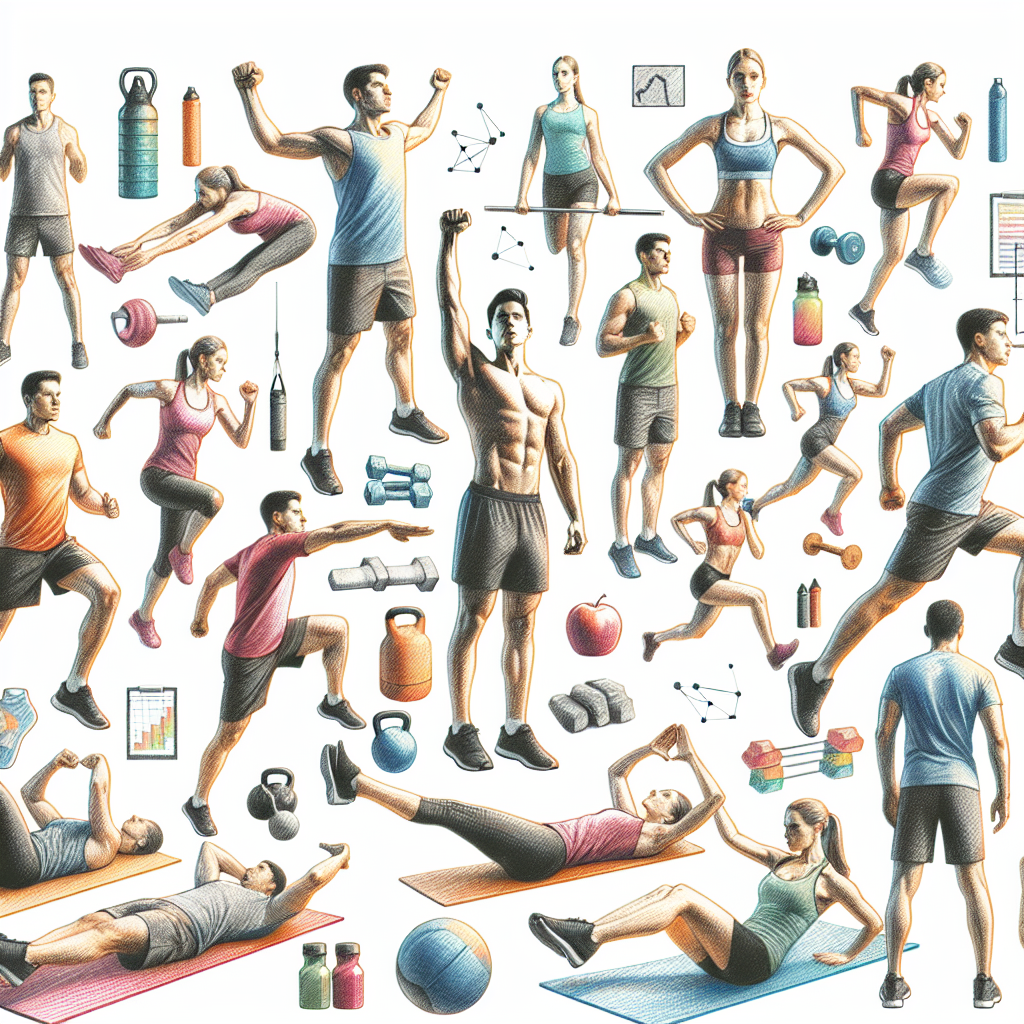
In today’s fast-paced world, finding time to maintain a fitness routine can be daunting. Bodyweight workouts offer a flexible, efficient solution, particularly for those embarking on a weight loss journey. These workouts require no equipment and can be performed anywhere, making them accessible to everyone. In just six minutes a day, you can transform not only your body but also your daily productivity and mental clarity. This article will explore the wonders of bodyweight workouts, particularly the magic of the SixPack workout program. You can explore this efficient program by registering for 30 days of free access to the SixPack workout program.
- Understanding Bodyweight Workouts
- The Benefit of Short Workouts
- Practical Steps for a Bodyweight Workout
- When to Consult a Professional
- Myths and Misconceptions
- FAQs on Bodyweight Workouts
Understanding Bodyweight Workouts
Bodyweight workouts utilize your own weight to provide resistance, eliminating the necessity for any additional equipment. These exercises can range from squats and push-ups to lunges and planks. As a result, individuals of varying fitness levels can adapt these workouts to suit their needs. This versatility is crucial for sustaining motivation and ensuring continuous improvement throughout any weight loss journey.
The Benefit of Short Workouts
Short workouts, especially those lasting merely six minutes, may seem insufficient at first glance, but they are deceptively effective. Research shows that high-intensity bursts of exercise can dramatically enhance cardiovascular health and facilitate fat loss without requiring extended time commitments. Such short sessions can seamlessly fit into any daily schedule, making it easier for you to maintain a consistent workout regimen.
Practical Steps for a Bodyweight Workout
Implementing a successful bodyweight workout starts with understanding a few key principles. Here is a practical guide to help you begin:
- Choose Your Exercises: Select a variety of exercises that target different muscle groups. Consider squats, push-ups, and burpees.
- Timing: Aim for six-minute bursts, making each second count. For example, alternate between 30 seconds of intense effort followed by 30 seconds of rest.
- Create a Routine: Structure your workouts into a weekly routine. Consistency is essential for achieving significant results.
- Warm-Up and Cool Down: Always allocate time for warming up before and cooling down after your workout to prevent injuries.
- Track Progress: Keep a journal or use an app to document your workouts and monitor changes in fitness levels.
When to Consult a Professional
While bodyweight workouts are generally safe, there are circumstances where professional guidance is advisable. Consult a qualified health professional if you:
- Experience persistent joint pain or discomfort.
- Have pre-existing health conditions affecting your ability to exercise.
- Are unsure about the correct form during exercises.
- Wish to establish a comprehensive fitness or health plan.
Myths and Misconceptions
Several myths surround bodyweight training, often leading to misunderstandings about its effectiveness. Here are some common misconceptions:
- Myth: Bodyweight workouts are only for beginners. Truth: These workouts can be highly effective at any fitness level, and can be easily modified for advanced training.
- Myth: You cannot build muscle without weights. Truth: Bodyweight exercises can generate sufficient resistance to promote muscle growth and strength.
- Myth: Short workouts are ineffective. Truth: Short, high-intensity workouts can yield remarkable results, particularly regarding metabolic adaptation and fat loss.
FAQ on Bodyweight Workouts
What are bodyweight workouts?
Bodyweight workouts are exercises that utilize your own body weight as resistance, including push-ups, squats, and planks.
Can I lose weight with bodyweight exercises?
Yes, bodyweight exercises can help promote weight loss when combined with a balanced diet and an active lifestyle.
How often should I do bodyweight workouts?
It’s advisable to engage in bodyweight workouts at least 3-4 times a week to see meaningful results.
Are bodyweight workouts suitable for everyone?
Bodyweight workouts can be modified to suit various fitness levels, but it’s recommended to consult a professional if you have any health concerns.
How long should a bodyweight workout last?
Even six minutes of focused bodyweight exercise can be beneficial, particularly when done at a high intensity.
Can I combine bodyweight workouts with other exercises?
Absolutely. Bodyweight workouts can complement various fitness regimens, including cardio and strength training.
Conclusion
- Bodyweight workouts provide flexibility and accessibility for anyone looking to enhance their fitness.
- Short, high-intensity sessions are not only effective but can fit seamlessly into a busy schedule.
- Consistency and proper technique are key to maximizing results.
- Professional guidance can be crucial if you face health concerns or need personalized advice.
- Dispelling common myths can enhance your understanding and commitment to bodyweight training.
As you embark on your weight loss journey, consider integrating bodyweight exercises into your routine. For a structured approach, explore the free 30-day SixPack workout program and discover the transformative power of six-minute workouts in your daily life.
Author: John Angel