
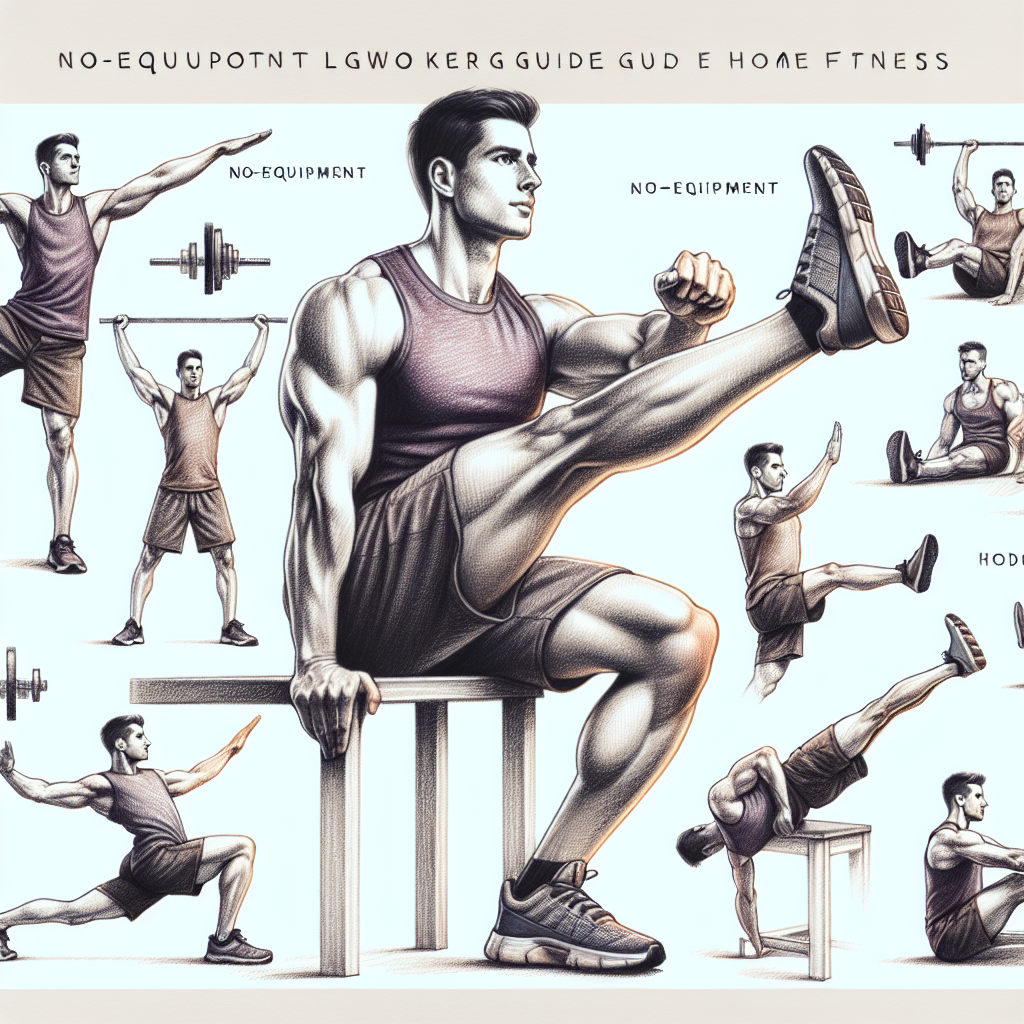
Staying fit has never been more accessible, especially in the comfort of your home. A leg workout that requires no equipment can effectively strengthen and tone your lower body, contributing to overall health and fitness. These workouts are convenient, versatile, and can be adapted to various fitness levels. This article provides detailed insights into crafting a comprehensive at-home leg workout without any equipment, ensuring you make the most of your training time.
- Understanding the Benefits of Bodyweight Exercises
- Essential Leg Exercises to Incorporate
- Structuring Your Workout Routine
- When to Seek Professional Assistance
- Common Myths and Mistakes
- Frequently Asked Questions
- Conclusion
Understanding the Benefits of Bodyweight Exercises
Bodyweight exercises, such as squats, lunges, and wall sits, are highly effective for enhancing leg strength, flexibility, and balance. These exercises not only target major muscle groups in the legs but also engage the core and enhance functional fitness. Furthermore, they can be performed anywhere, making them an ideal choice for individuals with limited time or access to a gym. This type of training can also improve bone density, promote weight management, and enhance cardiovascular health.
Essential Leg Exercises to Incorporate
To maximize your leg workout, consider the following bodyweight exercises. Each targets different muscle groups within the legs:
- Squats: A fundamental exercise that primarily targets the quadriceps, hamstrings, and glutes.
- Lunges: Effective for toning the entire leg and improving stability; can be performed in various directions (forward, backward, and side lunges).
- Wall Sits: A static exercise that helps build endurance in your thigh muscles.
- Calf Raises: Targets the calf muscles and can be performed on any flat surface.
- Glute Bridges: Engages the glutes and hamstrings while also stabilizing the core.
- Step-Ups: Utilizes a sturdy platform or step; effective for enhancing power and stability.
Structuring Your Workout Routine
Creating an effective workout routine is critical to ensuring you stay motivated and see results. Here’s a sample structure for a 30-minute leg workout at home:
- Warm-up: 5 minutes of light cardio (jogging in place or dynamic stretches).
- Squats: 3 sets of 15-20 repetitions.
- Lunges: 3 sets of 10-15 repetitions per leg.
- Wall Sits: 3 sets of 30 seconds to 1 minute.
- Calf Raises: 3 sets of 15-20 repetitions.
- Glute Bridges: 3 sets of 12-15 repetitions.
- Cooldown: 5 minutes of stretching.
For those who seek a guided program, consider registering for a free 30-day exercise course that requires only 6 minutes of daily effort, yielding gym-like results: 30-Day Exercise Program.
When to Seek Professional Assistance
While at-home workouts are beneficial, it is essential to consult a professional in certain situations. If you encounter any of the following, seeking guidance from a fitness trainer or healthcare professional is advisable:
- Persistent pain during or after exercise.
- Injuries that impact mobility or strength.
- Underlying health conditions that may be aggravated by exercise.
- Debilitating fatigue or unusual breathlessness during workouts.
Common Myths and Mistakes
Understanding and avoiding common misconceptions can significantly enhance your workout experience. Here are some prevalent myths associated with leg workouts at home:
- Myth 1: Bodyweight exercises are less effective than weight training.
- Myth 2: You need a gym to achieve serious results.
- Myth 3: Doing endless squats will give you bigger thighs.
- Myth 4: You can’t build muscle without weights.
- Myth 5: Stretching before workouts prevents injury.
Addressing these myths can help maintain a positive mindset while exercising at home.
Frequently Asked Questions
Can I build muscle with bodyweight exercises?
Yes, bodyweight exercises can effectively build muscle, particularly if you are a beginner or returning to fitness. Progressively increasing the intensity or duration can lead to significant gains.
How often should I perform leg workouts?
For optimal results, aim for 2-3 leg workouts per week, allowing time for recovery between sessions.
Are there modifications for beginners?
Absolutely. Start with reduced repetitions or shorter durations. You can also perform simpler variations of each exercise until you build strength.
What should I do if I experience pain during workouts?
If you encounter pain, stop the exercise immediately and assess the situation. If pain persists, consider consulting a healthcare professional.
Do I need to warm up before workouts?
Yes, warming up is essential to prepare your muscles and reduce the risk of injury. Engage in light cardio or dynamic stretching prior to your workout.
Can these exercises help with weight loss?
Yes, bodyweight leg workouts can aid in weight loss when combined with a balanced diet, as they help build muscle and increase metabolism.
Conclusion
- Bodyweight leg workouts are effective for building strength and enhancing mobility.
- A well-structured workout routine ensures consistent progress.
- It’s vital to recognize when to seek professional assistance for safety.
- Dispelling common myths enhances the overall workout experience.
- Engaging in regular leg workouts can complement weight loss goals and improve overall health.
For anyone looking to enhance their fitness journey effortlessly at home, now is the right moment to start. Consider integrating these exercises into your routine and explore the free 30-day exercise program link provided above.
Author: John Angel