
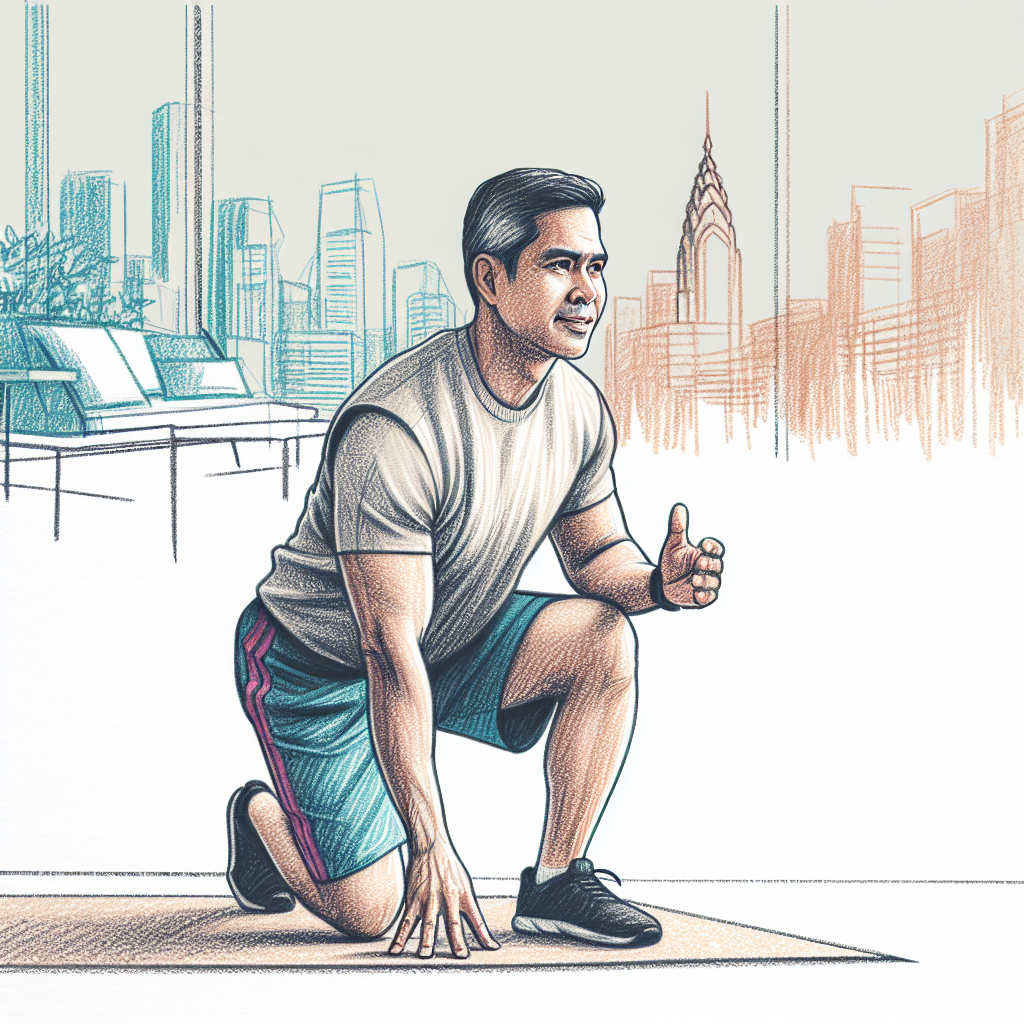
In an era where maintaining physical fitness is paramount, the ability to perform effective workouts at home without the use of weights emerges as a crucial aspect of health and well-being. Home workouts can be equally, if not more, effective than traditional gym routines, offering flexibility and convenience. This article explores various exercises that require no weights, their benefits, and how to incorporate them into your daily routine. Additionally, for those seeking an efficient workout plan, consider this free 30-day exercise program where you only spend 6 minutes each day while achieving results akin to gym workouts.
- Understanding Bodyweight Exercises
- The Benefits of Home Workouts
- Effective At-Home BodyweightExercises
- Structuring Your Home Workout Routine
- Common Misconceptions about Bodyweight Exercises
- When to Consult a Professional
- FAQs
Understanding Bodyweight Exercises
Bodyweight exercises leverage your body’s natural weight as resistance, making them an accessible and effective method of strength training. They utilize various muscle groups, enhancing flexibility, coordination, and muscular endurance. Common examples include push-ups, squats, and planks. These exercises can be performed anywhere, requiring minimal space and no equipment.
The Benefits of Home Workouts
Exercising at home offers numerous advantages, including:
- Flexibility: You can set your workout schedule without being tied to gym hours.
- Cost-Effective: No gym membership fees or need to purchase equipment.
- Comfort: Workout in a familiar environment, wearing what feels right for you.
- Diverse Options: Incorporating different exercises keeps routines engaging and effective.
Effective At-Home Bodyweight Exercises
Here are some select exercises that can be performed at home:
- Push-ups: Targets the chest, shoulders, and triceps. Start in a plank position, lower your body until your chest nearly touches the floor, then push back up.
- Squats: Engages the legs and glutes. Stand with your feet shoulder-width apart, lower your body as if sitting back into a chair, then return to standing.
- Planks: Strengthens the core. Begin in a push-up position and hold your body in a straight line from head to heels.
- Lunges: Works on leg muscles and balance. Step forward with one leg and lower your hips until both knees are bent at about a 90-degree angle.
- Burpees: A full-body movement that increases cardiovascular fitness. Start in a standing position, drop into a squat, kick your feet back into a plank, return to squat, and jump up.
Structuring Your Home Workout Routine
When devising a routine, consider the following steps to maximize effectiveness:
- Set Clear Goals: Define what you want to achieve, whether it’s weight loss, muscle gain, or improving endurance.
- Choose Exercises Wisely: Select a mix of strength, flexibility, and cardio workouts to create a balanced routine.
- Schedule Regular Workouts: Aim for consistency by blocking out specific days and times for your workouts.
- Track Progress: Maintain a journal or app to monitor your workouts, noting improvements or areas for focus.
- Stay Motivated: Connect with friends or join online groups to share progress and encourage one another.
Common Misconceptions about Bodyweight Exercises
Several myths surround bodyweight training that may deter individuals from adopting this approach:
- Myth 1: Bodyweight exercises are only for beginners. While they are suitable for beginners, they can also be modified for advanced fitness levels.
- Myth 2: You cannot build muscle without weights. Bodyweight exercises can stimulate muscle growth; progress and variations can increase difficulty.
- Myth 3: Home workouts lack effectiveness. Research shows that bodyweight workouts can provide substantial fitness benefits when performed correctly and consistently.
When to Consult a Professional
While home workouts are beneficial, there are instances in which consulting a qualified professional is prudent:
- Experiencing persistent pain or discomfort during exercises.
- Uncertainty about proper form, which may lead to injuries.
- Desiring a tailored program that accounts for health conditions or specific fitness goals.
- Feeling overwhelmed by workout options and requiring guidance.
FAQs
Can I lose weight with bodyweight exercises?
Yes, bodyweight exercises can effectively contribute to weight loss when combined with a balanced diet and cardiovascular activities.
How often should I work out at home?
Aim for at least 150 minutes of moderate-intensity exercise weekly, which can be divided into shorter daily workouts.
What if I get bored of my routine?
To keep things interesting, regularly introduce new exercises or switch up the order in which you perform them.
Are bodyweight exercises safe for seniors?
Yes, many bodyweight exercises can be adjusted for seniors, improving strength and balance; however, a consultation with a healthcare professional is advisable.
Is 6 minutes of exercise sufficient?
Research indicates that short, intense workouts can yield significant benefits when done consistently. Consider joining a structured program for guidance.
How do I ensure proper form without supervision?
Utilize online resources, instructional videos, or apps to understand the correct form and technique of exercises.
Conclusion
- Bodyweight exercises can effectively improve overall fitness and health.
- Home workouts offer flexibility, cost savings, and convenience.
- Structured routines that include a variety of exercises maximize effectiveness.
- Clarifying common misconceptions helps individuals embrace bodyweight training.
- Consulting professionals is advisable when experiencing pain or seeking tailored guidance.
Consider integrating bodyweight exercises into your routine today. To further streamline your fitness journey, explore this free 30-day exercise program for a compelling way to achieve results in just six minutes daily.
Author: John Angel