
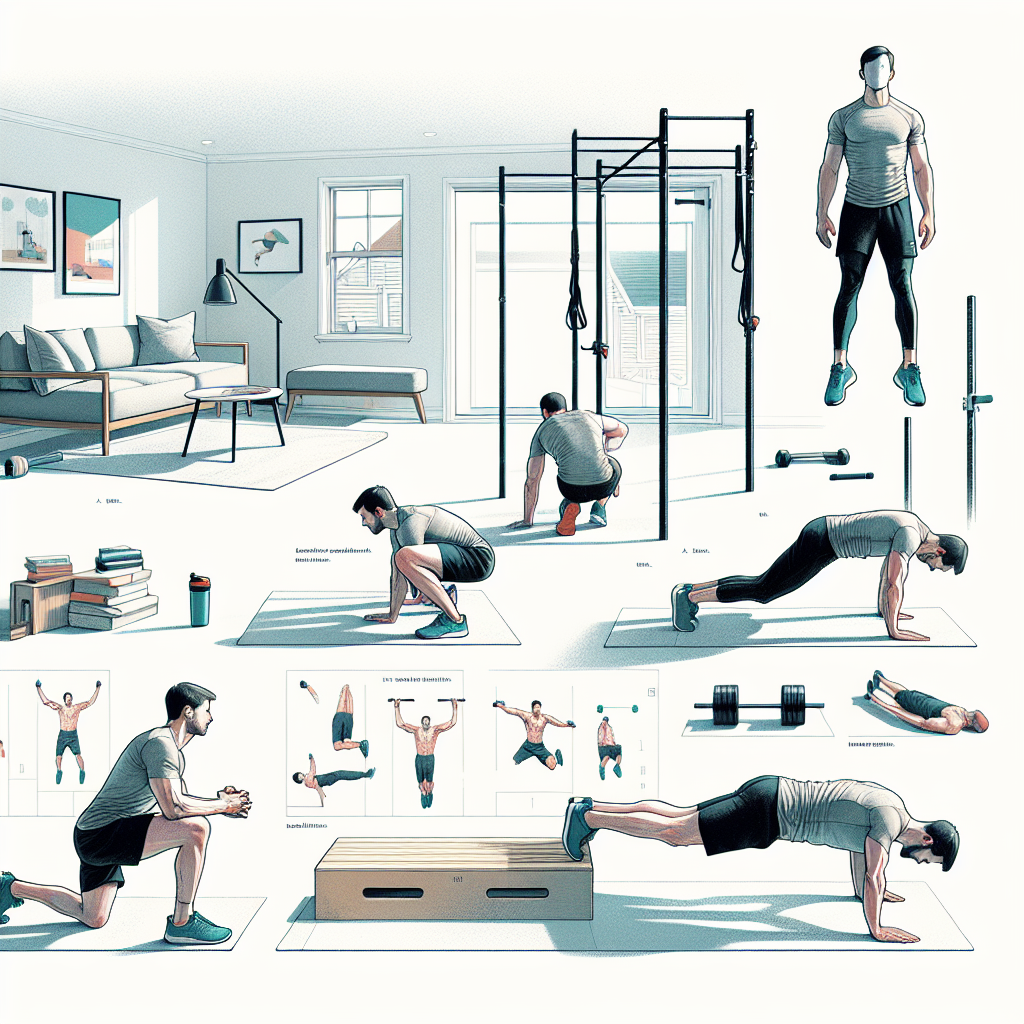
Calisthenics provides an excellent way to engage in physical activity without requiring gym equipment. For beginners, starting a calisthenics routine at home can be both practical and effective, leading to improved strength, flexibility, and overall fitness. In this article, we will outline a beginner-friendly calisthenics workout regime that you can practice from the comfort of your home, all without spending money on equipment. Plus, we will introduce a convenient solution for busy individuals, featuring a 30-day exercise program that only takes six minutes a day yet delivers impressive results.
- What is Calisthenics?
- Benefits of Calisthenics Workouts
- Beginner Home Calisthenics Workout Routine
- When to Consult a Professional
- Common Myths About Calisthenics
- FAQs
- Conclusion
What is Calisthenics?
Calisthenics refers to a form of exercise that utilizes the weight of the body to build strength, flexibility, and endurance. It includes various movements such as push-ups, pull-ups, squats, and planks. Unlike traditional gym workouts that often require specialized equipment, calisthenics emphasizes functional movements, making it accessible to individuals of all fitness levels.
Benefits of Calisthenics Workouts
Engaging in calisthenics offers several significant benefits:
- Enhances Strength: The primary focus is on improving muscle strength and endurance through compound movements.
- Increases Flexibility: Many calisthenics movements promote greater flexibility and range of motion.
- Boosts Cardiovascular Health: High-intensity calisthenics can elevate your heart rate, offering cardiovascular benefits.
- Improves Body Control: Practicing these movements enhances coordination and body awareness.
- Cost-effective: As there is no need for expensive equipment or gym memberships, calisthenics is a cost-effective fitness choice.
Beginner Home Calisthenics Workout Routine
Below is a simple yet effective beginner calisthenics routine that you can perform at home without any equipment. Aim to complete this circuit 2-3 times a week. Always ensure to warm up before starting your workout and cool down afterward.
Warm-Up (5 minutes)
- Arm Circles: 30 seconds
- Leg Swings: 30 seconds each leg
- High Knees: 1 minute
- Dynamic Stretching: Focus on major muscle groups
Workout Circuit
- Push-Ups: 3 sets of 8-10 repetitions
- Bodyweight Squats: 3 sets of 10-12 repetitions
- Plank: Hold for 20-30 seconds, 3 sets
- Lunges: 3 sets of 8-10 repetitions per leg
- Burpees: 3 sets of 5-8 repetitions (for a full-body challenge)
For those looking for an extra layer of accountability or guided routines, consider enrolling in a 30-day exercise program that requires just six minutes of your day. The program is designed to produce results similar to traditional gym workouts, making it a suitable option for busy individuals.
When to Consult a Professional
While calisthenics is generally safe, there are times when professional consultation may be warranted:
- If you experience persistent pain or discomfort during exercises.
- If mobility issues or previous injuries hinder your ability to perform exercises safely.
- If you are unsure about the correct technique or the appropriate level of intensity for your fitness level.
- If you have specific health concerns that may be exacerbated by physical activity.
Common Myths About Calisthenics
Despite the numerous benefits, several misconceptions about calisthenics persist:
- Myth 1: Calisthenics is only for beginners. Fact: Individuals at all fitness levels, including advanced athletes, can benefit from calisthenics.
- Myth 2: You cannot build muscle with calisthenics. Fact: Calisthenics can lead to significant muscle growth through progressive overload and varied exercises.
- Myth 3: It is ineffective for weight loss. Fact: When combined with proper nutrition, calisthenics is an effective weight-loss strategy.
- Myth 4: You need a lot of time to see results. Fact: Short, high-intensity workouts can yield significant results, as shown by the mentioned six-minute program.
FAQs
How often should I perform calisthenics?
For beginners, aim to perform calisthenics 2-3 times per week. As you progress, you can gradually increase the frequency.
What should I wear for a calisthenics workout?
Comfortable, breathable clothing that allows for a full range of motion is recommended. Supportive shoes are also advisable if performing activities with jumping or higher impact.
Can beginners do calisthenics?
Yes, calisthenics is suitable for beginners. Start with basic movements and gradually progress to more complex exercises.
Do I need a warm-up before calisthenics?
Yes, warming up before exercising is essential to prevent injuries and prepare your muscles for the workout.
Can I incorporate calisthenics with other training styles?
Absolutely! Calisthenics can be combined with other training methods, including weight training, yoga, or cardio, to tailor your fitness regimen.
How will I know if I’m progressing?
Strength gains, improved endurance, and increased flexibility are all indicators of progress. Keep a workout journal to track your improvement.
Conclusion
- Calisthenics offers a versatile and effective way to enhance fitness without needing equipment.
- The beginner routine outlined can be easily performed at home, accommodating busy schedules.
- Always listen to your body and consult a professional if you experience pain or uncertainty.
- Dispelling myths about calisthenics can help more individuals embrace this form of exercise.
- For an extra boost, consider the six-minute daily exercise program that provides structured guidance.
If you are ready to embark on your fitness journey, try starting your calisthenics workout routine today and explore the option of the 30-day exercise program for a more structured approach!
Author: John Angel