
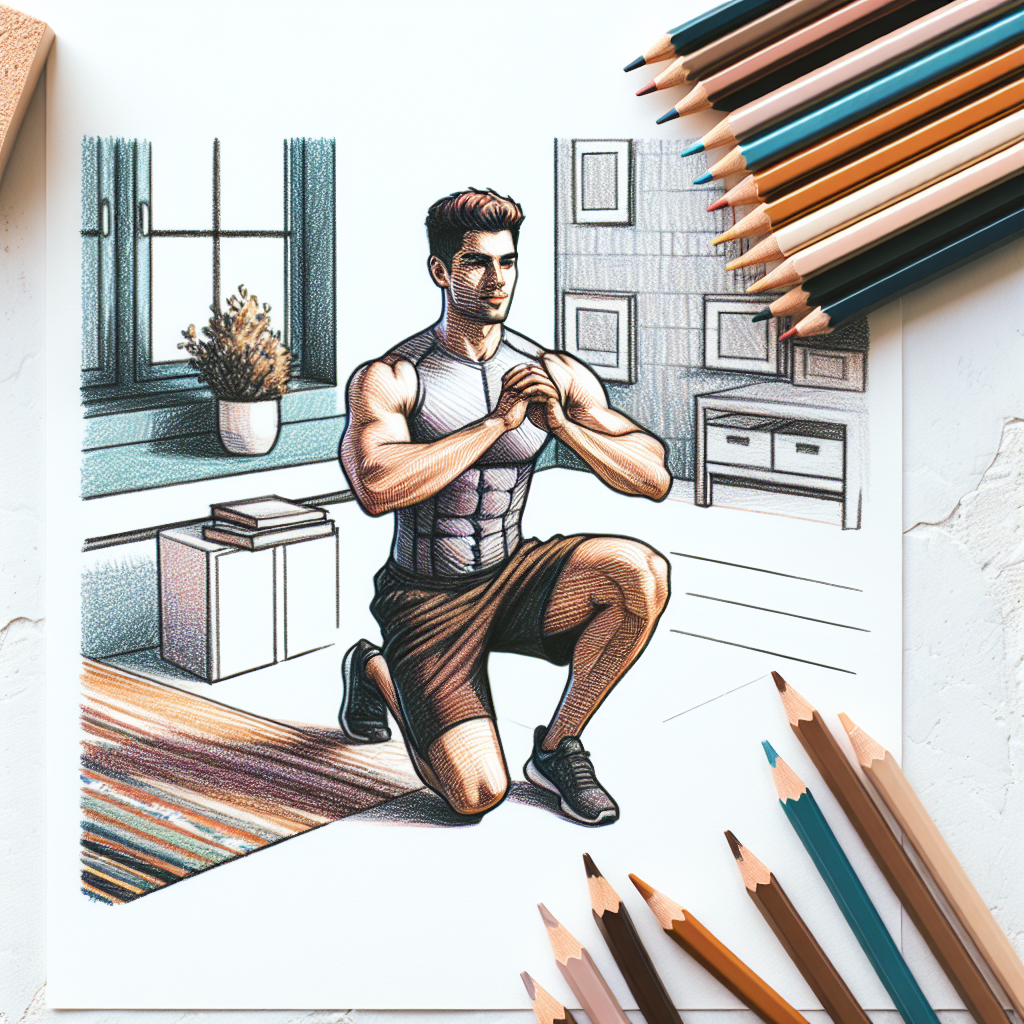
Beginner Calisthenics Workout Without Equipment
Embarking on a fitness journey can often seem daunting, especially for beginners. However, calisthenics offers a practical and accessible solution. By utilizing your own body weight, you can achieve significant strength and flexibility gains without the need for specialized equipment. This article outlines a beginner-friendly calisthenics workout that can be performed anywhere, emphasizing the essential exercises and tips to maximize effectiveness. Additionally, you can explore a simple 30-day exercise program that requires only 6 minutes a day but promises gym-equivalent results. Sign up here.
- Understanding Calisthenics
- Benefits of Bodyweight Training
- Essential Warm-Up
- Beginner Calisthenics Routine
- When to Seek Professional Guidance
- Myths and Common Mistakes
- Frequently Asked Questions
- Conclusion
Understanding Calisthenics
Calisthenics encompasses a range of exercises that utilize body weight for resistance. It is rooted in military training and physical education, making it a powerful means to develop strength, flexibility, and endurance. The beauty of calisthenics lies in its versatility; it can be adapted to suit various fitness levels and can be performed virtually anywhere, from your living room to a park.
Benefits of Bodyweight Training
Engaging in bodyweight exercises presents numerous advantages:
- No Equipment Needed: Frees you from gym memberships and equipment purchases.
- Improved Functional Strength: Builds strength relevant to daily activities.
- Enhanced Flexibility and Mobility: Promotes better movement patterns.
- Accessible for All Levels: Easily modified to suit beginners or advanced athletes.
- Variety and Engagement: Keeps workouts fresh and interesting.
Essential Warm-Up
Before embarking on any fitness routine, a proper warm-up is crucial to prevent injury and prepare your body for exercise. Here are some simple warm-up exercises:
- Jumping Jacks: 2 minutes to elevate your heart rate.
- Arm Circles: 30 seconds in each direction to loosen the shoulders.
- Leg Swings: 30 seconds per leg to mobilize the hip joints.
- Torso Twists: 1 minute to prepare the core.
Beginner Calisthenics Routine
This beginner routine combines strength and endurance exercises that can be performed at home. Aim for two to three sessions per week, allowing at least a day of rest between workouts.
- Push-Ups: 3 sets of 5-10 reps. Adjust the difficulty by performing them on your knees if necessary.
- Bodyweight Squats: 3 sets of 15 reps. Ensure your knees do not extend past your toes.
- Plank: 3 sets, holding for 20-30 seconds. Focus on maintaining a straight line from head to heels.
- Bench Dips: 3 sets of 8-10 reps. Use a sturdy chair or low table.
- Mountain Climbers: 3 sets of 15 reps per leg to elevate heart rate.
As you become more comfortable with these exercises, gradually increase the repetitions or the duration of each hold to continue challenging your body.
When to Seek Professional Guidance
While calisthenics is generally safe for beginners, there are scenarios where consulting with a fitness professional may be beneficial:
- If you experience sharp or persistent pain during exercises.
- If you are recovering from an injury or surgery.
- If you have pre-existing health conditions that affect your ability to exercise.
- If you feel unsure about your form or technique.
- If you want personalized guidance to meet specific fitness goals.
Myths and Common Mistakes
It is important to differentiate fact from fiction when it comes to calisthenics. Here are some common myths:
- Myth: Calisthenics is only for beginners.
- Reality: Calisthenics can be advanced and offers diverse challenges for experienced athletes.
- Myth: You won’t build muscle without weights.
- Reality: Progressive calisthenics can effectively build strength and muscle.
- Myth: All bodyweight exercises are easy.
- Reality: Many bodyweight exercises can be highly challenging when performed correctly.
Frequently Asked Questions
What is calisthenics?
Calisthenics refers to exercises performed using your body weight to develop strength, flexibility, and endurance.
Can I do calisthenics at home?
Yes, calisthenics can be performed anywhere, making it ideal for home workouts.
How often should I do calisthenics?
Aim for two to three sessions per week as a beginner, allowing rest days for recovery.
Aren’t bodyweight exercises too easy?
While some bodyweight exercises are simple, they can be adjusted in intensity and complexity to challenge all fitness levels.
Do I need a warm-up before calisthenics?
Yes, warming up is essential to minimize the risk of injury and prepare your muscles for exercise.
Can I lose weight with calisthenics?
Yes, combined with a balanced diet, calisthenics can contribute to weight loss and improved fitness levels.
Conclusion
- Calisthenics is an accessible and effective workout for all skill levels.
- A consistent routine can lead to improved strength, flexibility, and mobility.
- Warm-up exercises are vital to prevent injury.
- Seek professional advice if you have health concerns or uncertainty regarding your workout.
- Stay informed about myths to maximize your calisthenics experience.
Are you ready to take the first step in your fitness journey? Consider incorporating calisthenics into your routine and explore the option of a 30-day program requiring only 6 minutes a day to see results like a gym goer. Sign up here.
Author: John Angel