
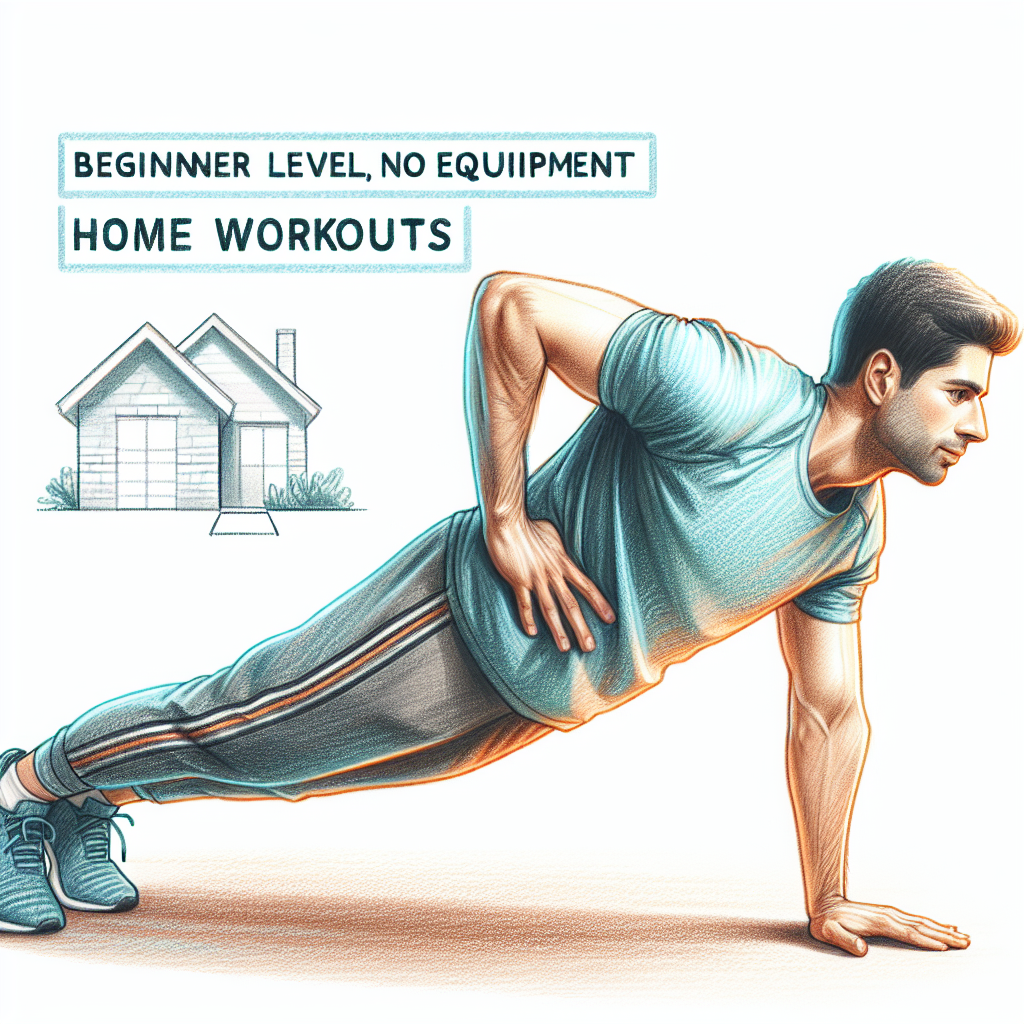
In an increasingly busy world, finding time to exercise can pose a significant challenge. However, engaging in effective workout routines at home without equipment can be both accessible and beneficial. This article outlines beginner-friendly exercises you can perform in the comfort of your home, aimed at enhancing your general well-being and fitness levels. With just a few minutes each day, you can lay the groundwork for a healthier lifestyle.
- Understanding the Benefits of Home Workouts
- Essential Beginner Exercises
- Safety and Proper Form
- Creating a Consistent Routine
- When to Consult a Professional
- Common Myths about Home Exercise
- Frequently Asked Questions
Understanding the Benefits of Home Workouts
Home workouts offer several advantages, particularly for beginners. They eliminate the need for expensive gym memberships and travel time, allowing you to fit exercise into your schedule with ease. Additionally, exercising at home can lead to greater comfort and confidence as you build your fitness level.
Essential Beginner Exercises
Here are some simple yet effective exercises that require no equipment:
- Bodyweight Squats: Stand with feet shoulder-width apart, squat down as if sitting in a chair, and return to standing.
- Push-Ups: Start in a plank position and lower your body until your chest nearly touches the floor, then push back up.
- Lunges: Step forward with one leg, lowering your hips until both knees are bent at about a 90-degree angle.
- Plank: Hold a push-up position, ensuring your body forms a straight line from head to heels.
- Glute Bridges: Lie on your back with knees bent, lift your hips towards the ceiling, and lower back down.
Safety and Proper Form
Proper form is crucial to prevent injuries and maximize effectiveness. Here are some tips:
- Always warm up before starting your exercises.
- Focus on technique, even if it means doing fewer repetitions.
- Engage your core muscles during exercises for stability.
- Cool down and stretch after your workouts to aid recovery.
Creating a Consistent Routine
Consistency is key to any fitness plan. Here’s how you can establish a routine:
- Set specific goals for your workout regime.
- Choose a time that best fits your lifestyle to exercise each day.
- Start with short sessions, like 6 minutes daily, which you can gradually increase.
- If you wish to try a structured approach, consider registering for a free 30-day exercise program where you only exercise for 6 minutes a day but achieve equivalent results to a traditional gym workout. You can sign up here: Register for the 30-Day Program.
- Track your progress to maintain motivation.
When to Consult a Professional
While home workouts are generally safe, certain circumstances warrant professional advice:
- If you experience persistent pain after exercising.
- If you have pre-existing medical conditions or injuries.
- When unsure about the correct form or technique.
- If you feel overwhelmed or unmotivated to continue your routine.
Common Myths about Home Exercise
It is important to debunk common misconceptions surrounding home workouts:
- Myth: You need expensive equipment to get fit.
- Myth: Home workouts are ineffective compared to gym workouts.
- Myth: You need to exercise for at least 30 minutes to see results.
- Myth: Exercising at home is only suitable for beginners.
Frequently Asked Questions
Can I really get fit without any equipment?
Absolutely! Bodyweight exercises are highly effective for building strength, endurance, and flexibility.
How often should I exercise at home?
Aim for at least 3-5 times a week, but even daily short sessions can be beneficial.
What should I do if I feel pain during exercise?
Discontinue the exercise and consult a healthcare professional if the pain persists.
Are there specific warm-up exercises I should do?
Simple movements such as arm circles, leg swings, and gentle torso twists can effectively warm up your muscles.
Can beginners build muscle with bodyweight exercises?
Yes, beginners can build muscle through consistent bodyweight exercises by gradually increasing intensity.
Is a cool down necessary after a home workout?
Yes, cooling down helps your body transition post-exercise and reduces the risk of injury.
Conclusion
- Home workouts provide a convenient and effective way to improve fitness.
- Begin with simple bodyweight exercises that target multiple muscle groups.
- Focus on safety and proper form to prevent injuries.
- Establish a consistent workout routine that fits your schedule.
- Don’t hesitate to seek professional advice when in doubt about your health or exercise technique.
Embrace the journey to fitness by starting today. Consider registering for a free 30-day exercise program to guide your initial efforts. Your future self will thank you.
Author: John Angel