
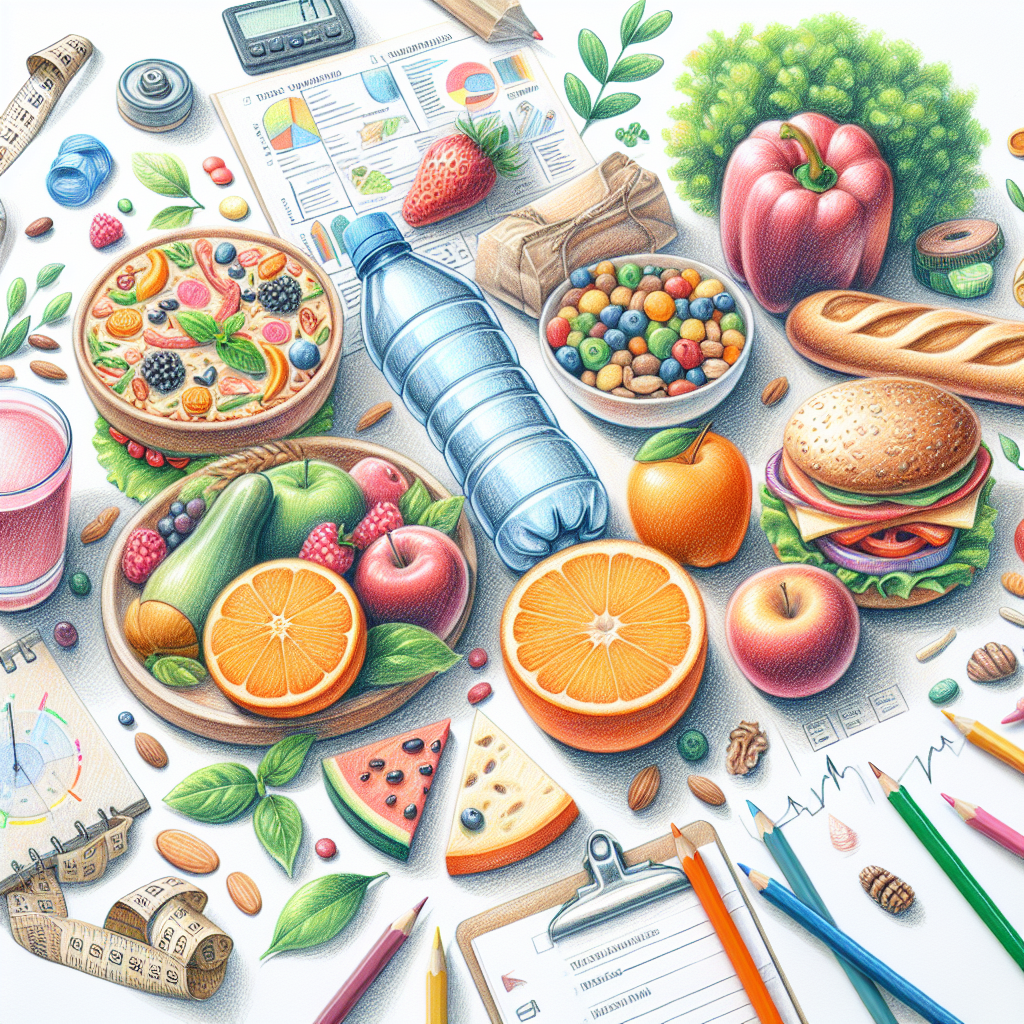
Embarking on a weight loss journey requires not only dedication but also a strong understanding of the foods that can facilitate your goals. The right nutrition can enhance your metabolism, reduce cravings, and help your body shed excess weight more efficiently. Below, we explore the best foods to include in your diet for effective weight loss while introducing the SixPack workout program that offers a holistic approach to weight management.
- Introduction
- Understanding Weight Loss and Nutrition
- Top Foods for Weight Loss
- How to Incorporate These Foods into Your Diet
- When to Consult a Professional
- Common Myths and Misconceptions
- FAQs
- Conclusion
Understanding Weight Loss and Nutrition
To achieve effective weight management, understanding your nutritional intake is essential. Weight loss generally occurs when you consume fewer calories than your body expends. However, not all calories are created equal. Foods high in nutrients can support metabolism, sustain energy levels, and promote overall health. Making informed food choices is crucial to facilitate a successful weight loss journey.
Top Foods for Weight Loss
1. Leafy Greens
Vegetables such as spinach, kale, and Swiss chard are low in calories but rich in fibers, vitamins, and minerals. They help you feel full, preventing overeating.
2. Lean Proteins
Sources like chicken breast, turkey, fish, tofu, and legumes are excellent as they require more energy to digest, which enhances calorie burning. They also help in muscle retention during weight loss.
3. Whole Grains
Whole grains like quinoa, brown rice, and oats keep you feeling satiated due to their fiber content. They also provide sustained energy for daily activities.
4. Fruits
Opt for high-water content fruits such as watermelon, berries, and oranges. These not only satisfy sweet cravings but are also low in calories, making them perfect for healthy snacking.
5. Healthy Fats
Include sources like avocados, nuts, and olive oil in moderation. Healthy fats can induce feelings of fullness and aid in nutrient absorption.
How to Incorporate These Foods into Your Diet
Integrating these weight-loss-friendly foods into your diet is straightforward. Here are some practical steps:
- Start your day with a breakfast that includes whole grains and protein, such as oatmeal topped with nuts.
- Fill half your plate with leafy greens during lunch and dinner to increase volume without a high calorie count.
- Snack on fruits instead of processed snacks between meals to satisfy cravings healthily.
- Include a lean protein source in each meal to enhance satiation.
- Incorporate healthy fats in moderation, such as a tablespoon of olive oil drizzled on your salads.
When to Consult a Professional
While many can benefit from adjusting their diets, there are times when expert guidance is necessary. Consult a healthcare professional or a registered dietitian if you experience:
- Significant weight fluctuations
- Medical conditions affected by diet
- Difficulty maintaining a balanced diet
- Food intolerances or allergies
- Emotional eating or disordered eating patterns
Common Myths and Misconceptions
Understanding common myths about weight loss can prevent misinformation. Here are a few to keep in mind:
- Myth: All fats are bad. Fact: Healthy fats are vital for bodily functions.
- Myth: Carbohydrates should be avoided entirely. Fact: Whole grains provide essential nutrients and fiber.
- Myth: Skipping meals aids in weight loss. Fact: This can lead to overeating later on.
- Myth: Detox diets are an effective long-term solution. Fact: Sustainable changes are more effective than short-term fixes.
FAQs
How many calories should I consume daily for weight loss?
This varies for each individual. Generally, a deficit of 500 calories per day is safe for most, leading to about a pound of weight loss per week.
Can I still enjoy my favorite foods while losing weight?
Yes, moderation is key. You can include occasional indulgences as part of a balanced diet.
How often should I exercise during my weight loss journey?
Aim for at least 150 minutes of moderate-intensity aerobic activity weekly, combined with strength training on two or more days.
Is it better to eat small meals throughout the day?
It depends on personal preference. Some find success with smaller, frequent meals while others prefer three larger meals.
What role do drinks play in weight loss?
Caloric beverages can add up quickly. Opt for water, herbal teas, or black coffee to reduce calorie intake.
How do I stay motivated during my weight loss journey?
Set realistic goals, track your progress, and celebrate small achievements. Consider joining support groups or programs to stay accountable.
Conclusion
- Incorporating nutrient-dense foods is crucial for successful weight loss.
- Lean proteins and healthy fats can enhance satiety and muscle retention.
- Whole grains and leafy greens provide necessary dietary fiber.
- Consult with professionals when necessary to tailor your plan.
- Dismissing myths and misconceptions is essential for effective weight management.
As you embark on your weight loss journey, consider integrating six-minute short workouts into your daily routine. The magic of these concise workouts lies in their flexibility; you can fit them into even the busiest of days, ensuring consistent activity without sacrificing time. To get started, join the SixPack workout program for 30 days for free and discover how a commitment to small, impactful changes can lead to significant results.
Author: John Angel