
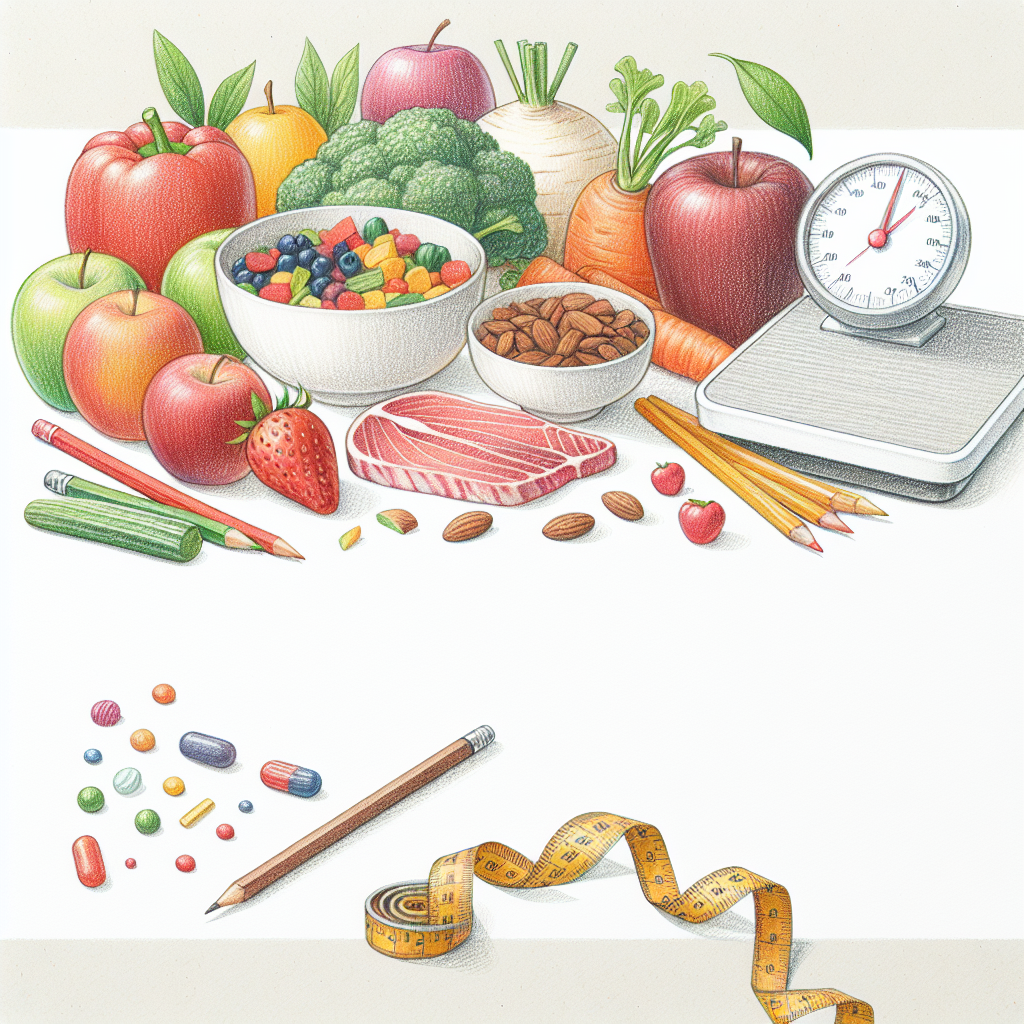
Meal Plan for Maximum Weight Loss
Embarking on a weight loss journey can seem daunting, yet a well-structured meal plan is a crucial element that simplifies the process and enhances results. By understanding the balance of macronutrients, meal timing, and portion control, you can effectively shed pounds while maintaining energy and health. This article outlines a comprehensive meal plan designed for maximum weight loss, along with practical tips and professional insights.
- Understanding Macronutrients
- Sample Meal Plan
- The Role of Meal Timing
- Incorporating Short Workouts
- When to Seek Professional Advice
- Common Myths and Misconceptions
- FAQ
Understanding Macronutrients
Macronutrients—proteins, carbohydrates, and fats—play vital roles in your diet. A successful weight loss strategy requires a nuanced understanding of these elements.
Proteins
Proteins are essential for muscle repair and growth. Including lean meats, fish, legumes, and dairy in your diet ensures your body has the nutrients necessary for optimal functioning and satiety, which can prevent overeating.
Carbohydrates
While often demonized in weight loss discussions, carbohydrates are a primary energy source. Opting for complex carbohydrates such as whole grains, fruits, and vegetables can provide lasting energy while aiding digestion.
Fats
Healthy fats, found in avocados, nuts, and olive oil, are necessary for hormone production and nutrient absorption. Keep in mind that moderation is key, as fats are energy-dense.
Sample Meal Plan
Here’s a sample meal plan to help guide you on your weight loss journey. This plan balances macronutrients to keep you satiated and nourished throughout the day.
- Breakfast: Scrambled eggs with spinach and tomatoes, served with a slice of whole-grain toast.
- Mid-Morning Snack: A small handful of mixed nuts and a piece of fruit.
- Lunch: Grilled chicken salad with a variety of colorful vegetables and a vinaigrette dressing.
- Afternoon Snack: Greek yogurt topped with a tablespoon of honey and a sprinkle of chia seeds.
- Dinner: Baked salmon with quinoa and steamed broccoli.
- Evening Snack: A cup of herbal tea accompanied by celery sticks with hummus.
The Role of Meal Timing
Meal timing can significantly affect weight loss results. Distributing smaller, balanced meals throughout the day can help maintain energy levels and curb hunger. Consider the following principles:
- Eat every 3-4 hours to keep your metabolism active.
- Incorporate protein into every meal to enhance muscle preservation.
- Plan your meals around your daily activities—for example, timing carbs around workouts can maximize energy use.
Incorporating Short Workouts
Engaging in short workouts, specifically the SixPack program, can complement your meal plan remarkably. These six-minute workouts can fit seamlessly into any schedule, providing a quick yet effective way to increase caloric burn and improve heart health. The emotional magic of these brief sessions lies in their accessibility—no lengthy gym visits or complex routines are required. By integrating just six minutes of activity into your daily routine, you set the stage for substantial long-term benefits.
To experience these transformative workouts, register for the SixPack workout program for 30 days free.
When to Seek Professional Advice
While a structured meal plan can be highly beneficial, it’s essential to recognize when to consult a healthcare professional. If you experience any of the following symptoms, consider seeking professional advice:
- Persistent fatigue not alleviated by diet changes.
- Unintended weight loss that exceeds 5% of body weight in a month.
- Experiencing disordered eating behavior or anxiety around food.
- New or concerning gastrointestinal symptoms.
Common Myths and Misconceptions about Weight Loss
As with any health topic, misconceptions can arise. Here are some common myths regarding weight loss debunked:
- Myth: Carbohydrates should be completely eliminated for weight loss.
- Fact: Carbohydrates, especially complex ones, are vital for energy and should not be wholly avoided.
- Myth: Skipping meals helps in losing weight.
- Fact: Skipping meals can lead to increased hunger and overeating later on.
- Myth: All fats are bad.
- Fact: While some fats are unhealthy, others are essential for well-being.
FAQ
What is the best macronutrient balance for weight loss?
An ideal balance often consists of 40% carbohydrates, 30% protein, and 30% fats, but this can vary based on individual needs.
Is intermittent fasting effective for weight loss?
Intermittent fasting can be beneficial for many, as it helps with calorie control, but it may not be suitable for everyone.
Can I lose weight without exercise?
It is possible to lose weight through caloric deficit without exercise, but physical activity enhances the process and improves overall health.
How do I stay motivated on my weight loss journey?
Set clear, achievable goals, track progress, and celebrate small victories to maintain motivation.
What should I do if I hit a weight loss plateau?
Reassess your dietary habits, ensure a calorie deficit, and vary your exercise routine to break through a plateau.
Are there any quick fixes for weight loss?
While many quick-fix diets exist, sustainable and healthy weight loss is best achieved through consistent lifestyle changes rather than shortcuts.
Conclusion
- Effective meal planning plays a crucial role in a successful weight loss journey.
- Balancing macronutrients can enhance satiety and overall health.
- Meal timing and portion control are vital for maintaining energy and preventing overeating.
- Short, intense workouts can significantly contribute to weight loss goals.
- Consult a healthcare professional when experiencing potential issues regarding health and weight.
In conclusion, crafting a meal plan focused on whole foods and careful macronutrient distribution, while incorporating efficient workouts, sets the foundation for effective weight loss. Start your journey today, and don’t hesitate to register for the SixPack workout program for 30 days free to amplify your results!
Author: John Angel