Categories
Fitness

Daily Exercise Without Equipment: Simple Routines for Everyone

Daily Exercise Without Equipment: Unlocking Your Potential

In our fast-paced world, finding the time and resources to engage in regular exercise can be a significant challenge. However, the good news is that you can achieve substantial health benefits through short, effective workouts that require no special equipment. This article will guide you through the many advantages of daily exercise without equipment, outline simple routines you can implement, and provide tips to maintain your commitment.

  • Understanding the Importance of Daily Exercise
  • Simple Daily Routines You Can Start Today
  • Benefits of Exercising Without Equipment
  • Recognizing When to Seek Professional Advice
  • Myths and Misconceptions About Bodyweight Training
  • Frequently Asked Questions
  • Conclusion & Call to Action

Understanding the Importance of Daily Exercise

Engaging in daily exercise not only improves physical health but also has profound effects on mental well-being. Regular physical activity can enhance mood, boost energy levels, and promote better sleep. Furthermore, it plays a critical role in managing weight and reducing the risk of chronic diseases. Committing to even a short daily session can therefore yield considerable health dividends.

Simple Daily Routines You Can Start Today

Implementing a daily exercise regime without the need for equipment can be both effective and convenient. Here are some straightforward routines to consider:

  • Bodyweight Squats: Great for strengthening the legs and glutes. Aim for 10-15 repetitions.
  • Push-ups: An effective upper body exercise. Start with 5-10 repetitions, modifying by doing them on your knees if necessary.
  • Planks: Excellent for core stability. Hold for 20-30 seconds, gradually increasing the duration as you progress.
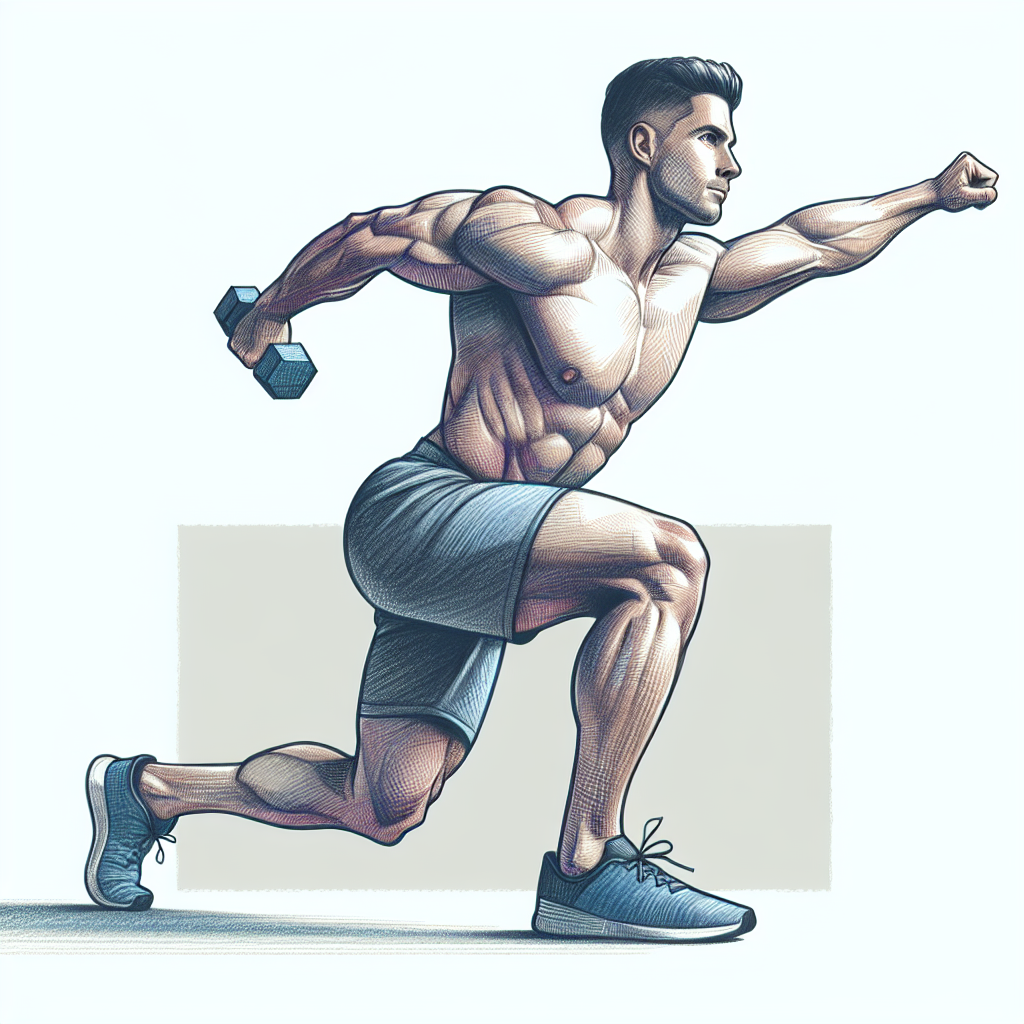
  • Lunges: Targeting your lower body, perform 10 lunges on each leg.
  • Jumping Jacks: A great cardiovascular exercise. Aim for 30 seconds to get your heart rate up.

If you struggle to find time, consider a 30-day exercise program where you only dedicate 6 minutes daily to achieve results comparable to a gym workout. Get started here: Free 30-Day Exercise Program.

Benefits of Exercising Without Equipment

The advantages of bodyweight exercises extend well beyond their convenience. Some key benefits include:

  • Accessibility: No need for a gym membership or special equipment.
  • Flexibility: You can exercise anywhere—at home, in the park, or while traveling.
  • Improved Functional Strength: Training with your body weight enhances mobility and strengthens muscles for everyday tasks.
  • Cost-Effective: You save money while not compromising on workout quality.
  • Versatility: Numerous exercises can target various muscle groups, preventing workout monotony.

Recognizing When to Seek Professional Advice

While daily exercise can be beneficial for most individuals, certain circumstances may warrant consulting a healthcare professional, including:

  • Experiencing significant pain during or after exercise.
  • Having pre-existing medical conditions that may be aggravated by physical activity.
  • Noticing unusual changes in your physical condition or health status.
  • Seeking guidance on a specific exercise program tailored to your needs.

Myths and Misconceptions About Bodyweight Training

Despite its advantages, several myths surround bodyweight training. Common misconceptions include:

  • It’s Not Intense: Many believe bodyweight exercises lack intensity, but with the right approach, they can be highly effective.
  • You Can’t Build Muscle: Bodyweight exercises can indeed build strength and muscle mass when performed correctly and progressively.
  • All You Need is Cardio: While cardiovascular exercises are important, strength training should not be overlooked for overall fitness.
  • Bodyweight Workouts Are Boring: With countless variations and combinations, these workouts can be varied and engaging.

Frequently Asked Questions

Can I lose weight with bodyweight exercises?

Yes, when combined with a balanced diet, bodyweight exercises can aid in weight management and fat loss.

How long should I exercise daily?

Even 6 minutes of focused bodyweight exercises can yield benefits, but aiming for 20-30 minutes is ideal for comprehensive fitness.

Is it better to work out in the morning or evening?

The best time to work out is when it fits your schedule and when you feel most energetic.

Can beginners do bodyweight exercises?

Absolutely! Bodyweight exercises can be modified for different fitness levels, making them suitable for beginners.

How do I maintain motivation for daily workouts?

Setting specific goals, keeping a workout journal, and finding a partner can enhance motivation.

Should I warm up before starting an exercise routine?

Yes, warming up is essential to prepare your muscles and prevent injury.

Conclusion & Call to Action

  • Daily exercise can significantly improve health and well-being.
  • You don’t need special equipment to achieve an effective workout.
  • Bodyweight exercises are versatile and can be tailored to suit various fitness levels.
  • Recognize when to consult a professional to ensure safe and effective exercise practices.
  • Dispelling myths around bodyweight training can empower you to pursue your fitness goals confidently.

Embarking on a fitness journey without the need for equipment is not only achievable but can yield impressive results. Start your 30-day exercise program today without the commitment of a gym membership by visiting this link.

Author: John Angel

Related articles

Categories
Fitness

Effective Leg Workouts at Home Without Weights

Leg Workouts at Home Without Weights

Embracing a fitness routine that focuses on leg workouts at home without weights can significantly enhance your lower body strength, improve balance, and boost overall physical performance. Such exercises are not only effective but also accessible to individuals of any fitness level. Additionally, dedicating just a few minutes each day can yield impressive results, akin to attending a gym. To help you embark on this journey, consider registering for a 30-day exercise program where you’ll only exercise for 6 minutes daily.

  • Importance of Leg Workouts
  • Effective Bodyweight Exercises
  • Creating a Routine
  • Addressing Common Myths
  • When to Consult a Professional
  • Frequently Asked Questions
  • Conclusion

Importance of Leg Workouts

The legs house some of the largest muscle groups in the body, including the quadriceps, hamstrings, and calves. Regularly engaging these muscles not only enhances strength but also contributes to overall stability and endurance. Strong legs facilitate better performance in various physical activities, from walking to running, and even in daily tasks. Moreover, robust leg muscles promote a healthy metabolism and can aid in weight management.

Effective Bodyweight Exercises for the Legs

There are numerous bodyweight exercises that can effectively target the leg muscles. Below are some highly effective exercises to incorporate into your routine:

  • Squats: Stand with feet shoulder-width apart, lower your hips back and down as if sitting in a chair, then return to standing.
  • Lunges: Step forward with one leg, bending both knees to about 90 degrees before pushing back to the starting position. Alternate legs.
  • Step-Ups: Using a sturdy surface, step up with one foot, bringing the other foot to meet it, and step back down. Alternate feet.
  • Wall Sits: Lean against a wall with your back, slide down until your thighs are parallel to the ground, and hold the position.
  • Calf Raises: Stand with feet shoulder-width apart and raise your heels off the ground, then lower back down.

Creating a Routine

To achieve optimal results from your leg workouts, consistency is key. Here’s how to structure an effective weekly routine:

  1. Start with a warm-up (5 minutes of light cardio or dynamic stretching).
  2. Incorporate 20-30 minutes of bodyweight leg exercises, alternating between different movements.
  3. Focus on form to ensure that you’re maximizing effectiveness while minimizing the risk of injury.
  4. End with a cool-down (5 minutes of static stretches focusing on the legs).
  5. Aim to work out at least three times a week, gradually increasing the intensity and duration as you become stronger.

Addressing Common Myths

Myths surrounding bodyweight training and leg workouts can sometimes undermine their effectiveness. Here are some common misconceptions:

  • Myth 1: Bodyweight exercises are only for beginners.
  • Myth 2: You need weights to see results.
  • Myth 3: Leg workouts should only focus on the quadriceps.
  • Myth 4: You cannot build muscle without a gym.

In reality, bodyweight exercises are effective for practitioners of all levels and can build both strength and endurance without the need for equipment.

When to Consult a Professional

It is important to recognize when you may need professional guidance in your fitness journey. You should consider consulting a qualified fitness trainer or healthcare professional if you experience:

  • Persistent pain during or after exercising.
  • Injuries that do not improve with rest and care.
  • Significant discomfort while performing standard exercises.
  • Medical conditions that could affect your ability to exercise safely.

Seeking guidance ensures you adopt the best practices for safe and effective training.

Frequently Asked Questions

How often should I perform leg workouts at home without weights?

Aim for at least three times a week to maximize muscle engagement and recovery.

Can bodyweight exercises help in building muscle mass?

Yes, bodyweight exercises can effectively build muscle, especially when performed at high intensity and with proper progression.

How do I stay motivated to complete my workouts?

Set realistic goals, track your progress, and consider joining a fitness community for support and encouragement.

Is it necessary to warm up before workouts?

Yes, warming up prepares your body for exercise, reducing the risk of injury and improving performance.

What should I do if I experience pain during an exercise?

Stop the exercise immediately to assess the cause of the pain, and consult a professional if the discomfort persists.

Are leg workouts sufficient for overall fitness?

While leg workouts are essential, a balanced fitness routine should also include exercises targeting the upper body, core, and cardiovascular health.

Conclusion

  • Understanding the importance of leg workouts for overall physical health.
  • Implementing effective bodyweight exercises into your routine.
  • Creating a structured workout schedule promotes consistency.
  • Separating fact from fiction concerning bodyweight training myths.
  • Recognizing when to seek professional help for injuries or pain.

Incorporating leg workouts at home without weights can be both effective and rewarding. Start today with just a few minutes of focused exercise. Consider registering for the free 30-day exercise program to enhance your routine further. Every journey begins with a single step—take your first step towards better fitness today!

Author: John Angel

Related articles

Categories
Fitness

Effective Home Strength Training Without Equipment

Strength Training at Home Without Equipment

Strength training is a vital component of personal fitness, proving essential for muscle building, weight management, and overall health. The great news is, you don’t need a gym or expensive equipment to get started. Strength training at home, utilizing just your body weight, can be incredibly effective. By dedicating a mere six minutes each day, you can achieve results equivalent to traditional gym workouts. If you’re curious about a simple program, consider registering for a 30-day exercise program designed for busy individuals.

  • Understanding Bodyweight Exercises
  • Key Benefits of Home Strength Training
  • Practical Steps to Start
  • Common Misconceptions
  • When to Seek Professional Guidance
  • Frequently Asked Questions

Understanding Bodyweight Exercises

Bodyweight exercises utilize your own weight as resistance to build strength and endurance. Common examples include push-ups, squats, lunges, and planks. These movements are not merely alternatives to weights; they target multiple muscle groups, promote stability, and enhance functional fitness. The beauty of bodyweight exercises lies in their versatility; they can be modified to cater to different fitness levels, making them accessible for beginners and challenging for more advanced individuals.

Key Benefits of Home Strength Training

Engaging in strength training at home offers numerous advantages:

  • Cost-Effective: Eliminates the need for gym memberships or equipment purchases.
  • Convenience: Exercise on your schedule without the need to travel to a gym.
  • Time-Efficient: Short, effective workouts can fit into even the busiest of days.
  • Enhanced Flexibility: Choose your workout location and time, making it easier to stick to a routine.
  • Improved Confidence: Build strength in the comfort of your own home.

Practical Steps to Start

To embark on your at-home strength training journey, follow these actionable steps:

  1. Set Clear Goals: Determine what you wish to achieve—whether it’s muscle gain, weight loss, or overall fitness.
  2. Develop a Schedule: Allocate specific days and times to ensure consistency and dedication.
  3. Choose Your Exercises: Incorporate a variety of bodyweight exercises such as:
  • Push-ups
  • Squats
  • Lunges
  • Planks
  • Burpees
  • Progress Gradually: Start with basic variations and gradually increase the intensity or complexity as you become stronger.
  • Incorporate Rest Days: Allow time for recovery to prevent injury and allow muscles to rebuild.
  • Monitor Your Progress: Track your workouts to adjust your regimen as necessary and maintain motivation.
  • When to Seek Professional Guidance

    While home strength training can yield excellent results, there are instances where consultation with a qualified professional is advisable:

    • If you experience persistent pain or discomfort during exercises.
    • When you are recovering from an injury or have a pre-existing health condition.
    • To ensure correct form and technique, especially if you are new to strength training.
    • If you aim to advance your training routine and want tailored advice.

    Common Misconceptions About Bodyweight Training

    Despite the growing popularity of bodyweight exercises, several myths persist, potentially hindering individuals from harnessing their benefits:

    • Myth 1: Bodyweight exercises are only for beginners. Fact: They can be adapted for any fitness level.
    • Myth 2: Bodyweight training is less effective than weightlifting. Fact: It builds muscle and improves functional strength.
    • Myth 3: You need to spend hours exercising to see results. Fact: Short, high-intensity workouts can be equally effective.
    • Myth 4: Only cardio helps with weight loss. Fact: Strength training boosts metabolism, aiding in weight management.

    Frequently Asked Questions

    How often should I do bodyweight exercises?

    It is recommended to perform strength training exercises at least two to three times a week for optimal results.

    Are bodyweight exercises enough for muscle building?

    Yes, bodyweight exercises can effectively build muscle, especially when performed in varied movements and intensities.

    What are the best bodyweight exercises for beginners?

    Push-ups, bodyweight squats, lunges, and planks are excellent starting points for beginners.

    Can I combine bodyweight training with cardio?

    Absolutely! Combining both forms of exercise can enhance overall fitness and accelerate weight loss.

    How long should I rest between sets?

    Aresting period of 30 to 60 seconds between sets is generally effective for maintaining intensity.

    Do I need to warm up before starting strength training?

    Yes, warming up before your workout is essential to prevent injuries and prepare your muscles for the activities ahead.

    Conclusion

    • Strength training at home is both effective and accessible.
    • Bodyweight exercises help build muscle, improve endurance, and enhance functional fitness.
    • Consistency and gradual progression are key to achieving desired results.
    • Consult a professional if you encounter pain or seek advanced techniques.
    • Debunking myths surrounding bodyweight training can encourage more people to start their fitness journey.

    Now is the perfect time to begin your home strength training journey. With just a few dedicated minutes each day, you can build strength and enhance your overall well-being. Consider signing up for the 30-day exercise program for a structured approach that fits into your life.

    Author: John Angel

    Related articles

    Categories
    Weight Loss

    Effective Meal Plan for Optimal Weight Loss

    Meal Plan for Maximum Weight Loss

    Embarking on a weight loss journey can seem daunting, yet a well-structured meal plan is a crucial element that simplifies the process and enhances results. By understanding the balance of macronutrients, meal timing, and portion control, you can effectively shed pounds while maintaining energy and health. This article outlines a comprehensive meal plan designed for maximum weight loss, along with practical tips and professional insights.

    • Understanding Macronutrients
    • Sample Meal Plan
    • The Role of Meal Timing
    • Incorporating Short Workouts
    • When to Seek Professional Advice
    • Common Myths and Misconceptions
    • FAQ

    Understanding Macronutrients

    Macronutrients—proteins, carbohydrates, and fats—play vital roles in your diet. A successful weight loss strategy requires a nuanced understanding of these elements.

    Proteins

    Proteins are essential for muscle repair and growth. Including lean meats, fish, legumes, and dairy in your diet ensures your body has the nutrients necessary for optimal functioning and satiety, which can prevent overeating.

    Carbohydrates

    While often demonized in weight loss discussions, carbohydrates are a primary energy source. Opting for complex carbohydrates such as whole grains, fruits, and vegetables can provide lasting energy while aiding digestion.

    Fats

    Healthy fats, found in avocados, nuts, and olive oil, are necessary for hormone production and nutrient absorption. Keep in mind that moderation is key, as fats are energy-dense.

    Sample Meal Plan

    Here’s a sample meal plan to help guide you on your weight loss journey. This plan balances macronutrients to keep you satiated and nourished throughout the day.

    1. Breakfast: Scrambled eggs with spinach and tomatoes, served with a slice of whole-grain toast.
    2. Mid-Morning Snack: A small handful of mixed nuts and a piece of fruit.
    3. Lunch: Grilled chicken salad with a variety of colorful vegetables and a vinaigrette dressing.
    4. Afternoon Snack: Greek yogurt topped with a tablespoon of honey and a sprinkle of chia seeds.
    5. Dinner: Baked salmon with quinoa and steamed broccoli.
    6. Evening Snack: A cup of herbal tea accompanied by celery sticks with hummus.

    The Role of Meal Timing

    Meal timing can significantly affect weight loss results. Distributing smaller, balanced meals throughout the day can help maintain energy levels and curb hunger. Consider the following principles:

    • Eat every 3-4 hours to keep your metabolism active.
    • Incorporate protein into every meal to enhance muscle preservation.
    • Plan your meals around your daily activities—for example, timing carbs around workouts can maximize energy use.

    Incorporating Short Workouts

    Engaging in short workouts, specifically the SixPack program, can complement your meal plan remarkably. These six-minute workouts can fit seamlessly into any schedule, providing a quick yet effective way to increase caloric burn and improve heart health. The emotional magic of these brief sessions lies in their accessibility—no lengthy gym visits or complex routines are required. By integrating just six minutes of activity into your daily routine, you set the stage for substantial long-term benefits.

    To experience these transformative workouts, register for the SixPack workout program for 30 days free.

    When to Seek Professional Advice

    While a structured meal plan can be highly beneficial, it’s essential to recognize when to consult a healthcare professional. If you experience any of the following symptoms, consider seeking professional advice:

    • Persistent fatigue not alleviated by diet changes.
    • Unintended weight loss that exceeds 5% of body weight in a month.
    • Experiencing disordered eating behavior or anxiety around food.
    • New or concerning gastrointestinal symptoms.

    Common Myths and Misconceptions about Weight Loss

    As with any health topic, misconceptions can arise. Here are some common myths regarding weight loss debunked:

    • Myth: Carbohydrates should be completely eliminated for weight loss.
    • Fact: Carbohydrates, especially complex ones, are vital for energy and should not be wholly avoided.
    • Myth: Skipping meals helps in losing weight.
    • Fact: Skipping meals can lead to increased hunger and overeating later on.
    • Myth: All fats are bad.
    • Fact: While some fats are unhealthy, others are essential for well-being.

    FAQ

    What is the best macronutrient balance for weight loss?

    An ideal balance often consists of 40% carbohydrates, 30% protein, and 30% fats, but this can vary based on individual needs.

    Is intermittent fasting effective for weight loss?

    Intermittent fasting can be beneficial for many, as it helps with calorie control, but it may not be suitable for everyone.

    Can I lose weight without exercise?

    It is possible to lose weight through caloric deficit without exercise, but physical activity enhances the process and improves overall health.

    How do I stay motivated on my weight loss journey?

    Set clear, achievable goals, track progress, and celebrate small victories to maintain motivation.

    What should I do if I hit a weight loss plateau?

    Reassess your dietary habits, ensure a calorie deficit, and vary your exercise routine to break through a plateau.

    Are there any quick fixes for weight loss?

    While many quick-fix diets exist, sustainable and healthy weight loss is best achieved through consistent lifestyle changes rather than shortcuts.

    Conclusion

    • Effective meal planning plays a crucial role in a successful weight loss journey.
    • Balancing macronutrients can enhance satiety and overall health.
    • Meal timing and portion control are vital for maintaining energy and preventing overeating.
    • Short, intense workouts can significantly contribute to weight loss goals.
    • Consult a healthcare professional when experiencing potential issues regarding health and weight.

    In conclusion, crafting a meal plan focused on whole foods and careful macronutrient distribution, while incorporating efficient workouts, sets the foundation for effective weight loss. Start your journey today, and don’t hesitate to register for the SixPack workout program for 30 days free to amplify your results!

    Author: John Angel

    Related articles

    Categories
    Weight Loss

    Effective Strategies for Daily Weight Loss

    In today’s fast-paced world, the quest for efficient weight loss solutions often leads individuals to seek immediate results. While considerable weight loss in one day may not be realistically achievable, certain strategies can facilitate noticeable changes and invigorate your weight loss journey. This article delves into practical insights and methods that can enhance your progress and boost your motivation.

    • Understanding Weight Loss Fundamentals
    • The Role of Short Workouts
    • Practical Steps for Daily Weight Loss
    • When to Consult a Professional
    • Common Myths and Misconceptions
    • Frequently Asked Questions
    • Conclusion

    Understanding Weight Loss Fundamentals

    Weight loss fundamentally revolves around the concept of calorie deficit — burning more calories than you consume. While the science of weight management is complex, even minor lifestyle changes can lead to significant improvements over time.

    It’s crucial to keep in mind that instant results can be misleading. Focus instead on sustainable habits that compound over time, leading to healthier choices and a better relationship with your body.

    The Role of Short Workouts

    Engaging in short, intense workouts has gained popularity in recent years, thanks to their effectiveness in rapidly boosting metabolism and burning fat. The magic of six-minute workouts lies not only in their brevity but also in their ability to fit seamlessly into a busy schedule.

    These short bursts of exercise can enhance cardiovascular health, improve muscle tone, and elevate mood, making them an ideal method to progress on your weight loss journey. A consistent routine will maximize your energy levels, promoting a healthier lifestyle overall.

    Practical Steps for Daily Weight Loss

    To see tangible weight loss results even in a single day, consider the following actionable strategies:

    1. Hydrate Daily: Drink at least eight glasses of water. Staying hydrated not only curbs hunger but also aids in digestion.
    2. Incorporate Short Workouts: Participate in the SixPack workout program for 30 days for free and experience how six-minute exercises can fit into your routine.
    3. Mind Your Portions: Eating smaller portions can prevent overeating while allowing you to enjoy a variety of foods.
    4. Focus on Nutrient-Dense Foods: Prioritize fruits, vegetables, lean proteins, and whole grains, which offer high nutrition with fewer calories.
    5. Limit Sugary Beverages: Replace sodas and high-calorie drinks with water or herbal teas to reduce overall calorie intake.

    When to Consult a Professional

    While many individuals can successfully pursue weight loss on their own, there are instances when professional guidance is necessary. Seek advice from a registered dietitian or a healthcare provider if you experience:

    • Significant health issues or medical conditions
    • Severe emotional distress related to weight or body image
    • Unexplained weight loss or gain
    • Struggles to adhere to a program

    Common Myths and Misconceptions

    There are several myths surrounding weight loss that can hinder your journey. Understanding these common misconceptions can empower you to make informed choices:

    • Myth 1: You must exercise for hours every day to lose weight. Reality: Effective strategies can include short, focused bursts of activity.
    • Myth 2: Carbohydrates are the enemy. Reality: Whole grains and complex carbohydrates are essential for overall health.
    • Myth 3: Weight loss should occur rapidly. Reality: Sustainable weight management takes time and patience.

    Frequently Asked Questions

    Can I lose weight in just one day?

    While significant weight loss in a single day is challenging, minor reductions can be achieved through fluid loss and temporary dietary adjustments.

    Are short workouts effective for weight loss?

    Yes, brief but high-intensity workouts can enhance calorie burn and metabolism, making them effective for weight loss.

    How much water should I drink daily?

    Experts commonly recommend at least eight cups (64 ounces) daily, but individual needs may vary.

    Can I lose weight without exercising?

    While exercise is beneficial, dietary changes alone can also lead to weight loss.

    What should I eat to start a weight loss journey?

    Focus on whole foods like fruits, vegetables, lean proteins, and whole grains for balanced nutrition.

    Is consulting a nutritionist worth it?

    A nutritionist can provide personalized guidance, making it easier to navigate your weight loss journey effectively.

    Conclusion

    • Weight loss requires a calorie deficit, but sustainable changes are crucial.
    • Short workouts can significantly enhance your fitness routine and fit into busy schedules.
    • Practical strategies like hydration and balanced meals contribute to daily weight loss.
    • Consulting a professional can be beneficial for tailored advice.
    • Understanding myths around weight loss empowers smarter choices.

    As you embark on your weight loss journey, remember that small, consistent steps can pave the way to meaningful results. If you are ready to take the next step, explore the benefits of a robust workout with our free 30-day SixPack workout program. Embrace the power of short workouts today!

    Author: John Angel

    Related articles

    Categories
    Fitness

    Effective Strategies for Successful Weight Loss

    Embarking on a weight loss journey often feels like an uphill battle. The pursuit of shedding those stubborn pounds may seem daunting, but understanding effective strategies can significantly ease the process. Integrating short, six-minute workouts into your daily routine can yield surprising benefits, transforming your approach to fitness and weight management. This article will explore practical tips for effective weight loss and highlight how these brief yet potent workouts can fit seamlessly into your life.

    • Introduction to Weight Loss Strategies
    • The Power of Six-Minute Workouts
    • Essential Steps for a Successful Weight Loss Journey
    • Consulting Professionals When Necessary
    • Common Myths About Weight Loss
    • Frequently Asked Questions
    • Conclusion and Next Steps

    The Power of Six-Minute Workouts

    In the hustle and bustle of modern life, finding time to exercise can be a challenge. However, six-minute workouts offer a revolutionary solution. These short bursts of intense activity can elevate your heart rate, boost metabolism, and improve overall fitness without requiring a major time commitment. The magic lies in their simplicity and adaptability; you can perform them anywhere — at home, in the office, or even outdoors — thus fitting seamlessly into various daily routines.

    Benefits of Six-Minute Workouts

    • Time Efficient: Ideal for busy schedules.
    • Improved Metabolism: Helps maintain a higher metabolism long after the workout.
    • Accessibility: No equipment is necessary; great for home workouts.
    • Increased Energy: Quick bursts can revitalize your day.
    • Boosted Mood: Endorphin release contributes to mental well-being.

    Essential Steps for a Successful Weight Loss Journey

    Embarking on your weight loss journey can be approached through strategic planning and realistic goal-setting. Below are essential steps to consider:

    1. Set Clear Goals: Define specific, measurable, and attainable objectives.
    2. Create a Balanced Diet Plan: Focus on whole foods, including fruits, vegetables, lean proteins, and whole grains.
    3. Incorporate Regular Exercise: Include six-minute workouts into your routine and gradually increase duration and intensity.
    4. Monitor Progress: Keep track of your achievements and challenges to stay motivated.
    5. Stay Hydrated: Drink plenty of water to support metabolism and overall health.
    6. Stay Connected: Consider joining supportive communities or programs that encourage healthy habits.

    For those looking to kickstart their fitness journey, be sure to explore our free 30-day SixPack workout program, offering well-structured six-minute workouts designed for effective results.

    Consulting Professionals When Necessary

    While many individuals can achieve significant results through self-guided efforts, there are certain scenarios where consulting a professional becomes essential:

    • Persistent Weight Issues: If you experience difficulty losing weight despite following a plan.
    • Health Conditions: Any underlying medical conditions should warrant professional input.
    • Unrealistic Goals: If you consistently set and fail to meet ambitious goals, guidance may be beneficial.
    • Emotional Factors: Seeking support for emotional eating or disordered eating patterns is crucial.

    Common Myths About Weight Loss

    Understanding common misconceptions can significantly impact your approach to weight loss. Here are some prevailing myths that need debunking:

    • Myth 1: All calories are equal. In reality, the source and quality of calories matter.
    • Myth 2: Skipping meals aids weight loss. This often leads to overeating later.
    • Myth 3: Carbs are the enemy. Carbohydrates are essential for energy; balance is key.
    • Myth 4: Exercise is a cure-all. Weight loss is primarily driven by nutrition.

    Frequently Asked Questions

    What is the best way to start a weight loss journey?

    Begin by setting realistic goals, developing a healthy eating plan, and incorporating regular physical activity into your routine.

    How often should I do six-minute workouts?

    Aim to do them 5-6 times a week, gradually increasing the numbers to include longer sessions as you progress.

    Can I lose weight by just doing short workouts?

    Yes, short workouts can be effective for weight loss, especially when paired with a balanced diet.

    Are six-minute workouts suitable for beginners?

    Absolutely! Six-minute workouts are great for individuals of all fitness levels as they can be modified to suit your needs.

    How important is a balanced diet in a weight loss journey?

    A balanced diet is crucial, as it fuels your body, supports metabolism, and contributes to overall health.

    What should I do if I hit a weight loss plateau?

    Evaluate your diet and exercise patterns, consider varying your routine, and seek guidance from a professional if needed.

    Conclusion and Next Steps

    • Establish clear and achievable weight loss goals.
    • Incorporate six-minute workouts for time-efficient exercise.
    • Maintain a balanced and nutritious diet.
    • Consult professionals when necessary for support and guidance.
    • Stay informed and challenge common misconceptions about weight loss.

    As you navigate your weight loss journey, remember that every small change counts. Embrace the power of six-minute workouts to enhance your routine, boost your energy, and support your weight loss goals. For a structured approach, explore our free 30-day SixPack workout program — a step towards a healthier, fitter you!

    Author: John Angel

    Related articles

    Categories
    Weight Loss

    Sustainable Weight Loss Plan: Effective Six-Minute Workouts

    My Weight Loss Plan

    Embarking on a weight loss journey can often feel overwhelming. With countless diets and exercise programs flooding the market, it is crucial to adopt a sustainable and effective plan tailored to your lifestyle. This article explores an accessible weight loss plan, highlighting the transformative power of six-minute short workouts at home, and emphasizes their benefits for daily routines.

    • Understanding the Importance of a Sustainable Weight Loss Plan
    • The Role of Short Workouts in Daily Life
    • Practical Steps to Implement Your Weight Loss Plan
    • When to Seek Professional Guidance
    • Common Misconceptions about Weight Loss
    • Frequently Asked Questions
    • Conclusion

    Understanding the Importance of a Sustainable Weight Loss Plan

    A weight loss plan must be sustainable, considering both physical and emotional well-being. Rapid weight loss may seem appealing, but such methods often lead to regaining weight and heightened feelings of frustration. A more effective approach involves gradual changes that become a natural part of your life.

    The Role of Short Workouts in Daily Life

    Short workouts, particularly those lasting six minutes, offer a unique solution for individuals with busy schedules. These brief yet effective sessions can be integrated seamlessly into daily routines, providing the following benefits:

    • Time Efficiency: Six minutes is a manageable duration that allows for quick bursts of high-intensity activity.
    • Accessibility: These workouts can easily be done at home without specialized equipment.
    • Boosts Metabolism: Short, intense workouts can elevate your heart rate and metabolism, promoting calorie burn even after the session concludes.
    • Flexibility: They can be adjusted and incorporated into various times of the day, accommodating any schedule.

    Discover the potential of these convenient workouts by starting your journey with a 30-day trial of the SixPack workout program for free.

    Practical Steps to Implement Your Weight Loss Plan

    Creating and adhering to your weight loss plan involves several concrete steps:

    1. Set Realistic Goals: Aim for a gradual weight loss of 1-2 pounds per week.
    2. Develop a Balanced Diet: Focus on whole foods, including fruits, vegetables, lean proteins, and healthy fats.
    3. Incorporate Six-Minute Workouts: Aim for at least three sessions per week. Find various routines that you enjoy and mix them up to prevent boredom.
    4. Track Your Progress: Maintain a journal to log food intake and workout performance, identifying patterns that need adjustment.
    5. Stay Hydrated: Drink ample water throughout the day to support overall health and reduce feelings of hunger.
    6. Seek Support: Consider joining a community or partnering with a friend to increase accountability.

    When to Seek Professional Guidance

    While embarking on your weight loss journey, there are scenarios in which seeking professional guidance is advisable:

    • If you have chronic health conditions such as diabetes or heart disease.
    • When you experience extreme fatigue or discomfort during exercise.
    • If you find yourself emotionally overwhelmed by weight loss efforts.
    • When you are unsure about creating a balanced diet plan.

    Common Misconceptions about Weight Loss

    Myths surrounding weight loss can hinder progress and create confusion. Addressing these misconceptions is vital:

    • Myth 1: All calories are created equal. In reality, the source of calories matters; whole foods nourish your body differently than processed foods.
    • Myth 2: You must exercise excessively to lose weight. Short, high-intensity workouts can be just as effective.
    • Myth 3: Skipping meals aids weight loss. This practice can lead to increased hunger and overeating later.
    • Myth 4: Carbs are the enemy. Healthy carbohydrates, like those found in fruits and whole grains, are essential for energy.

    Frequently Asked Questions

    What is the most effective diet for weight loss?

    A balanced diet that includes whole foods, lean proteins, fruits, and vegetables, combined with portion control, is typically most effective.

    How often should I exercise for weight loss?

    It is recommended to engage in moderate exercise at least 150 minutes a week, complemented by strength training on two or more days.

    Are six-minute workouts truly effective?

    Yes, short workouts can be highly effective, especially when they involve high-intensity interval training (HIIT) that boosts metabolism and burns calories efficiently.

    How can I stay motivated during my weight loss journey?

    Setting achievable goals, tracking progress, and rewarding yourself for milestones can help maintain motivation.

    Is it necessary to count calories for weight loss?

    While not mandatory, being mindful of caloric intake can be beneficial for understanding portion sizes and making informed food choices.

    Can I lose weight without exercising at all?

    While diet plays a crucial role in weight loss, incorporating even minimal exercise can provide additional benefits and improve overall health.

    Conclusion

    • A sustainable weight loss plan focuses on gradual changes rather than quick fixes.
    • Six-minute workouts offer time-efficient options that can easily fit into busy schedules.
    • Practical steps, such as setting realistic goals and staying hydrated, are essential for success.
    • Consulting a professional can be beneficial if chronic health issues or emotional challenges arise.
    • Understanding and addressing common myths is vital for a successful weight loss journey.

    As you embark on your weight loss journey, remember to be patient with yourself and to make adjustments as necessary. For a supportive workout regime, consider starting with a 30-day trial of the SixPack workout program for free. Your commitment today can lead to a healthier tomorrow.

    Author: John Angel

    Related articles

    Categories
    Weight Loss

    Maximize Weight Loss with Six-Minute Workouts

    Embarking on Your Weight Loss Journey

    The journey to weight loss can often feel daunting and overwhelming. However, integrating efficient short workouts into your daily routine can transform your commitment into a rewarding experience. In this article, we will explore how engaging in just six minutes of short workouts at home can catalyze your weight loss journey and contribute to overall well-being.

    • Understanding the Power of Short Workouts
    • The Role of Nutrition in Weight Loss
    • How Six-Minute Workouts Fit into Your Day
    • When to Seek Professional Guidance
    • Common Misconceptions About Short Workouts
    • FAQs About Weight Loss and Short Workouts
    • Conclusion and Next Steps

    Understanding the Power of Short Workouts

    Short workouts are designed to be efficient and effective. Engaging in short bursts of exercise for merely six minutes can significantly elevate your heart rate, stimulate metabolism, and promote fat loss. The magic lies in their compact yet intense nature, allowing a full-body workout without consuming extensive amounts of time—a key advantage for busy individuals.

    The Role of Nutrition in Weight Loss

    Exercise is only one component of your weight loss journey. Nutrition plays a crucial role in determining long-term success. Incorporating a balanced diet rich in whole foods—such as fruits, vegetables, lean proteins, and healthy fats—will complement your short workout routine, creating a holistic approach to health. Indeed, maintaining hydration throughout the day amplifies the effects of your workouts.

    How Six-Minute Workouts Fit into Your Day

    One of the primary appeals of six-minute workouts is their adaptability. They can be easily incorporated throughout your day, offering immense flexibility. Here’s how you can seamlessly fit them into your daily routine:

    1. Morning Boost: Start your day with a six-minute workout to energize yourself.
    2. During Breaks: Utilize short breaks at work or home to engage in quick exercises.
    3. Post-Work Relaxation: Wind down with a brief workout after a long day.
    4. Family Time: Include family members for a fun, collective activity.

    To explore a comprehensive six-minute workout program, register for our 30-day free trial of the SixPack workout program.

    When to Seek Professional Guidance

    While six-minute workouts can greatly enhance your weight loss journey, it is essential to know when to consult a qualified professional. If you experience any of the following symptoms, seeking professional guidance is advisable:

    • Inconsistent weight loss results over an extended period
    • Unexplained fatigue or pain during workouts
    • Health concerns that may affect exercise capacity or nutritional needs
    • If you are transitioning back to exercise after a lengthy hiatus

    Common Misconceptions About Short Workouts

    Despite their growing popularity, several myths surround short workouts that can deter individuals from embracing them:

    • Myth: Short workouts aren’t effective.
    • Reality: Short, high-intensity workouts can deliver comparable results to longer workouts.
    • Myth: You need extensive equipment for effective workouts.
    • Reality: Many six-minute workouts require no equipment and can be done anywhere.

    FAQs About Weight Loss and Short Workouts

    Can I achieve significant weight loss with six-minute workouts?

    Yes, when combined with a healthy diet, six-minute workouts can contribute positively to weight loss.

    How often should I perform six-minute workouts?

    It is advisable to perform them at least 5-6 times a week to see optimal results.

    Are short workouts suitable for beginners?

    Indeed, they are highly adaptable and can be tailored for all fitness levels, including beginners.

    Is a six-minute workout safe for everyone?

    While generally safe, consultation with a healthcare provider is recommended for those with health concerns.

    How can I maintain motivation on my weight loss journey?

    Setting clear goals and tracking progress can foster motivation and accountability.

    Can short workouts replace longer sessions at the gym?

    Short workouts can be an effective replacement for less focused longer sessions, although balance is key.

    Conclusion and Next Steps

    • Short workouts can transform your weight loss journey by being effective and efficient.
    • Nutritional balance enhances the impact of your workout regime significantly.
    • Flexibility in your daily routine enables consistent engagement in physical activity.
    • Professional guidance can help manage challenges and optimize your journey.
    • Debunking myths surrounding short workouts empowers a practical approach to fitness.

    As you embark on your weight loss journey, consider integrating six-minute workouts into your routine. For a comprehensive experience, register now for a free 30-day trial of the SixPack workout program and take the first step toward a healthier lifestyle.

    Author: John Angel

    Related articles

    Categories
    Weight Loss

    Effective Weight Loss Plan: Practical Steps for Success

    Embarking on a weight loss journey often feels daunting, especially with bustling schedules and countless distractions. However, incorporating manageable, effective routines can transform this journey into a fulfilling and achievable goal. This article will provide practical steps for creating a weight loss plan that combines short, efficient workouts with nutritional guidance and mindfulness practices to promote lasting change.

    • Understanding Weight Loss Basics
    • The Power of Short Workouts
    • Nutrition and Meal Planning
    • Creating Your Personalized Plan
    • When to Consult a Professional
    • Common Myths and Misconceptions
    • Frequently Asked Questions
    • Conclusion and Summary

    Understanding Weight Loss Basics

    Before diving into a weight loss plan, it is crucial to grasp the fundamental principles of weight loss. At its core, weight loss occurs when you burn more calories than you consume. While this may seem simplistic, several factors influence this balance, including genetics, metabolic rate, physical activity, and dietary habits.

    The Power of Short Workouts

    In a world where time is a precious commodity, the magic of six-minute short workouts at home lies in their accessibility and efficacy. These brief sessions can be seamlessly integrated into daily routines, making it easier to stay committed. Short workouts enhance metabolic rates, improve muscle tone, and can even boost mood. Engaging in just six minutes of high-intensity training can yield significant benefits, such as increased energy levels and improved cardiovascular health, allowing individuals to maintain a balanced life while progressing in their weight loss journey.

    Sign up for a free 30-day trial of the SixPack workout program

    to experience the benefits of efficient training firsthand.

    Nutrition and Meal Planning

    While exercise plays a vital role in weight loss, nutrition is the cornerstone of any effective plan. Here are some practical guidelines for meal planning:

    • Balanced Diet: Focus on whole foods, including fruits, vegetables, whole grains, lean proteins, and healthy fats.
    • Portion Control: Use smaller plates to help with portion sizes and reduce food waste.
    • Hydration: Drink plenty of water throughout the day, as it aids digestion and helps control hunger.
    • Meal Prep: Dedicate time each week to prep meals, ensuring nutritionally balanced options are readily available.
    • Mindful Eating: Pay attention to hunger cues and eat slowly to improve digestion and enjoyment.

    Creating Your Personalized Plan

    To design a weight loss plan tailored to your unique lifestyle, consider the following steps:

    1. Assess your current routine, identifying areas for improvement.
    2. Set realistic and specific goals; aim for gradual weight loss of 1-2 pounds per week.
    3. Incorporate 6-minute workouts at least 3-4 times a week.
    4. Maintain a food diary to monitor intake and identify patterns.
    5. Stay flexible; adjust your plan as needed based on progress and feedback.

    When to Consult a Professional

    Although personal weight loss plans can be effective, certain situations warrant professional guidance. Seek assistance from a registered dietitian or certified personal trainer if you experience:

    • Unexplained weight fluctuations.
    • Health conditions that complicate weight loss, such as diabetes or thyroid issues.
    • Persistent unhealthy eating patterns or disordered eating behaviors.
    • Difficulty maintaining motivation or accountability.

    Common Myths and Misconceptions

    As you navigate your weight loss journey, be aware of prevalent myths that could hinder progress. Here are a few to consider:

    • Mistake 1: “All calories are created equal.” It is essential to focus on nutrient-dense foods rather than merely counting calories.
    • Mistake 2: “Carbs are bad.” Carbohydrates are vital for energy; the key is choosing whole grains and healthy sources.
    • Mistake 3: “You must exercise for hours to lose weight.” Quality often outweighs quantity; short, intense workouts can be highly effective.

    Frequently Asked Questions

    What is the best way to start my weight loss journey?

    Begin by setting realistic goals, creating a balanced meal plan, and integrating short workouts into your routine.

    How many workouts should I do each week?

    Aim for at least 150 minutes of moderate exercise weekly, which can be broken into several short sessions.

    Can I eat my favorite foods while trying to lose weight?

    Yes, moderation is key. Enjoying treats occasionally can promote a balanced, sustainable diet.

    How is the SixPack workout program different from others?

    The SixPack program focuses on short, high-intensity workouts designed to maximize results in minimal time.

    What are some quick meal ideas for weight loss?

    Consider meals like quinoa salads, stir-fried vegetables with lean protein, or smoothie bowls packed with fruits and spinach.

    How do I maintain my motivation during this journey?

    Track your progress, celebrate small achievements, and keep your social support system engaged to help maintain motivation.

    Conclusion and Summary

    • Understanding the fundamental principles of weight loss is crucial for success.
    • Short workouts can seamlessly fit into busy schedules and yield significant benefits.
    • Nutrition plays an essential role in any weight loss plan; focus on balance and portion control.
    • Creating a personalized weight loss plan allows for flexibility and sustainability.
    • Consult professionals when necessary to address specialized needs or challenges.

    As you embark on your weight loss journey, remember that lasting change takes time and commitment. The benefits of effective, short workouts at home can easily inspire you to make healthier choices. For those seeking a structured and supportive approach, consider starting with the free 30-day trial of the SixPack workout program. Embrace the journey, and celebrate each milestone along the way!

    Author: John Angel

    Related articles

    Categories
    Fitness

    Effective Strategies for Body Weight Reduction at Home

    Body weight reduction is not merely about shedding pounds; it’s a transformative journey that enhances overall well-being. Many individuals find it difficult to embark on this path due to misconceptions or a lack of accessible resources. The magic of short, six-minute workouts at home lies in their ability to fit seamlessly into everyday life, facilitating consistent progress. This article delves into effective strategies for body weight reduction while emphasizing the role of practical workouts in cultivating a healthier lifestyle.

    • Understanding Body Weight Reduction
    • Short Workouts: The New Trend
    • Benefits of Six-Minute Workouts
    • Practical Steps for Incorporating Workouts
    • When to Consult a Professional
    • Common Myths and Misconceptions
    • Frequently Asked Questions
    • Conclusion and Call to Action

    Understanding Body Weight Reduction

    Weight reduction can be influenced by multiple factors, including diet, physical activity, and metabolic rate. It is essential to recognize that losing weight is often a personal journey—a combination of individual goals, motivations, and challenges. This understanding will enable participants to navigate their weight loss journey effectively.

    Short Workouts: The New Trend

    The evolving landscape of fitness has led to the emergence of short-duration workouts that cater to busy lifestyles. These brief yet intensive sessions offer customers a significant alternative to traditional exercise routines, promoting adherence and minimizing excuses. For those seeking to start their journey, register for the SixPack workout program for 30 days for free to explore the position of short workouts in your regimen.

    Benefits of Six-Minute Workouts

    Integrating six-minute workouts into daily life offers numerous advantages:

    • Time-efficient: Easily fits into one’s busy schedule.
    • Flexibility: Can be performed anywhere, whether at home or on the go.
    • Enhanced Motivation: Short tasks often feel more achievable, fostering a sense of accomplishment.
    • Boosted Mood: Physical activity releases endorphins, which can improve mental health.
    • Consistency: Short sessions promote routine, contributing to long-term success.

    Practical Steps for Incorporating Workouts

    For individuals seeking effective methods to integrate these workouts into their daily routines, consider the following steps:

    1. Set Clear Goals: Define what you want to achieve, whether it’s losing a specific number of pounds or improving your fitness level.
    2. Schedule Workouts: Dedicate specific times in your daily schedule for these six-minute sessions to ensure consistency.
    3. Choose Varied Exercises: Include a mix of cardio, strength training, and flexibility exercises to keep workouts engaging.
    4. Track Progress: Maintain a journal or use apps to record workouts and milestones in your weight loss journey.
    5. Stay Hydrated: Ensure proper hydration before and after workouts to maximize effectiveness.
    6. Seek Support: Join communities or participate in programs like the SixPack workout to foster accountability and motivation.

    When to Consult a Professional

    While embarking on a weight loss journey, it may be beneficial to consult healthcare professionals under the following circumstances:

    • If you experience any severe discomfort during exercise.
    • In case of existing medical conditions that may affect your ability to engage in physical activity.
    • When pre-existing mental health issues may influence your approach to weight loss.
    • If you’re struggling with disordered eating patterns.
    • When you require personalized guidance to navigate your fitness journey effectively.

    Common Myths and Misconceptions

    As with any health and fitness topic, myths abound in the realm of body weight reduction. Some of the most prevalent misconceptions include:

    • Myth 1: You must work out for hours to see results.
    • Myth 2: All calories are created equal.
    • Myth 3: Weight loss is solely about diet; exercise doesn’t matter.
    • Myth 4: Supplements can replace healthy eating and exercise.
    • Myth 5: You have to give up your favorite foods to lose weight.

    Frequently Asked Questions

    What is the most effective way to lose weight?

    The most effective way combines a balanced diet with regular physical activity tailored to your personal preferences and lifestyle.

    Can I lose weight with just six-minute workouts?

    Yes, if done consistently and combined with a healthy diet, six-minute workouts can facilitate weight loss.

    How often should I perform these short workouts?

    Aim for at least 4-5 times a week for optimal results, adjusting based on your personal fitness level and recovery needs.

    What type of exercises are best for short workouts?

    High-intensity interval training (HIIT), bodyweight exercises, and circuit training are excellent choices for short workouts.

    How important is diet in the weight loss journey?

    Diet plays a critical role in weight loss, as calories consumed must align with caloric expenditure to successfully lose weight.

    What should I do if I hit a weight loss plateau?

    Reassess your diet and exercise routine, increase intensity, or consult a professional for tailored advice.

    Conclusion and Call to Action

    • Embarking on a body weight reduction journey requires understanding and strategizing.
    • Short workouts, such as those offered in the SixPack program, make physical activity accessible and enjoyable.
    • Staying informed about myths is essential for effective decision-making.
    • Recognizing when to consult professionals can prevent potential issues and enhance outcomes.
    • Adopting a holistic approach—including proper diet, exercise, and mental well-being—ensures sustainable results.

    As you take your first steps on this journey, consider registering for the SixPack workout program for 30 days for free. Discover the power of short, impactful workouts and witness the transformative effects on your body and mind.

    Author: John Angel

    Related articles

    Website analytics information

    We use Google Analytics 4 for visitor statistics. Analytics cookies require your consent, which you can change using the button above. The data controller is ZDRAVÍ S ÚSMĚVEM s.r.o., company ID 29283329, contact podpora@revolucnicviceni.cz. Google processes browser, device and page visit information. We do not send form field values to Analytics. How Google uses information · Google Privacy Policy.