
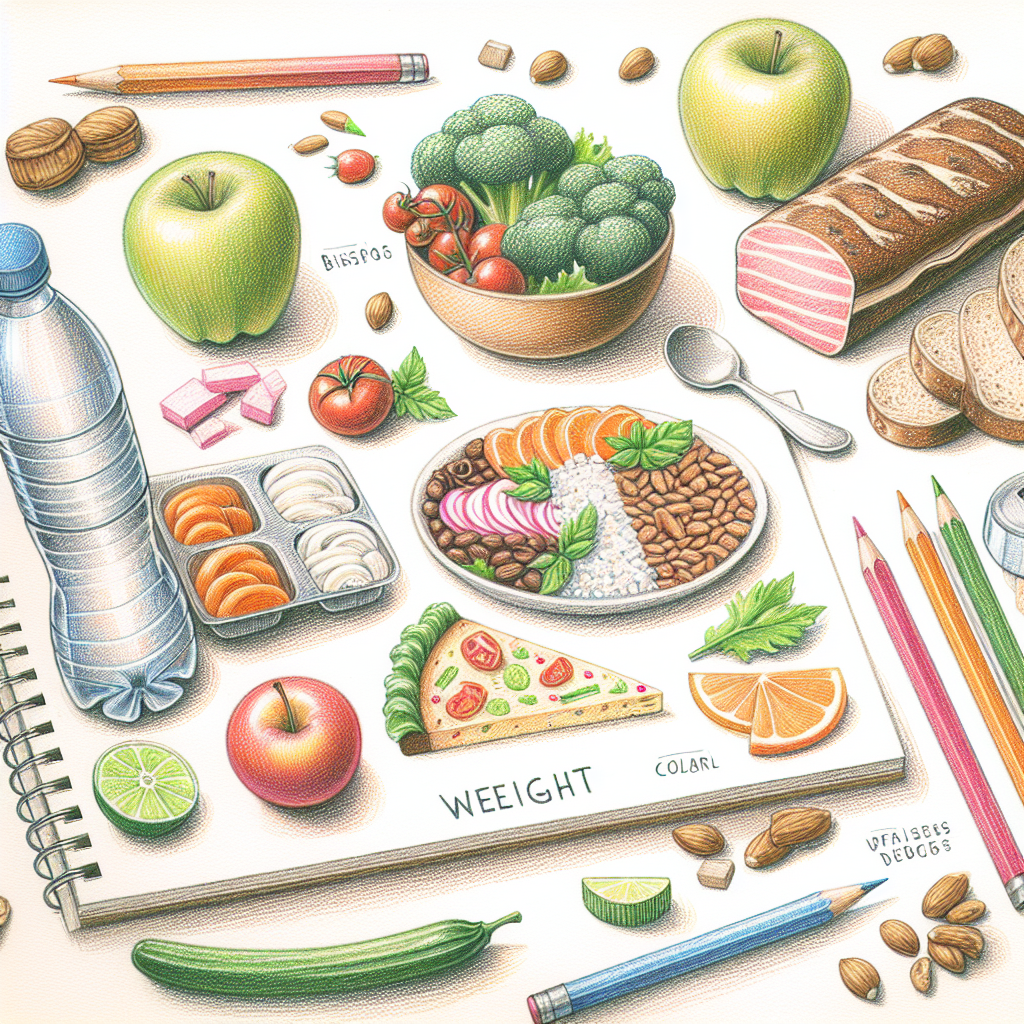
Embarking on a weight loss journey is often a challenging yet rewarding experience. To ensure success, a carefully structured meal plan is essential, as it not only promotes healthy eating habits but also facilitates effective weight loss. This article delves into the best healthy meal plans for weight loss, providing practical guidance and insights designed for all individuals determined to achieve their health goals.
- Understanding the Basics of Healthy Meal Plans
- Best Healthy Meal Plans for Weight Loss
- Practical Steps to Design Your Meal Plan
- When to Consult a Professional
- Common Myths About Meal Plans
- FAQs
- Conclusion
Understanding the Basics of Healthy Meal Plans
A healthy meal plan for weight loss focuses on balanced nutrition, portion control, and mindful eating. It emphasizes whole foods, minimizes processed items, and ensures adequate macronutrient intake—carbohydrates, proteins, and fats. Such a plan not only assists in shedding those extra pounds but also fosters enduring lifestyle changes.
Best Healthy Meal Plans for Weight Loss
Here are a few meal plans that have proven effective in promoting weight loss:
1. Mediterranean Diet
This diet emphasizes fruits, vegetables, whole grains, lean proteins, and healthy fats such as olive oil and nuts. It has been associated with numerous health benefits, including weight management.
2. Plant-Based Diet
A focus on plant foods—vegetables, fruits, legumes, and whole grains—can decrease calorie intake while providing the necessary nutrients. Research shows that plant-based diets can support significant weight loss.
3. High-Protein Diet
Incorporating high-protein foods such as eggs, lean meats, and legumes can increase satiety, helping to control appetite and reduce calorie intake overall.
4. Low-Carb Diet
Limiting carbohydrates and opting for proteins and fats can lead to rapid initial weight loss while stabilizing blood sugar levels.
5. Intermittent Fasting
This approach alternates between eating and fasting periods, which can help reduce calorie intake without requiring drastic diet changes.
Practical Steps to Design Your Meal Plan
Creating a personalized meal plan involves several key actions:
- Identify Your Caloric Needs: Use online tools to determine your daily caloric intake for weight loss.
- Choose Your Food Groups: Decide which meal plan (Mediterranean, plant-based, etc.) fits your lifestyle and preferences.
- Create a Weekly Menu: Plan your meals for the week, ensuring a balance of proteins, fats, and carbohydrates.
- Grocery Shopping: Compile a shopping list based on your meal plan to avoid impulse purchases.
- Prep and Cook: Dedicate time to prepare meals in advance, facilitating adherence to your plan.
- Track Your Progress: Monitor your weight loss and adjust the plan as needed to meet your goals.
When to Consult a Professional
When embarking on a weight loss journey, consulting a healthcare professional is advisable under the following circumstances:
- You have underlying medical conditions that could be affected by dietary changes.
- You experience drastic weight fluctuations without clear reasons.
- You find it challenging to initiate or maintain a meal plan.
- You have disordered eating behaviors that require professional intervention.
Common Myths About Meal Plans
There are various misconceptions regarding meal plans:
Myth 1: Meal Plans are Too Restrictive
Contrary to beliefs, healthy meal plans focus on moderation and variety, not deprivation.
Myth 2: All Carbs are Bad
Not all carbohydrates are harmful; whole grains and fruits provide essential nutrients.
Myth 3: You Must Eliminate Foods Completely
Success lies in moderation rather than complete elimination of favorite foods.
Myth 4: Meal Plans Don’t Allow for Flexibility
Effective meal plans can be adapted based on personal preferences and lifestyle changes.
Myth 5: Following a Meal Plan is Enough for Weight Loss
While essential, meal plans should be complemented with physical activity for optimal results.
Frequently Asked Questions (FAQs)
What should I include in a healthy meal plan?
A healthy meal plan should include whole foods like fruits, vegetables, lean proteins, whole grains, and healthy fats.
How do I know how many calories I need to lose weight?
Calculating your Basal Metabolic Rate (BMR) and factoring in your activity level can help estimate your caloric needs for weight loss.
Can I lose weight without a meal plan?
While a meal plan can aid in weight loss, maintaining portion control and making healthier food choices are crucial.
How often should I change my meal plan?
It’s advisable to reassess and adjust your meal plan every few weeks based on your progress and nutritional needs.
Is meal prepping necessary for success?
Meal prepping can facilitate adherence to a meal plan by saving time and reducing impulsive eating choices.
What are the best snacks for weight loss?
Healthy snacks include vegetables and hummus, fruits, nuts, and yogurt.
Conclusion
- Effective weight loss requires a carefully structured meal plan.
- Variety in food choices and moderation are key to long-term success.
- Incorporating physical activity enhances the effectiveness of your weight loss journey.
- Consulting a healthcare professional can provide personalized insights and support.
- Staying informed and adaptable ensures sustained motivation and progress.
If you’re keen on enhancing your fitness journey, consider exploring the SixPack workout program for 30 days for free. Experience the magic of six-minute short workouts at home, which can effortlessly fit into a busy lifestyle while offering remarkable benefits for both physical health and mental well-being. Embrace the challenge today!
Author: John Angel