
Categories
Health and Nutrition

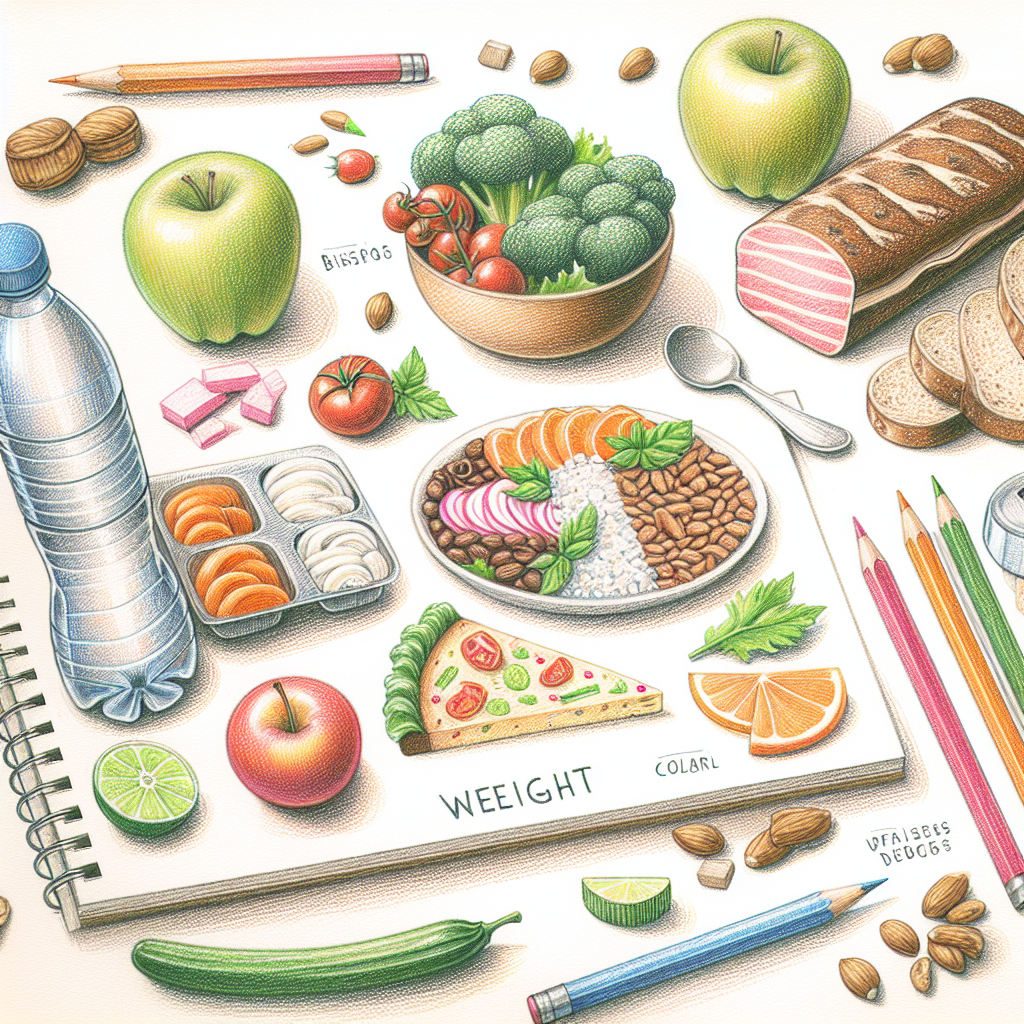
Best Healthy Meal Plans for Effective Weight Loss

Embarking on a weight loss journey is often a challenging yet rewarding experience. To ensure success, a carefully structured meal plan is essential, as it not only promotes healthy eating habits but also facilitates effective weight loss. This article delves into the best healthy meal plans for weight loss, providing practical guidance and insights designed for all individuals determined to achieve their health goals.

  • Understanding the Basics of Healthy Meal Plans
  • Best Healthy Meal Plans for Weight Loss
  • Practical Steps to Design Your Meal Plan
  • When to Consult a Professional
  • Common Myths About Meal Plans
  • FAQs
  • Conclusion

Understanding the Basics of Healthy Meal Plans

A healthy meal plan for weight loss focuses on balanced nutrition, portion control, and mindful eating. It emphasizes whole foods, minimizes processed items, and ensures adequate macronutrient intake—carbohydrates, proteins, and fats. Such a plan not only assists in shedding those extra pounds but also fosters enduring lifestyle changes.

Best Healthy Meal Plans for Weight Loss

Here are a few meal plans that have proven effective in promoting weight loss:

1. Mediterranean Diet

This diet emphasizes fruits, vegetables, whole grains, lean proteins, and healthy fats such as olive oil and nuts. It has been associated with numerous health benefits, including weight management.

2. Plant-Based Diet

A focus on plant foods—vegetables, fruits, legumes, and whole grains—can decrease calorie intake while providing the necessary nutrients. Research shows that plant-based diets can support significant weight loss.

3. High-Protein Diet

Incorporating high-protein foods such as eggs, lean meats, and legumes can increase satiety, helping to control appetite and reduce calorie intake overall.

4. Low-Carb Diet

Limiting carbohydrates and opting for proteins and fats can lead to rapid initial weight loss while stabilizing blood sugar levels.

5. Intermittent Fasting

This approach alternates between eating and fasting periods, which can help reduce calorie intake without requiring drastic diet changes.

Practical Steps to Design Your Meal Plan

Creating a personalized meal plan involves several key actions:

  • Identify Your Caloric Needs: Use online tools to determine your daily caloric intake for weight loss.
  • Choose Your Food Groups: Decide which meal plan (Mediterranean, plant-based, etc.) fits your lifestyle and preferences.
  • Create a Weekly Menu: Plan your meals for the week, ensuring a balance of proteins, fats, and carbohydrates.
  • Grocery Shopping: Compile a shopping list based on your meal plan to avoid impulse purchases.
  • Prep and Cook: Dedicate time to prepare meals in advance, facilitating adherence to your plan.
  • Track Your Progress: Monitor your weight loss and adjust the plan as needed to meet your goals.

When to Consult a Professional

When embarking on a weight loss journey, consulting a healthcare professional is advisable under the following circumstances:

  • You have underlying medical conditions that could be affected by dietary changes.
  • You experience drastic weight fluctuations without clear reasons.
  • You find it challenging to initiate or maintain a meal plan.
  • You have disordered eating behaviors that require professional intervention.

Common Myths About Meal Plans

There are various misconceptions regarding meal plans:

Myth 1: Meal Plans are Too Restrictive

Contrary to beliefs, healthy meal plans focus on moderation and variety, not deprivation.

Myth 2: All Carbs are Bad

Not all carbohydrates are harmful; whole grains and fruits provide essential nutrients.

Myth 3: You Must Eliminate Foods Completely

Success lies in moderation rather than complete elimination of favorite foods.

Myth 4: Meal Plans Don’t Allow for Flexibility

Effective meal plans can be adapted based on personal preferences and lifestyle changes.

Myth 5: Following a Meal Plan is Enough for Weight Loss

While essential, meal plans should be complemented with physical activity for optimal results.

Frequently Asked Questions (FAQs)

What should I include in a healthy meal plan?

A healthy meal plan should include whole foods like fruits, vegetables, lean proteins, whole grains, and healthy fats.

How do I know how many calories I need to lose weight?

Calculating your Basal Metabolic Rate (BMR) and factoring in your activity level can help estimate your caloric needs for weight loss.

Can I lose weight without a meal plan?

While a meal plan can aid in weight loss, maintaining portion control and making healthier food choices are crucial.

How often should I change my meal plan?

It’s advisable to reassess and adjust your meal plan every few weeks based on your progress and nutritional needs.

Is meal prepping necessary for success?

Meal prepping can facilitate adherence to a meal plan by saving time and reducing impulsive eating choices.

What are the best snacks for weight loss?

Healthy snacks include vegetables and hummus, fruits, nuts, and yogurt.

Conclusion

  • Effective weight loss requires a carefully structured meal plan.
  • Variety in food choices and moderation are key to long-term success.
  • Incorporating physical activity enhances the effectiveness of your weight loss journey.
  • Consulting a healthcare professional can provide personalized insights and support.
  • Staying informed and adaptable ensures sustained motivation and progress.

If you’re keen on enhancing your fitness journey, consider exploring the SixPack workout program for 30 days for free. Experience the magic of six-minute short workouts at home, which can effortlessly fit into a busy lifestyle while offering remarkable benefits for both physical health and mental well-being. Embrace the challenge today!

Author: John Angel

Related articles

Categories
Weight Loss

Best Diets for Effective Weight Loss: A Comprehensive Guide

Embarking on a weight loss journey can be a formidable but rewarding challenge. With countless diets and fitness regimens available, it can be overwhelming to determine the best strategy for effective and sustainable weight loss. This article is designed to offer insights into the most beneficial diets for losing weight while emphasizing practical steps to integrate physical activity into your daily routine.

  • Understanding Weight Loss Fundamentals
  • Popular Diets for Weight Loss
  • Incorporating Effective Workouts
  • Common Misconceptions About Diets
  • When to Consult a Professional
  • FAQs About Weight Loss
  • Conclusion and Next Steps

Understanding Weight Loss Fundamentals

Weight loss fundamentally pertains to creating a caloric deficit, whereby the number of calories burned exceeds those consumed. This concept may appear straightforward; however, individual metabolism, food choices, and activity levels play crucial roles in the process. Achieving successful weight loss hinges on a well-rounded approach that includes dietary modifications, regular exercise, and sustainable lifestyle changes.

Popular Diets for Weight Loss

Several dietary frameworks have gained popularity for their effectiveness in promoting weight loss. What follows is an overview of some of the most studied diets:

Keto Diet

The ketogenic diet is characterized by high-fat, low-carbohydrate intake. This shift in nutrient composition encourages the body to enter a state of ketosis, wherein it utilizes fat as the primary energy source instead of carbohydrates.

Paleo Diet

The paleo diet emphasizes whole foods that could have been available to our ancestors, focusing on meat, fish, vegetables, fruits, nuts, and seeds while excluding processed foods, grains, and dairy products.

Intermittent Fasting

This approach involves alternating periods of eating and fasting. It is not a diet per se but rather a pattern of eating that can help reduce calorie intake and improve metabolic health.

Plant-Based Diets

Plant-based diets prioritize fruits, vegetables, whole grains, and legumes. These diets are typically high in fiber and lower in calories, making them conducive to weight loss.

Incorporating Effective Workouts

While dietary changes are vital, integrating exercise into your daily routine can significantly enhance your weight loss journey. One innovative solution is the SixPack workout program, which offers abbreviated but effective six-minute workouts at home. These workouts emphasize efficiency and can easily fit into even the busiest of days. The magic lies in their simplicity and adaptability, allowing for a comprehensive workout experience that invigorates every muscle group in under ten minutes. If you’re interested, you can register for the SixPack workout program for 30 days for free.

Common Misconceptions About Diets

While embarking on a weight loss journey, individuals are often susceptible to myths and misconceptions that can hinder progress:

  • Myth: All calories are equal.
  • Myth: Cutting carbs is the only way to lose weight.
  • Myth: Skipping meals is an effective weight loss strategy.
  • Myth: Supplements can replace healthy eating.

When to Consult a Professional

If you experience significant weight fluctuations, persistent fatigue, or other concerning symptoms, consulting a healthcare professional is advisable. A registered dietitian can help tailor dietary strategies to fit your specific needs, addressing any health concerns that may arise during your weight loss journey.

FAQs About Weight Loss

What is the best diet for losing weight?

There is no singular “best” diet; effective weight loss is achieved through a balanced approach tailored to individual preferences and lifestyle.

How fast can I lose weight safely?

A safe and sustainable rate of weight loss is typically 1 to 2 pounds per week.

Can workouts replace a healthy diet for weight loss?

While exercise is beneficial, it works best in conjunction with a nutritious diet to achieve optimal weight loss results.

Are fad diets effective for weight loss?

Fad diets often promise quick results but may not provide long-term success and can be detrimental to health.

Is it necessary to count calories?

Counting calories can be helpful for some, but focusing on food quality and balanced nutrition is generally more sustainable.

What role does hydration play in weight loss?

Staying well-hydrated is crucial, as it aids in digestion and can help curb unnecessary snacking.

Conclusion and Next Steps

  • Effective weight loss relies on creating a caloric deficit.
  • Incorporate a variety of dietary strategies that align with personal preferences.
  • Integrate physical activity into daily routines, such as through short workouts.
  • Avoid common myths that may derail your progress.
  • Consult a professional for personalized guidance as needed.

As you take the first steps in your weight loss journey, remember that sustainable changes lead to lasting results. Discover the effectiveness of short, efficient workouts by registering for the SixPack workout program for 30 days for free and explore a more active lifestyle today!

Author: John Angel

Related articles

Website analytics information

We use Google Analytics 4 for visitor statistics. Analytics cookies require your consent, which you can change using the button above. The data controller is ZDRAVÍ S ÚSMĚVEM s.r.o., company ID 29283329, contact podpora@revolucnicviceni.cz. Google processes browser, device and page visit information. We do not send form field values to Analytics. How Google uses information · Google Privacy Policy.