
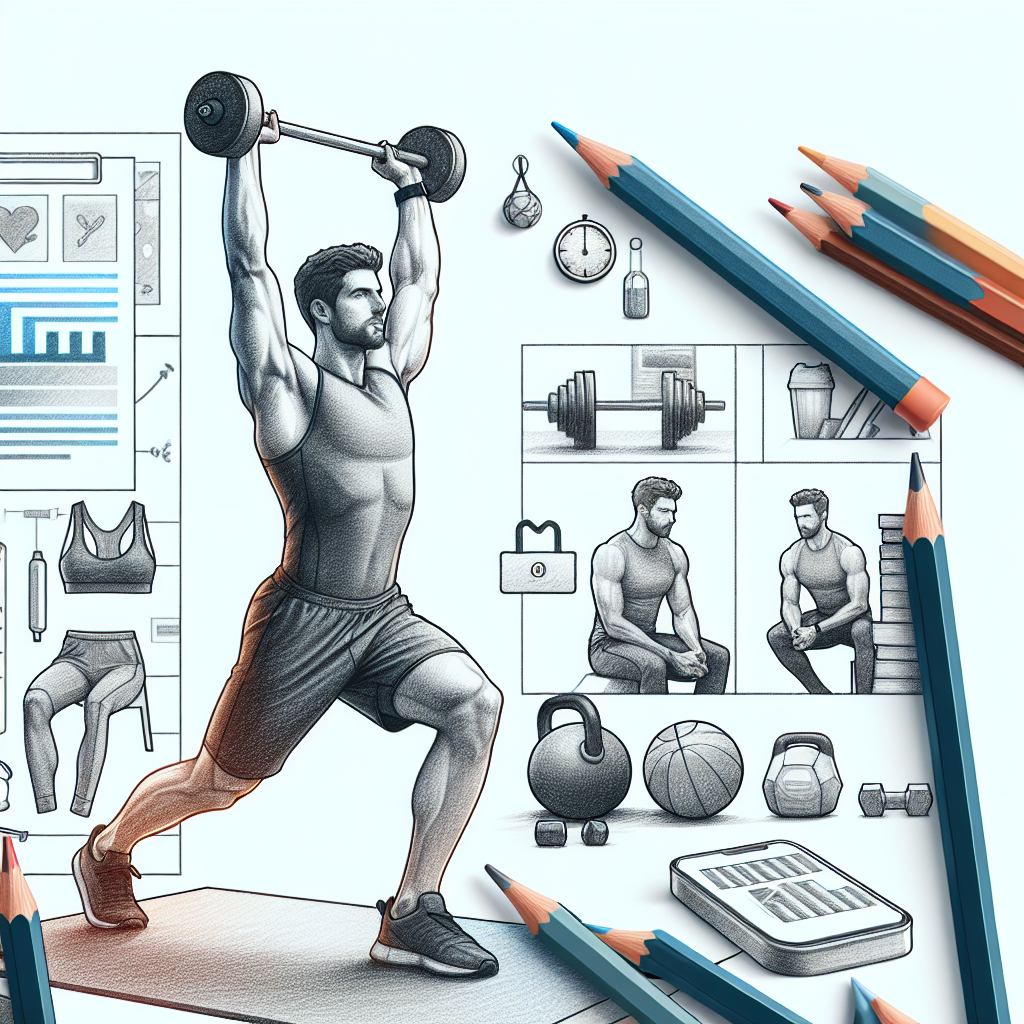
Best Home Workout Exercises: No Equipment Needed
In an era where the gym may not always be accessible, home workouts offer a practical alternative for maintaining physical fitness. This article presents effective exercises that require no equipment, allowing you to build strength, enhance flexibility, and improve cardiovascular endurance within the comfort of your home. By incorporating these exercises into your routine, you can foster a healthier lifestyle without the need for costly memberships or elaborate equipment.
- Introduction to Home Workouts
- Benefits of No-Equipment Exercises
- Essential Bodyweight Exercises
- Creating a Structured Workout Routine
- Mistakes to Avoid in Home Workouts
- When to Consult a Professional
- FAQ
- Conclusion
Benefits of No-Equipment Exercises
Engaging in home workouts that require no equipment offers several advantages:
- Accessibility: You can exercise anytime, eliminating barriers such as travel time to the gym.
- Cost-effective: No need to invest in expensive equipment or gym memberships.
- Versatility: A variety of exercises can be performed to target different muscle groups and prevent workout monotony.
- Convenience: Workouts can be done in any space, from a living room to a backyard.
- Time-efficient: Short, effective workouts can fit into any schedule.
Essential Bodyweight Exercises
Here are some highly effective bodyweight exercises that target various muscle groups:
1. Push-Ups
This classic exercise strengthens the chest, shoulders, and triceps.
2. Squats
Squats engage the quadriceps, hamstrings, and glutes, providing a full lower-body workout.
3. Lunges
Lunges improve leg strength and balance, activating various lower body muscles.
4. Planks
Planks build core stability and strength, primarily engaging the abdominals and back muscles.
5. Burpees
Burpees enhance cardiovascular endurance while targeting multiple muscle groups, including arms, legs, and core.
6. Mountain Climbers
This dynamic exercise combines strength and cardio, working the entire body while increasing heart rate.
Creating a Structured Workout Routine
To achieve optimal results, it’s important to structure your home workouts effectively. Consider the following steps:
- Set Clear Goals: Define what you aim to achieve, whether it’s weight loss, strength gain, or overall fitness.
- Design a Balanced Program: Incorporate exercises targeting various muscle groups and include both strength and cardio elements.
- Determine Frequency: Aim for at least 3-5 workouts per week, depending on your fitness level and goals.
- Warm-up and Cool Down: Always begin with a warm-up to prepare your body and end with a cool down to aid recovery.
- Monitor Progress: Keep track of your performance to ensure continual improvement and motivation.
For a guided exercise program, consider signing up for a free 30-day workout plan where you can exercise for just 6 minutes a day and still achieve results comparable to a gym routine: 30-Day Exercise Program.
Mistakes to Avoid in Home Workouts
When exercising at home, it’s easy to develop poor habits. Here are some common mistakes to be mindful of:
- Skipping Warm-ups: Neglecting this essential step can lead to injuries.
- Poor Form: Inadequate attention to technique may result in ineffective workouts or injuries.
- Overtraining: Exercising too often without adequate rest may hinder progress and lead to fatigue.
- Inconsistent Routine: Lack of consistency can stall your fitness progress.
- Ignoring Nutrition: Focusing solely on exercise without balanced nutrition limits potential gains.
When to Consult a Professional
While home workouts are effective, several indicators suggest the necessity of consulting a fitness professional:
- If you experience persistent pain or discomfort while exercising.
- If you are unsure about proper form and technique for specific exercises.
- If you are new to exercise and unsure of where to start.
- If you have pre-existing conditions that may affect your ability to exercise safely.
- If you feel stagnant in your progress and require personalized guidance to progress further.
FAQ
1. Can I build muscle at home without equipment?
Yes, bodyweight exercises can effectively build muscle by utilizing your own weight as resistance.
2. How often should I workout at home?
For optimal results, aim for 3-5 times per week, adjusting based on your fitness level and goals.
3. What is a good warm-up before home exercises?
A warm-up could include light cardio such as jogging in place and dynamic stretches focusing on major muscle groups.
4. Should I focus more on strength or cardio?
Striking a balance between both is essential for overall fitness, depending on your specific goals.
5. How long should a home workout session last?
Home workouts can range from 20 to 45 minutes, depending on your fitness level and the intensity of the exercises.
6. Is it necessary to invest in home gym equipment?
No, many effective exercises require nothing but your bodyweight and can be performed at home without the need for equipment.
Conclusion
- Home workouts can be effective and versatile with no equipment needed.
- Bodyweight exercises such as push-ups, squats, and planks target various muscle groups.
- Establishing a structured routine enhances results and promotes consistency.
- Avoid common mistakes such as poor form and skipping warm-ups to maximize benefits.
- Consult a professional if experiencing pain or needing personalized guidance.
Engaging in a regular home workout routine is a fulfilling way to prioritize your health. We invite you to consider the 30-day free exercise program linked above, which demonstrates how six minutes a day can take your fitness to new heights. Your journey to better health begins now!
Author: John Angel