
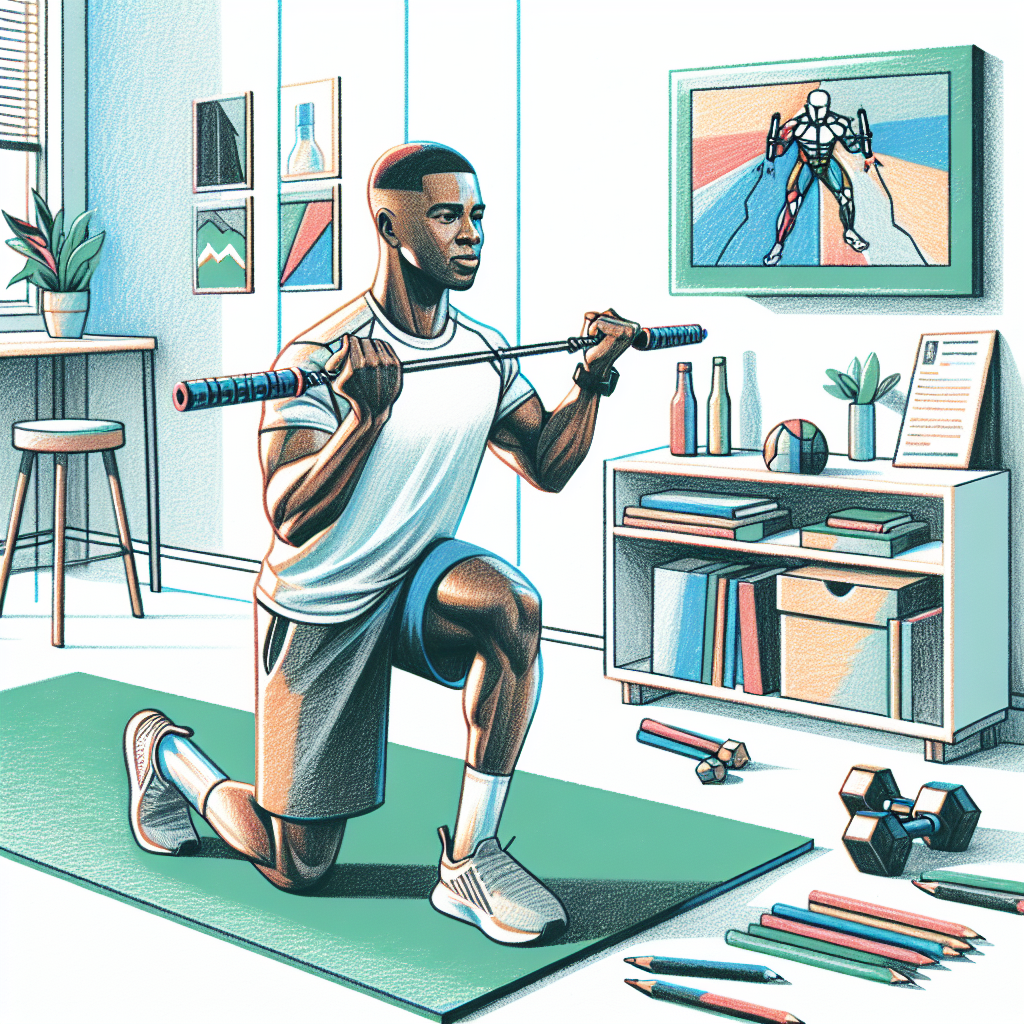
Engaging in a home workout can yield substantial muscle-building benefits without the need for external equipment. This article explores the most effective bodyweight exercises to help you build muscle at home, explains when to consult a professional, and addresses common misconceptions about bodyweight training.
- Introduction
- Benefits of Bodyweight Exercises
- Essential Exercises for Muscle Building
- Creating Your Workout Routine
- When to Consult a Professional
- Common Misconceptions
- Frequently Asked Questions
- Conclusion
Benefits of Bodyweight Exercises
Bodyweight exercises are not only effective for building muscle but also offer advantages such as enhanced flexibility, improved cardiovascular health, and increased stamina. They can be performed anywhere, making them convenient for varied lifestyles. Furthermore, these exercises engage multiple muscle groups simultaneously, leading to balanced development.
Essential Exercises for Muscle Building
Here are some key bodyweight exercises that will contribute to muscle growth:
- Push-Ups: Target the chest, shoulders, and triceps. Start with standard push-ups, then experiment with variations to challenge yourself further.
- Squats: Focuses on the legs and glutes. Ensure proper form by keeping your back straight and pushing through your heels.
- Lunges: Excellent for targeting the quads and hamstrings. Perform forward, backward, or side lunges for variety.
- Planks: Work the core, shoulders, and back. Holding the plank position helps build core stability and strength.
- Burpees: Combine strength and cardio by incorporating a jump, squat, and push-up in one fluid motion.
- Mountain Climbers: Improve your agility and core strength with this dynamic exercise.
Creating Your Workout Routine
Developing an efficient home workout routine requires consistency and progression. Follow these steps to create a structured plan:
- Set Clear Goals: Define what you want to achieve—whether it’s muscle gain, weight loss, or improved endurance.
- Choose Your Exercises: Select 4-6 exercises from the list above that align with your goals.
- Establish a Schedule: Aim for at least three to four workouts each week, allowing for rest days in between.
- Monitor Progress: Keep track of your repetitions, sets, and personal bests to ensure you are challenging yourself over time.
- Incorporate a Warm-Up and Cool Down: Always spend 5-10 minutes warming up, and cool down after your workout to prevent injury.
For those seeking a structured approach, consider registering for a free 30-day exercise program that requires only six minutes of your time each day, offering results comparable to gym workouts. You can sign up here.
When to Consult a Professional
It is advisable to consult a fitness professional or healthcare provider if you experience any of the following:
- Persistent pain or discomfort that does not resolve with rest.
- Unexplained weight changes or fatigue.
- Previous injuries that may hinder your ability to perform exercises safely.
- Lack of progress despite consistent effort.
Common Misconceptions
Bodyweight training is rife with myths that may deter individuals from reaping its full benefits. Here are a few common misconceptions:
- Bodyweight Exercises Don’t Build Muscle: Incorrect; they are effective in building muscle, especially for beginners.
- You Need Equipment to Get Results: Equipment can enhance workouts, but bodyweight exercises alone can be incredibly effective.
- Higher Reps Only Build Endurance: Incorporating progressive overload through variations and tempo helps build strength and muscle mass.
Frequently Asked Questions
Can bodyweight exercises build muscle as effectively as weights?
Yes, bodyweight exercises can effectively build muscle, especially for beginners or those returning to fitness.
How often should I perform these exercises?
Aim for at least three to four sessions a week, allowing for rest or active recovery days in between.
Which exercise is best for beginners?
Push-ups and squats are excellent starting points, as they can be modified for differing fitness levels.
Is a warm-up necessary?
Yes, warming up prepares your muscles for exercise and reduces the risk of injury.
How can I progress in my bodyweight training?
Increase the number of repetitions, sets, or incorporate more challenging variations of each exercise.
Can I do these exercises if I have an injury?
Consult a healthcare provider to ensure that you are not exacerbating any existing conditions.
Conclusion
- Bodyweight exercises are effective for muscle building without equipment.
- Creating a balanced workout routine ensures continued progress.
- Consult professionals when faced with pain or lack of progress.
- Combat misconceptions to maintain motivation.
- Consistency is key to achieving your fitness goals.
Consider trying out a structured program that makes daily exercise efficient and manageable. Whether you’re new to fitness or a seasoned enthusiast, embracing the power of bodyweight exercises can lead you to impressive results.
Author: John Angel