
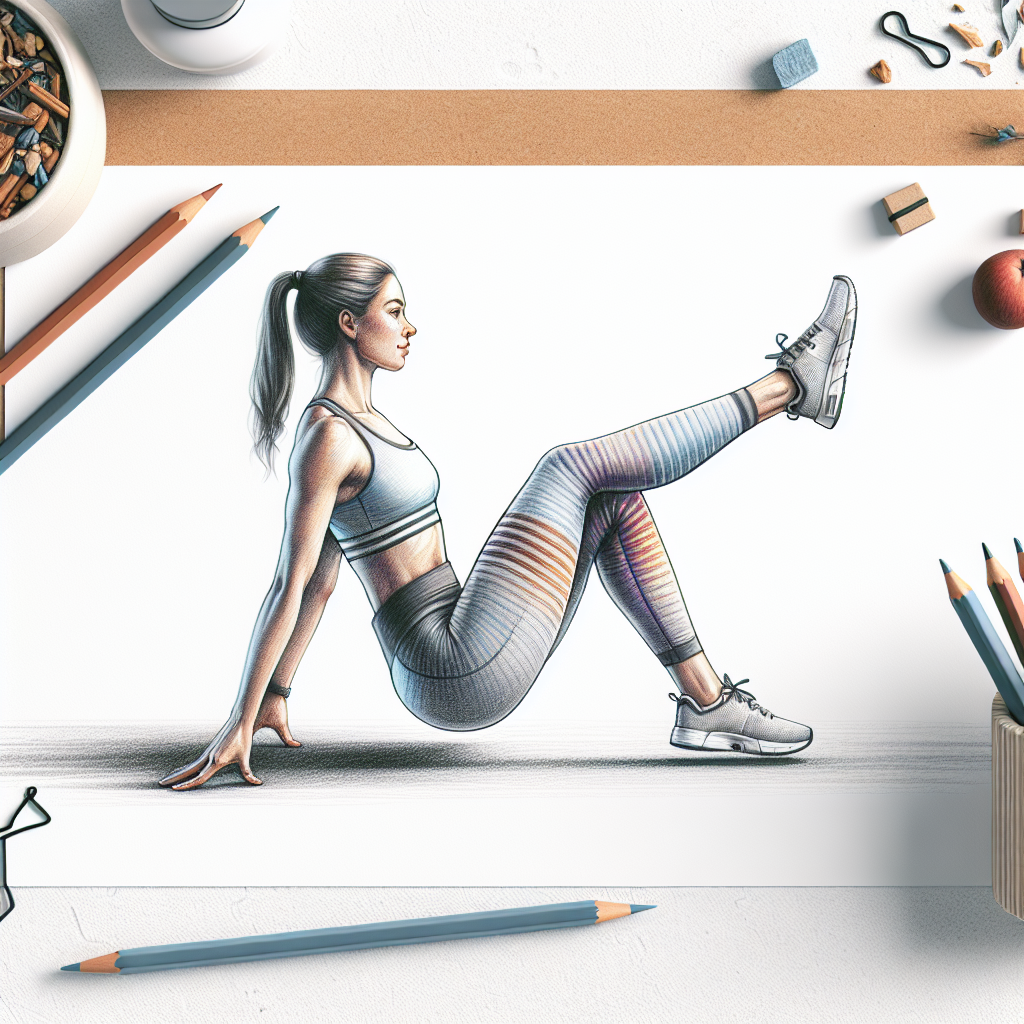
Best Leg Exercises at Home: No Equipment Required
Leg strength is crucial for overall fitness, mobility, and daily activities. Whether you are a beginner looking to improve your endurance or an experienced athlete maintaining strength, leg exercises can significantly enhance your physical performance. This article explores effective leg exercises you can perform at home without any equipment. Furthermore, incorporate a structured routine to maximize your results. For those seeking efficiency, consider participating in a 30-day exercise program, where just 6 minutes of daily workout can yield similar results to those achieved in the gym. Sign up for free here.
- Introduction
- The Importance of Leg Workouts
- Effective Leg Exercises to Perform at Home
- A Practical Routine for Optimal Results
- Signs You Should Consult a Professional
- Common Myths About Home Leg Exercises
- Frequently Asked Questions
- Conclusion
The Importance of Leg Workouts
Leg workouts are fundamental for several reasons. They contribute to muscle development, improve posture, enhance joint stability, and bolster overall body strength. Strong legs also play an essential role in numerous physical activities, including running, hiking, and cycling. Moreover, enhancing leg strength aids in activities of daily living and decreases the risk of injury.
Effective Leg Exercises to Perform at Home
Here are several proven leg exercises that require no equipment and effectively build strength.
1. Squats
Squats target the quadriceps, hamstrings, and glutes. They are versatile and can be modified for various skill levels.
2. Lunges
Lunges engage multiple muscle groups, including the quadriceps, hamstrings, glutes, and calves. They can be performed forward, backward, or to the side for variety.
3. Glute Bridges
This exercise primarily targets the glutes and lower back, essential for maintaining pelvic stability.
4. Calf Raises
Calf raises are simple yet effective in strengthening the calves, contributing to improved balance and stability.
5. Step-ups
Using any sturdy platform, step-ups work the quads, hamstrings, glutes, and calves, promoting functional movement patterns.
A Practical Routine for Optimal Results
Incorporating these exercises into your routine can be straightforward. Consider the following daily sequence:
- Warm-up: 2 minutes of jumping jacks or high knees
- Perform 3 sets of 10-15 squats
- Complete 3 sets of 10-15 lunges (each leg)
- Execute 3 sets of 10-15 glute bridges
- Do 3 sets of 15 calf raises
- Finish with 3 sets of 10-15 step-ups (each leg)
- Cooldown: Stretch major leg muscles for 5 minutes
Signs You Should Consult a Professional
While exercise is typically safe for most individuals, certain signs indicate a need for consultation with a qualified professional, such as:
- Persistent pain in the knees, hips, or ankles during or after exercise
- Difficulty maintaining balance or stability
- Swelling or inflammation in the joints
- Loss of mobility in the lower body
- Previously diagnosed injuries that may be aggravated by exercise
Common Myths About Home Leg Exercises
Misconceptions about home workouts can deter individuals from pursuing leg exercises effectively.
1. Myth: Only Gym Workouts Build Strength
Home workouts can be just as effective when performed correctly. Bodyweight exercises can build significant strength.
2. Myth: You Need Heavy Weights to See Results
Bodyweight exercises utilize gravity and can challenge muscles adequately for growth. Consistency is key.
3. Myth: Leg Workouts Are for Bulking Up Only
Leg workouts are beneficial for endurance, stability, and metabolism enhancement, not just muscle size.
4. Myth: Compound Movements Are Always the Best Choice
While compound movements are effective, isolation exercises also play a crucial role in muscle development.
5. Myth: You Should Feel Pain for Workouts to Be Effective
Discomfort is normal, but pain indicates potential injury. Proper form and listening to your body are essential.
Frequently Asked Questions
1. How often should I do leg exercises at home?
Aim for leg workouts 2-3 times per week, allowing at least one rest day in between for recovery.
2. Can I combine these exercises with upper body workouts?
Yes, combining leg and upper body workouts can create a balanced routine. Just ensure to schedule adequate recovery time.
3. What is the best time of day to work out?
The best time to work out is when it fits your schedule and when you feel most energetic, whether morning or evening.
4. How do I prevent injuries during leg workouts?
Focus on proper form, warm-up adequately, and listen to your body to avoid pushing through pain.
5. Can beginners perform these leg exercises?
Yes, these exercises are suitable for beginners. Start at your own pace, gradually increasing repetitions as you gain strength.
6. Should I warm up before starting leg exercises?
Yes, a proper warm-up prepares your muscles for exercise and reduces the risk of injury.
Conclusion
- Leg exercises are essential for strength, mobility, and overall fitness.
- No equipment is required to perform effective leg workouts at home.
- Incorporate a structured routine for optimal results.
- Consult a professional if experiencing persistent pain or swelling.
- Dispelling myths can enhance your approach to home workouts.
Begin your journey to stronger legs today by utilizing the exercises discussed, and consider joining a 30-day program tailored for efficiency. Take charge of your health and fitness by registering here.
Author: John Angel