Categories
Home Workouts

Effective Equipment-Free Leg Day Workout at Home

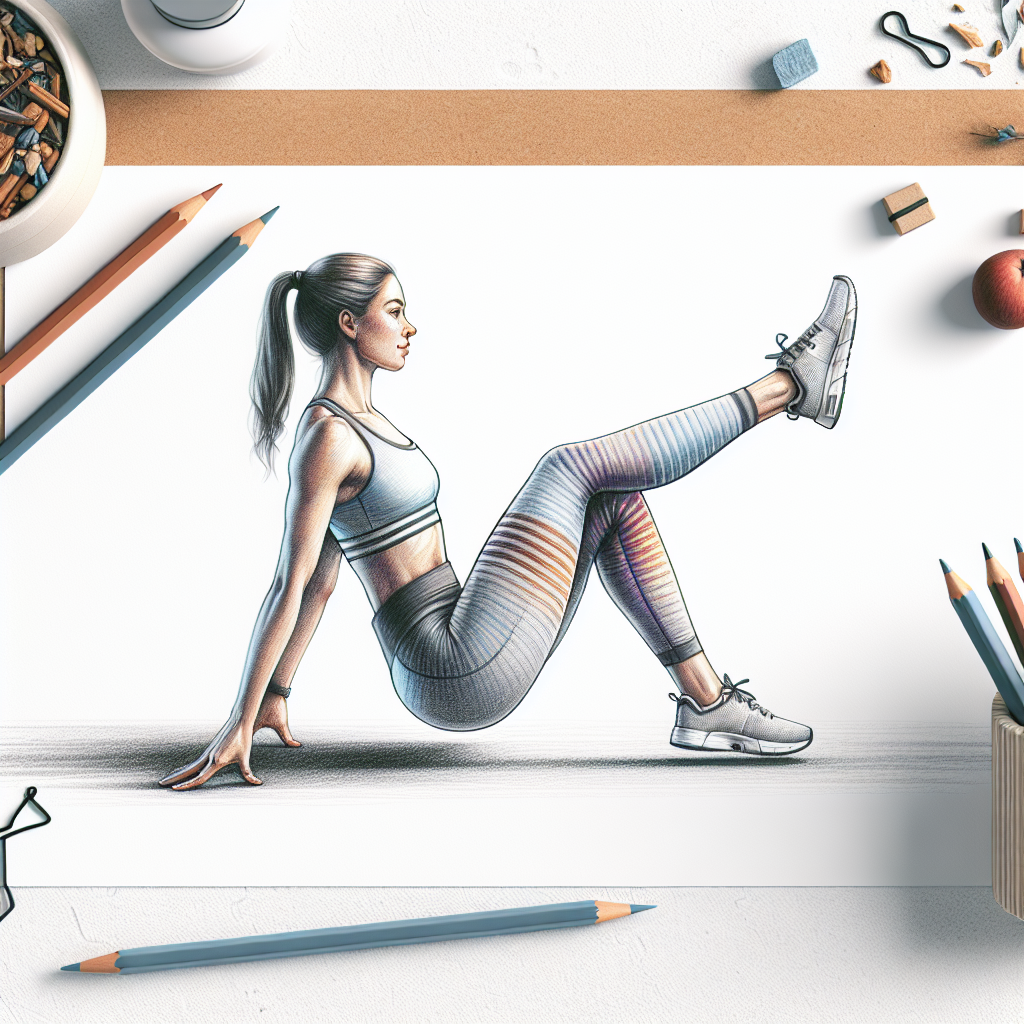
Leg day workouts are vital for building lower body strength, enhancing balance, and improving athletic performance. However, many individuals hesitate to focus on leg day due to a lack of equipment or gym access. This article provides an effective leg day workout that can be accomplished at home without the need for any equipment, allowing you to achieve significant results in a short amount of time. By dedicating just six minutes daily, similar to the regimen offered in a free 30-day exercise program, you can enhance your leg strength and overall fitness. For more details, visit this link for a free registration.

  • Introduction to Leg Day Workouts
  • Benefits of Working Out Legs
  • Effective Leg Day Exercises at Home
  • Creating Your Leg Day Routine
  • When to Consult a Professional
  • Common Myths and Mistakes
  • Frequently Asked Questions
  • Conclusion

Introduction to Leg Day Workouts

Leg day workouts comprise exercises specifically targeting the muscles in the lower body, including the quadriceps, hamstrings, glutes, and calves. These workouts not only contribute to a balanced physique but also play a crucial role in functional movements and overall strength. Engaging in regular leg workouts helps mitigate the risks of injuries and improves your performance in various physical activities.

Benefits of Working Out Legs

  • Enhanced Strength: Focusing on the lower body increases muscle strength, contributing to overall body power.
  • Improved Balance and Stability: Strong legs underpin stability, preventing falls and enhancing coordination.
  • Increased Metabolism: Compound leg exercises can elevate your metabolic rate, aiding in weight management.
  • Boosted Athletic Performance: Whether you’re running, cycling, or playing sports, strong legs improve performance levels.
  • Injury Prevention: A strong lower body can reduce the risk of injuries, particularly in the knees and back.

Effective Leg Day Exercises at Home

Below are several exercises that effectively target the leg muscles without requiring any equipment. These can be incorporated into a comprehensive leg day workout.

  • Bodyweight Squats: A fundamental exercise that strengthens the quadriceps, hamstrings, and glutes. Stand with feet shoulder-width apart and squat down as if sitting in a chair, ensuring your knees do not extend past your toes.
  • Lunges: Forward lunges help develop strength and flexibility in the legs. Step forward, lowering your hips until both knees form approximately 90-degree angles, then return to the starting position.
  • Calf Raises: Stand on the edge of a step or flat surface and raise your heels off the ground, engaging your calves. Lower slowly and repeat.
  • Glute Bridges: Lie down on your back with knees bent and feet flat on the ground. Lift your hips towards the ceiling, squeezing your glutes at the top, then lower back down.
  • Wall Sit: Lean against a wall as if sitting in an invisible chair. Hold this position for 30 seconds to one minute to engage your quads and glutes.

Creating Your Leg Day Routine

To maximize your leg day at home, it is essential to structure a routine that incorporates various exercises for balanced development. Here’s a sample six-minute leg day routine:

  1. Bodyweight Squats – 1 minute
  2. Lunges (30 seconds each leg) – 1 minute
  3. Calf Raises – 1 minute
  4. Glute Bridges – 1 minute
  5. Wall Sit – 1 minute

Focus on maintaining proper form throughout each exercise and gradually increase the intensity or duration as you become stronger.

When to Consult a Professional

While home workouts can be effective, it is crucial to seek professional guidance in certain situations:

  • If you experience persistent pain during exercises.
  • If you have a pre-existing condition that could be aggravated by physical activity.
  • If you are unsure about the correct form for exercises.
  • If you are new to exercising and require personalized guidance.

Common Myths and Mistakes

Understanding common misconceptions about leg workouts can improve your approach:

  • Myth: You need equipment for an effective workout. Fact: Bodyweight exercises are equally beneficial.
  • Myth: Leg workouts are unnecessary if you engage in cardio. Fact: Strength training for legs enhances overall fitness.
  • Myth: Squats are bad for your knees. Fact: When performed correctly, squats can strengthen knee stability.
  • Mistake: Neglecting warm-up and stretching, which are essential for injury prevention.
  • Mistake: Skipping recovery days, which are crucial for muscle repair and growth.

Frequently Asked Questions

How often should I do leg day workouts?

It is generally advisable to incorporate leg workouts 1-2 times per week, allowing for 48 hours of recovery between sessions.

Can I still build muscle without weights?

Yes, bodyweight exercises can effectively build muscle and strength through progressive overload and proper form.

How do I know if I’m doing exercises correctly?

Consider consulting a fitness professional or utilizing reputable online resources for proper form demonstrations.

What should I do if I feel pain during a workout?

Stop the exercise immediately. If the pain persists, seek medical advice to rule out injuries.

Is stretching important in a leg workout routine?

Yes, stretching helps improve flexibility and reduce the risk of injuries, making it an essential part of any workout routine.

Can leg workouts improve my overall fitness?

Definitely; strong legs contribute to better performance in various physical activities and enhance your metabolic rate.

Conclusion

  • Leg day workouts are crucial for developing strength, balance, and overall fitness.
  • There are numerous effective leg exercises that can be performed at home without equipment.
  • Creating a structured workout routine ensures balanced muscle development.
  • It is essential to consult a professional if you experience pain or are unsure of exercise forms.
  • Understanding common myths and mistakes can improve your workout efficiency.

Incorporate these exercises into your routine and consider joining the free 30-day exercise program for a quick yet effective path to fitness. For registration, visit this link.

Author: John Angel
Related articles

Categories
Fitness

Effective Leg Strength Workout Without Equipment

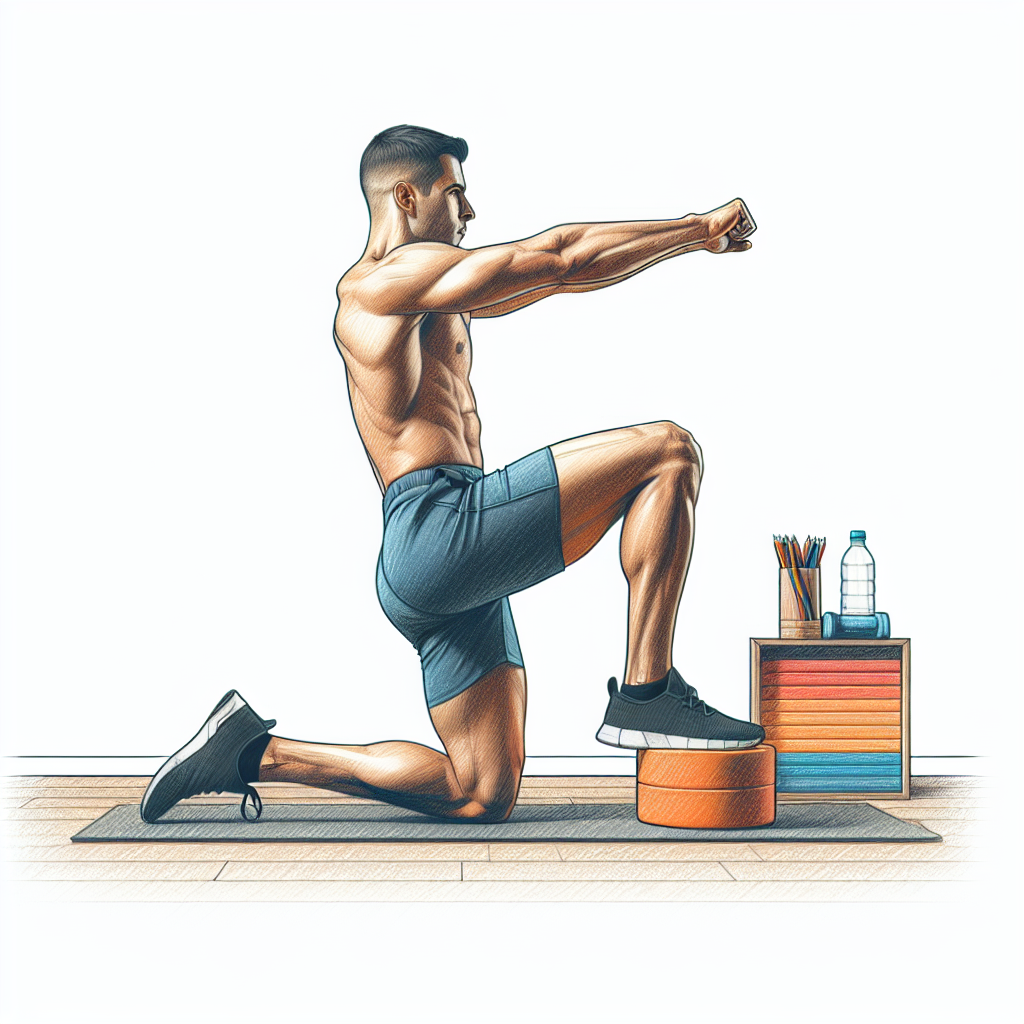
Leg strength is a critical component of overall fitness, influencing everything from athletic performance to daily activities. Engaging in a leg strength workout without equipment presents an effective and accessible solution for individuals looking to enhance their strength without the need for a gym or expensive gear. This article outlines various bodyweight exercises that can be performed anywhere, making it easy for anyone to build muscle, improve stability, and increase endurance in the lower body.

  • Introduction
  • Benefits of Leg Strength
  • No-Equipment Leg Exercises
  • Practical Workout Routine
  • When to Consult a Professional
  • Common Misconceptions
  • FAQ
  • Conclusion

Benefits of Leg Strength

Developing leg strength yields a multitude of benefits, including improved athletic performance, enhanced mobility, and better posture. Furthermore, strong legs contribute significantly to overall body balance, which is vital as one ages. Engaging in leg workouts can also boost metabolic rate, aiding in weight management, and enhancing overall cardiovascular health. Ultimately, focusing on leg strength leads to improved functional movement patterns that are imperative for day-to-day tasks.

No-Equipment Leg Exercises

Various bodyweight exercises can effectively strengthen the legs without requiring any special equipment. Below are several key movements that can be easily incorporated into any routine:

  • Squats: A foundational exercise, squats target the quadriceps, hamstrings, and glutes.
  • Lunges: This exercise helps improve leg strength, balance, and coordination.
  • Calf Raises: Elevates the calf muscles and is essential for overall leg strength.
  • Glute Bridges: Focuses on the gluteal muscles and the lower back, improving core stability.
  • Wall Sits: An isometric exercise that builds endurance in the leg muscles.
  • Step-Ups: Utilizing a stable elevation, this simple movement targets multiple muscle groups.

Practical Workout Routine

To maximize leg strength without equipment, here is a structured routine that can be performed in approximately 20-30 minutes:

  1. Warm-up with dynamic stretches (5 minutes)
  2. 10 squats
  3. 10 lunges (each leg)
  4. 15 calf raises
  5. 10 glute bridges
  6. 30 seconds of wall sits
  7. 5 step-ups (each leg)
  8. Repeat the circuit 3 times
  9. Cool down with static stretches (5 minutes)

This sequence is not only effective for building muscle but can also be adapted for varying levels of fitness, offering modifications for beginners and advanced practitioners alike. Additionally, for those seeking a streamlined approach to daily workouts, a 30-day exercise program that consists of just 6 minutes of exercise every day can yield results comparable to regular gym attendance. Interested individuals can register for free [here](https://app.revolucnicviceni.cz/en/registration).

When to Consult a Professional

While bodyweight exercises are generally safe for most individuals, certain situations warrant professional guidance. If you experience the following issues, it is advisable to seek expert advice:

  • Persistent pain during or after exercise
  • Injury or surgery recovery
  • Chronic illnesses affecting mobility
  • Uncertainty regarding proper exercise technique
  • Significant changes in physical performance

Consult a qualified fitness professional or healthcare provider to ensure your exercise routine is safe and effective.

Common Misconceptions

There are several prevalent myths regarding leg strength training, particularly concerning bodyweight exercises:

  • Myth 1: Bodyweight exercises are not effective. In reality, proper form and intensity can yield significant results.
  • Myth 2: You need equipment to build muscle. Bodyweight exercises can provide sufficient resistance to stimulate growth.
  • Myth 3: Leg workouts are only for athletes. Strong legs are essential for everyone, regardless of athleticism.
  • Myth 4: You should feel pain to see results. Pain is not necessarily an indicator of effective exercise; proper technique is key.

FAQ

What are the best bodyweight exercises for leg strength?

Squats, lunges, and calf raises are among the most effective bodyweight exercises for building leg strength.

How often should I perform leg strength workouts?

It is generally recommended to include leg workouts 2-3 times per week for optimal results.

Can I build muscle without weights?

Yes, bodyweight exercises can build muscle effectively when performed with proper technique and intensity.

Are leg workouts safe for beginners?

Yes, beginners can safely perform bodyweight leg exercises with proper form and attention to their body’s limits.

What should I do if I experience discomfort while exercising?

If you experience pain or discomfort, stop the exercise and consider consulting a healthcare professional for advice.

Is it necessary to warm up before leg workouts?

Yes, warming up helps prepare the muscles for exercise and reduces the risk of injury.

Conclusion

  • Leg strength is crucial for overall fitness and mobility.
  • No-equipment exercises such as squats and lunges can effectively enhance strength.
  • A structured workout routine can easily be incorporated into daily life.
  • Consult a professional if you experience persistent pain or have specific health concerns.
  • Understanding common misconceptions can help you approach leg training effectively.

For those looking to optimize their fitness routine, consider taking a significant step forward by registering for a 30-day program that fits easily into your lifestyle. Commit just six minutes a day, and see real results!

Author: John Angel

Related articles

Categories
Fitness

Top No-Equipment Leg Exercises for Home Workouts

Best Leg Exercises at Home: No Equipment Required

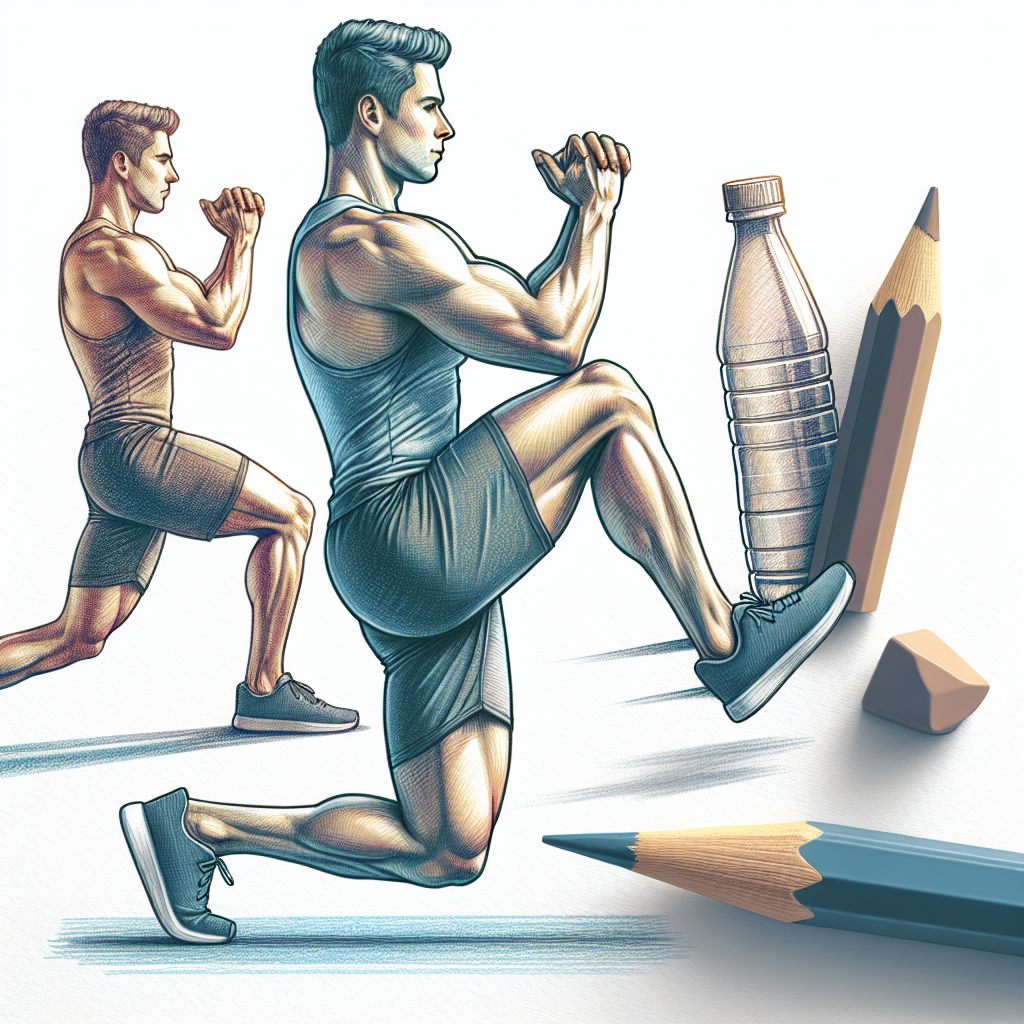
Leg strength is crucial for overall fitness, mobility, and daily activities. Whether you are a beginner looking to improve your endurance or an experienced athlete maintaining strength, leg exercises can significantly enhance your physical performance. This article explores effective leg exercises you can perform at home without any equipment. Furthermore, incorporate a structured routine to maximize your results. For those seeking efficiency, consider participating in a 30-day exercise program, where just 6 minutes of daily workout can yield similar results to those achieved in the gym. Sign up for free here.

  • Introduction
  • The Importance of Leg Workouts
  • Effective Leg Exercises to Perform at Home
  • A Practical Routine for Optimal Results
  • Signs You Should Consult a Professional
  • Common Myths About Home Leg Exercises
  • Frequently Asked Questions
  • Conclusion

The Importance of Leg Workouts

Leg workouts are fundamental for several reasons. They contribute to muscle development, improve posture, enhance joint stability, and bolster overall body strength. Strong legs also play an essential role in numerous physical activities, including running, hiking, and cycling. Moreover, enhancing leg strength aids in activities of daily living and decreases the risk of injury.

Effective Leg Exercises to Perform at Home

Here are several proven leg exercises that require no equipment and effectively build strength.

1. Squats

Squats target the quadriceps, hamstrings, and glutes. They are versatile and can be modified for various skill levels.

2. Lunges

Lunges engage multiple muscle groups, including the quadriceps, hamstrings, glutes, and calves. They can be performed forward, backward, or to the side for variety.

3. Glute Bridges

This exercise primarily targets the glutes and lower back, essential for maintaining pelvic stability.

4. Calf Raises

Calf raises are simple yet effective in strengthening the calves, contributing to improved balance and stability.

5. Step-ups

Using any sturdy platform, step-ups work the quads, hamstrings, glutes, and calves, promoting functional movement patterns.

A Practical Routine for Optimal Results

Incorporating these exercises into your routine can be straightforward. Consider the following daily sequence:

  1. Warm-up: 2 minutes of jumping jacks or high knees
  2. Perform 3 sets of 10-15 squats
  3. Complete 3 sets of 10-15 lunges (each leg)
  4. Execute 3 sets of 10-15 glute bridges
  5. Do 3 sets of 15 calf raises
  6. Finish with 3 sets of 10-15 step-ups (each leg)
  7. Cooldown: Stretch major leg muscles for 5 minutes

Signs You Should Consult a Professional

While exercise is typically safe for most individuals, certain signs indicate a need for consultation with a qualified professional, such as:

  • Persistent pain in the knees, hips, or ankles during or after exercise
  • Difficulty maintaining balance or stability
  • Swelling or inflammation in the joints
  • Loss of mobility in the lower body
  • Previously diagnosed injuries that may be aggravated by exercise

Common Myths About Home Leg Exercises

Misconceptions about home workouts can deter individuals from pursuing leg exercises effectively.

1. Myth: Only Gym Workouts Build Strength

Home workouts can be just as effective when performed correctly. Bodyweight exercises can build significant strength.

2. Myth: You Need Heavy Weights to See Results

Bodyweight exercises utilize gravity and can challenge muscles adequately for growth. Consistency is key.

3. Myth: Leg Workouts Are for Bulking Up Only

Leg workouts are beneficial for endurance, stability, and metabolism enhancement, not just muscle size.

4. Myth: Compound Movements Are Always the Best Choice

While compound movements are effective, isolation exercises also play a crucial role in muscle development.

5. Myth: You Should Feel Pain for Workouts to Be Effective

Discomfort is normal, but pain indicates potential injury. Proper form and listening to your body are essential.

Frequently Asked Questions

1. How often should I do leg exercises at home?

Aim for leg workouts 2-3 times per week, allowing at least one rest day in between for recovery.

2. Can I combine these exercises with upper body workouts?

Yes, combining leg and upper body workouts can create a balanced routine. Just ensure to schedule adequate recovery time.

3. What is the best time of day to work out?

The best time to work out is when it fits your schedule and when you feel most energetic, whether morning or evening.

4. How do I prevent injuries during leg workouts?

Focus on proper form, warm-up adequately, and listen to your body to avoid pushing through pain.

5. Can beginners perform these leg exercises?

Yes, these exercises are suitable for beginners. Start at your own pace, gradually increasing repetitions as you gain strength.

6. Should I warm up before starting leg exercises?

Yes, a proper warm-up prepares your muscles for exercise and reduces the risk of injury.

Conclusion

  • Leg exercises are essential for strength, mobility, and overall fitness.
  • No equipment is required to perform effective leg workouts at home.
  • Incorporate a structured routine for optimal results.
  • Consult a professional if experiencing persistent pain or swelling.
  • Dispelling myths can enhance your approach to home workouts.

Begin your journey to stronger legs today by utilizing the exercises discussed, and consider joining a 30-day program tailored for efficiency. Take charge of your health and fitness by registering here.

Author: John Angel

Related articles

Website analytics information

We use Google Analytics 4 for visitor statistics. Analytics cookies require your consent, which you can change using the button above. The data controller is ZDRAVÍ S ÚSMĚVEM s.r.o., company ID 29283329, contact podpora@revolucnicviceni.cz. Google processes browser, device and page visit information. We do not send form field values to Analytics. How Google uses information · Google Privacy Policy.