
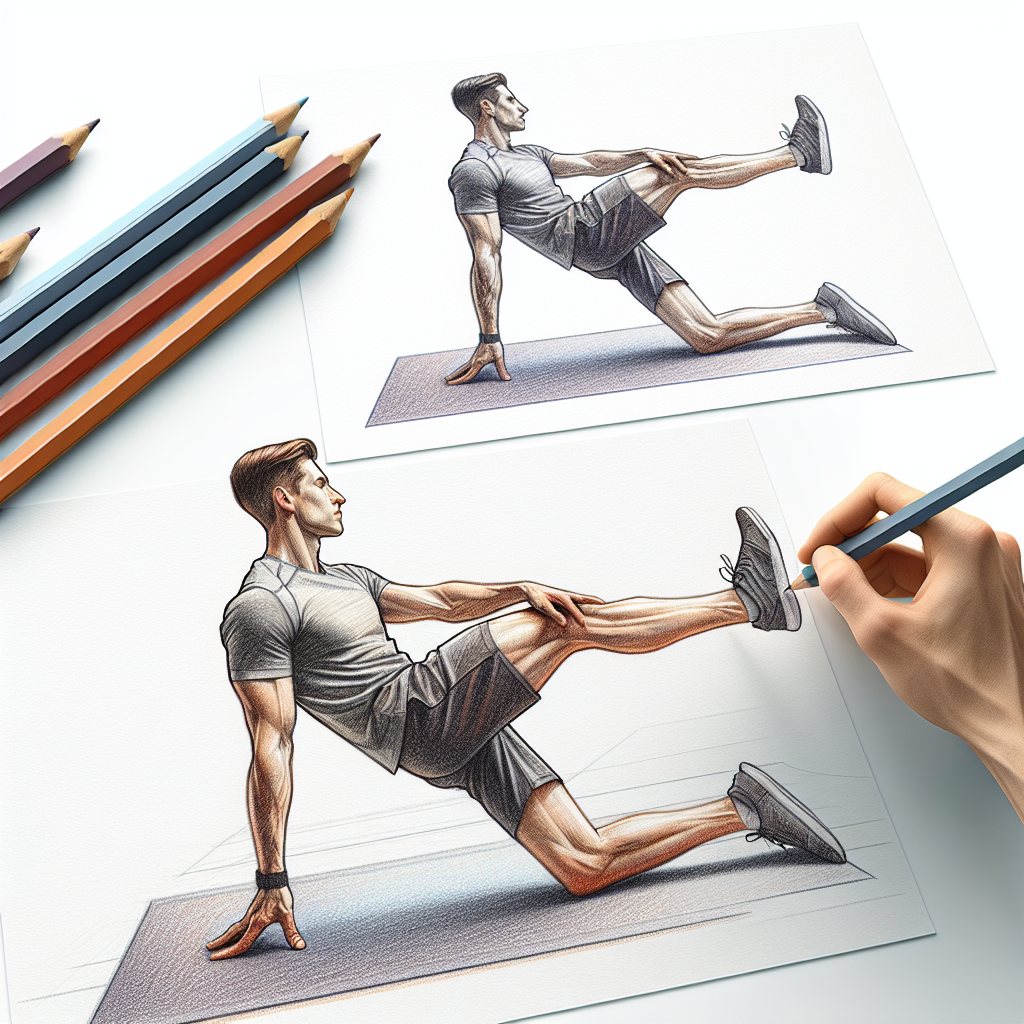
Best No Equipment Leg Exercises
Leg strength is fundamental to overall fitness and daily activities. Engaging in leg exercises without equipment can be an effective way to enhance strength, endurance, and flexibility. These exercises target various muscle groups within your legs, including the quads, hamstrings, glutes, and calves, while also improving balance and stability. This article highlights the best no-equipment leg exercises and how they can be seamlessly integrated into your fitness routine.
- Understanding Bodyweight Exercises
- Top No Equipment Leg Exercises
- Practical Steps for Effective Workouts
- Consulting Professionals When Necessary
- Common Misconceptions About Leg Workouts
- FAQs
- Conclusion and Summary
Understanding Bodyweight Exercises
Bodyweight exercises utilize the weight of your own body for resistance, allowing you to strengthen muscles without the need for equipment. This type of training is accessible, requiring minimal space and no financial investment in gym memberships or equipment. With consistency, bodyweight leg exercises can lead to significant strength gains and physical improvements.
Top No Equipment Leg Exercises
The following exercises engage different parts of the leg muscles, ensuring a comprehensive workout:
1. Squats
Squats are a fundamental exercise that benefits the entire lower body.
2. Lunges
Lunges improve balance and target various leg muscles.
3. Glute Bridges
This exercise effectively engages the glutes while enhancing core stability.
4. Calf Raises
Calf raises target the calves, improving lower leg strength.
5. Step-Ups
Step-ups can be performed on stairs or a sturdy platform, boosting overall leg strength.
6. Wall Sits
Wall sits enhance endurance in the quads while engaging the core muscles.
Practical Steps for Effective Workouts
To maximize your leg workout routine, follow these steps:
- Warm up for 5-10 minutes before starting with light cardio or dynamic stretching.
- Choose 4-5 exercises from the list provided, aiming for 10-15 repetitions for each.
- Incorporate variations, such as split squats or side lunges, to challenge your muscles differently.
- Rest for 30-60 seconds between sets for optimal recovery.
- Cool down with static stretches focusing on the legs to improve flexibility.
For those looking for a streamlined approach, consider a structured program that offers focused routines. You can explore a free registration for a 30-day exercise program that requires just 6 minutes of daily commitment yet delivers results similar to gym workouts.
Consulting Professionals When Necessary
It is essential to consult a qualified fitness professional or medical practitioner if you experience pain during exercises or have any pre-existing conditions. Signs that warrant professional advice include:
- Sudden sharp pain during movement.
- Persistent soreness that lasts beyond normal recovery time.
- Swelling or inflammation in the leg area.
- Difficulty performing daily activities due to leg discomfort.
Common Misconceptions About Leg Workouts
Understanding common myths can help you approach your fitness journey with realistic expectations:
- Myth: Bodyweight exercises are not effective.
- Truth: Properly executed bodyweight exercises can build significant strength and endurance.
- Myth: Leg workouts only focus on the quadriceps.
- Truth: A balanced leg routine targets multiple muscle groups, including glutes and hamstrings.
- Myth: More repetitions always lead to better results.
- Truth: Quality of movement and technique is more important than quantity.
FAQs
1. How often should I do leg exercises?
It is generally recommended to perform leg exercises 2-3 times per week, allowing rest days in between for recovery.
2. Can I build muscle without weights?
Yes, bodyweight exercises can effectively build muscle and enhance strength when performed correctly and consistently.
3. What is the best leg exercise for beginners?
Squats are an excellent starting point for beginners as they engage multiple muscle groups and improve overall strength.
4. Should I stretch before or after my workout?
Dynamic stretching should be included before workouts to warm up muscles, while static stretching is best post-workout for flexibility.
5. Are lunges better than squats?
Both exercises are valuable and serve different purposes; lunges improve balance and unilateral strength, while squats target overall leg power.
6. Can I perform these workouts at home?
Absolutely, no-equipment leg exercises are ideal for home workouts as they require minimal space and no specialized equipment.
Conclusion and Summary
- Bodyweight exercises can significantly enhance leg strength and functional fitness.
- Utilizing a variety of exercises targets different muscle groups for balanced development.
- Focus on form and quality to reap the most benefits from your workouts.
- Consulting a professional is advisable when experiencing pain or discomfort.
- Myths surrounding bodyweight training can hinder progress, so approach your workouts with accurate information.
Engaging in regular no-equipment leg exercises can enhance your strength, flexibility, and overall fitness. Consider integrating these exercises into your routine today, or explore a structured program to optimize your efforts. Begin your journey toward improved leg strength and overall fitness.
Author: John Angel