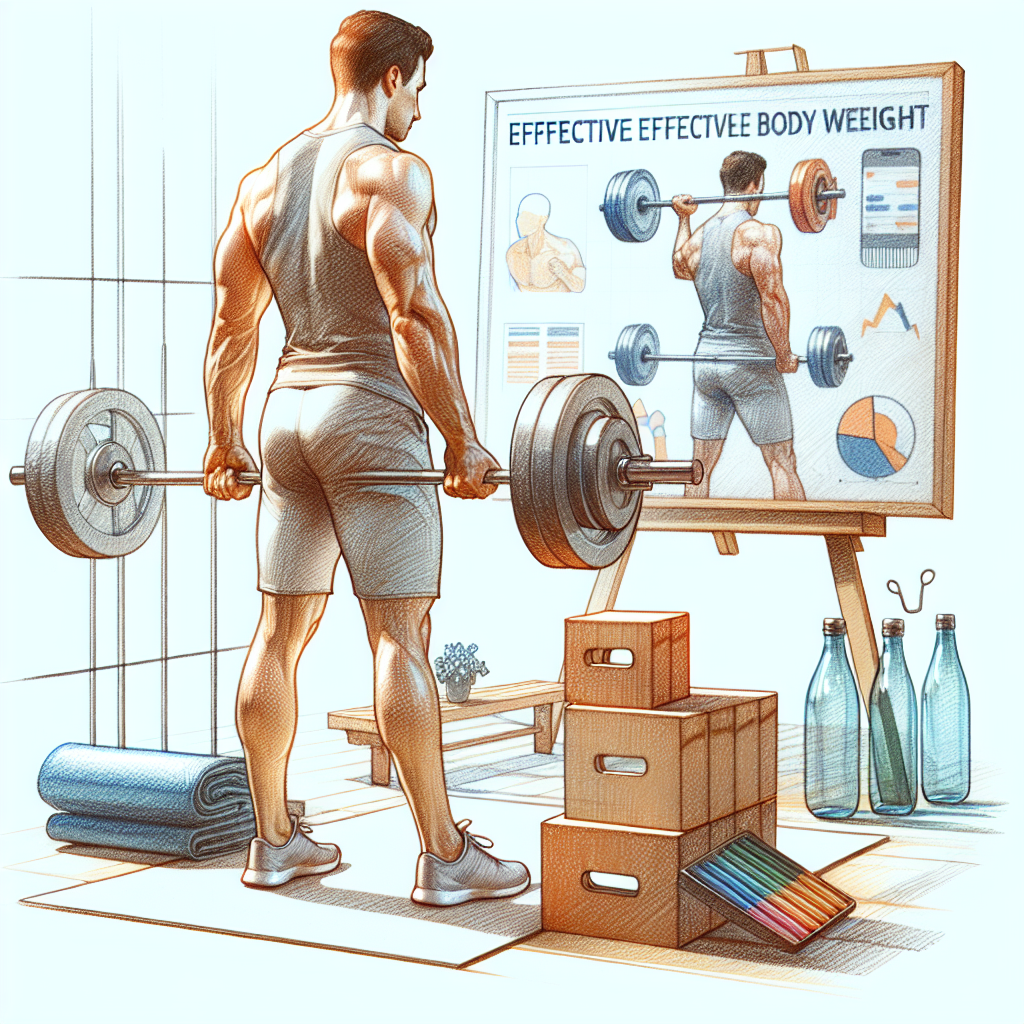
Body weight training combined with weight training is a powerful approach to enhancing physical fitness and embarking on a transformative weight loss journey. This method not only helps in building strength and endurance but also fosters a sustainable lifestyle by integrating effective workout routines into daily life. This article explores the nuances of body weight and weight training, how they work synergistically, and the magic of short, focused workouts.
- Understanding Body Weight Training
- The Role of Weight Training
- Benefits of Short Workouts
- Effective Body Weight Exercises
- When to Consult a Professional
- Common Myths and Misconceptions
- Frequently Asked Questions
Understanding Body Weight Training
Body weight training involves exercises that utilize one’s own weight as resistance. Exercises such as push-ups, squats, and planks are staples of this training style. The versatility and accessibility of body weight training make it a suitable option for individuals at various fitness levels. This approach promotes functional strength, flexibility, and balance.
The Role of Weight Training
Weight training, on the other hand, incorporates external weights to enhance muscle strength and mass. Engaging in weight lifting significantly boosts metabolism, resulting in more calories burned throughout the day. By combining both body weight and weight training, one can achieve a comprehensive workout that develops muscle tone, sheds excess fat, and supports overall well-being.
Benefits of Short Workouts
The innovation of six-minute short workouts at home is particularly appealing for those leading busy lives. These concise sessions can be strategically integrated into a person’s daily routine, yielding substantial fitness benefits without demanding a significant time investment. Short workouts reduce barriers to exercise and can be a great motivator on your weight loss journey.
Such workouts stimulate your metabolism, improve cardiovascular health, and enhance muscular endurance, proving to be both efficient and effective. They also encourage consistent exercise habits, which are crucial for long-term success in weight management.
Effective Body Weight Exercises
To maximize the benefits of body weight and weight training, consider the following exercises:
- Push-Ups: Strengthen the chest, shoulders, and triceps.
- Squats: Target the legs, glutes, and core.
- Lunges: Enhance balance and coordination while working on leg muscles.
- Planks: Develop core strength and stability.
- Burpees: Provide a full-body workout that incorporates strength and cardio.
Incorporating these exercises into a six-minute workout can initiate a transformative effect on your fitness journey. For a structured 30-day program that incorporates these elements, consider registering for the SixPack workout program for free.
When to Consult a Professional
While many individuals can engage in self-directed training, there are instances when consulting a fitness professional becomes crucial. Consider seeking expert guidance if you experience:
- Chronic pain or discomfort during workouts
- Difficulty maintaining proper form
- Injuries that hinder your fitness routine
- A significant plateau in weight loss or strength gains
A qualified professional can provide personalized assessments and tailored workout strategies to help you overcome these challenges effectively.
Common Myths and Misconceptions
Several myths surrounding body weight and weight training can hinder progress on your fitness journey:
- Myth 1: Body weight training is ineffective for building strength.
- Myth 2: Lifting weights will result in bulky muscles for women.
- Myth 3: You need to spend hours in the gym to see results.
Understanding these misconceptions can empower individuals to adopt practical and effective strategies in their training regimen.
Frequently Asked Questions
What are the benefits of body weight training?
Body weight training enhances functional strength, flexibility, and balance while improving overall fitness.
Can I lose weight through body weight exercises alone?
Yes, body weight exercises can facilitate weight loss, especially when combined with a balanced diet.
How often should I train with weights?
Aim for 2-3 strength training sessions per week, allowing for adequate recovery in between.
Is it necessary to warm up before workouts?
Yes, warming up prepares your body for exercise and helps prevent injuries.
How can I remain motivated during my weight loss journey?
Set achievable goals, track your progress, and integrate enjoyable activities into your routine to stay motivated.
What role do short workouts play in weight loss?
Short workouts can boost metabolism, maintain consistency, and fit conveniently into busy schedules, aiding in weight loss.
Conclusion
- Body weight training is an effective, accessible method for enhancing fitness.
- Weight training amplifies strength and caloric burn, supporting weight loss efforts.
- Short workouts can seamlessly integrate into busy lives, providing significant results.
- Consulting a professional is essential when facing persistent challenges in your fitness journey.
- Understanding common myths can promote healthier, more effective training strategies.
Embarking on a weight loss journey does not have to be overwhelming or time-consuming. By incorporating body weight and weight training into frequent, enjoyable workouts, you can attain your fitness goals. To get started with a structured approach, consider the SixPack workout program for free today!
Author: John Angel