
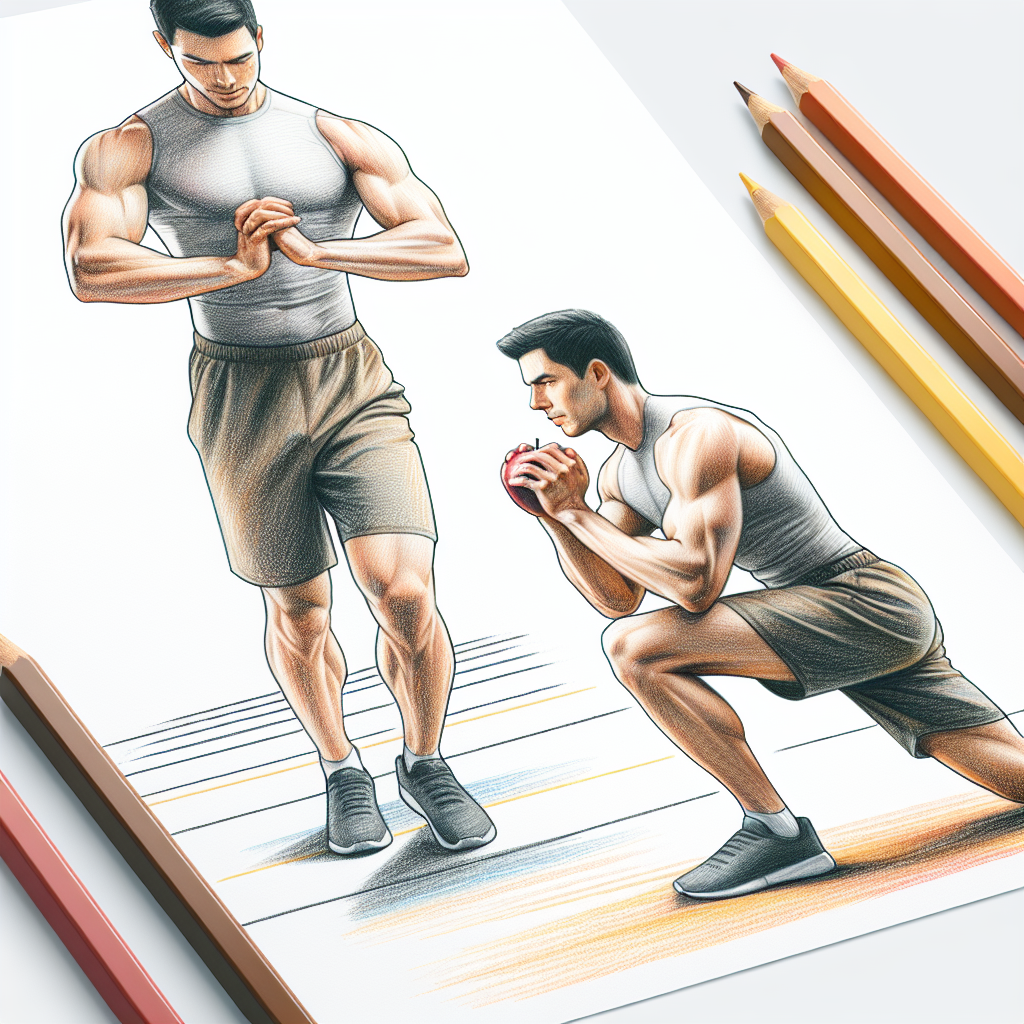
Body Workout: No Equipment Needed
In today’s fast-paced world, finding time for exercise can be challenging. Fortunately, you can achieve effective results without needing a gym membership or extensive equipment. A body workout focusing on bodyweight exercises can help you tone muscles, improve flexibility, and enhance cardiovascular fitness—all within a short daily routine. This article provides practical guidance on how to implement a no-equipment workout, empowering you to enhance your physical well-being effortlessly.
- Understanding Bodyweight Exercises
- Benefits of No-Equipment Workouts
- Creating Your Workout Routine
- Practical Steps for a 6-Minute Daily Exercise
- When to Seek Professional Guidance
- Common Myths and Mistakes
- Frequently Asked Questions
- Conclusion
Understanding Bodyweight Exercises
Bodyweight exercises utilize the weight of your own body to provide resistance, eliminating the need for external apparatus. They include movements such as squats, push-ups, and planks. These exercises can be modified to suit any fitness level, making them accessible for everyone—from beginners to more advanced enthusiasts.
Benefits of No-Equipment Workouts
Engaging in no-equipment workouts presents several key advantages, including:
- Convenience: You can perform these workouts anywhere, whether at home, in a park, or while traveling.
- Cost-effective: Avoiding gym memberships and equipment purchase saves money.
- Improved Functional Fitness: Bodyweight exercises enhance strength, flexibility, and endurance, beneficial for daily activities.
- Customization: You can easily modify exercises to target specific muscle groups or adapt to your fitness level.
Creating Your Workout Routine
To make the most of your no-equipment workout, consider the following elements when creating your routine:
- Set Clear Goals: Identify what you hope to achieve, such as weight loss, toning, or endurance.
- Choose Targeted Exercises: Pick movements that align with your goals, incorporating various muscle groups.
- Determine Frequency: Aim for at least three to five sessions per week for optimal results.
- Incorporate Variety: Change your routine periodically to prevent plateaus and maintain engagement.
Practical Steps for a 6-Minute Daily Exercise
Implementing a brief yet effective workout can fit seamlessly into your busy schedule. Here’s a simple routine you can follow:
- Warm-up (1 minute): Perform jumping jacks or jog in place.
- Bodyweight Squats (1 minute): Stand with feet shoulder-width apart, lower your body as if sitting back into a chair, then return to standing.
- Push-ups (1 minute): Start in a plank position, bend your elbows to lower your body toward the ground, then push back up.
- Plank (1 minute): Hold a plank position on your forearms, keeping your body in a straight line.
- Mountain Climbers (1 minute): In a plank position, alternate bringing your knees toward your chest at a quick pace.
- Cool Down (1 minute): Stretch your arms, legs, and back to reduce muscle tension.
For more structured guidance, you can participate in a 30-day exercise program where you only need to dedicate 6 minutes a day. Sign up for free at this link.
When to Seek Professional Guidance
While bodyweight workouts are generally safe for most individuals, there are instances when consulting a qualified professional might be warranted:
- If you experience persistent pain during exercises.
- If you have pre-existing medical conditions, especially those affecting cardiovascular health.
- If you are recovering from an injury.
- If you have concerns about proper form or technique.
Common Myths and Mistakes
Understanding common misconceptions about bodyweight workouts can enhance your effectiveness:
- Myth: Bodyweight Exercises Are Not Challenging: Many assume bodyweight workouts are easy; however, they can be modified for increased intensity.
- Mistake: Neglecting Warm-up and Cool Down: Skipping these components may lead to injury or hinder performance.
- Myth: Equipment Is Always Necessary for Progress: Consistent bodyweight training can yield significant gains without equipment.
- Mistake: Poor Form: Prioritize correct technique to maximize benefits and minimize injury risk.
Frequently Asked Questions
Can beginners do bodyweight workouts?
Yes, bodyweight exercises can be modified to suit different skill levels, making them ideal for beginners.
How often should I perform no-equipment workouts?
Aim for at least three to five times per week for optimal results.
Do bodyweight workouts help with weight loss?
When combined with a balanced diet, bodyweight workouts can contribute to weight loss by burning calories and building muscle.
Are there any risks associated with bodyweight training?
While generally safe, improper technique or overtraining can lead to injuries. Listen to your body and consult a professional if needed.
How can I keep my workouts engaging?
Incorporate a variety of exercises, change your routine periodically, or use a structured program to maintain motivation.
What should I do if I experience pain during a workout?
Stop the activity immediately and consult a qualified healthcare professional if the pain persists or is severe.
Conclusion
- Bodyweight workouts are accessible and effective for all fitness levels.
- They can be performed anywhere, saving you time and money.
- Establish clear goals and develop a personalized routine for the best outcomes.
- Understanding when to seek professional guidance is crucial for safety.
- Combating myths and mistakes can improve your training efficacy.
With just a few minutes each day, you can achieve your fitness goals through bodyweight exercise. Consider trying a structured program for a guided experience, and let your fitness journey begin today!
Author: John Angel