
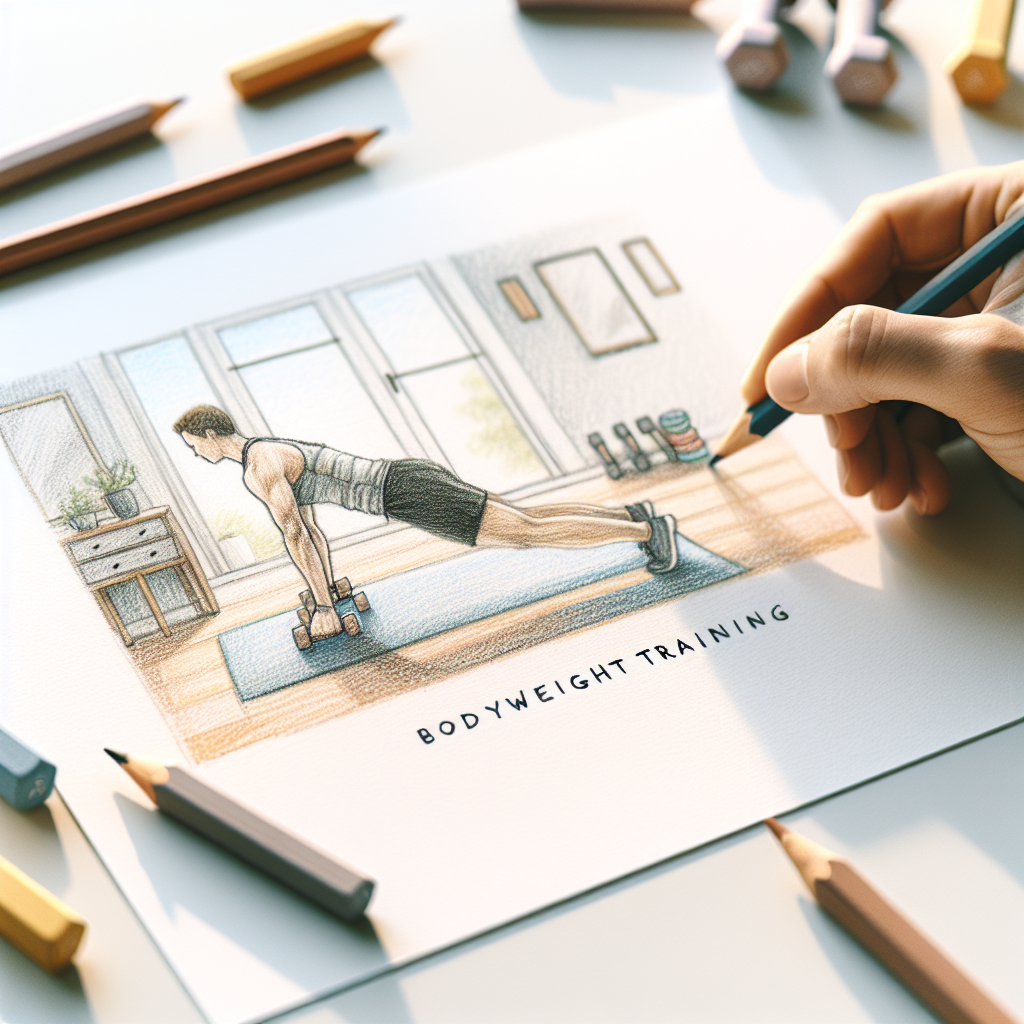
Bodyweight Workout for Weight Loss
Embarking on a weight loss journey can be both invigorating and overwhelming. One highly effective method that has gained popularity is bodyweight workouts. These routines, which use your own body weight as resistance, have proven to facilitate significant weight loss and enhance overall fitness. This article will explore the benefits of bodyweight workouts, provide practical guidelines for implementing them into your routine, and address common misconceptions surrounding this approach.
- Understanding Bodyweight Workouts
- Benefits of Bodyweight Training
- Effective Bodyweight Exercises for Weight Loss
- Creating a Structured Workout Plan
- When to Consult a Professional
- Common Myths and Misconceptions
- Frequently Asked Questions
- Conclusion
Understanding Bodyweight Workouts
Bodyweight workouts involve performing exercises that rely on your body weight for resistance. This form of training can be done anywhere without the need for additional equipment, making it accessible for individuals at all fitness levels. By incorporating movements that engage multiple muscle groups, bodyweight exercises can effectively boost metabolism, leading to fat loss while building strength and endurance.
Benefits of Bodyweight Training
Bodyweight workouts offer numerous advantages that can support your weight loss goals:
- Convenience: You can perform these exercises at home, in a park, or even in your office.
- Cost-effective: No gym membership or expensive equipment is necessary.
- Scalability: Workouts can be easily modified to increase or decrease intensity based on your fitness level.
- Full-body engagement: Many bodyweight exercises target multiple muscle groups, promoting greater caloric burn.
- Improved mobility and control: These exercises enhance your body control, balance, and flexibility.
Effective Bodyweight Exercises for Weight Loss
Incorporating a variety of bodyweight exercises enhances your workout regimen. The following exercises are particularly effective for weight loss:
- Push-ups: Target the chest, shoulders, and triceps.
- Squats: Engage the lower body, including quadriceps and glutes.
- Lunges: Strengthen the legs and improve stability.
- Planks: Activate the core, enhancing overall stability.
- Burpees: Combine cardio and strength for a full-body workout.
- Mountain Climbers: Boost heart rate while working the core and legs.
Creating a Structured Workout Plan
To achieve maximum results from your bodyweight workouts, consider the following structured plan:
- Warm-up: Start with a 5-minute dynamic warm-up to prepare your muscles.
- Engage in varied exercises: Select 4–5 exercises from the list above. Perform each exercise for 30 seconds followed by a 15-second rest.
- Repeat: Complete 3–4 rounds of the circuit, progressively increasing duration as you gain strength.
- Cool down: End with 5 minutes of stretching to enhance recovery.
- Consistency: Aim for at least 4–5 workouts per week for optimal results.
For those who want a structured yet time-efficient regimen, consider signing up for a free 30-day exercise program where you only exercise for 6 minutes daily but achieve results similar to a gym workout: Registration here.
When to Consult a Professional
While bodyweight workouts can be safely performed by most individuals, there are certain situations where professional guidance is advisable:
- If you have existing medical conditions or injuries.
- If you are unsure about proper form and technique, which can lead to injury.
- If you are new to exercise and require personalized programming.
Common Myths and Misconceptions
Understanding the truth behind misconceptions about bodyweight training is crucial:
- Myth 1: Bodyweight workouts are ineffective for muscle gain. Fact: While bodyweight exercises can build strength, they may require more progression than weighted lifts.
- Myth 2: Only advanced athletes can perform bodyweight exercises. Fact: Modifications exist, making it suitable for all fitness levels.
- Myth 3: You need a gym for a good workout. Fact: Bodyweight training can be just as effective in various settings.
Frequently Asked Questions
What are bodyweight workouts?
Bodyweight workouts use your own body as resistance to strengthen and tone muscles, improving overall fitness.
Can beginners do bodyweight exercises?
Yes, bodyweight exercises can be modified to accommodate all fitness levels, including beginners.
How long should I work out each day?
Start with 15-30 minutes of bodyweight exercises per session, aiming to build intensity as you progress.
Are bodyweight workouts effective for weight loss?
Absolutely. They can boost metabolism and promote fat loss when combined with a balanced diet.
What if I don’t have time for long workouts?
Short, high-intensity bodyweight workouts can yield results, making them suitable for busy schedules.
Is it necessary to do warm-ups before workouts?
Yes, warming up prepares your muscles and reduces the risk of injury during your workout.
Conclusion
- Bodyweight workouts are convenient and accessible for effective weight loss.
- They engage multiple muscle groups for enhanced caloric burn.
- Structuring your workout plan is essential for progress and motivation.
- Consult professionals when unsure about your exercise regimen or if you have health concerns.
- Dispelling myths can help you harness the full potential of bodyweight training.
Embark on your weight loss journey today by integrating bodyweight workouts into your routine, starting with just a few minutes each day. Explore options like the free 30-day exercise program to see remarkable results with minimal time commitment: Registration here.
Author: John Angel