Categories
Fitness

Effective Home Fitness Exercises Without Equipment

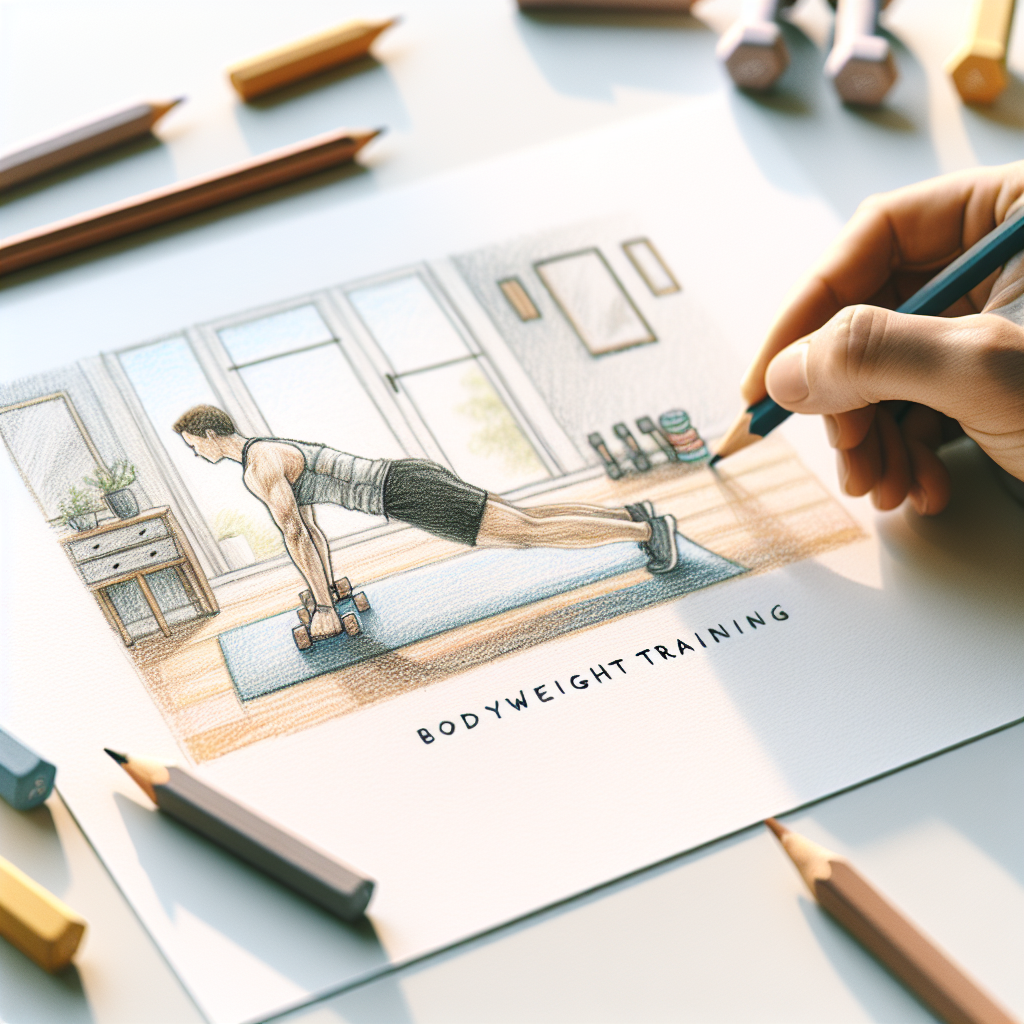
Utilizing home fitness exercises without equipment can provide you with a flexible and accessible means to enhance your physical health. These exercises require no financial investment in gym equipment, enabling you to integrate fitness seamlessly into your daily routine. With minimal time commitment and space requirement, even the busiest individuals can prioritize their well-being. Here, we will explore effective exercises, their benefits, and best practices for incorporating them into your lifestyle.

  • Introduction
  • Understanding Bodyweight Exercises
  • Essential Home Exercises
  • Creating Your Daily Routine
  • Common Myths About Home Fitness
  • When to Consult a Professional
  • Frequently Asked Questions
  • Conclusion

Understanding Bodyweight Exercises

Bodyweight exercises leverage the weight of your body to create resistance, effectively promoting strength and endurance. They can be advantageous for individuals of all fitness levels, as these exercises often allow for easy modifications to suit personal capabilities.

Benefits of Bodyweight Exercises

Engaging in bodyweight exercises has several upsides:

  • No equipment needed: Accessible virtually anywhere.
  • Improved strength: Helps build functional strength and muscular endurance.
  • Flexibility: Many exercises promote increased flexibility and mobility.
  • Caloric burn: Effective in burning calories and aiding in weight management.
  • Core stability: Many movements enhance core muscle engagement, crucial for overall stability.

Essential Home Exercises

Here is a list of key exercises you can perform at home without equipment:

1. Push-Ups

Push-ups target the chest, shoulders, arms, and core. Begin in a plank position, lowering your body until your chest nearly touches the ground and then pushing back up.

2. Squats

Squats strengthen the lower body, including the glutes, hamstrings, and quadriceps. Stand with your feet hip-width apart, lower your body as if sitting in a chair, and rise back up.

3. Planks

Planks enhance core strength and stability. Start in a push-up position and hold your body in a straight line from head to heels for as long as comfortably possible.

4. Lunges

Lunges work the legs and glutes. Step forward with one leg, lower your hips until both knees are bent at about a 90-degree angle, and return to a standing position.

5. Burpees

Burpees combine strength and cardio. From a standing position, drop into a squat, kick your feet back, return to a squat, and jump up explosively.

Creating Your Daily Routine

Designing a fitness routine at home can be straightforward. Here is a simple guideline for crafting your daily routine:

  1. Allocate Time: Set aside at least 10-30 minutes each day.
  2. Choose Exercises: Select 4-5 exercises from the previous section.
  3. Set Repetitions: Aim for 10-15 repetitions for strength exercises and hold for 20-60 seconds for planks.
  4. Gradually Increase Intensity: As you progress, introduce variations or increase repetitions.
  5. Rest and Recover: Ensure adequate rest between workouts to allow muscle recovery.

For a guided approach, consider participating in a systematic program. You can register for a 30-day exercise program where you only exercise for 6 minutes every day and still achieve results akin to gym workouts by clicking here.

Common Myths About Home Fitness

Several misconceptions exist regarding home fitness that may deter individuals from fully committing to a home workout regime:

  • You Need Gym Equipment: Many effective exercises require only your body weight.
  • Home Workouts Are Ineffective: With proper intensity and consistency, home workouts can yield significant results.
  • More Time Equals Better Results: Quality often trumps quantity—short, high-intensity workouts can be very effective.
  • Only Beginners Use Bodyweight Exercises: Athletes and veterans, too, incorporate bodyweight exercises for versatility and functional strength.

When to Consult a Professional

There are certain scenarios where consulting a qualified fitness professional is advisable:

  • If you are unsure about your exercise form or technique.
  • If you experience pain or discomfort that persists during workouts.
  • For personalized exercise programs tailored to specific health conditions or goals.
  • If you are returning after an injury or extended break from physical activity.

Frequently Asked Questions

What exercises can I do at home without any equipment?

You can perform push-ups, squats, lunges, burpees, and planks with no equipment.

How long should I work out at home?

A 10-30 minute session daily can be very effective for home workouts.

Can bodyweight exercises build muscle?

Yes, bodyweight exercises can build muscle, improve strength, and enhance endurance.

How can I measure my progress without equipment?

You can track repetitions, duration, and how you feel during exercises over time.

Is it necessary to warm up before home workouts?

Yes, warming up is essential to prepare your body and reduce the risk of injury.

Are home workouts suitable for everyone?

Most people can benefit from home workouts, but individuals with specific health issues should consult a professional.

Conclusion

  • Bodyweight exercises offer an effective means of maintaining fitness without equipment.
  • Creating a structured routine can help you stay consistent in your fitness efforts.
  • Address common myths to boost your confidence in home workouts.
  • Consult a professional when experiencing pain or when personalized guidance is needed.
  • Embrace the convenience of home fitness to improve overall well-being.

Consider integrating home fitness exercises into your daily routine by leveraging the vast array of equipment-free workouts available. Take a step toward better health and explore the program available through the link provided earlier.

Author: John Angel

Related articles

Categories
Fitness

Effective Intense Workouts Without Equipment in 6 Minutes

In the fast-paced world we inhabit, finding time for exercise can often feel daunting. However, an intense workout without equipment can be both effective and feasible, allowing individuals to foster their fitness goals regardless of their busy schedules. This article discusses how to implement a high-intensity workout routine at home that requires no equipment and can be performed in a mere 6 minutes daily, offering results comparable to traditional gym sessions. For those interested in a structured approach, register for a free 30-day exercise program and experience firsthand the power of efficient workouts.

  • Understanding High-Intensity Workouts
  • Benefits of No-Equipment Exercises
  • Sample Workout Routine
  • Debunking Common Myths
  • When to Seek Professional Guidance
  • Frequently Asked Questions

Understanding High-Intensity Workouts

High-intensity workouts, often referred to as High-Intensity Interval Training (HIIT), consist of short bursts of intense exercise followed by brief recovery periods. The concept is straightforward yet powerful; these quick, yet vigorous exertions elevate the heart rate and improve cardiovascular fitness while maximizing calorie burning in a fraction of the time compared to moderate-intensity workouts.

Benefits of No-Equipment Exercises

Engaging in workouts without equipment offers various benefits:

  • Accessibility: You can perform these workouts virtually anywhere, eliminating the need for a gym membership or travel time.
  • Cost-Effective: No need to invest in expensive gym equipment or facilities.
  • Flexibility in Scheduling: Quick workouts can fit into even the busiest of schedules.
  • Improved Functional Strength: Many no-equipment exercises enhance functional movements applicable to daily activities.

Sample Workout Routine

Here is a 6-minute bodyweight workout routine that can be modified according to fitness levels. This routine can be repeated for maximum effectiveness:

  1. Jumping Jacks (1 minute): A great warm-up exercise that elevates the heart rate.
  2. Push-Ups (1 minute): Strengthens the chest, shoulders, and core. Modify on knees if necessary.
  3. Bodyweight Squats (1 minute): Improves leg strength and stability.
  4. Burpees (1 minute): Full-body conditioning exercise for metabolic conditioning.
  5. Plank (1 minute): Focuses on core stability.
  6. High Knees (1 minute): Boosts cardiovascular fitness and endurance.

Be sure to perform each exercise consistently, focusing on form and technique for the best results.

Debunking Common Myths

Several misconceptions can deter individuals from engaging in no-equipment workouts:

  • Myth 1: You need fancy equipment to be fit.
  • Myth 2: Bodyweight exercises are ineffective compared to gym workouts.
  • Myth 3: Short workouts are not beneficial.
  • Myth 4: Only longer durations yield results in fitness.

Recognizing the truth in these statements is crucial for fostering a positive fitness experience.

When to Seek Professional Guidance

While many individuals can safely engage in no-equipment workouts, certain circumstances warrant consultation with a fitness professional:

  • If you have pre-existing health conditions or injuries.
  • If you experience pain or discomfort during exercise.
  • If you’re unsure of the proper form for specific exercises.
  • If you’re new to exercise and need personalized guidance.

Frequently Asked Questions

Can I get results from 6 minutes of exercise daily?

Yes, consistent high-intensity workouts can yield significant results, particularly when focusing on progressive overload and varied exercises.

What should I do if I find the exercises too challenging?

Start with modified versions of the exercises and gradually increase intensity as your strength and endurance improve.

Are no-equipment workouts suitable for beginners?

Absolutely! Bodyweight exercises can be adjusted to accommodate all fitness levels, making them ideal for beginners.

How often should I do these workouts?

For optimal results, aim for at least 3 to 5 sessions per week, allowing for adequate rest and recovery.

What are the potential risks of high-intensity workouts?

Risks include injury if exercises are performed with improper form or if exceeding your fitness level. Always listen to your body.

Can no-equipment workouts be effective for weight loss?

Yes, when combined with a balanced diet, no-equipment workouts can effectively support weight loss through increased caloric expenditure.

Conclusion

  • Intense workouts without equipment can be performed effectively in just 6 minutes daily.
  • These workouts offer accessibility, cost-effectiveness, and a flexible scheduling option.
  • A structured no-equipment routine can yield results comparable to conventional gym sessions.
  • Understanding common myths can help enhance your fitness journey.
  • Professional guidance is recommended for individuals with specific health concerns or uncertainties in exercise execution.

Empower yourself by incorporating intense, no-equipment workouts into your routine today. For a structured approach, be sure to sign up for a free 30-day exercise program that fits seamlessly into your lifestyle.

Author: John Angel

Related articles

Categories
Fitness

Effective Bodyweight Workouts for Weight Loss

Bodyweight Workout for Weight Loss

Embarking on a weight loss journey can be both invigorating and overwhelming. One highly effective method that has gained popularity is bodyweight workouts. These routines, which use your own body weight as resistance, have proven to facilitate significant weight loss and enhance overall fitness. This article will explore the benefits of bodyweight workouts, provide practical guidelines for implementing them into your routine, and address common misconceptions surrounding this approach.

  • Understanding Bodyweight Workouts
  • Benefits of Bodyweight Training
  • Effective Bodyweight Exercises for Weight Loss
  • Creating a Structured Workout Plan
  • When to Consult a Professional
  • Common Myths and Misconceptions
  • Frequently Asked Questions
  • Conclusion

Understanding Bodyweight Workouts

Bodyweight workouts involve performing exercises that rely on your body weight for resistance. This form of training can be done anywhere without the need for additional equipment, making it accessible for individuals at all fitness levels. By incorporating movements that engage multiple muscle groups, bodyweight exercises can effectively boost metabolism, leading to fat loss while building strength and endurance.

Benefits of Bodyweight Training

Bodyweight workouts offer numerous advantages that can support your weight loss goals:

  • Convenience: You can perform these exercises at home, in a park, or even in your office.
  • Cost-effective: No gym membership or expensive equipment is necessary.
  • Scalability: Workouts can be easily modified to increase or decrease intensity based on your fitness level.
  • Full-body engagement: Many bodyweight exercises target multiple muscle groups, promoting greater caloric burn.
  • Improved mobility and control: These exercises enhance your body control, balance, and flexibility.

Effective Bodyweight Exercises for Weight Loss

Incorporating a variety of bodyweight exercises enhances your workout regimen. The following exercises are particularly effective for weight loss:

  • Push-ups: Target the chest, shoulders, and triceps.
  • Squats: Engage the lower body, including quadriceps and glutes.
  • Lunges: Strengthen the legs and improve stability.
  • Planks: Activate the core, enhancing overall stability.
  • Burpees: Combine cardio and strength for a full-body workout.
  • Mountain Climbers: Boost heart rate while working the core and legs.

Creating a Structured Workout Plan

To achieve maximum results from your bodyweight workouts, consider the following structured plan:

  1. Warm-up: Start with a 5-minute dynamic warm-up to prepare your muscles.
  2. Engage in varied exercises: Select 4–5 exercises from the list above. Perform each exercise for 30 seconds followed by a 15-second rest.
  3. Repeat: Complete 3–4 rounds of the circuit, progressively increasing duration as you gain strength.
  4. Cool down: End with 5 minutes of stretching to enhance recovery.
  5. Consistency: Aim for at least 4–5 workouts per week for optimal results.

For those who want a structured yet time-efficient regimen, consider signing up for a free 30-day exercise program where you only exercise for 6 minutes daily but achieve results similar to a gym workout: Registration here.

When to Consult a Professional

While bodyweight workouts can be safely performed by most individuals, there are certain situations where professional guidance is advisable:

  • If you have existing medical conditions or injuries.
  • If you are unsure about proper form and technique, which can lead to injury.
  • If you are new to exercise and require personalized programming.

Common Myths and Misconceptions

Understanding the truth behind misconceptions about bodyweight training is crucial:

  • Myth 1: Bodyweight workouts are ineffective for muscle gain. Fact: While bodyweight exercises can build strength, they may require more progression than weighted lifts.
  • Myth 2: Only advanced athletes can perform bodyweight exercises. Fact: Modifications exist, making it suitable for all fitness levels.
  • Myth 3: You need a gym for a good workout. Fact: Bodyweight training can be just as effective in various settings.

Frequently Asked Questions

What are bodyweight workouts?

Bodyweight workouts use your own body as resistance to strengthen and tone muscles, improving overall fitness.

Can beginners do bodyweight exercises?

Yes, bodyweight exercises can be modified to accommodate all fitness levels, including beginners.

How long should I work out each day?

Start with 15-30 minutes of bodyweight exercises per session, aiming to build intensity as you progress.

Are bodyweight workouts effective for weight loss?

Absolutely. They can boost metabolism and promote fat loss when combined with a balanced diet.

What if I don’t have time for long workouts?

Short, high-intensity bodyweight workouts can yield results, making them suitable for busy schedules.

Is it necessary to do warm-ups before workouts?

Yes, warming up prepares your muscles and reduces the risk of injury during your workout.

Conclusion

  • Bodyweight workouts are convenient and accessible for effective weight loss.
  • They engage multiple muscle groups for enhanced caloric burn.
  • Structuring your workout plan is essential for progress and motivation.
  • Consult professionals when unsure about your exercise regimen or if you have health concerns.
  • Dispelling myths can help you harness the full potential of bodyweight training.

Embark on your weight loss journey today by integrating bodyweight workouts into your routine, starting with just a few minutes each day. Explore options like the free 30-day exercise program to see remarkable results with minimal time commitment: Registration here.

Author: John Angel

Related articles

Categories
Fitness

Maximize Weight Loss with Efficient Six-Minute Workouts

Embarking on a weight loss journey can be daunting, but integrating structured exercise into your daily routine can make this process both effective and enjoyable. This article focuses on the transformative power of short workouts at home, especially the six-minute workouts that fit conveniently into even the busiest schedules. By adopting these practices, you can foster a healthier lifestyle while simultaneously managing your weight effectively.

  • Understanding the Benefits of Short Workouts
  • Incorporating Exercises into Your Daily Routine
  • The Role of Consistency in Weight Loss
  • Addressing Common Misconceptions
  • When to Seek Professional Guidance
  • FAQs about Short Workouts

Understanding the Benefits of Short Workouts

Short workouts, particularly those lasting just six minutes, offer numerous advantages. They are designed to increase heart rate quickly, enhancing caloric burn without requiring extensive time commitment. This makes them particularly appealing to those juggling multiple responsibilities.

Efficiency and Flexibility

One of the primary benefits of six-minute workouts is their efficiency. You can engage in high-intensity exercises that maximize calorie expenditure in a minimal time frame. This integrated approach allows individuals to exercise effectively, regardless of their daily obligations.

Boosting Mental Health

Exercise is not only beneficial for physical health but also plays a crucial role in enhancing mental well-being. Short bursts of physical activity can elevate mood, reduce stress levels, and improve overall cognitive function. This is particularly vital during a weight loss journey, as maintaining motivation is essential for success.

Incorporating Exercises into Your Daily Routine

Adding short workouts to your day can be straightforward. Here are some practical methods to easily incorporate six-minute exercises:

  • Identify a convenient time: Choose a specific time of day that works best for you, whether it’s in the morning, during lunch, or before bed.
  • Customize routines: Use a combination of bodyweight exercises such as squats, push-ups, and planks.
  • Engage in classes: Consider participating in structured programs such as the SixPack workout program for 30 days free, which focuses on short, impactful routines.
  • Make it a habit: Consistency is key. Acknowledge your progress and reward yourself for small milestones to sustain motivation.

The Role of Consistency in Weight Loss

Weight loss is not solely determined by the intensity or duration of workouts, but rather by the consistent application of healthy habits. By regulating your exercise routine, you can create a sustained caloric deficit, which is crucial for weight loss.

Addressing Common Misconceptions

There are several myths surrounding short workouts that can detract from their benefits. Understanding these misconceptions is crucial for maintaining a positive mindset during your weight loss journey.

Myth: Short Workouts Are Not Effective

Many believe that longer workouts yield better results. However, studies have shown that short, high-intensity workouts can be just as effective—if not more so—than extended sessions, particularly for burning fat.

Myth: You Need to Exercise Everyday

Another common myth is that daily exercise is necessary for weight loss. In reality, integrating short workouts a few times a week can yield positive results. Balance is key; rest days are equally vital for recovery.

When to Seek Professional Guidance

While short workouts can be incredibly effective, there are times when consulting a professional is advisable. If you experience any of the following, consider reaching out for expert advice:

  • Persistent pain during or after exercise.
  • Difficulty maintaining motivation or making consistent progress.
  • Sudden changes in your health or energy levels.
  • Concern about starting an exercise program due to existing health conditions.

FAQs about Short Workouts

What are the key benefits of six-minute workouts?

Six-minute workouts enhance efficiency, boost mental health, and promote adherence to exercise routines while being adaptable to any schedule.

How many times a week should I perform short workouts?

Three to five times a week is generally sufficient, depending on your fitness levels and goals.

Can I lose weight with short workouts alone?

While short workouts can be effective, combining them with a balanced diet will yield the best results in weight loss.

Do I need special equipment for these workouts?

No, many six-minute workouts use bodyweight exercises and require little to no equipment, making them accessible for everyone.

How do I stay motivated to continue my workouts?

Set realistic goals, track your progress, and consider joining programs like the SixPack workout program for 30 days free to maintain motivation.

Is it important to rest between workouts?

Yes, rest days are crucial for recovery and to prevent burnout or injury, especially when engaging in high-intensity workouts.

Conclusion

  • Short workouts can fit seamlessly into any schedule, enhancing efficiency in your weight loss journey.
  • Consistency in exercise is vital for achieving lasting results.
  • Many misconceptions about short workouts may hinder progress; awareness can help maintain motivation.
  • Professional advice can be beneficial when experiencing pain or struggling with motivation.
  • Consider structured programs to maximize your weight loss efforts.

As you embark on your weight loss journey, remember that integrating short, efficient workouts into your daily routine can yield significant benefits. Take the first step today by exploring the SixPack workout program for 30 days free and discover the power of a six-minute workout.

Author: John Angel

Related articles

Categories
Fitness

Transform Your Fitness with Effective One-Hour Workouts

Unlocking the Power of One-Hour Workouts: Your Weight Loss Journey Awaits

Embarking on a weight loss journey often feels overwhelming, but integrating one-hour workouts into your routine can simplify and enhance the process. These sessions not only promote calorie burn but also instill discipline and routine into your daily life. Whether you are at home or the gym, dedicating a mere hour to focused exercise can be transformative, both physically and mentally.

  • Understanding the Dynamics of One-Hour Workouts
  • The Comprehensive Benefits of Regular Workouts
  • Structuring Your One-Hour Sessions
  • Addressing When to Consult a Professional
  • Common Misconceptions About Weight Loss Workouts
  • Frequently Asked Questions
  • Conclusion

Understanding the Dynamics of One-Hour Workouts

One-hour workouts encapsulate various training styles, from strength training to high-intensity interval training (HIIT) and cardiovascular endurance. Each style offers distinct advantages that contribute to weight loss and overall fitness improvement. The key lies in maintaining intensity and variety, ensuring muscles remain engaged while creating a sustainable routine. Whether you’re a beginner or seasoned gym enthusiast, there’s a format that can work for you.

The Comprehensive Benefits of Regular Workouts

One-hour workouts provide a multitude of benefits that extend beyond physical appearance. Here are some key advantages:

  • Caloric Burn: An intense workout can effectively burn calories, paving the way for weight loss.
  • Muscle Strengthening: Incorporating strength-building exercises fosters metabolic activity, which aids in long-term weight management.
  • Mental Well-being: Regular physical activity releases endorphins, reducing stress and enhancing mood.
  • Improved Sleep: Consistent workouts can lead to better sleep quality, which is crucial for recovery and overall health.
  • Social Interaction: Group classes or workout partnerships can foster a sense of community, motivating you to stay on track.

Structuring Your One-Hour Sessions

Crafting a productive one-hour workout can seem daunting, but a structured approach can streamline your efforts. Here’s a step-by-step framework to help you plan:

  1. Warm-Up (10 min): Start with dynamic stretches or light cardio to prepare your muscles.
  2. Strength Training (20 min): Focus on major muscle groups with exercises like squats, deadlifts, and bench presses.
  3. Cardio (20 min): Engage in moderate to high-intensity cardio such as running, cycling, or HIIT.
  4. Cool Down (10 min): Conclude with light stretching to promote flexibility and recovery.

This balanced format ensures you engage both strength and endurance components, promoting comprehensive fitness advancement.

When to Consult a Professional

Consulting a healthcare or fitness professional may be necessary in specific instances:

  • Experience persistent pain despite proper form during workouts.
  • Experience rapid weight loss or weight gain without lifestyle changes.
  • Possess pre-existing health conditions that may be affected by exercise.
  • A desire to optimize your fitness regimen with tailored advice.

Seek professional guidance if you notice any of the above signs to ensure your safety and success.

Common Misconceptions About Weight Loss Workouts

There are several widely held beliefs about weight loss workouts that warrant clarification:

  • Myth: Longer Workouts Are Always Better. Quality often trumps quantity; high-intensity workouts can be more effective than lengthy sessions.
  • Myth: You Have to Work Out Daily to Lose Weight. Recovery is crucial; working out three to five times a week can yield significant results.
  • Myth: You Need Fancy Equipment. Many effective workouts can be done with body weight, making them accessible for home routines.
  • Myth: Cardio Alone Is Sufficient for Weight Loss. Strength training plays a pivotal role in preserving muscle mass and enhancing metabolism.

Frequently Asked Questions

How many calories can I burn in a one-hour workout?

The number of calories burned varies based on exercise type, intensity, weight, and metabolism but typically ranges from 400 to 800 calories.

Can I lose weight with just one hour of workouts a week?

While one-hour workouts can aid weight loss, consistency is key; aim for three to five sessions weekly for optimal results.

Should I prioritize cardio or strength training for weight loss?

A balanced combination of both is crucial; strength training helps maintain muscle mass while cardio assists in caloric burn.

Is it okay to exercise on an empty stomach?

Exercising on an empty stomach can work for some people but may lead to decreased performance; listen to your body.

How quickly can I expect results from my workout routine?

Results can vary significantly, but most individuals start noticing differences within a few weeks of consistent effort.

What should I eat before working out?

Opt for easily digestible foods rich in carbohydrates, like a banana or oatmeal, to fuel your workout effectively.

Conclusion

  • One-hour workouts can efficiently enhance your fitness level and contribute to weight loss.
  • Regular engagement yields numerous physical and mental benefits.
  • Structured sessions help maximize your workout effectiveness.
  • Consult professionals when necessary to ensure safe and effective practices.
  • Debunking myths surrounding workouts promotes healthier fitness understanding.

As you embark on your weight loss journey, consider exploring the magic of efficient, structured workouts. For those looking to jumpstart their regimen, register for the SixPack workout program for 30 days free. Embrace the challenge and witness the transformation unfold!

Author: John Angel

Related articles

Categories
Fitness

Maximize Weight Loss with Six-Minute Level Workouts

Level Workout: Transform Your Weight Loss Journey with Six-Minute Short Workouts

Embarking on a weight loss journey can be both rewarding and challenging. The right workout program can significantly enhance your progress, making the process enjoyable and effective. One exciting approach is the level workout, particularly designed to maximize your efforts in brief, six-minute sessions at home. This article will explore the magic of these short workouts, their benefits in everyday life, and how you can integrate them into your routine.

  • Understanding Six-Minute Workouts
  • The Benefits of Short Workouts
  • How to Incorporate Level Workouts into Your Routine
  • Recognizing When to Consult a Professional
  • Common Misconceptions About Short Workouts
  • Frequently Asked Questions

Understanding Six-Minute Workouts

Six-minute workouts are intensive yet brief exercise sessions aimed at delivering maximum benefit in minimal time. These workouts typically focus on high-intensity interval training (HIIT), which alternates between short bursts of intense activity and periods of rest or lower intensity. This method not only boosts cardiovascular fitness but also stimulates metabolic activity, making it particularly effective for weight loss.

The Benefits of Short Workouts

Numerous advantages come with adopting six-minute workout sessions:

  • Time Efficiency: With busy schedules, finding time to exercise can be challenging. Six-minute workouts allow you to squeeze in an effective session without major time commitments.
  • Increased Consistency: Short sessions are less daunting than lengthy workouts, encouraging you to maintain a regular exercise routine.
  • Caloric Burn: HIIT workouts can generate an afterburn effect, known as excess post-exercise oxygen consumption (EPOC), which continues to burn calories even after the workout ends.
  • Mental Refresh: Short bursts of exercise can increase energy and enhance mood, helping combat fatigue and boost productivity throughout the day.
  • Flexibility: These workouts can be performed anywhere, making them perfect for home exercises.

How to Incorporate Level Workouts into Your Routine

Integrating six-minute workouts into your daily life is a straightforward process. Here are some practical steps to help you get started:

  1. Choose the Right Time: Identify specific times during your day where you can allocate six minutes without interruptions.
  2. Select Your Workouts: Look for a variety of six-minute workouts, ensuring they target different muscle groups for balanced development. You can explore the SixPack workout program for a 30-day free trial.
  3. Set Minimal Equipment: Opt for bodyweight exercises or minimal equipment like dumbbells, ensuring you can perform the workouts anywhere.
  4. Stay Consistent: Aim to incorporate these workouts into your routine several times a week to see effective results.
  5. Track Your Progress: Record your workouts, monitoring improvements in endurance, strength, and overall fitness.

Recognizing When to Consult a Professional

While six-minute workouts can be beneficial, there may be instances when consulting a fitness professional is necessary:

  • If you experience any pre-existing medical conditions or injuries, consult a healthcare provider before starting a new exercise program.
  • For personalized guidance tailored to your specific goals, consider working with a certified trainer or coach.
  • If you encounter any persistent pain or discomfort during your workouts, seek professional advice to prevent potential injuries.

Common Misconceptions About Short Workouts

As with any fitness regimen, misconceptions about short workouts abound. Here are a few to clarify:

  • “Six minutes isn’t enough time to see results.” This is a myth; the intensity of HIIT can produce significant results due to the efficient use of time.
  • “You can’t build strength with short workouts.” High-intensity sessions can effectively build strength depending on the exercises selected.
  • “Short workouts are only for beginners.” Individuals at all fitness levels can benefit from short workouts, which can be tailored to suit any level of experience.

Frequently Asked Questions

What are some examples of six-minute workouts?

Common examples include burpees, push-ups, jumping jacks, and squat jumps, all of which can be performed within six minutes for effective training.

Can six-minute workouts really help with weight loss?

Yes, when combined with a balanced diet, these workouts can accelerate weight loss due to their high-intensity nature and the afterburn effect.

How often should I perform six-minute workouts?

Aim for three to five sessions per week, ensuring you incorporate a variety of exercises to target different muscle groups.

Do I need any special equipment for these workouts?

No, many six-minute workouts can be performed using just your body weight, making them accessible for home practice.

What if I’m not fit enough to start with six-minute workouts?

You can modify the exercises to suit your fitness level. Start with basic movements and gradually increase intensity as your fitness improves.

Are there any risks associated with six-minute workouts?

As with any exercise program, it’s essential to listen to your body, rest as needed, and consult a professional if you experience pain or discomfort.

Conclusion

  • Six-minute workouts are efficient and versatile, allowing for effective training within a busy schedule.
  • The benefits include increased caloric burn, improved mood, and enhanced consistency.
  • Incorporating these workouts into your routine is straightforward and can be done anywhere.
  • Recognizing when to seek professional advice is key to avoiding injury and achieving your fitness goals.
  • Addressing misconceptions can enhance understanding and encourage more individuals to embrace short, high-intensity workouts.

Ready to take the next step in your weight loss journey? Discover the potential of six-minute workouts by registering for the SixPack workout program for 30 days for free.

Author: John Angel

Related articles

Categories
Fitness

Track Workouts: An Effective Approach for Weight Loss

Embarking on a weight loss journey can often seem daunting; however, incorporating track workouts into your routine offers a practical and effective approach to achieving your goals. This article will elucidate the benefits of track workouts, particularly their role in weight loss, and provide actionable insights to enhance your fitness regimen. Along with that, we will explore the appeal of short six-minute workouts that can be seamlessly integrated into daily life, thereby ensuring that even the busiest individuals can prioritize their health.

  • Understanding Track Workouts
  • Six-Minute Workouts and Their Magic
  • Benefits of Track Workouts for Weight Loss
  • Sample Track Workout Routine
  • When to Seek Professional Guidance
  • Common Myths and Misconceptions
  • FAQs
  • Conclusion

Understanding Track Workouts

Track workouts are structured training sessions typically conducted on a running track. These workouts may include running, sprinting, intervals, and various drills that enhance cardiovascular fitness and overall endurance. The consistent pace and controlled environment of a track provide an ideal setting for focusing on specific training goals, especially for those on a weight loss journey.

Six-Minute Workouts and Their Magic

The concept of six-minute short workouts is revolutionary, enabling individuals to engage in high-intensity exercises within a limited timeframe. These brief yet effective workouts capitalize on the principle of high-intensity interval training (HIIT), providing substantial benefits in minimal time. The magic of these short workouts lies in their ability to elevate the heart rate and boost metabolism, allowing for continued calorie burning even after the workout is completed.

Imagine starting your morning with a six-minute workout that invigorates your body. The adrenaline rush combined with the sense of accomplishment can positively affect your entire day. This simple practice fosters a cycling of motivation, instilling healthy habits that support your weight loss journey seamlessly.

Benefits of Track Workouts for Weight Loss

Engaging in track workouts offers numerous benefits for those aiming to shed pounds:

  • Increased Caloric Burn: Track workouts typically involve high-intensity efforts that burn more calories in a shorter amount of time.
  • Improved Endurance: Enhanced stamina from consistent track training promotes better overall physical performance.
  • Structured Environment: A dedicated space allows for focused workouts, minimizing distractions.
  • Community Engagement: Joining a running group can provide motivation and accountability.
  • Flexibility: Track workouts can be tailored to individual fitness levels and goals.

Sample Track Workout Routine

Here is an effective sample track workout routine designed for weight loss:

  1. Warm-Up: 5 to 10 minutes of light jogging.
  2. Interval Training:
    • Run 400 meters at a fast pace.
    • Rest for 1 to 2 minutes.
    • Repeat for 4 to 6 sets.
  3. Cooldown: 5 to 10 minutes of walking, followed by stretching.

Incorporate this track workout into your weekly routine to boost your weight loss progress. For an even more engaging experience, consider registering for the SixPack workout program for 30 days for free.

When to Seek Professional Guidance

Though track workouts can be beneficial, it is vital to consult a qualified professional in certain situations:

  • If you experience persistent pain or discomfort during workouts.
  • If you have underlying health conditions that may affect your exercise abilities.
  • When you are unsure about an appropriate exercise regimen for your fitness level.
  • After an injury or prolonged period of inactivity.

Common Myths and Misconceptions

Several myths about track workouts may deter individuals from participating. Addressing these misconceptions can empower more people to engage in track workouts confidently:

  • Myth 1: Track workouts are only for serious athletes.
  • Myth 2: You need to be a good runner to benefit from track workouts.
  • Myth 3: Weight loss requires long hours of exercise.
  • Myth 4: You can’t lose weight without restrictive dieting.

FAQs

What is a track workout?

A track workout involves various running drills and exercises conducted on a running track, aimed at enhancing speed, endurance, and cardiovascular fitness.

How often should I do track workouts for weight loss?

Typically, two to three track workouts per week can be effective for weight loss, combined with other forms of exercise.

Can beginners participate in track workouts?

Yes, track workouts can be modified for beginners by adjusting the intensity and duration of the exercises.

Do I need special equipment for track workouts?

Basic running shoes and comfortable athletic attire are recommended, but no special equipment is necessary for track workouts.

How can I stay motivated during my weight loss journey?

Setting clear goals, tracking progress, joining a fitness community, and celebrating small successes can help you stay motivated.

Are there any drawbacks to track workouts?

Injuries may occur if proper form is not maintained or if the workouts are done excessively without adequate rest.

Conclusion

  • Track workouts provide an effective structure for weight loss.
  • Six-minute workouts can easily fit into various daily routines.
  • Benefits of track workouts include increased caloric burn and improved endurance.
  • It’s important to recognize when professional guidance is necessary.
  • Awareness of common misconceptions can encourage more individuals to participate.

As you navigate your weight loss journey, consider incorporating track workouts into your routine. For a complimentary experience that complements your fitness goals, register for the SixPack workout program for 30 days for free today!

Author: John Angel

Related articles

Website analytics information

We use Google Analytics 4 for visitor statistics. Analytics cookies require your consent, which you can change using the button above. The data controller is ZDRAVÍ S ÚSMĚVEM s.r.o., company ID 29283329, contact podpora@revolucnicviceni.cz. Google processes browser, device and page visit information. We do not send form field values to Analytics. How Google uses information · Google Privacy Policy.