Build Muscle at Home Without Weights
Building muscle at home without weights is not only feasible, but it can also be highly effective. Many individuals seek alternatives to traditional gym settings, whether for convenience, cost-effectiveness, or personal preferences. Utilizing bodyweight exercises and leveraging household items can provide a robust workout experience, leading to significant muscle development and overall fitness.
- Understanding the Basics of Muscle Growth
- Effective Bodyweight Exercises
- Incorporating Household Items for Resistance
- Creating a Structured Workout Plan
- When to Consult a Professional
- Myths and Mistakes in Bodyweight Training
- Frequently Asked Questions
- Conclusion and Call to Action
Understanding the Basics of Muscle Growth
Muscle growth, or hypertrophy, occurs when muscle fibers sustain damage during exercise, prompting the body to repair and strengthen them. This process can be achieved using various forms of resistance, including body weight, which activates the same muscle-building mechanisms as weightlifting. Key to this growth are principles such as progressive overload, muscle fatigue, and proper recovery.
Effective Bodyweight Exercises
Several bodyweight exercises effectively target multiple muscle groups. Below is a list of some effective exercises you can perform at home:
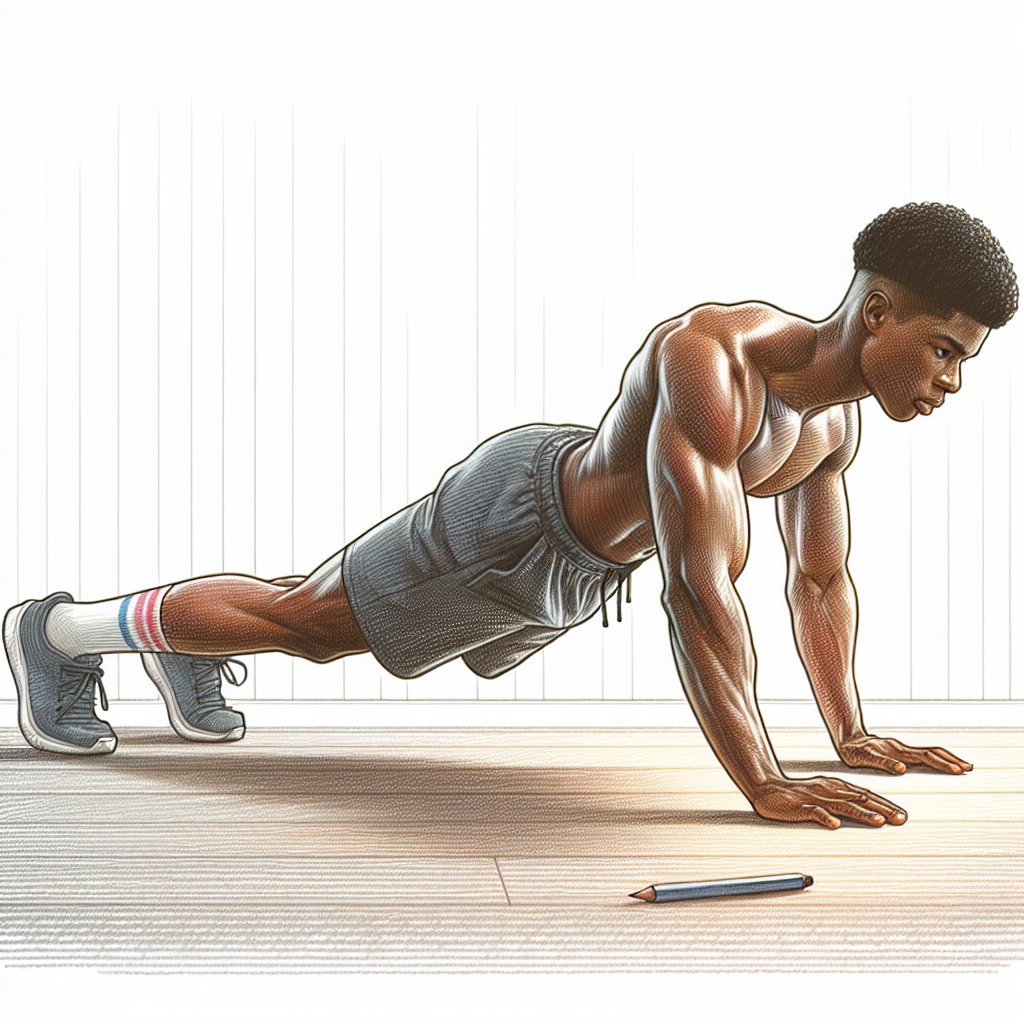
- Push-Ups: Engage your chest, shoulders, and triceps.
- Squats: Focus on your thighs and glutes.
- Planks: Strengthen your core and stabilize muscles.
- Burpees: Combine strength and cardio for full-body engagement.
- Lunges: Develop leg strength and balance.
Incorporating Household Items for Resistance
Many household items can serve as effective tools for resistance training:
- Backpack: Fill it with books or other heavy items for squats or lunges.
- Water Bottles: Use them as light weights for shoulder raises and curls.
- Chairs: Incorporate them for tricep dips or elevated push-ups.
These methods provide an innovative way to increase resistance and challenge your muscles effectively.
Creating a Structured Workout Plan
A well-structured workout plan ensures that you target all muscle groups while allowing adequate recovery. Consider the following steps for developing your routine:
- Identify Target Muscle Groups: Decide which muscles you want to focus on each day (upper body, lower body, core).
- Set a Schedule: Aim for 3-5 workouts per week, alternating target muscle groups.
- Incorporate Variety: Change exercises regularly to prevent plateauing and keep workouts engaging.
- Include Warm-Up and Cool Down: Start with dynamic stretches and conclude with static stretching to enhance flexibility.
For a convenient solution, consider a free registration for a 30-day exercise program that lets you work out for just 6 minutes daily while achieving results comparable to a gym routine. Sign up at Revolucni Cviceni.
When to Consult a Professional
If you experience persistent pain, discomfort, or injuries during workouts, it is essential to consult a qualified fitness expert or healthcare provider. Signs that may warrant professional advice include:
- Unexplained joint or muscle pain
- Injury from a fall or improper exercise
- Fatigue that persists beyond normal recovery
Seeking guidance can help tailor your approach to avoid injuries and maximize effectiveness.
Myths and Mistakes in Bodyweight Training
Despite the effectiveness of bodyweight exercises, several myths and misconceptions may hinder progress:
- Myth 1: Bodyweight training is only for beginners.
- Myth 2: You cannot build muscle without weights.
- Myth 3: High repetitions are the only way to muscle growth.
Understanding these misconceptions is crucial for effective training and developing a positive workout mindset.
Frequently Asked Questions
Can I build muscle without weights?
Yes, bodyweight exercises can effectively build muscle by using the resistance of your own body weight for strength training.
How often should I work out at home?
Aim for 3-5 sessions per week, allowing rest days for muscle recovery and growth.
What is the best bodyweight exercise for beginners?
Push-ups and squats are excellent starting points, providing a solid foundation for strength training.
How can I make bodyweight exercises more challenging?
Incorporate variations, increase repetitions, or add resistance using household items to enhance the difficulty of your workouts.
Should I stretch before or after my workouts?
Dynamic stretching before workouts prepares your muscles, while static stretching after helps with recovery and flexibility.
Do I need a special diet to build muscle without weights?
A balanced diet rich in protein, healthy fats, and carbohydrates supports muscle growth regardless of your training method.
Conclusion and Call to Action
- Muscle growth can be achieved effectively at home without using weights.
- Bodyweight exercises and household items provide versatile training options.
- Creating a structured workout plan ensures balanced training and recovery.
- Consult a professional if you encounter pain or injury while exercising.
- Be aware of myths surrounding bodyweight training to maximize effectiveness.
Begin your journey toward muscle growth at home today! Remember to explore the free 30-day exercise program that requires only 6 minutes of your time daily for efficient workouts. Register now at Revolucni Cviceni.
Author: John Angel