
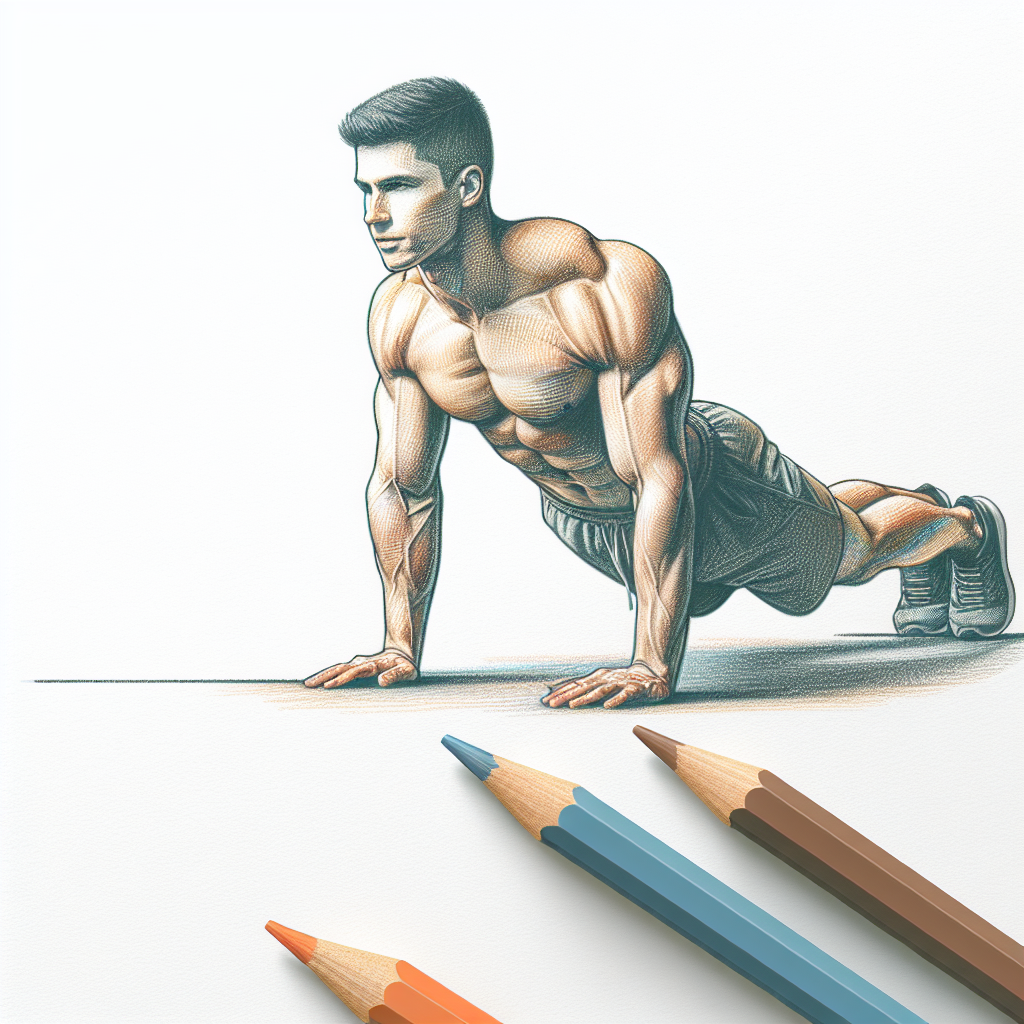
Building muscle without equipment is not only feasible but can also be highly effective. This approach allows individuals to engage in strength training using their body weight, making it accessible regardless of their location or financial resources. In this article, we will explore practical exercises, key benefits, and the best techniques for achieving muscle growth at home.
- Understanding Bodyweight Training
- Essential Exercises to Build Muscle
- Creating a Daily Routine
- Common Myths in Bodyweight Training
- When to Seek Professional Guidance
- Frequently Asked Questions
Understanding Bodyweight Training
Bodyweight training, often referred to as calisthenics, leverages an individual’s own weight to provide resistance against gravity. This format of exercise is versatile and can target multiple muscle groups simultaneously. The primary advantage of bodyweight training is its ability to build strength, endurance, and flexibility without the need for traditional gym equipment.
Essential Exercises to Build Muscle
To maximize effectiveness, focus on compound movements that engage multiple muscle groups. Here are several essential exercises to include in your regimen:
- Push-Ups: Strengthen the chest, shoulders, and triceps.
- Pull-Ups: Target the back, biceps, and shoulders. (Use a sturdy bar or ledge.)
- Squats: Focus on the thighs, glutes, and calves.
- Lunges: Engage the legs and core through various angles.
- Planks: Develop core stability and strength.
- Burpees: Combine strength and aerobic conditioning.
Creating a Daily Routine
Establishing a daily routine is crucial for consistent progress. Even dedicating just six minutes each day can yield results comparable to those achieved in a conventional gym setting. Consider the following steps to create your regimen:
- Select a mix of exercises targeting different muscle groups. Aim for at least 3-5 compound movements.
- Set a timer for six minutes. Alternate between exercises, allowing minimal rest between sets.
- Gradually increase the intensity by adding more repetitions or decreasing rest periods as you gain strength.
- Incorporate recovery days to allow muscle repair and growth.
- Monitor your progress regularly to stay motivated.
For a structured program starting with just six minutes a day, consider registering for a free 30-day exercise program that simulates gym results: Join Now.
Common Myths in Bodyweight Training
Despite the growing popularity of bodyweight training, numerous myths persist, often deterring potential practitioners. It is essential to debunk these misconceptions to encourage effective training:
- Myth 1: Bodyweight exercises do not build muscle. Fact: They can effectively build muscle by creating resistance against your body weight.
- Myth 2: Only heavy weights lead to significant gains. Fact: Progressive overload can be achieved with bodyweight training through variations and increased repetitions.
- Myth 3: Bodyweight training is only for beginners. Fact: Advanced adaptations exist that provide sufficient challenge for seasoned athletes.
When to Seek Professional Guidance
While bodyweight training is largely safe and beneficial, certain scenarios warrant consultation with a healthcare professional or qualified trainer:
- If you experience persistent pain during exercise.
- Prior to beginning a new fitness regimen, especially if you have pre-existing health concerns.
- If you are unsure about your exercise form, which may lead to injury.
- After a significant hiatus from physical activity, especially if you have prior injuries.
Frequently Asked Questions
Can I build muscle with bodyweight exercises alone?
Yes, bodyweight exercises can effectively build muscle and improve strength if performed correctly and with proper progression.
How often should I do bodyweight training?
Aim for at least 3-4 sessions per week to see optimal results while allowing for recovery.
What should I do if I hit a plateau?
To overcome plateaus, try changing the intensity, frequency, or exercise variations to challenge different muscle fibers.
Is bodyweight training suitable for all fitness levels?
Yes, bodyweight training can be adapted for various fitness levels through modifications and progressions.
Can I lose weight with bodyweight exercises?
Incorporating bodyweight exercises into a broader fitness regimen can support weight loss, particularly when combined with a healthy diet.
What is the best bodyweight exercise for beginners?
Push-ups and squats are excellent starting points, as they engage major muscle groups and can be modified for easier execution.
Conclusion
- Bodyweight training effectively builds muscle without equipment.
- Incorporating compound exercises ensures comprehensive muscle engagement.
- A structured six-minute daily routine can yield significant results.
- Debunking myths increases the credibility and appeal of bodyweight training.
- Seeking professional guidance may prevent injury and enhance effectiveness.
Start your journey to building muscle without equipment today. Explore the resources available, and consider registering for our recommended free 30-day exercise program. Your commitment can lead to profound physical and mental benefits.
Author: John Angel