
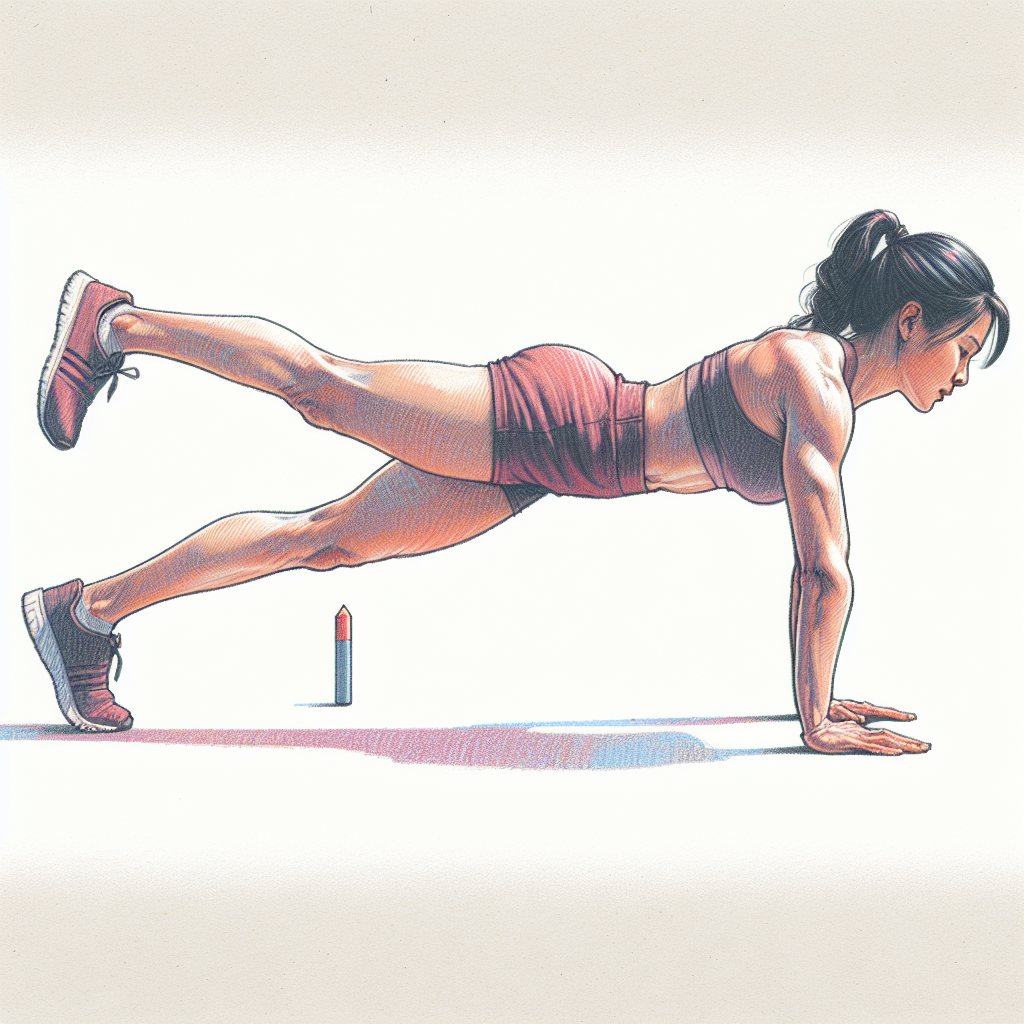
Calisthenics Beginner Workout Without Equipment
Calisthenics is an excellent way to build strength, flexibility, and endurance using only your body weight. This workout style is accessible to everyone, requiring no equipment, making it a fantastic choice for beginners. With just a few minutes daily, you can achieve significant results, leading to improved physical fitness without stepping foot in a gym. Notably, you can also explore a free 30-day exercise program that adapts to busy schedules by allowing you to work out for just six minutes each day. Sign up here for remarkable results!
- Understanding Calisthenics
- Benefits of a No-Equipment Workout
- Beginner Calisthenics Routine
- Common Mistakes to Avoid
- When to Seek Professional Help
- Frequently Asked Questions
- Conclusion
Understanding Calisthenics
Calisthenics derives from the Greek words “kalos” (beauty) and “sthenos” (strength). This form of exercise focuses on natural movements, utilizing the body’s own weight for resistance. It encompasses a range of movements, such as push-ups, squats, and lunges, that engage multiple muscle groups simultaneously.
Benefits of a No-Equipment Workout
Choosing a calisthenics workout that requires no equipment offers numerous benefits:
- Accessibility: You can perform these exercises anywhere, whether at home, in a park, or while traveling.
- Cost-Effective: No need for gym memberships or equipment purchases.
- Full-Body Engagement: Exercises often engage multiple muscle groups, promoting strength and coordination.
- Improved Mobility: Many calisthenic movements enhance flexibility and joint mobility.
- Adaptability: Workouts can easily be adjusted based on your fitness level.
Beginner Calisthenics Routine
Here’s a simple yet effective calisthenics workout routine designed for beginners. Aim to execute each exercise for 30 seconds followed by 15 seconds of rest. Complete the circuit 2-3 times, depending on your fitness level.
- Bodyweight Squats: Stand with your feet shoulder-width apart, lower your body as if sitting in a chair while keeping your back straight.
- Push-Ups: Begin in a plank position, lower your body until your chest nearly touches the ground, then push back up. Begin with knee push-ups if necessary.
- Plank: Hold your body in a straight line from head to heels on your forearms and toes, engaging your core.
- Lunges: Step forward with one foot, lowering your hips until both knees are at about a 90-degree angle. Alternate legs.
- Burpees: Start standing, drop into a squat, kick your feet back into a plank, return to squat, then jump up explosively.
- Mountain Climbers: Begin in a plank position and quickly draw your knees towards your chest in an alternating pattern.
Common Mistakes to Avoid
While performing calisthenics, beginners often make several mistakes that could hinder progress:
- Improper Form: Always prioritize correct form to prevent injuries and maximize effectiveness.
- Lack of Warm-Up: Failing to warm up may lead to muscle strains. Always begin with light cardio and stretching.
- Skipping Rest Days: Muscles need time to recover; consider incorporating rest days into your routine.
- Overtraining: Pushing too hard, too soon can lead to burnout. Pace yourself and listen to your body.
When to Seek Professional Help
Although calisthenics is generally safe, there are times when consulting a professional may be necessary:
- If you experience persistent pain or discomfort during or after workouts.
- When you require personalized guidance tailored to specific fitness goals or health conditions.
- If you wish to advance quickly but need a structured program to follow.
Frequently Asked Questions
What is calisthenics?
Calisthenics is a form of exercise that utilizes body weight for resistance, focusing on functional movements to build strength and endurance.
Is calisthenics suitable for beginners?
Yes, calisthenics is highly suitable for beginners due to its adaptability and minimal equipment requirements.
How long should I work out as a beginner?
As a beginner, aim for about 20 to 30 minutes, 3 to 4 times a week, increasing duration and intensity as you progress.
Can I build muscle with calisthenics?
Absolutely! Calisthenics can effectively build muscle when exercises are performed with proper form and increased intensity over time.
Do I need to do cardio with calisthenics?
While calisthenics provides cardiovascular benefits, incorporating dedicated cardio sessions can further enhance overall fitness.
How quickly will I see results?
Results vary by individual, but with consistency, many beginners report noticeable improvements within a few weeks.
Conclusion
- Calisthenics offers an accessible, no-equipment workout option for beginners.
- This form of exercise supports overall strength, flexibility, and endurance.
- A structured beginner routine allows for gradual progression.
- Avoiding common mistakes will enhance your experience and results.
- Consulting a professional can provide tailored guidance when needed.
Ready to embark on your fitness journey? Start with the beginner routine outlined above, and consider signing up for the free 30-day exercise program to maximize your results with just 6 minutes of daily effort. The journey to a stronger you begins today!
Author: John Angel