
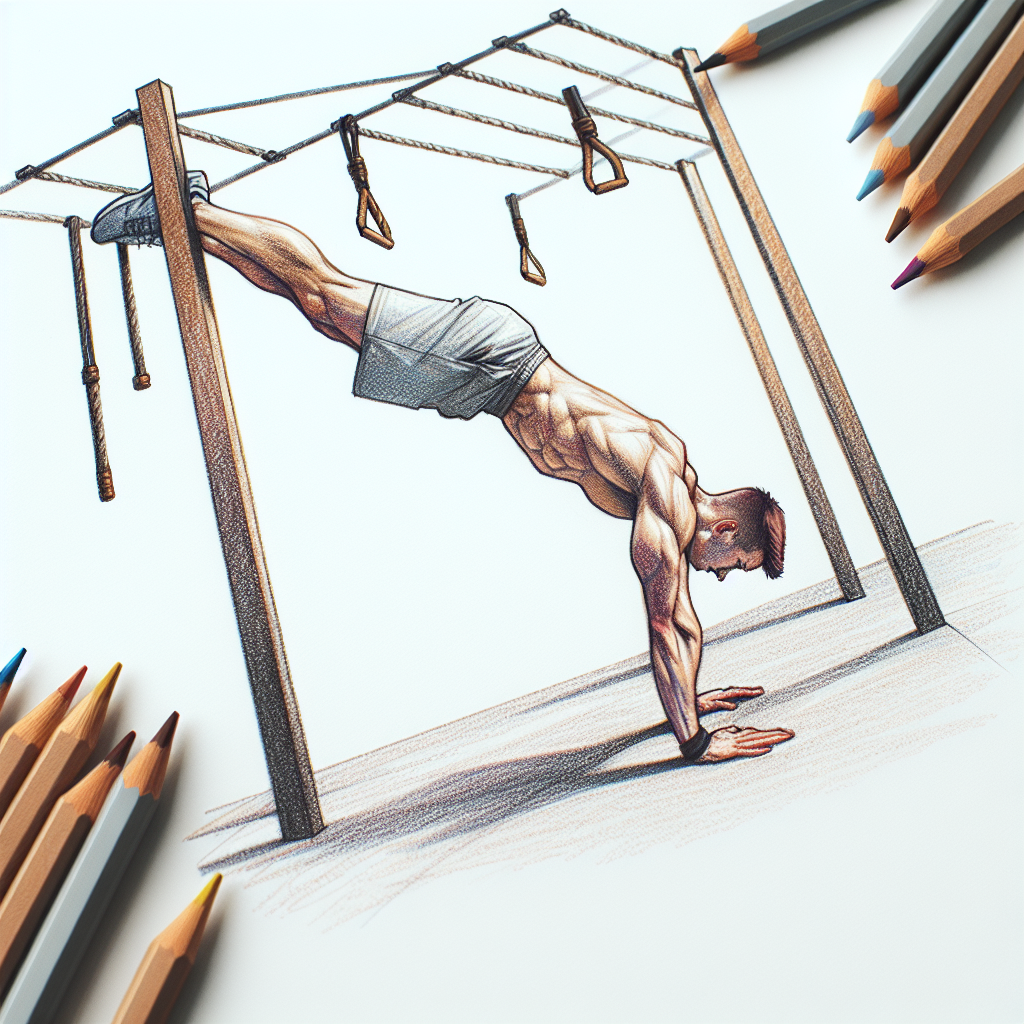
Calisthenics is an effective method of exercising that utilizes body weight to improve strength, flexibility, and overall fitness without the need for equipment. This form of training is particularly advantageous for individuals seeking a convenient and efficient workout routine at home. With just a few minutes each day, you can achieve substantial results, comparable to traditional gym workouts. In this article, we will explore the benefits of calisthenics home workouts, outline a simple yet effective routine, and offer guidance on when to consult a health professional for any concerns.
- The Benefits of Calisthenics
- Creating a Structured Home Workout
- Essential Calisthenics Exercises and Routine
- Consulting a Professional
- Common Myths and Mistakes
- Frequently Asked Questions
- Conclusion: Key Takeaways
The Benefits of Calisthenics
Calisthenics offers a plethora of advantages, making it an ideal choice for both beginners and seasoned fitness enthusiasts. Some key benefits include:
- Convenience: No special equipment or gym access is required, allowing you to perform exercises virtually anywhere.
- Cost-Effectiveness: You can achieve a comprehensive workout without the financial commitment of gym memberships or specialized equipment.
- Improved Functional Strength: Many calisthenics movements mimic everyday activities, enhancing your overall physical functionality.
- Enhanced Flexibility and Balance: Various movements promote flexibility and balance, contributing to overall athletic performance.
- Increased Core Stability: Several calisthenics exercises focus on core engagement, essential for maintaining posture and preventing injuries.
Creating a Structured Home Workout
To ensure consistency and effectiveness in your calisthenics routine, consider the following elements:
- Set Clear Goals: Identify your fitness objectives, such as building strength, improving endurance, or enhancing flexibility.
- Establish a Schedule: Dedicate a specific time each day to perform your calisthenics workout for optimal results.
- Track Progress: Documenting your workouts can help you stay motivated and recognize improvements over time.
- Incorporate Variety: Altering your exercises can prevent monotony and challenge different muscle groups.
Essential Calisthenics Exercises and Routine
A well-rounded calisthenics workout can be completed in just six minutes each day. Here’s a sample routine that targets multiple muscle groups:
- Push-Ups: 1 minute
- Bodyweight Squats: 1 minute
- Plank: 1 minute
- Lunges: 1 minute
- Mountain Climbers: 1 minute
- Burpees: 1 minute
This routine engages the entire body and is easily adjustable to accommodate different fitness levels. For those who wish to dive deeper into an exercise program tailored to daily six-minute workouts, consider registering for a 30-day exercise program that promises scientifically-backed results.
Consulting a Professional
While calisthenics can be safe and effective for many individuals, it’s essential to know when to seek professional assistance. Consider consulting a qualified health professional if you experience:
- Persistent pain during or after workouts.
- Unexplained fatigue that hinders your performance.
- Injuries sustained during physical activity.
- Significant changes in your body that may warrant assessment.
Additionally, if you have chronic medical conditions or are unsure how to begin an exercise program, professional guidance is advisable.
Common Myths and Mistakes
Despite the effectiveness of calisthenics, several misconceptions can lead to improper practices:
- Myth 1: You need weights to build muscle. Calisthenics can effectively build muscle using body weight alone.
- Mistake 1: Neglecting warmth-up routines. Failing to warm up can increase the risk of injury.
- Myth 2: Calisthenics is only for beginners. Advanced exercises exist that challenge even the most seasoned athletes.
- Mistake 2: Poor form during exercises. Maintaining proper technique is essential for maximizing effectiveness and preventing injuries.
Frequently Asked Questions
What equipment do I need for calisthenics at home?
No equipment is necessary, but a mat can provide comfort for floor exercises.
How long should I work out each day?
A six-minute daily workout can yield significant results when done consistently.
Can beginners perform calisthenics exercises?
Yes, many calisthenics exercises can be adapted to suit various fitness levels.
Do I need to perform calisthenics every day?
While daily workouts can be beneficial, rest days are crucial for recovery and muscle growth.
Is calisthenics more effective than weightlifting?
Both calisthenics and weightlifting have unique benefits; the best option depends on individual goals and preferences.
Can I lose weight with calisthenics?
Yes, when combined with a healthy diet, calisthenics can contribute to weight loss and improved fitness levels.
Conclusion: Key Takeaways
- Calisthenics provides an effective, equipment-free workout option.
- A structured routine enhances consistency and results.
- Engaging in a variety of exercises prevents monotony and challenges your body.
- Consult a professional if you experience persistent pain or other health concerns.
- Understanding common myths can help optimize your calisthenics practice.
By incorporating calisthenics into your daily routine, you can enjoy a host of physical benefits without the need for a gym. Whether you are looking to build strength, improve flexibility, or enhance overall fitness, you can begin your journey today. Consider exploring a variety of workouts, and don’t hesitate to register for a free 30-day exercise program that requires just six minutes of your day!
Author: John Angel