
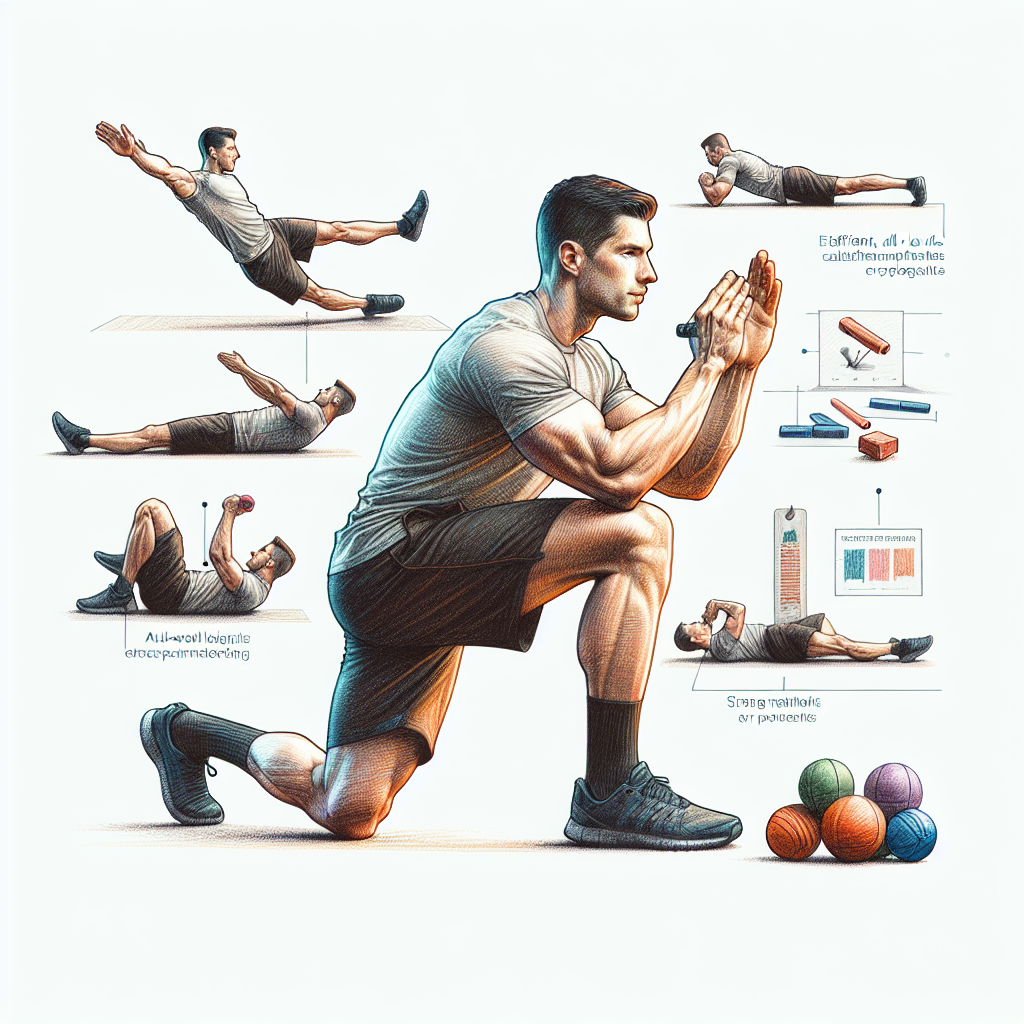
In a world where fitness often seems synonymous with expensive gym memberships and complex equipment, the appeal of calisthenics lies in its simplicity and accessibility. This article will guide you through an effective calisthenics routine that requires no equipment, allowing you to harness the power of bodyweight exercises to enhance your strength, flexibility, and overall well-being. As an added bonus, by registering for a free 30-day exercise program, you can experience the benefits of exercising just six minutes a day, achieving results comparable to more extensive workouts. You can sign up for this program here.
- Understanding Calisthenics
- Benefits of No Equipment Workouts
- C tailored Calisthenics Routine
- Common Mistakes in Calisthenics
- When to Consult a Professional
- Frequently Asked Questions
- Conclusion
Understanding Calisthenics
Calisthenics refers to a form of exercise that utilizes the weight of the body as resistance to build strength. Unlike traditional weight training that often necessitates specialized equipment, calisthenics can be performed anywhere—from your living room to a park. This type of workout focuses on compound movements that engage multiple muscle groups, providing a holistic approach to fitness.
Benefits of No Equipment Workouts
Choosing a no equipment workout not only simplifies your fitness routine, but it also offers numerous advantages:
- Convenience: You can exercise anytime and anywhere, eliminating barriers related to time and access.
- Cost-Effective: No gym fees or equipment purchases mean you save money while staying fit.
- Adaptable: Calisthenics can be easily modified for different skill levels, making it accessible for everyone.
- Improved Mobility: Many calisthenics movements enhance flexibility and coordination, promoting overall physical wellbeing.
A Tailored Calisthenics Routine
Here is a simple yet effective calisthenics routine that requires no equipment, designed to be performed in a 30-minute session, repeated three times a week:
Warm-Up (5 minutes)
- Jumping Jacks – 1 minute
- Arm Circles – 1 minute
- Leg Swings – 1 minute
- Torso Twists – 1 minute
- Dynamic Stretching – 1 minute
Main Workout (20 minutes)
- Push-Ups: 3 sets of 10-15 repetitions
- Bodyweight Squats: 3 sets of 15-20 repetitions
- Plank: 3 sets held for 30 seconds to 1 minute
- Lunges: 3 sets of 10-12 repetitions per leg
- Burpees: 3 sets of 8-10 repetitions
Cool Down (5 minutes)
- Static Stretching for the major muscle groups
- Deep Breathing Exercises
Common Mistakes in Calisthenics
As with any workout regimen, calisthenics is not without its common pitfalls. Being aware of these mistakes can help you achieve better results:
- Improper Form: Prioritize form over the number of repetitions to prevent injuries.
- Neglecting Mobility: Include flexibility training to enhance performance and reduce injury risk.
- Skipping Warm-Up and Cool Down: A proper warm-up and cool down are crucial for injury prevention and recovery.
When to Consult a Professional
While calisthenics can be incredibly beneficial, certain indicators suggest that you should seek professional advice:
- Persistent pain in joints or muscles despite rest.
- Inability to perform exercises correctly even after instructional guidance.
- Pre-existing health conditions that may affect physical activity.
Frequently Asked Questions
Is calisthenics suitable for beginners?
Yes, calisthenics is highly adaptable, making it suitable for all fitness levels from beginners to advanced athletes.
How often should I perform calisthenics?
To see optimal results, aim for 3-4 sessions per week, allowing rest days for recovery.
Can I lose weight doing calisthenics?
Yes, when combined with a balanced diet, calisthenics can effectively contribute to weight loss.
Do I need equipment to get started with calisthenics?
No, calisthenics is designed to utilize your own body weight as resistance, requiring no additional equipment.
What is the most effective calisthenics exercise?
Exercises such as push-ups, squats, and burpees are highly effective for building strength and endurance.
Can calisthenics improve my flexibility?
Yes, many calisthenics movements promote flexibility, particularly when combined with a proper stretching routine.
Conclusion
- Calisthenics are a practical, no-equipment solution for building strength and mobility.
- Regularly incorporating calisthenics can yield impressive physical results over time.
- Awareness of common mistakes can enhance the effectiveness of your workouts.
- Seeking professional guidance may be necessary when facing consistent challenges or pain.
- Consider registering for a free 30-day exercise program to jumpstart your journey.
Embrace the potential of calisthenics and take your first step toward a healthier lifestyle today.
Author: John Angel