
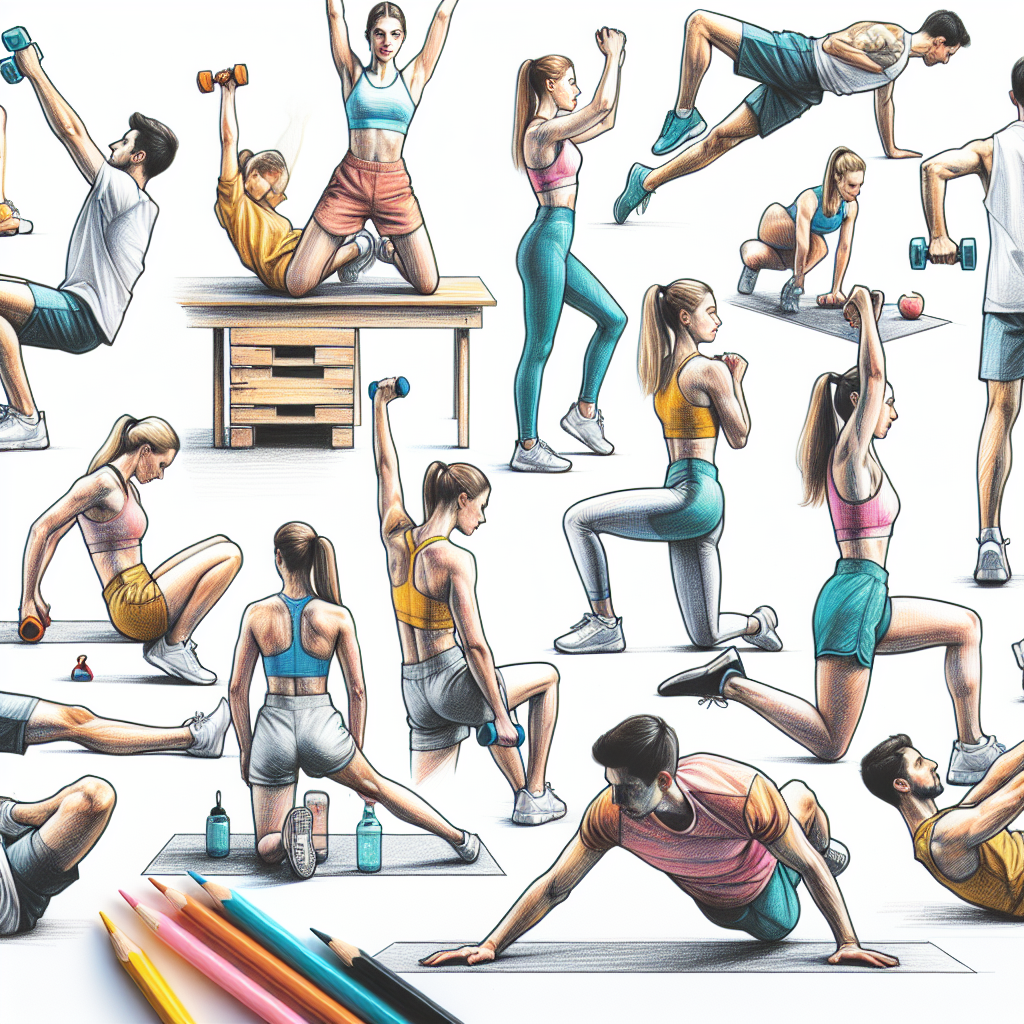
Calisthenics Workout Without Equipment
Calisthenics presents a highly effective means of achieving physical fitness without the need for specialized equipment. By focusing on bodyweight movements, individuals can improve strength, flexibility, and endurance. One of the significant advantages is its accessibility; virtually anyone can engage in a calisthenics routine at home or in a park. This article provides insights into a structured approach to calisthenics, tips for optimal performance, and guidance on when professional consultation may be necessary.
- Introduction to Calisthenics
- Benefits of Bodyweight Training
- Getting Started: Essential Exercises
- Creating a Balanced Routine
- Common Mistakes to Avoid
- When to Consult a Professional
- FAQ
- Conclusion
Benefits of Bodyweight Training
The advantages of calisthenics extend beyond simple convenience. Incorporating bodyweight exercises into your routine provides comprehensive benefits:
- Increased Strength: Engaging multiple muscle groups improves strength and muscle tone.
- Enhanced Flexibility: Many calisthenics exercises promote flexibility through dynamic movements.
- Improved Endurance: Performing high repetitions increases cardiovascular endurance.
- Cost-Effective: No need for gym memberships or equipment; exercises can be performed anywhere.
- Reduced Risk of Injury: Bodyweight exercises tend to be easier on joints compared to heavy lifting.
Getting Started: Essential Exercises
Before diving into a routine, it’s beneficial to familiarize yourself with key calisthenics exercises. Below is a list of essential movements that target various muscle groups:
- Push-Ups: Target the chest, shoulders, and triceps.
- Pull-Ups: Work the back, biceps, and forearms.
- Squats: Engage the quadriceps, hamstrings, and glutes.
- Planks: Focus on the core and improve overall stability.
- Lunges: Strengthen the legs and enhance balance.
- Burpees: Combine multiple muscle groups and improve cardiovascular fitness.
Creating a Balanced Routine
A well-rounded calisthenics routine should incorporate a variety of exercises to ensure all major muscle groups are engaged. Here’s a simple framework to follow:
- Warm-Up: Begin with dynamic stretching and light cardio (5 minutes).
- Main Workout: Select 4–6 exercises from the essential list.
- Repetitions: Aim for 8–15 repetitions per exercise, adjusting according to your fitness level.
- Rest: Take 30 seconds to 1 minute between each exercise.
- Cool Down: Finish with static stretches to enhance flexibility (5 minutes).
For those who prefer a structured program, consider trying a 30-day exercise program that involves just six minutes of daily exercise, achieving results akin to a gym routine. For more information and to register for free, visit here.
Common Mistakes to Avoid
Even when engaging in calisthenics, practitioners can fall prey to recurring mistakes that hinder progress. Here are some common pitfalls to watch out for:
- Neglecting Form: Prioritize proper technique; poor form can lead to injuries.
- Overtraining: Allow adequate rest days to prevent fatigue and burnout.
- Lack of Variety: Avoid monotony by mixing up exercises regularly.
- Ignoring Nutrition: Fuel your body with proper nutrition to support workout recovery.
When to Consult a Professional
It’s vital to be aware of when seeking professional guidance is necessary. Consider consulting a fitness professional or healthcare provider if you experience:
- Persistent pain or discomfort during exercise.
- Unusual shortness of breath or dizziness.
- Injuries that do not improve with rest or home care.
- Difficulty maintaining motivation or adherence to a routine.
Frequently Asked Questions
What is calisthenics?
Calisthenics is a form of exercise that uses bodyweight movements to build strength and flexibility without the need for equipment.
Can I build muscle with calisthenics?
Yes, calisthenics can effectively enhance muscle strength and tone, especially with progressive overload techniques.
Do I need to follow a specific diet while doing calisthenics?
A balanced diet can help optimize your performance and recovery, although specific dietary needs may vary by individual.
How often should I practice calisthenics?
Practicing 3–5 times a week is generally recommended to allow for sufficient recovery while promoting strength and endurance.
What’s a good beginner calisthenics routine?
A beginner routine might include push-ups, squats, lunges, and planks, performed with moderate repetitions.
Is calisthenics suitable for everyone?
While many can safely engage in calisthenics, individuals with specific health conditions should consult a healthcare professional before starting a new exercise program.
Conclusion
- Calisthenics offers an accessible way to improve overall fitness without the need for equipment.
- Strength, flexibility, and endurance can all be developed through dedicated practice.
- Common mistakes, such as neglecting form and overtraining, should be avoided to maximize results.
- Recognize when to seek professional guidance for pain or other concerns.
- Consider structured programs, like a 30-day challenge, to guide your progress effectively.
Embark on your calisthenics journey today—remember that consistency is key. Explore the potential of bodyweight training and witness transformative results!
Author: John Angel