
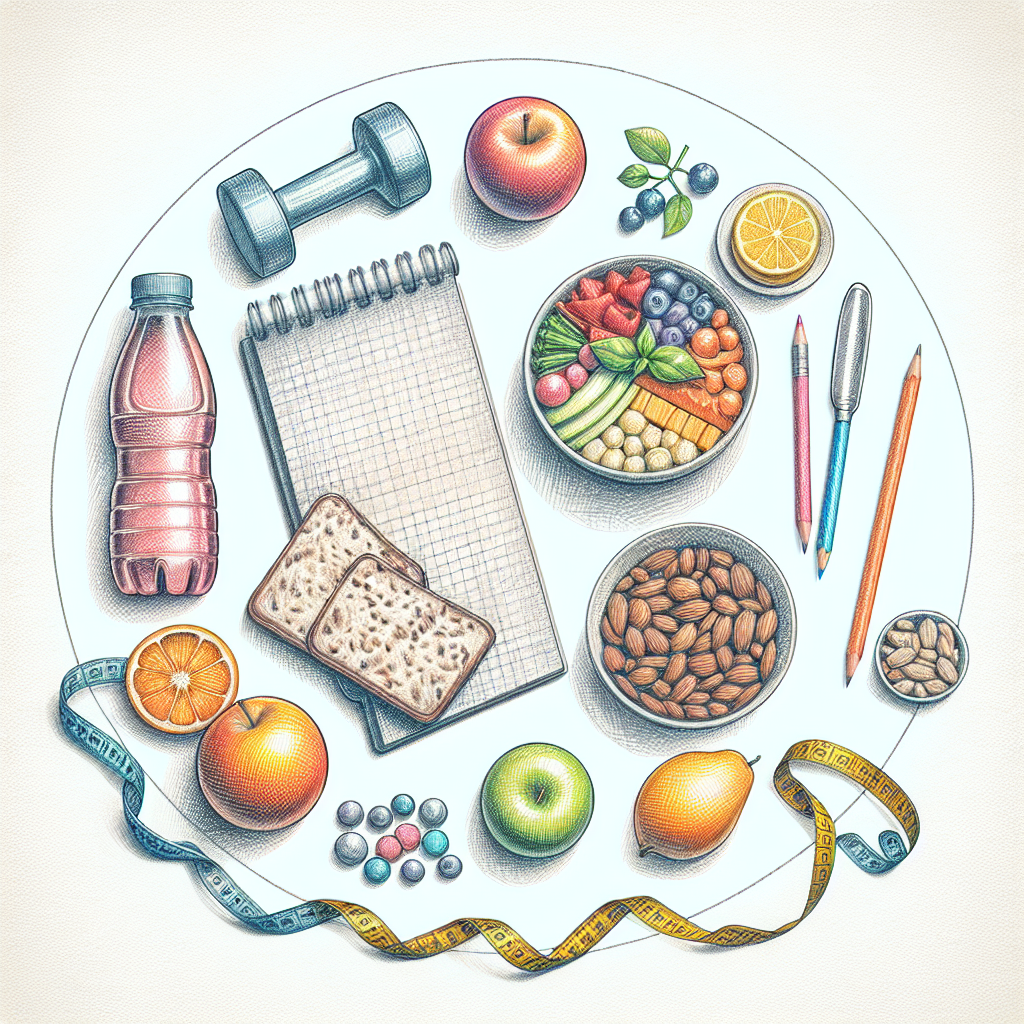
Daily Meal Plan for Weight Loss
Embarking on a weight loss journey can be both exciting and daunting. Creating a structured daily meal plan is vital for achieving your goals, as it lays out a clear path toward healthier eating habits. By incorporating balanced meals and mindful eating practices, you can foster optimal nutritional intake while also promoting weight loss. A thoughtfully crafted meal plan not only aids in achieving weight goals but makes healthy living more manageable and enjoyable.
- Understanding the Basics of Meal Planning
- Key Components of a Weight Loss Meal Plan
- Sample Daily Meal Plan
- Practical Steps for Successful Meal Planning
- Consulting a Professional: When to Seek Guidance
- Debunking Common Myths
- FAQs
- Conclusion
Understanding the Basics of Meal Planning
Meal planning is an effective strategy that allows individuals to pre-arrange their food intake for the week or month. It involves preparing a balanced diet consisting of proteins, carbohydrates, and healthy fats while keeping caloric intake in check. For successful weight loss, it is essential to approach meal planning with an informed perspective. By doing so, individuals can have better control over their dietary choices, reduce impulsive eating, and thus enhance their overall well-being.
Key Components of a Weight Loss Meal Plan
A successful weight loss meal plan should consist of the following key components:
- Balanced Macronutrients: Ensuring a healthy proportion of carbohydrates, fats, and proteins is crucial for maintaining energy levels and promoting satiety.
- Portion Control: Mindful portion sizes help manage caloric intake without sacrificing any food groups.
- Hydration: Water is essential for digestion and metabolism; adequate hydration can also help curb unnecessary snacking.
- Variety: Including a range of foods prevents boredom and provides essential vitamins and minerals needed for health.
- Preparation: Preparing meals in advance ensures convenience and reduces the temptation of unhealthy choices.
Sample Daily Meal Plan
Here’s a sample daily meal plan designed to support a weight loss journey:
- Breakfast: Oatmeal topped with fresh berries and a tablespoon of almond butter.
- Morning Snack: A medium-sized apple and a handful of walnuts.
- Lunch: Grilled chicken salad with mixed greens, cherry tomatoes, cucumbers, and a vinaigrette dressing.
- Afternoon Snack: Greek yogurt mixed with a sprinkle of cinnamon and sliced banana.
- Dinner: Baked salmon served with a side of quinoa and steamed broccoli.
- Evening Snack: Carrot sticks paired with hummus.
Practical Steps for Successful Meal Planning
To efficiently implement a daily meal plan tailored for weight loss, consider the following steps:
- Set Clear Goals: Define your weight loss targets and timeline.
- Research Recipes: Look for healthy and satisfying recipes that align with your goals.
- Create a Shopping List: Compile a list based on your meal plan to make grocery shopping efficient.
- Prep Meals Ahead: Dedicate one day a week to cook and store meals for easy access.
- Track Progress: Keep a log of your meals, noting how you feel and any changes in weight.
- Stay Flexible: Be ready to adjust your plan as needed; it’s important to listen to your body.
Consulting a Professional: When to Seek Guidance
Despite meticulous planning, there may be instances where professional advice becomes necessary. Consider consulting a registered dietitian or a nutritionist if you experience:
- Unintentional weight gain or loss
- Persistent cravings that disrupt your meal plan
- Nutritional deficiencies or health conditions
- Uncertainty about how to adapt your dietary needs
- Complicated dietary restrictions (e.g., food allergies, medical conditions)
Debunking Common Myths
Myths abound regarding meal planning and weight loss; it is essential to discern fact from fiction. Here are some misconceptions:
- Myth: Skipping meals can help lose weight.
Fact: Skipping meals often leads to increased hunger and overeating later. - Myth: Carbohydrates are always bad.
Fact: Whole grains, fruits, and vegetables contain essential carbs that support energy. - Myth: All fats are harmful.
Fact: Healthy fats from sources like avocados and nuts are beneficial in moderation. - Myth: You must eliminate all treats for weight loss.
Fact: Moderation is key—enjoying occasional treats can make the journey more sustainable.
FAQs
How many calories should I consume for weight loss?
Your caloric needs depend on factors such as age, gender, weight, and activity level. Consulting with a nutritionist can provide personalized guidance.
Can I eat snacks while on a weight loss journey?
Yes, healthy snacks can help maintain energy levels and reduce hunger. Opt for nutrient-dense options.
Is it necessary to count calories?
While counting calories can aid in awareness, focusing on food quality and portion control may also be effective.
How often should I eat during the day?
Eating smaller, balanced meals every 3-4 hours may help regulate blood sugar and curb hunger.
Should I consider meal replacement shakes?
Meal replacements can be convenient but should not replace whole foods entirely. Whole foods offer essential nutrients.
What role does exercise play in weight loss?
Regular physical activity complements a healthy diet and accelerates weight loss by boosting metabolism.
Conclusion
- Create a balanced meal plan that includes a variety of foods.
- Portion control and mindful eating are key to managing caloric intake.
- Stay flexible and adjust your meal plan as necessary.
- Consult professionals when needed for tailored advice.
- Challenge common weight loss myths for a better understanding of nutrition.
Embarking on a weight loss journey doesn’t need to be complicated. A structured daily meal plan can significantly enhance your chances of success. Don’t forget to incorporate exercise into your routine; consider exploring the magic of six-minute short workouts at home through the SixPack workout program for 30 days free. These short bursts of exercise can fit seamlessly into your day, helping to build endurance and strength without demanding extensive time commitments.
Author: John Angel