Categories
Nutrition and Wellness

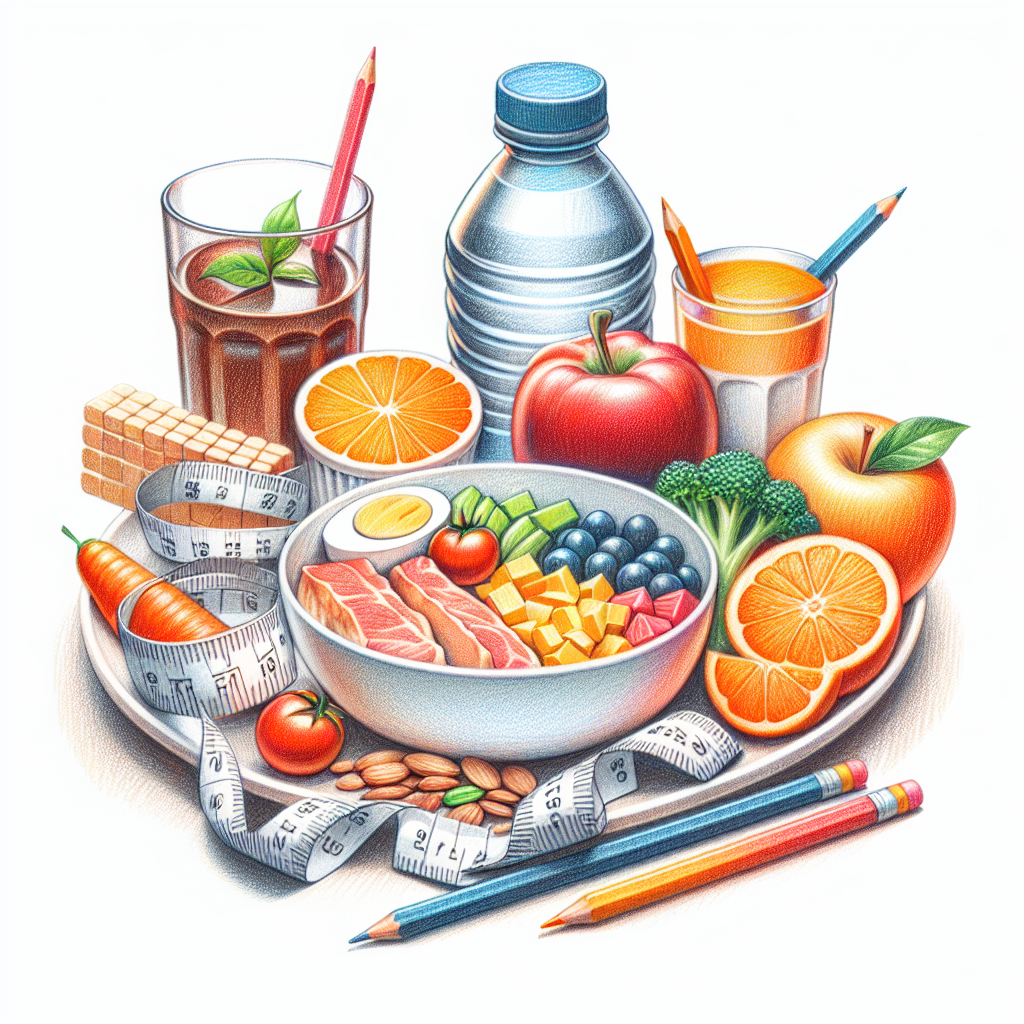
Effective Full Day Meal Plan for Weight Loss

Creating a Full Day Meal Plan for Weight Loss

Embarking on a weight loss journey requires strategic planning, particularly when it comes to meal preparation. A well-structured daily meal plan not only supports your weight loss objectives but also ensures that you enjoy a variety of tasty and nutritious foods. This article outlines a comprehensive full day meal plan designed to promote weight loss while catering to diverse palates. Additionally, we will introduce you to the advantages of incorporating short, efficient workouts into your routine, which can significantly enhance your results.

  • Understanding the Basics of Weight Loss Nutrition
  • A Sample Full Day Meal Plan
  • Magic of Six-Minute Short Workouts
  • Steps to Create Your Own Meal Plan
  • When to Seek Professional Guidance
  • Common Myths About Weight Loss Meals
  • FAQs
  • Conclusion

Understanding the Basics of Weight Loss Nutrition

To initiate a successful weight loss journey, recognizing the fundamentals of nutrition is crucial. Focus on whole foods rich in nutrients while minimizing processed options. Key components include:

  • Macronutrients: Balance protein (to maintain muscle mass), healthy fats (for satiety), and carbohydrates (for energy).
  • Portion Control: Eating smaller portions can help reduce calorie intake.
  • Hydration: Water plays a vital role in metabolism and aids in weight loss.

A Sample Full Day Meal Plan

Below is a sample meal plan designed for an average day, focusing on balanced nutrition and weight loss.

Breakfast: Quinoa Porridge

Prepare a warm bowl of quinoa porridge topped with fresh berries and a sprinkle of chia seeds. Substitute milk with almond milk for lower calories.

Mid-Morning Snack: Greek Yogurt

Enjoy a serving of low-fat Greek yogurt with a dash of honey and a handful of mixed nuts to provide protein and healthy fats.

Lunch: Grilled Chicken Salad

Combine grilled chicken breast, mixed greens, cherry tomatoes, cucumbers, and an olive oil vinaigrette for a filling meal.

Afternoon Snack: Sliced Vegetables and Hummus

Bite-sized carrots, cucumber, and bell peppers with a side of hummus will provide fiber and protein while keeping you satiated.

Dinner: Baked Salmon with Asparagus

Opt for a piece of baked salmon seasoned with herbs, accompanied by roasted asparagus and quinoa for a nutritious finish to your day.

Evening Snack: Herbal Tea

A warm cup of herbal tea can aid digestion and promote relaxation before bed.

Magic of Six-Minute Short Workouts

Incorporating short, six-minute workouts into your daily routine can significantly enhance your weight loss journey. Here are a few benefits:

  • Time-Efficient: These workouts can easily fit into a busy schedule, making exercise more accessible.
  • Variety: Short workouts can include a range of exercises, which helps prevent boredom and promotes adherence.
  • Increased Metabolism: Quick bursts of high-intensity intervals can boost metabolism even after the workout is completed.

To get started, consider trying the SixPack workout program, which offers unique six-minute workouts designed for home settings. You can register for the program for 30 days free here.

Steps to Create Your Own Meal Plan

Crafting a personalized meal plan can be straightforward if you follow these steps:

  1. Set Clear Goals: Determine your daily caloric needs based on your weight loss objectives.
  2. Choose Whole Foods: Focus on selecting whole, minimally processed foods.
  3. Incorporate Variety: Aim to include a range of fruits, vegetables, proteins, and grains.
  4. Monitor Portions: Use measuring cups or kitchen scales to ensure accurate portion sizes.
  5. Adjust as Needed: Be flexible and willing to modify your plan based on what works best for you.

When to Seek Professional Guidance

If you experience any of the following, it may be time to consult with a healthcare professional or registered dietitian:

  • Unintentional weight loss or gain.
  • Chronic fatigue affecting your daily life.
  • Signs of disordered eating behavior.
  • Ongoing digestive issues or other health concerns.

Common Myths About Weight Loss Meals

Navigating the landscape of weight loss can often lead to confusion due to prevalent myths. Here are a few debunked:

  • Myth: Cutting out all carbs is necessary. Reality: Carbohydrates are essential for energy; choose whole grains over refined options.
  • Myth: Skipping meals will support greater weight loss. Reality: Skipping meals can lead to binge eating later; regular meals are important.
  • Myth: All fats are bad. Reality: Healthy fats are vital for nutrition and satiety.

FAQs

What is the best way to prepare meals for weight loss?

Meal prep in advance using healthy recipes to avoid unhealthy food choices throughout the week.

Can I eat snacks while trying to lose weight?

Yes, snacks can help control hunger; opt for healthy options like fruits or nuts.

How many calories should I consume to lose weight?

This varies based on factors like age, sex, and activity level. Consult a professional to determine your specific needs.

Are drinks important in a meal plan for weight loss?

Absolutely; staying hydrated helps metabolism and can curb hunger. Prefer water or herbal teas.

How often should I exercise while on a weight loss journey?

Aim for at least 150 minutes of moderate-intensity exercise per week, along with short workouts in between.

Is it okay to have cheat meals?

Occasional cheat meals can help sustain motivation, but moderation is key.

Conclusion

  • Creating a structured meal plan supports your weight loss journey.
  • Incorporate a variety of whole foods for balanced nutrition.
  • Short, focused workouts can significantly enhance your results.
  • Consult professionals when facing challenges related to weight management.
  • Be mindful of common myths that can derail your progress.

Start your meal preparation today and explore the magic of efficient workouts to transform your weight loss journey into a successful and sustainable lifestyle. Sign up now for the SixPack workout program and enjoy 30 days free here.

Author: John Angel
Categories
Health and Nutrition

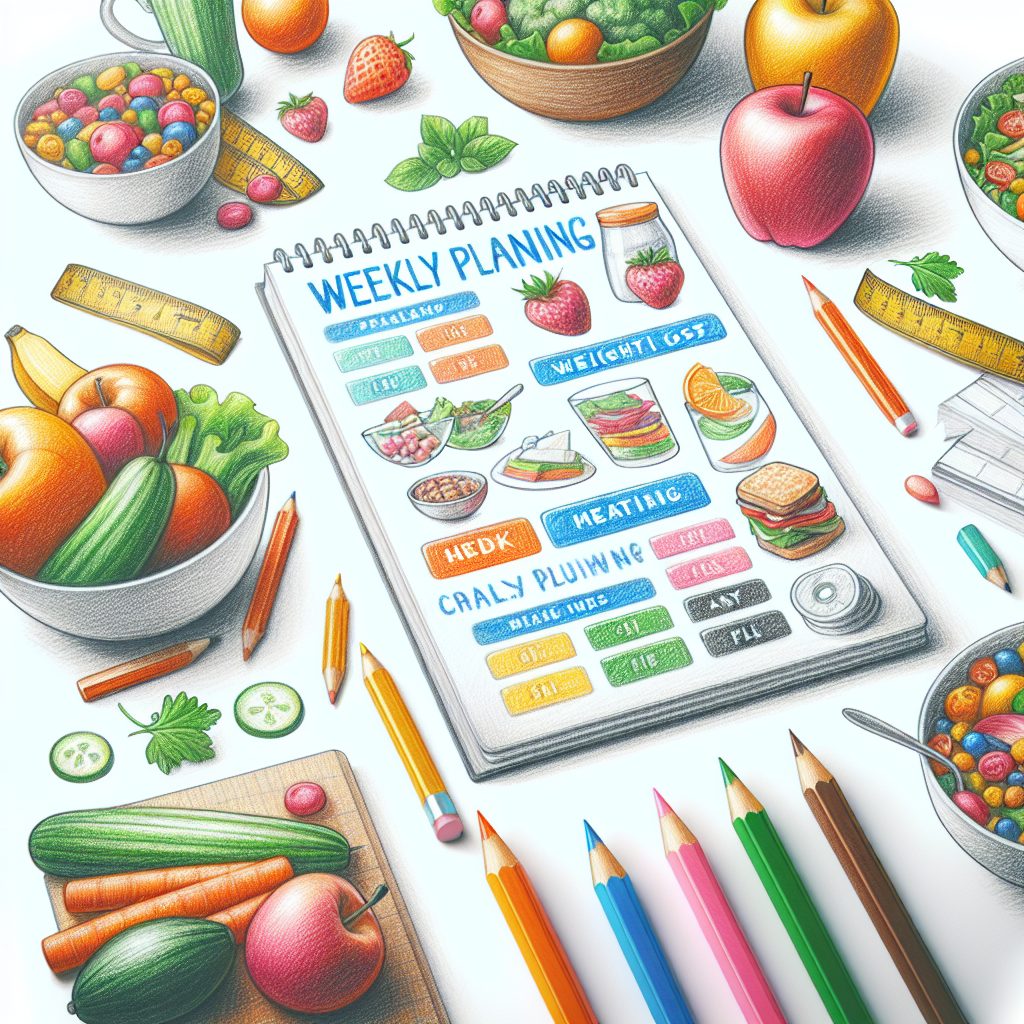
Effective Daily Meal Plan for Weight Loss Success

Daily Meal Plan for Weight Loss

Embarking on a weight loss journey can be both exciting and daunting. Creating a structured daily meal plan is vital for achieving your goals, as it lays out a clear path toward healthier eating habits. By incorporating balanced meals and mindful eating practices, you can foster optimal nutritional intake while also promoting weight loss. A thoughtfully crafted meal plan not only aids in achieving weight goals but makes healthy living more manageable and enjoyable.

  • Understanding the Basics of Meal Planning
  • Key Components of a Weight Loss Meal Plan
  • Sample Daily Meal Plan
  • Practical Steps for Successful Meal Planning
  • Consulting a Professional: When to Seek Guidance
  • Debunking Common Myths
  • FAQs
  • Conclusion

Understanding the Basics of Meal Planning

Meal planning is an effective strategy that allows individuals to pre-arrange their food intake for the week or month. It involves preparing a balanced diet consisting of proteins, carbohydrates, and healthy fats while keeping caloric intake in check. For successful weight loss, it is essential to approach meal planning with an informed perspective. By doing so, individuals can have better control over their dietary choices, reduce impulsive eating, and thus enhance their overall well-being.

Key Components of a Weight Loss Meal Plan

A successful weight loss meal plan should consist of the following key components:

  • Balanced Macronutrients: Ensuring a healthy proportion of carbohydrates, fats, and proteins is crucial for maintaining energy levels and promoting satiety.
  • Portion Control: Mindful portion sizes help manage caloric intake without sacrificing any food groups.
  • Hydration: Water is essential for digestion and metabolism; adequate hydration can also help curb unnecessary snacking.
  • Variety: Including a range of foods prevents boredom and provides essential vitamins and minerals needed for health.
  • Preparation: Preparing meals in advance ensures convenience and reduces the temptation of unhealthy choices.

Sample Daily Meal Plan

Here’s a sample daily meal plan designed to support a weight loss journey:

  • Breakfast: Oatmeal topped with fresh berries and a tablespoon of almond butter.
  • Morning Snack: A medium-sized apple and a handful of walnuts.
  • Lunch: Grilled chicken salad with mixed greens, cherry tomatoes, cucumbers, and a vinaigrette dressing.
  • Afternoon Snack: Greek yogurt mixed with a sprinkle of cinnamon and sliced banana.
  • Dinner: Baked salmon served with a side of quinoa and steamed broccoli.
  • Evening Snack: Carrot sticks paired with hummus.

Practical Steps for Successful Meal Planning

To efficiently implement a daily meal plan tailored for weight loss, consider the following steps:

  1. Set Clear Goals: Define your weight loss targets and timeline.
  2. Research Recipes: Look for healthy and satisfying recipes that align with your goals.
  3. Create a Shopping List: Compile a list based on your meal plan to make grocery shopping efficient.
  4. Prep Meals Ahead: Dedicate one day a week to cook and store meals for easy access.
  5. Track Progress: Keep a log of your meals, noting how you feel and any changes in weight.
  6. Stay Flexible: Be ready to adjust your plan as needed; it’s important to listen to your body.

Consulting a Professional: When to Seek Guidance

Despite meticulous planning, there may be instances where professional advice becomes necessary. Consider consulting a registered dietitian or a nutritionist if you experience:

  • Unintentional weight gain or loss
  • Persistent cravings that disrupt your meal plan
  • Nutritional deficiencies or health conditions
  • Uncertainty about how to adapt your dietary needs
  • Complicated dietary restrictions (e.g., food allergies, medical conditions)

Debunking Common Myths

Myths abound regarding meal planning and weight loss; it is essential to discern fact from fiction. Here are some misconceptions:

  • Myth: Skipping meals can help lose weight.
    Fact: Skipping meals often leads to increased hunger and overeating later.
  • Myth: Carbohydrates are always bad.
    Fact: Whole grains, fruits, and vegetables contain essential carbs that support energy.
  • Myth: All fats are harmful.
    Fact: Healthy fats from sources like avocados and nuts are beneficial in moderation.
  • Myth: You must eliminate all treats for weight loss.
    Fact: Moderation is key—enjoying occasional treats can make the journey more sustainable.

FAQs

How many calories should I consume for weight loss?

Your caloric needs depend on factors such as age, gender, weight, and activity level. Consulting with a nutritionist can provide personalized guidance.

Can I eat snacks while on a weight loss journey?

Yes, healthy snacks can help maintain energy levels and reduce hunger. Opt for nutrient-dense options.

Is it necessary to count calories?

While counting calories can aid in awareness, focusing on food quality and portion control may also be effective.

How often should I eat during the day?

Eating smaller, balanced meals every 3-4 hours may help regulate blood sugar and curb hunger.

Should I consider meal replacement shakes?

Meal replacements can be convenient but should not replace whole foods entirely. Whole foods offer essential nutrients.

What role does exercise play in weight loss?

Regular physical activity complements a healthy diet and accelerates weight loss by boosting metabolism.

Conclusion

  • Create a balanced meal plan that includes a variety of foods.
  • Portion control and mindful eating are key to managing caloric intake.
  • Stay flexible and adjust your meal plan as necessary.
  • Consult professionals when needed for tailored advice.
  • Challenge common weight loss myths for a better understanding of nutrition.

Embarking on a weight loss journey doesn’t need to be complicated. A structured daily meal plan can significantly enhance your chances of success. Don’t forget to incorporate exercise into your routine; consider exploring the magic of six-minute short workouts at home through the SixPack workout program for 30 days free. These short bursts of exercise can fit seamlessly into your day, helping to build endurance and strength without demanding extensive time commitments.

Author: John Angel

Related articles

Categories
Weight Loss

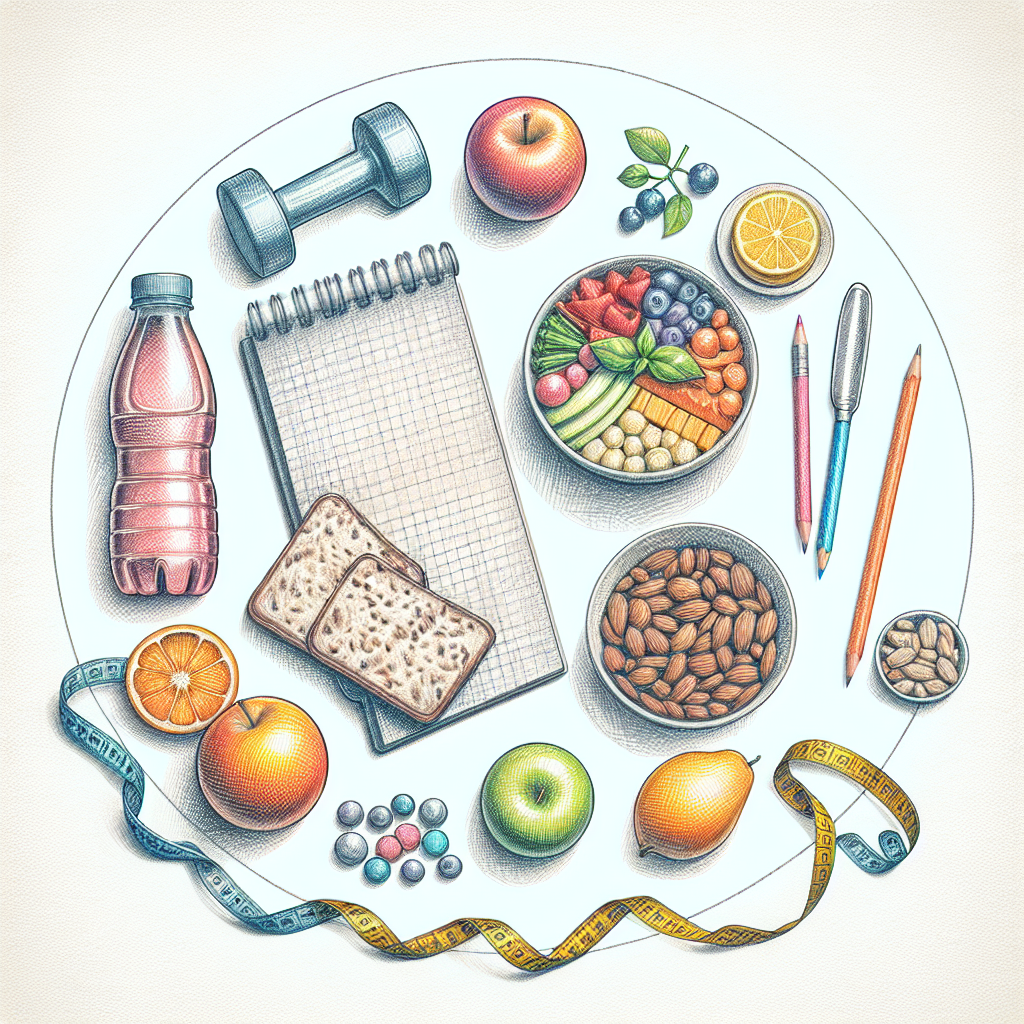
Effective Weight Loss Meal Plan for Sustainable Results

Embarking on a weight loss journey is a significant undertaking, and an effective meal plan serves as a cornerstone for achieving your goals. The right nutritional strategy not only aids in shedding pounds but also fosters long-term health and well-being. A meal plan tailored for weight loss can simplify choices, control portions, and enhance overall satisfaction with healthy eating. Below, we delve into the essentials of crafting the best meal plan for weight loss while offering practical tips for sustained success.

  • Understanding the Basics of Meal Planning
  • Essential Components of a Weight Loss Meal Plan
  • Sample Meal Plan for One Week
  • Incorporating Exercise into Your Routine
  • When to Consult a Professional
  • Common Myths and Mistakes in Meal Planning
  • Frequently Asked Questions
  • Conclusion

Understanding the Basics of Meal Planning

Meal planning involves preparing meals in advance, allowing you to make informed choices about what to eat. This method is especially effective for weight loss as it helps control calorie intake and ensures you stick to your dietary goals. An organized meal plan allows for variety, keeps grocery trips manageable, and can even reduce food waste. By dedicating a small amount of time each week to plan your meals, you set yourself up for success.

Essential Components of a Weight Loss Meal Plan

A successful meal plan for weight loss should include the following components:

  • Balanced Macronutrients: Aim for a healthy mix of carbohydrates, proteins, and fats. For instance, include whole grains, lean proteins, and healthy fats to support your body’s nutritional needs.
  • Portion Control: Be mindful of serving sizes to prevent overeating. Utilizing measuring cups or a food scale can be beneficial.
  • Whole Foods: Focus on minimally processed foods like fruits, vegetables, nuts, and whole grains instead of sugary snacks and processed options.
  • Hydration: Drink plenty of water throughout the day; it can help curb hunger and keep your metabolism active.

Sample Meal Plan for One Week

Below is a sample one-week meal plan. Feel free to adjust it according to your dietary preferences:

  • Day 1: Oatmeal with berries and a handful of almonds; Grilled chicken salad for lunch; Grilled salmon with steamed broccoli for dinner.
  • Day 2: Greek yogurt with honey and mixed nuts; Quinoa and black bean bowl; Stir-fried tofu with vegetables.
  • Day 3: Smoothie with spinach, banana, and protein powder; Turkey wrap with lettuce; Baked sweet potato with chili.
  • Day 4: Scrambled eggs with spinach and tomatoes; Lentil soup; Zucchini noodles with marinara sauce.
  • Day 5: Chia seed pudding with fruit; Grilled shrimp with brown rice; Vegetable curry.
  • Day 6: Whole grain toast with avocado; Spinach salad; Baked chicken with asparagus.
  • Day 7: Smoothie bowl topped with nuts; Grilled vegetable sandwich; Seafood stir-fry.

Incorporating Exercise into Your Routine

To maximize the effectiveness of your meal plan, incorporate regular exercise into your daily routine. Short, six-minute workouts at home can be particularly impactful; these high-intensity bursts can stimulate metabolism, enhance muscle tone, and improve overall energy levels. The beauty of these quick workouts lies in their accessibility; you can fit them into a busy day, be it during a coffee break or just before dinner. Explore the SixPack workout program for a free 30-day trial, and experience the magic of short home workouts.

When to Consult a Professional

While a meal plan can be beneficial, there are instances when you should seek the guidance of a qualified professional, such as a registered dietitian or a healthcare provider. Consider consulting with a professional if you:

  • Have specific dietary restrictions or health conditions.
  • Experience significant weight fluctuations or challenges.
  • Find it difficult to establish a sustainable eating plan.
  • Are unsure about nutritional needs during different life stages.

Common Myths and Mistakes in Meal Planning

Numerous misconceptions surrounding meal planning can hinder progress on your weight loss journey. It is essential to dispel the following myths:

  • All carbs are bad: Not all carbohydrates are created equal; whole grains and fruits are essential for energy and overall health.
  • Skipping meals helps with weight loss: This can lead to overeating later. Regular meals keep your metabolism steady.
  • Fat is always bad: Healthy fats, such as those found in avocados and nuts, are vital for nutrient absorption and overall well-being.

Frequently Asked Questions

How many calories should I consume daily to lose weight?

The ideal calorie intake varies based on individual factors such as age, gender, activity level, and weight loss goals. A registered dietitian can provide a personalized plan.

Can I eat snacks while following a weight loss meal plan?

Yes, healthy snacks can help control hunger between meals. Opt for nutritious options like fruits, vegetables, or nuts.

Is it necessary to count calories?

While calorie counting can be helpful for some, focusing on the quality of your food and maintaining portion control may be more beneficial for others.

How often should I adjust my meal plan?

Regularly evaluate your meal plan every few weeks to ensure it aligns with your goals and lifestyle changes. Adjust as necessary based on your progress.

Are meal prep services worth it?

Meal prep services can save time and help with portion control. However, ensure the meals align with your nutritional goals and preferences.

What role does hydration play in weight loss?

Staying well-hydrated is crucial for overall health and can help manage appetite. Aim to drink at least 8 cups of water daily.

Conclusion

  • Meal planning is instrumental in achieving weight loss goals.
  • A balanced diet with proper portion control is essential for success.
  • Incorporating exercise, including short workouts, amplifies the weight loss effects.
  • Sustaining a long-term approach is more beneficial than drastic short-term diets.
  • Consulting with professionals can provide personalized guidance tailored to your needs.

Start your weight loss journey with a solid meal plan and consider integrating effective exercise routines like the SixPack workout program. By prioritizing your health today, you pave the way for a healthier future.

Author: John Angel

Related articles

Categories
Weight Loss

Effective Meal Program for Sustainable Weight Loss

Embarking on a weight loss journey can often feel overwhelming, with countless diets and workout plans claiming to be the magic solution. However, a structured meal program designed specifically for weight loss can provide a solid foundation for sustainable results. This article delves into creating an effective meal program that complements your fitness endeavors, with the goal of not just losing weight but also fostering a healthier lifestyle.

  • Understanding the Basics of a Meal Program
  • Key Components of a Weight Loss Meal Plan
  • Short Workouts: The Magic of Six Minutes
  • Practical Steps to Curating Your Meal Plan
  • When to Consult a Professional
  • Common Myths and Mistakes in Weight Loss
  • FAQs

Understanding the Basics of a Meal Program

A meal program tailored for weight loss is not just about reducing calorie intake; it’s about making informed food choices that nourish your body while helping you shed excess pounds. The key is to strike a balance between macronutrients—proteins, carbohydrates, and fats—while ensuring you meet your micronutrient needs through a variety of food sources.

The Role of Macronutrients

Proteins play a crucial role in maintaining muscle mass, especially when you’re in a caloric deficit. Carbohydrates provide energy for your workouts and daily activities, while healthy fats support cell function and hormone production.

Key Components of a Weight Loss Meal Plan

A successful weight loss meal plan should include:

  • Whole Foods: Prioritize minimally processed foods such as fruits, vegetables, whole grains, lean proteins, and healthy fats.
  • Portion Control: Being mindful of portion sizes is vital. Utilize measuring cups and kitchen scales to understand serving sizes.
  • Consistent Meal Timing: Establishing regular meal times can help regulate hunger levels and prevent impulsive eating.
  • Hydration: Drinking sufficient water aids in digestion and can contribute to feelings of fullness.

Short Workouts: The Magic of Six Minutes

Incorporating short workouts into your daily routine can be transformative. Six-minute at-home workouts are not just effective; they are also time-efficient. Imagine being able to fit a high-intensity workout into your busy day, requiring minimal space and no special equipment.

The beauty of these brief sessions lies in their ability to elevate your heart rate, boost metabolism, and improve overall fitness without overwhelming your schedule. Short workouts can easily become a habit, reinforcing your commitment to your weight loss journey.

Experience the benefits of the SixPack workout program for free for 30 days!

Practical Steps to Curating Your Meal Plan

Creating a personalized meal plan can feel daunting, yet following these steps can simplify the process:

  1. Evaluate Your Goals: Define what you hope to achieve and set realistic milestones.
  2. Assess Your Current Diet: Track your food intake to identify eating patterns and areas for improvement.
  3. Plan Weekly Menus: Dedicate time each week to plan meals, ensuring a balance of all food groups.
  4. Grocery List Creation: Based on your menu, create a grocery list to avoid impulse purchases.
  5. Meal Prepping: Prepare meals ahead of time to simplify hectic days.

When to Consult a Professional

While many can find success through their meal plans and fitness routines, some situations warrant professional assistance. Consult a registered dietitian or healthcare provider if you:

  • Have underlying health conditions that affect your weight.
  • Struggle with disordered eating or body image issues.
  • Experience significant fluctuations in weight without explanation.
  • Desire personalized meal plans tailored to specific dietary needs.

Common Myths and Mistakes in Weight Loss

In the realm of weight loss, misconceptions abound. Here are a few common myths and mistakes:

  • Myth 1: Carbs are the enemy. In reality, whole grains and fruits are beneficial.
  • Myth 2: Skipping meals accelerates weight loss. This can lead to overeating later on.
  • Myth 3: All fats are harmful. Healthy fats are essential for bodily functions.
  • Mistake 1: Not tracking food intake. Awareness can help you adhere to your goals.

FAQs

What should I include in my meal plan for weight loss?

Your meal plan should consist of whole foods, balanced macronutrients, and adequate hydration.

How can I stay motivated on my weight loss journey?

Set realistic goals, track your progress, and reward yourself for milestones achieved.

Is it necessary to exercise while on a weight loss meal plan?

While not mandatory, combining a meal plan with exercise significantly enhances weight loss results and overall health.

How do I know if my calorie intake is appropriate?

Consult with a registered dietitian or utilize online calculators to determine your specific caloric needs.

Can meal prepping save time and efforts?

Yes, meal prepping can streamline your cooking process and help maintain adherence to your diet.

Are there any side effects of rapid weight loss?

Rapid weight loss can lead to muscle loss, nutrient deficiencies, and other health complications, so it’s essential to approach dieting sensibly.

Conclusion

  • Designing a meal program is essential for a successful weight loss journey.
  • Incorporate a variety of whole foods while being mindful of portion sizes.
  • Short workouts can be a transformative addition to your routine.
  • Seek professional guidance if needed for tailored advice.
  • Stay informed and avoid common myths that can hinder your progress.

Embark on your weight loss journey today, and consider taking the first step with the SixPack workout program—experience it for free for 30 days by following this link: Join Now!

Author: John Angel

Related articles

Categories
Weight Loss

Effective Free Meal Plans for Sustainable Weight Loss

Free Meal Plans for Weight Loss

Embarking on a weight loss journey can be both exhilarating and daunting. One of the most effective strategies involves adopting a balanced meal plan tailored to individual preferences and health goals. This article delves into the world of free meal plans specifically designed for weight loss, offering practical advice and actionable steps to help you achieve your goals seamlessly. Moreover, we will explore the incredible benefits of short, six-minute workouts at home, demonstrating how they can fit into your daily routine effortlessly.

  • Introduction to Meal Planning
  • Components of a Healthy Meal Plan
  • Sample Free Meal Plans for Weight Loss
  • Integrating Short Workouts into Your Day
  • When to Seek Professional Guidance
  • Common Myths about Meal Plans and Weight Loss
  • FAQs
  • Conclusion and Call to Action

Understanding Meal Planning

Meal planning can simplify your weight loss journey by providing structure and reducing the temptation to indulge in unhealthy choices. A well-constructed meal plan takes into account various factors such as calorie needs, nutritional balance, and personal preferences. With the proliferation of online resources, individuals can access free meal plans that cater to their specific requirements. This allows for flexibility while ensuring nutritional adequacy.

Components of a Healthy Meal Plan

To establish an effective meal plan for weight loss, it’s vital to incorporate several key components:

  • Balanced Macros: Focus on a variety of proteins, carbohydrates, and healthy fats.
  • Fruits and Vegetables: Aim to fill half your plate with colorful produce.
  • Portion Control: Be mindful of serving sizes to avoid excess calorie intake.
  • Snacks: Choose wholesome snacks that combine fiber and protein to keep hunger at bay.
  • Hydration: Drink plenty of water and limit sugary beverages.

Sample Free Meal Plans for Weight Loss

Here are a few sample meal plans that are nutritious and conducive to weight loss:

Plan 1: Mediterranean-Inspired

  • Breakfast: Greek yogurt with honey and walnuts.
  • Lunch: Quinoa salad with cherry tomatoes, cucumbers, and feta.
  • Dinner: Grilled chicken with steamed broccoli and brown rice.
  • Snacks: Hummus with carrot sticks.

Plan 2: Plant-Based

  • Breakfast: Oatmeal topped with berries and almonds.
  • Lunch: Lentil soup with a side of whole grain bread.
  • Dinner: Stir-fried tofu with mixed vegetables.
  • Snacks: Sliced apple with almond butter.

Plan 3: High-Protein

  • Breakfast: Scrambled eggs with spinach and tomatoes.
  • Lunch: Chicken breast with sautéed green beans.
  • Dinner: Baked salmon with asparagus and quinoa.
  • Snacks: Cottage cheese with pineapple.

Integrating Short Workouts into Your Day

In addition to meal planning, incorporating short, efficient workouts into your daily routine can enhance your weight loss journey. The charm of six-minute workouts lies in their adaptability; they can be performed at home without any special equipment. This fast-paced approach allows you to integrate movement seamlessly into your busy lifestyle, boosting metabolism and enhancing energy levels.

Imagine this: a hectic day at work, followed by errands and family commitments. Yet, in just six minutes, you can engage in a series of bodyweight exercises that elevate your heart rate and invigorate your mind. These bursts of activity can be adjusted to your fitness level and can provide substantial benefits over time. For a transformative experience, consider registering for the SixPack workout program for 30 days for free and enjoy the positive impact of these workouts in your everyday life.

When to Seek Professional Guidance

While many individuals can successfully lose weight on their own, there are instances when professional guidance may be warranted. You should consider consulting a qualified healthcare provider in the following scenarios:

  • If you have pre-existing health conditions (e.g., diabetes, heart disease).
  • When experiencing drastic changes in weight without clear reasons.
  • If emotional challenges (e.g., stress, anxiety) impede your weight loss.
  • When considering extreme dieting or exercise regimens.

Common Myths about Meal Plans and Weight Loss

Understanding the truth behind common myths can pave the way for a successful weight loss journey:

  • Myth 1: Meal plans are bland and unexciting.
  • Myth 2: All carbohydrates are bad for weight loss.
  • Myth 3: Skipping meals helps accelerate weight loss.
  • Myth 4: You have to count calories obsessively to lose weight.

Frequently Asked Questions (FAQs)

What is a meal plan for weight loss?

A meal plan for weight loss is a structured outline of meals and snacks tailored to meet specific nutritional needs and calorie goals.

Are free meal plans effective?

Yes, free meal plans can be highly effective if they are well-balanced and tailored to individual preferences and needs.

How often should I eat while on a weight loss plan?

Typically, eating every 3-4 hours helps maintain energy levels and reduces hunger, but it can vary based on personal preferences.

Can I eat out while following a meal plan?

Absolutely! Many restaurants offer healthy options, and you can make mindful choices even when dining out.

How can I include snacks in my meal plan?

Incorporate healthy snacks such as fruits, nuts, or yogurt between meals to keep hunger at bay without compromising your weight loss goals.

Why should I consider short workouts?

Short workouts are time-efficient and can be easily integrated into a busy schedule, helping boost metabolism and improve overall fitness.

Conclusion

  • Meal planning is essential for successful weight loss.
  • Incorporate balanced macronutrients and hydration into your diet.
  • Utilize free meal plans tailored to your preferences for optimal results.
  • Short workouts can seamlessly fit into your routine.
  • Consult a professional when necessary for personalized guidance.

Embark on your weight loss journey equipped with knowledge and practical tools. Remember, consistency is key, and the road ahead can be rewarding. For a more holistic fitness approach, consider trying out the SixPack workout program for 30 days for free and enjoy the benefits of timely, efficient workouts for lasting results.

Author: John Angel

Related articles

Categories
Nutrition and Wellness

Effective Weekly Meal Plans for Weight Loss Success

Adopting a structured weekly meal plan can be a transformative tool in your weight loss journey. It not only simplifies the decision-making process when it comes to what to eat, but also helps you maintain portion control and strategic nutritional balance. In conjunction with efficient workouts, such as those provided in the SixPack workout program, you can create a powerful synergy that fosters lasting health benefits.

  • What is a Weekly Meal Plan?
  • Benefits of Weekly Meal Planning
  • How to Create Your Meal Plan
  • Common Mistakes to Avoid
  • When to Consult a Professional
  • Frequently Asked Questions

What is a Weekly Meal Plan?

A weekly meal plan is a strategic outline of meals and snacks that you intend to consume over the course of a week. This system allows for predetermined grocery lists, reduces food waste, and elevates the possibility of selecting nutritious, balanced meals. Additionally, it can enhance your ability to stay consistent with your dietary goals.

Benefits of Weekly Meal Planning

Embracing weekly meal planning offers numerous advantages to anyone on a weight loss journey:

  • Time Efficiency: Planning meals ahead cuts down the time spent deciding what to eat.
  • Cost-Effective: By shopping from a specific list, you can avoid impulse buys and reduce overall grocery expenses.
  • Healthy Choices: Pre-planning reduces reliance on fast food options and facilitates healthier eating habits.
  • Better Portion Control: When meals are prepped, you can better track portion sizes.
  • Mindful Eating: A meal plan encourages intentional eating, which can lead to improved digestion and satisfaction.

How to Create Your Meal Plan

Creating an effective meal plan involves several thoughtful steps:

  1. Assess Your Goals: Determine your caloric and nutritional needs based on your weightloss objectives.
  2. Choose Your Meals: Select recipes for breakfast, lunch, dinner, and snacks that align with your goals.
  3. Grocery List: Compile a list of ingredients you will need for your chosen recipes.
  4. Prep Ahead: Dedicate time to prepare ingredients and meals in advance, when possible.
  5. Stay Flexible: Allow for adjustments to your meal plan based on unexpected events or cravings.

Common Mistakes to Avoid

Even with the best intentions, common pitfalls can hinder your meal planning efforts. Be mindful to avoid:

  • Overcomplicating Recipes: Simple recipes are often easier to follow and maintain.
  • Neglecting Snacks: Don’t overlook the importance of healthy snacks to avoid feelings of deprivation.
  • Not Budgeting for Meals: Ensure that your meal plan is also financially sustainable.
  • Being Too Rigid: Allow for spontaneous choices when you feel the need.

When to Consult a Professional

Although meal planning is a valuable tool, there are times when professional guidance is advisable. Consider seeking the help of a healthcare provider or registered dietitian if:

  • You have specific medical conditions requiring dietary restrictions.
  • You feel overwhelmed or anxious about meal planning.
  • You struggle with disordered eating habits.
  • Your weight loss journey is not producing desired results despite effort.

Common Myths About Meal Planning

In the realm of meal planning, several misconceptions may deter individuals from embracing this practice:

  • Meal Planning is Time-Consuming: While initial planning may take time, it ultimately saves hours in the week.
  • All Meals Must be Gourmet: Quick and easy meals can be nutritious and satisfying.
  • Meal Prepping Equals Eating the Same Thing Daily: Variety can be integrated into your meal plan without complication.

Frequently Asked Questions

How do I determine my caloric needs?

Caloric needs can be estimated based on age, sex, weight, height, and level of physical activity. Nutritionists often use the Mifflin-St Jeor equation or Harris-Benedict equation for a precise calculation.

Can meal planning help with cravings?

Yes, an organized meal plan can help manage cravings by ensuring that you have healthy options readily available, reducing the likelihood of impulsively reaching for unhealthy snacks.

What if I don’t stick to my meal plan?

It’s natural to veer off a meal plan occasionally. Instead of focusing on perfection, aim for consistency and allow flexibility while staying committed to your overall goals.

How often should I update my meal plan?

It’s beneficial to reassess your meal plan weekly or biweekly to accommodate changes in schedule, seasonal foods, or shifts in dietary preference.

Is meal planning suitable for families?

Absolutely! Meal planning is especially advantageous for families, helping manage dietary preferences and reducing food waste.

How can I integrate exercise with meal planning?

Effective exercise, like those in the SixPack workout program, complements meal planning by optimizing physical activity while ensuring nutritional needs are met, enhancing the overall success of your weight loss journey.

Conclusion

  • Weekly meal planning simplifies grocery shopping and meal preparation.
  • It encourages healthier eating and portion control.
  • A clear meal agenda can help you avoid impulse eating.
  • Awareness of potential pitfalls can prevent frustration.
  • Consulting a professional can provide tailored advice when necessary.

By embracing the art of meal planning, you can turn your weight loss journey into a manageable and enjoyable process. For a well-rounded approach, consider integrating short yet effective workouts at home, like those found in the SixPack workout program. Your path to a healthier you is just a plan away!

Author: John Angel

Related articles

Categories
Health and Nutrition

Effective Meal Plans for Fat Loss and Nutritional Guidance

Meal planning can be an effective strategy for those embarking on a weight loss journey. By organizing meals in a thoughtful manner, individuals can better control their nutritional intake, make healthier choices, and stay committed to their fitness goals. This article will outline practical meal plans aimed at fat loss, emphasizing the importance of balanced nutrition, portion control, and the integration of convenient exercise options like the SixPack workout program. With a commitment to meal prep and an understanding of portion sizes, you can enhance your weight loss journey significantly.

  • Understanding Meal Plans for Fat Loss
  • Components of an Effective Meal Plan
  • Practical Meal Planning Steps
  • Consulting a Professional: When Is It Necessary?
  • Myths and Misconceptions
  • Frequently Asked Questions
  • Conclusion: Key Takeaways

Understanding Meal Plans for Fat Loss

Meal plans designed for fat loss focus on creating a caloric deficit while still providing essential nutrients. This means incorporating a variety of food groups such as proteins, healthy fats, and carbohydrates, all while being mindful of caloric intake. By planning meals, individuals can ensure they are eating balanced diets that support their goals—not to mention save time during busy weeks.

Components of an Effective Meal Plan

An effective meal plan consists of several key components:

  • Balanced Macros: Ensure a mix of carbohydrates, proteins, and fats.
  • Whole Foods: Focus on fruits, vegetables, lean meats, and whole grains.
  • Portion Control: Be conscious of serving sizes to maintain a caloric deficit.
  • Hydration: Incorporate plenty of water throughout the day.
  • Snacking Wisely: Choose healthy snacks to avoid pitfalls.

Practical Meal Planning Steps

To get started on your meal planning journey, consider the following steps:

  1. Set Goals: Determine daily caloric intake based on your individual weight loss goals.
  2. Create a Weekly Menu: Plan breakfast, lunch, dinner, and snacks for the week.
  3. Make a Shopping List: List all necessary ingredients to avoid impulse buys.
  4. Prepare Meals in Advance: Cook and portion meals for the week to save time.
  5. Stay Flexible: Allow for adjustments and swaps to accommodate cravings or social events.

Consulting a Professional: When Is It Necessary?

While meal planning can be highly effective, certain scenarios warrant consulting a healthcare professional or a registered dietitian. These may include:

  • Medical conditions that require specialized diets.
  • Significant weight changes that affect overall health.
  • Uncertainty about basic nutritional principles.
  • Struggles with disordered eating patterns.

Myths and Misconceptions

Several myths surround meal planning and fat loss. Understanding these misunderstandings can help clients navigate their weight loss journeys more effectively:

  • Myth 1: Skipping meals leads to weight loss.
  • Myth 2: All fats are bad for you.
  • Myth 3: Carbs should be eliminated to lose weight.
  • Myth 4: Meal prepping is too time-consuming.

Frequently Asked Questions

How can I start a meal plan for fat loss?

Begin by determining your daily caloric needs, then create a menu that incorporates balanced macros.

Are there specific foods I should avoid?

Avoid processed foods high in sugar and unhealthy fats. Focus on whole, nutrient-dense foods.

How important is portion control?

Portion control is crucial for maintaining a caloric deficit and achieving weight loss goals.

Can I still enjoy my favorite foods?

Yes, moderation is key. You can incorporate your favorite foods into your plan occasionally.

Should I exercise while following a meal plan?

Yes, exercise complements meal planning and is vital for effective fat loss.

How can I stay motivated during my weight loss journey?

Set realistic goals, track progress, and celebrate small achievements to maintain motivation.

Conclusion: Key Takeaways

  • Meal plans provide structure and reduce decision fatigue.
  • A balanced diet ensures that you meet nutritional needs while losing weight.
  • Portion control is critical for maintaining a caloric deficit.
  • Flexibility in your meal plan allows for enjoyment while pursuing health goals.
  • Consult a professional if you encounter difficulties or health concerns.

For those seeking to enhance their weight loss journey, the convenience of short 6-minute workouts at home is transformative. These workouts fit seamlessly into daily routines, making them accessible regardless of your schedule. To experience the benefits of effective home exercise, consider registering for the SixPack workout program for 30 days for free. This approach empowers participants to stay motivated and focused, complementing their meal plans effectively.

Author: John Angel

Related articles

Website analytics information

We use Google Analytics 4 for visitor statistics. Analytics cookies require your consent, which you can change using the button above. The data controller is ZDRAVÍ S ÚSMĚVEM s.r.o., company ID 29283329, contact podpora@revolucnicviceni.cz. Google processes browser, device and page visit information. We do not send form field values to Analytics. How Google uses information · Google Privacy Policy.