
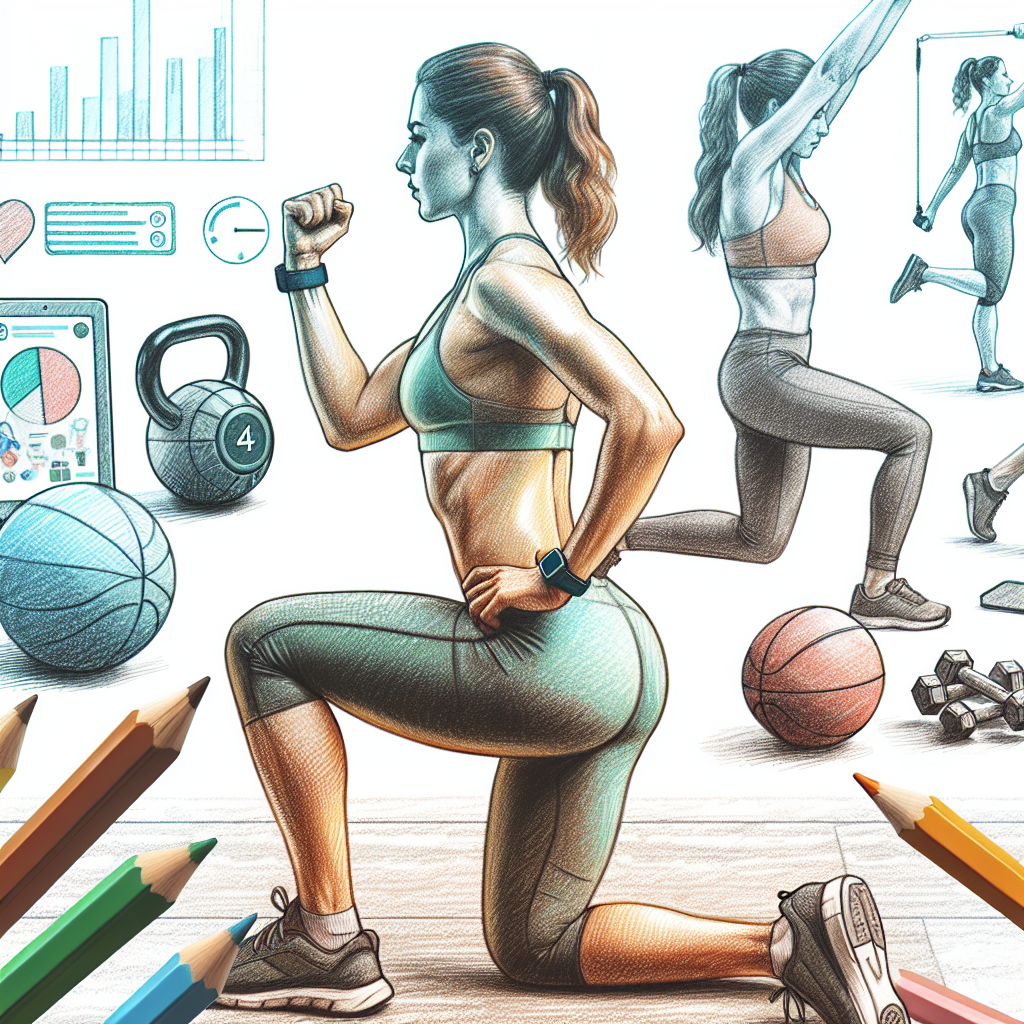
In our fast-paced lives, the idea of maintaining a workout routine could easily feel daunting. However, the absence of gym equipment does not inhibit the achievement of significant fitness results. Daily workouts that require no equipment can be effectively integrated into your schedule, providing a pathway to improved strength, flexibility, and overall well-being. Whether you are a busy professional, a parent, or someone simply looking to enhance your physical fitness, this guide will explore how you can achieve meaningful workouts on a daily basis without any equipment.
- Understanding Bodyweight Exercises
- Designing Your Daily Workout Routine
- Practical Steps for Effective Workouts
- When to Consult a Professional
- Common Myths and Mistakes
- Frequently Asked Questions
- Conclusion
Understanding Bodyweight Exercises
Bodyweight exercises are physical movements that utilize the weight of your own body as resistance. This method of training is highly effective for building strength and endurance. These exercises can be modified to suit all fitness levels, making them accessible for beginners and advanced athletes alike. Popular bodyweight exercises include push-ups, squats, lunges, and planks.
Designing Your Daily Workout Routine
Creating an effective workout routine requires some strategic planning. Here are key points to consider:
- Frequency: Aim for at least five days of activity each week.
- Duration: You can achieve benefits by dedicating as little as six minutes each day. For a more gradual approach, try a combination of short sessions throughout the week.
- Variety: Incorporate a range of exercises targeting different muscle groups.
Practical Steps for Effective Workouts
To maximize your workout efficacy, follow these steps:
- Warm-Up: Spend at least one minute performing dynamic stretches or light cardio to prepare your muscles.
- Choose 4-6 Exercises: Select from a variety of bodyweight exercises you enjoy, ensuring they target different areas of the body.
- Set Time Intervals: For a quick six-minute workout, dedicate 30 seconds to each exercise followed by a 15-second rest.
- Cool Down: After your workout, take time to stretch and lower your heart rate gradually.
- Stay Consistent: Incorporate these short sessions into your daily routine to foster habit and motivation.
If you’re looking for a structured approach, consider registering for a 30-day exercise program that guarantees results in just six minutes per day.
When to Consult a Professional
While bodyweight workouts are generally safe, there are instances where seeking professional advice becomes essential:
- If you experience persistent pain or discomfort during exercise.
- If you have existing medical conditions or physical limitations that may restrict your activity.
- If you are unsure about how to perform certain exercises safely.
Common Myths and Mistakes
There are several common misconceptions about bodyweight workouts that can hinder progress:
- Myth 1: Bodyweight exercises are only for beginners. – In reality, they can be easily modified for all fitness levels.
- Myth 2: You cannot build muscle without weights. – Bodyweight exercises can effectively build strength and muscle endurance.
- Mistake 1: Neglecting proper form. – Prioritizing form over quantity is essential to prevent injuries.
- Mistake 2: Inconsistency in workouts. – A regular routine is key to seeing results.
Frequently Asked Questions
What are bodyweight exercises?
Bodyweight exercises use your own body weight as resistance. Examples include push-ups, squats, and planks.
Can I really see results with no equipment?
Yes, consistent bodyweight exercises can lead to improved fitness levels, strength, and endurance.
How often should I work out?
Aim to exercise at least five times per week for optimal results.
Is six minutes enough for a workout?
Yes, six minutes can be effective if properly structured and executed efficiently.
Do I need to warm up before a workout?
Yes, warming up prepares your muscles and reduces the risk of injury.
What if I feel pain during an exercise?
Stop the exercise and consult a professional if the pain persists, as this could indicate an injury.
Conclusion
- Daily workouts without equipment are accessible and effective.
- Bodyweight exercises can help build strength, endurance, and flexibility.
- Creating a structured routine is vital for consistency and results.
- Consult a professional when experiencing pain or if you have specific health concerns.
- Being informed about myths and mistakes can enhance your training experience.
Integrate these simple steps into your daily routine to promote a healthier lifestyle. Challenge yourself to start today and consider exploring our 30-day exercise program designed to help you achieve results in just six minutes each day.
Author: John Angel