
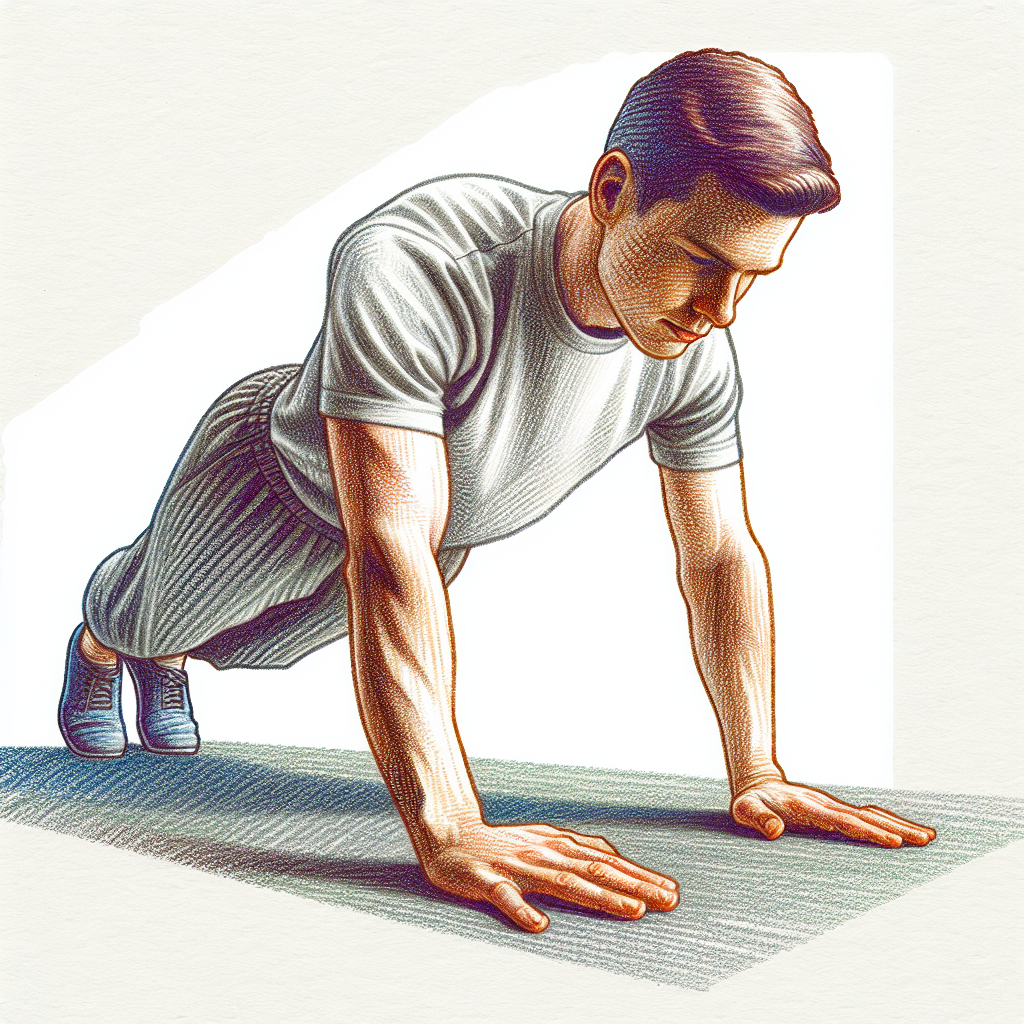
In today’s fast-paced world, maintaining a consistent workout routine can be challenging, especially when access to equipment or a gym facility is limited. However, effective daily workouts without equipment can yield impressive results in a short amount of time. Engaging in strength training, cardiovascular exercises, and flexibility work using your body weight not only enhances physical health but also improves mental well-being. This article highlights efficient strategies for achieving a comprehensive daily workout without the need for equipment and introduces a unique 30-day program focused on just six minutes of daily exercise.
- Understanding Bodyweight Exercises
- Designing Your Daily Routine
- Specific Workouts to Consider
- The Science Behind Short Workouts
- When to Seek Professional Advice
- Common Myths and Misconceptions
- Frequently Asked Questions
- Conclusion: Embracing a New Workout Ethos
Understanding Bodyweight Exercises
Bodyweight exercises utilize your own weight to provide resistance, targeting various muscle groups and enhancing functional strength. They have the following advantages:
- Accessibility: No equipment or gym membership is required.
- Versatility: Exercises can be performed anywhere—home, park, or during travel.
- Adaptability: Suitable for all fitness levels and easily modified for progression.
Designing Your Daily Routine
An effective daily workout requires a balance of different exercise modalities, including strength training, cardiovascular conditioning, and flexibility. Here’s a basic structure to follow:
- Warm-up: Begin with 2-3 minutes of light cardio (e.g., jumping jacks or jogging in place).
- Strength Training: Incorporate 2-3 bodyweight exercises focusing on major muscle groups.
- Cardiovascular Burst: Follow with 1-2 minutes of high-intensity exercise (e.g., burpees or mountain climbers).
- Cool Down: Conclude with stretching for flexibility and recovery.
Specific Workouts to Consider
Here are some recommended exercises for your daily routine:
Strength Exercises
- Push-Ups: Targets the chest, shoulders, and triceps.
- Squats: Works the legs and glutes.
- Planks: Engages the core for stability and strength.
Cardiovascular Exercises
- Burpees: Full-body exercise that elevates heart rate.
- Jumping Jacks: Classic cardio move to keep you agile.
- High Knees: Effective for aerobic and anaerobic conditioning.
The Science Behind Short Workouts
Short, high-intensity workouts can stimulate muscle growth and fat loss, primarily through enhanced metabolic responses. As demonstrated in research, engaging in intense exercise for brief periods can yield similar, if not better, results than longer sessions. A unique approach worth considering is a 30-day program that requires only six minutes of exercise each day, designed to substitute a traditional gym routine effectively. You can register for this program here.
When to Seek Professional Advice
While bodyweight exercises can be safe and effective for most individuals, consulting a healthcare or fitness professional is advisable under certain conditions:
- If you have pre-existing health conditions or injuries.
- If you experience pain or discomfort during exercises.
- If you are unsure about starting an exercise regime.
Common Myths and Misconceptions
Despite the benefits of bodyweight workouts, several misconceptions persist:
- Myth 1: You cannot build muscle without weights. This is untrue; bodyweight exercises can be highly effective for muscle growth.
- Myth 2: Short workouts are ineffective. High-intensity, short workouts can produce significant results within limited timeframes.
- Myth 3: Bodyweight training is only for beginners. Advanced variations of exercises exist, catering to different fitness levels.
Frequently Asked Questions
What are the benefits of bodyweight training?
Bodyweight training is accessible, versatile, and can be tailored to various fitness levels while improving strength, endurance, and flexibility.
How can I ensure my form is correct while exercising?
Utilize resources like tutorial videos or fitness apps that demonstrate proper techniques, and consider working with a professional if possible.
How often should I do bodyweight workouts?
Aim for at least 3-5 times a week for optimal results, allowing your body to rest and recover as needed.
Can I lose weight with bodyweight exercises?
Yes, when combined with a balanced diet, bodyweight exercises can be effective for weight loss due to their ability to elevate your metabolic rate.
Are bodyweight workouts suitable for all age groups?
Yes, bodyweight workouts can be adjusted to accommodate individuals of various ages and fitness levels, making them widely applicable.
How do I stay motivated to maintain a daily workout routine?
Set realistic goals, track your progress, and keep your workouts varied and enjoyable to maintain motivation.
Conclusion: Embracing a New Workout Ethos
- Bodyweight workouts provide effective training without needing equipment.
- Short daily routines can fit into even the busiest schedules.
- A variety of exercises targets different muscle groups and improves overall fitness.
- Consult professionals if uncertain about your exercise approach.
- Stay informed about myths and misconceptions to enhance your understanding.
Now is the time to embrace the benefits of bodyweight exercises and incorporate them into your daily routine. Whether it’s a brief six-minute workout or an expanded session, taking the first step is essential. For those interested in a structured program, consider registering for a 30-day plan that requires only six minutes of daily effort—you can register here.
Author: John Angel