
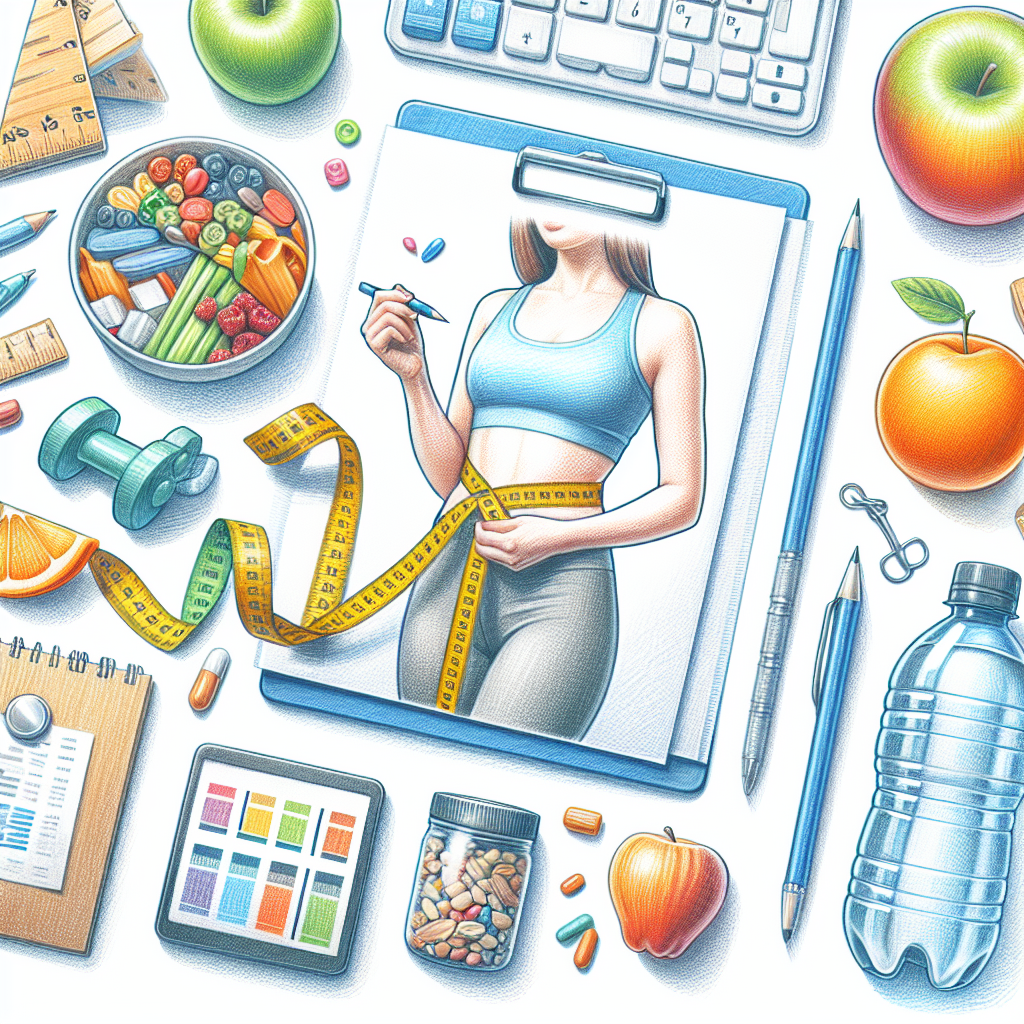
Embarking on a weight loss journey can be both exciting and daunting. With an abundance of information available, it becomes essential to find a diet plan that is not only effective but also sustainable. A well-structured diet plan, combined with manageable physical activity, can lead to meaningful results without the feeling of deprivation. In this article, we explore a comprehensive diet plan aimed at weight reduction, while highlighting the transformative potential of short, impactful workouts.
- Understanding Weight Loss Fundamentals
- Creating a Balanced Diet Plan
- The Role of Short Workouts
- Practical Steps to Incorporate Changes
- When to Consult a Professional
- Myths and Misconceptions
- Frequently Asked Questions
Understanding Weight Loss Fundamentals
Weight loss fundamentally revolves around creating a caloric deficit, where the calories consumed are fewer than those expended. This principle can be achieved through dietary modifications and an increase in physical activity. The key lies in adopting a holistic approach that ensures both physical well-being and mental satisfaction.
Creating a Balanced Diet Plan
A balanced diet plan is crucial in your weight loss journey. Below are essential components to consider:
- Macronutrient Balance: Focus on incorporating a healthy mix of carbohydrates, proteins, and fats. Aim for complex carbohydrates such as whole grains, lean meats, fish, legumes, and healthy fats like avocados and nuts.
- Portion Control: Serve smaller portions to avoid overeating while still enjoying a variety of foods.
- Hydration: Drink plenty of water throughout the day. Often, we confuse thirst with hunger.
- Meal Planning: Pre-planning meals can prevent impulsive eating and help maintain a balanced dietary intake.
- Mindful Eating: Practice awareness during meals; eat slowly and savor each bite.
The Role of Short Workouts
The appeal of short, six-minute workouts at home lies in their accessibility and effectiveness. These workouts can seamlessly integrate into a busy schedule, making them perfect for anyone, regardless of their lifestyle. The magic of these quick sessions is not merely in their duration, but in their ability to elevate heart rates and stimulate muscle activity in a short time.
Benefits of short workouts include:
- Time Efficiency: Easily fit in a workout session during breaks or between chores.
- Increased Flexibility: Adapt workouts to various fitness levels and preferences.
- Mental Boost: Short bursts of exercise can elevate mood and improve focus throughout the day.
To experience the advantages of these brief workouts, consider exploring the free 30-day SixPack workout program.
Practical Steps to Incorporate Changes
Implementing a diet plan and workout regimen requires commitment but can lead to impressive results. Here’s how to begin:
- Set Realistic Goals: Start with small, achievable targets to build confidence.
- Track Progress: Maintain a journal for food intake and exercise to observe patterns and make necessary adjustments.
- Stay Social: Surround yourself with supportive friends or join online communities for motivation.
- Culinary Exploration: Try new, healthy recipes to keep meals exciting rather than monotonous.
- Regular Assessment: Re-evaluate your plan monthly and adjust based on what works or doesn’t.
When to Consult a Professional
While many can successfully manage their weight loss independently, there are occasions when professional guidance becomes essential. Consult a qualified healthcare provider or nutritionist if you experience:
- Unexplained weight fluctuations.
- Emotional distress related to food or exercise.
- Health conditions that may impact dietary choices, such as diabetes or eating disorders.
Myths and Misconceptions
Understanding weight loss involves distinguishing facts from myths. Here are common misconceptions:
- Myth 1: All fats are bad. Fact: Healthy fats are crucial for overall health.
- Myth 2: Carbs should be avoided completely. Fact: Whole grain carbs provide essential energy.
- Myth 3: You must exercise for hours to lose weight. Fact: Short, intense workouts can be very effective.
Frequently Asked Questions
What is a caloric deficit?
A caloric deficit occurs when you consume fewer calories than your body needs to maintain its current weight.
Can I lose weight without exercising?
Yes, weight loss can be achieved through dietary changes alone, but exercise contributes to overall health and faster results.
How can I stay motivated during my weight loss journey?
Setting smaller goals, tracking your progress, and finding a support network can greatly enhance motivation.
Is it normal to have weight fluctuations?
Yes, minor fluctuations are normal and can be caused by various factors like water retention or daily changes in food intake.
Can I eat snacks while on a weight loss plan?
Yes, healthy snacks can help curb hunger and prevent overeating during main meals.
How often should I adjust my diet plan?
Re-evaluate your diet plan every month to assess your progress and make necessary adjustments.
Conclusion
- Weight loss is achievable through a balanced diet and short, effective workouts.
- A well-planned menu ensures you remain nourished while reducing caloric intake.
- Short workouts can be integrated into daily life, making exercise approachable and enjoyable.
- Professional guidance may be necessary under certain health conditions or uncertainties.
- Distinguishing fact from myth helps maintain a sustainable and informed approach to weight management.
As you embark on your weight loss journey, remember that progress takes time and dedication. Explore the free 30-day SixPack workout program to complement your new diet plan and witness the transformation unfold.
Author: John Angel