
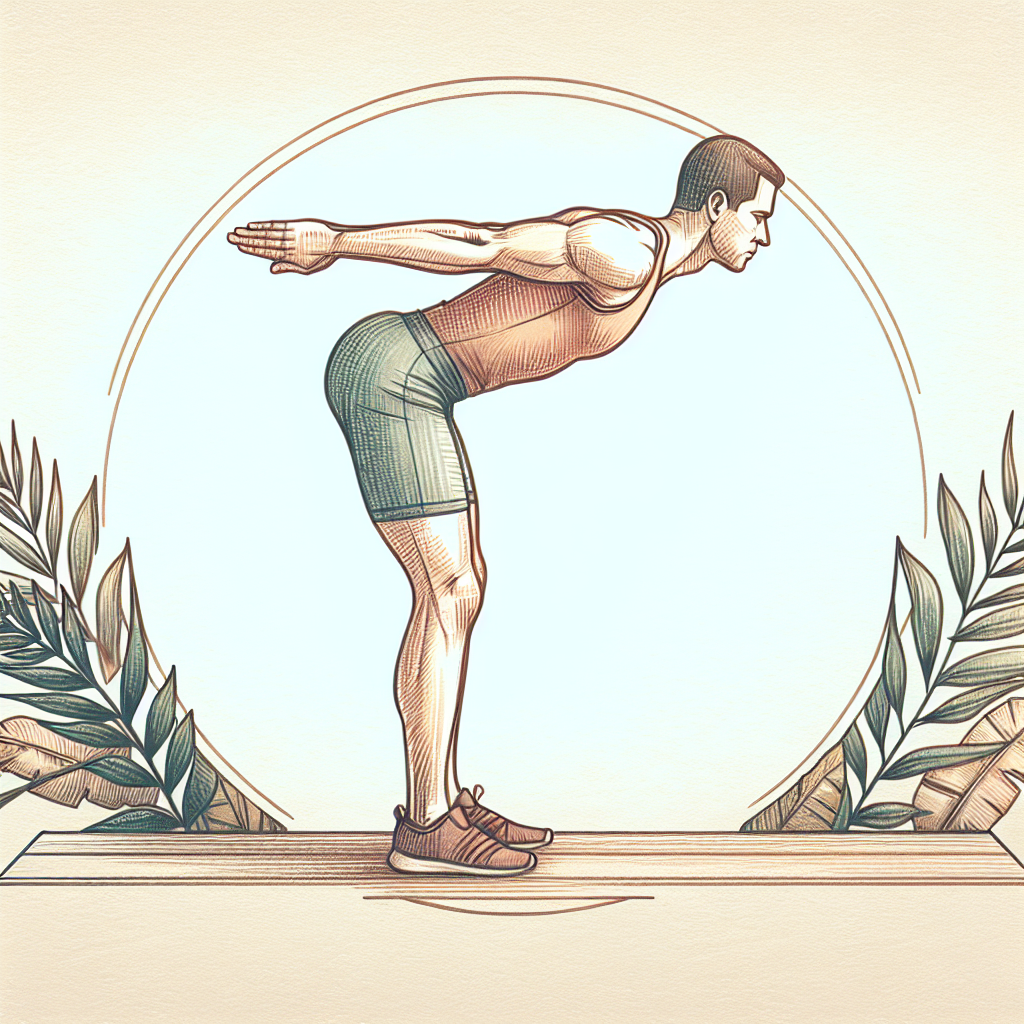
In today’s fast-paced world, finding time for exercise can be a daunting task. However, engaging in easy exercises that require no equipment can yield significant benefits for your physical and mental health. These straightforward activities can be seamlessly integrated into your daily routine, allowing you to improve your fitness without the need for a gym membership or specialized equipment.
- Understanding the Benefits of No-Equipment Exercises
- Top Easy Exercises to Get You Started
- Creating a Simple Workout Routine
- Addressing When to Seek Professional Advice
- Common Myths about Home Exercises
- Frequently Asked Questions
Understanding the Benefits of No-Equipment Exercises
No-equipment exercises are an accessible way to enhance your fitness level. They can be performed virtually anywhere, making them ideal for busy lifestyles. Key benefits include:
- Convenience: No need to travel to the gym.
- Cost-effective: No need to invest in equipment or memberships.
- Flexible: They can be done at any time that suits you.
- Improved Discipline: Easier to stick with as they require minimal planning.
Top Easy Exercises to Get You Started
Here are some excellent exercises that require no special equipment:
- Bodyweight Squats: Stand with feet shoulder-width apart and lower your body as if sitting in a chair. Return to starting position.
- Push-ups: Place hands shoulder-width apart on the floor, lower your body until your chest almost touches the ground, and push back up.
- Lunges: Step forward with one leg and lower your hips until both knees are bent at a 90-degree angle. Return to standing and switch legs.
- Planks: Lie face down, then lift your body on your elbows and toes, keeping a straight line from head to heels.
- Burpees: From a standing position, squat down, kick back into a plank, return to squat, and jump up explosively.
Creating a Simple Workout Routine
To maximize the benefits of these exercises, consider creating a balanced workout routine. Here are some steps to follow:
- Choose 5 exercises from the list above.
- Perform each exercise for 30 seconds, interspersed with 15 seconds of rest.
- Repeat the circuit 3 times, ensuring you keep proper form.
- Consider dedicating just 6 minutes a day to this routine. For a structured program, you can register for a 30-day exercise program.
- Make this routine a part of your daily schedule, and gradually increase the intensity as you progress.
When to Seek Professional Advice
While no-equipment exercises are generally safe for most individuals, certain circumstances may warrant professional consultation:
- If you experience persistent pain during or after exercising.
- If you have existing health conditions or injuries.
- When considering starting a new exercise program, particularly if you have been sedentary.
Always seek the guidance of a qualified healthcare provider before commencing new exercise routines if you have any concerns.
Common Myths about Home Exercises
Misconceptions surrounding home workouts can deter individuals from pursuing their fitness goals. Here are a few myths clarified:
- Myth 1: You cannot achieve results without equipment. Fact: Bodyweight exercises can build strength and endurance effectively.
- Myth 2: Home workouts are less effective than gym workouts. Fact: Consistency is key, and effective routines can lead to excellent outcomes.
- Myth 3: You need long workout sessions to see results. Fact: Short, intense workouts can be beneficial.
Frequently Asked Questions
Can I lose weight with no-equipment exercises?
Yes, incorporating no-equipment exercises into a balanced diet can contribute to weight loss.
How often should I perform no-equipment exercises?
Aim for at least 3 to 5 times a week for optimal results.
Can beginners do these exercises?
Absolutely, these exercises can be tailored to fit any fitness level, making them suitable for beginners.
What should I do if I feel pain during an exercise?
Stop immediately and consult a healthcare professional if pain persists.
How long will it take to see results?
Results vary by individual but consistency generally yields visible improvements within a few weeks.
Do I need to warm up before exercising?
Yes, warming up is essential to prepare your muscles and prevent injury.
Conclusion
- No-equipment exercises are convenient and effective for improving fitness.
- A balanced routine can be easily integrated into daily life.
- Professional consultation may be necessary for some individuals.
- Debunking myths can encourage more people to try home workouts.
- Short, consistent workouts can lead to significant results.
Embarking on a fitness journey can begin today, right in the comfort of your home. Consider adding just six minutes of these easy exercises to your routine and explore the benefits. For a structured approach, you can register for a 30-day exercise program.
Author: John Angel