Categories
Fitness

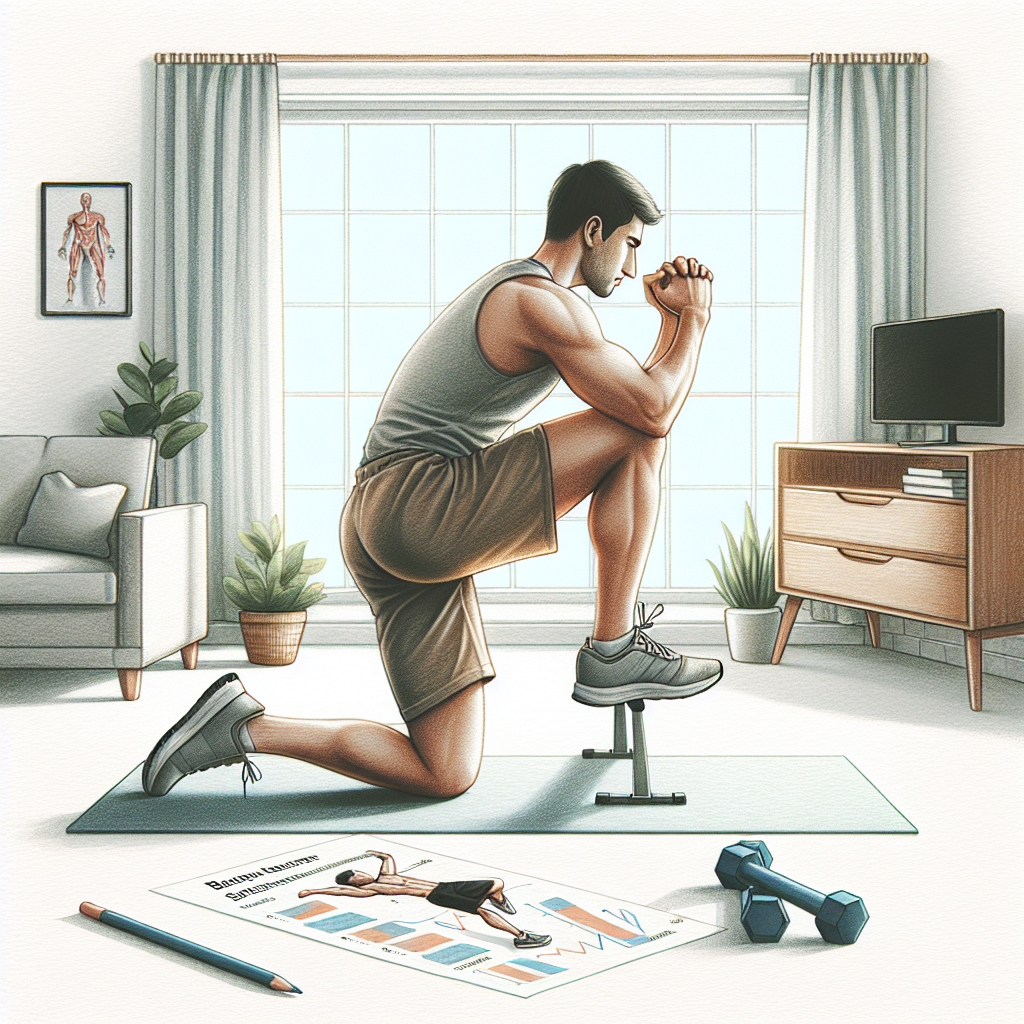
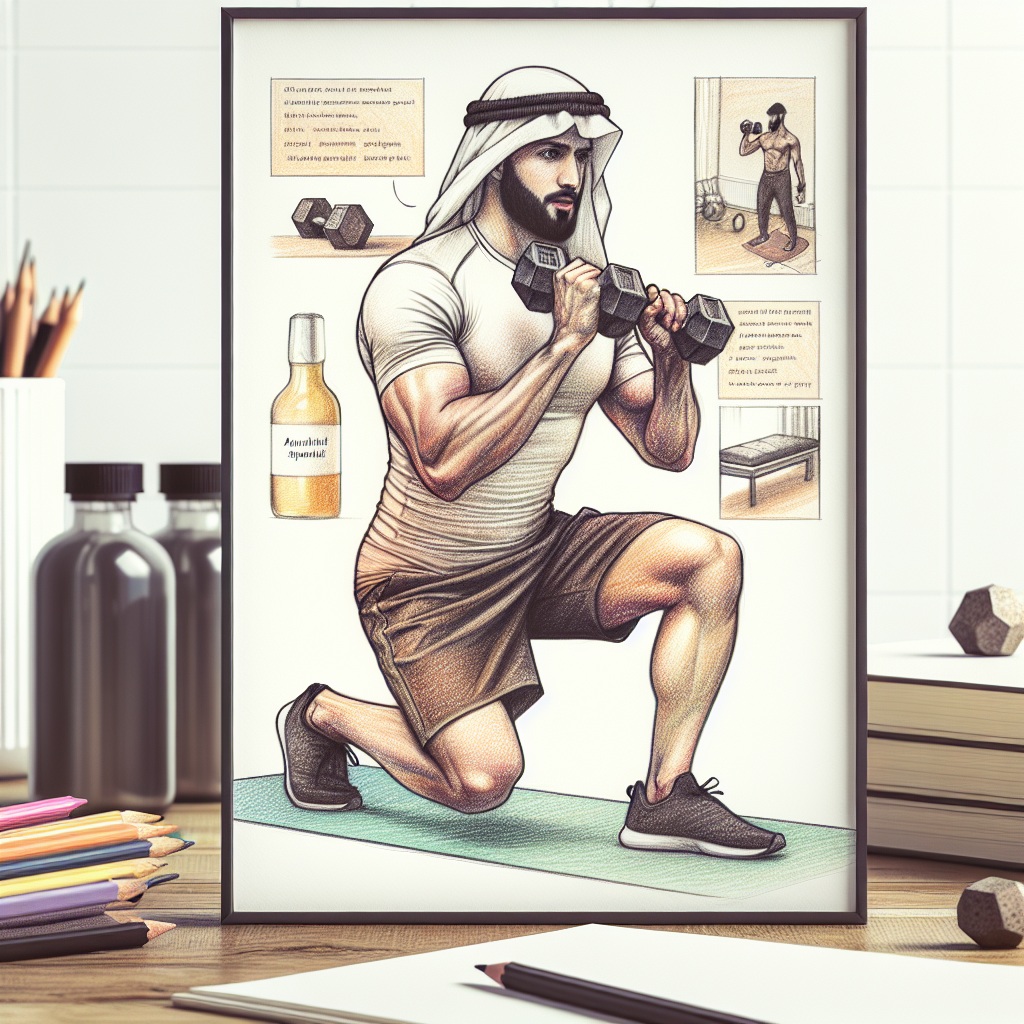
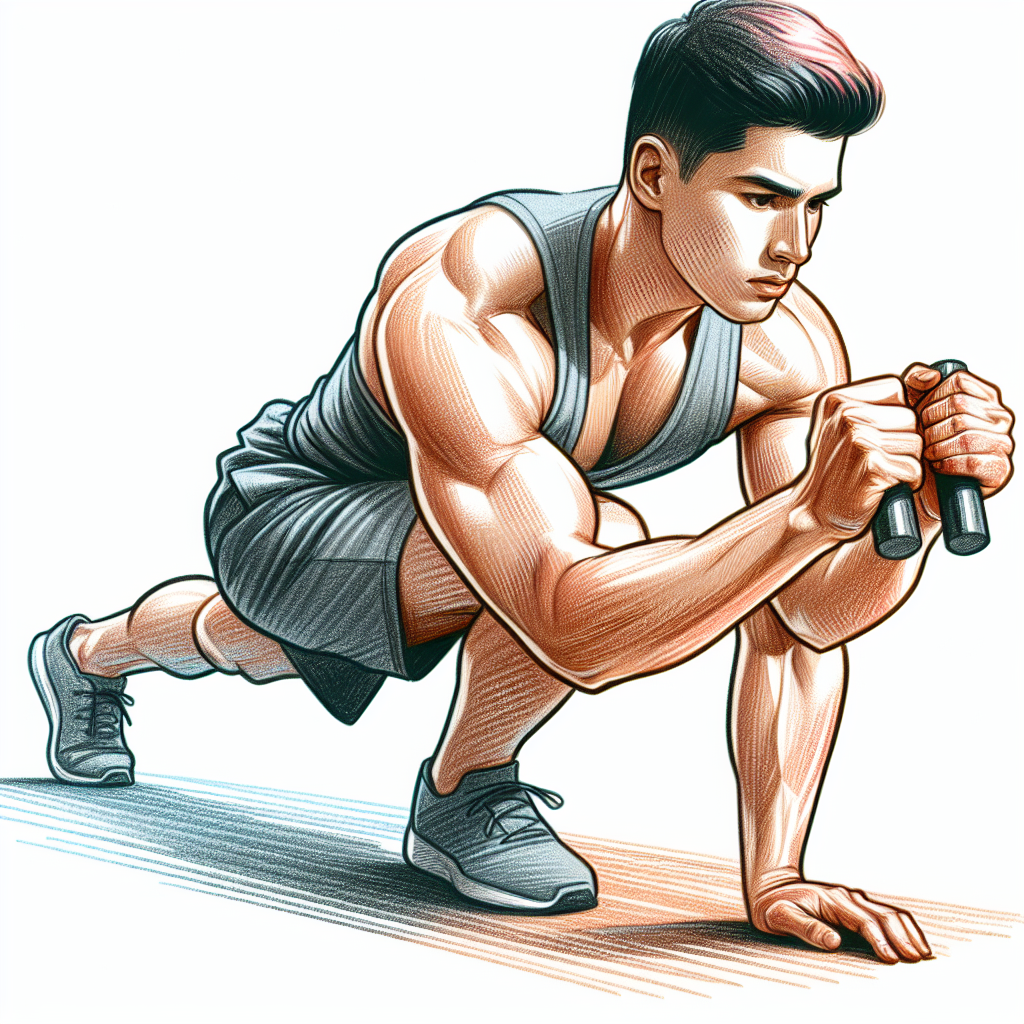
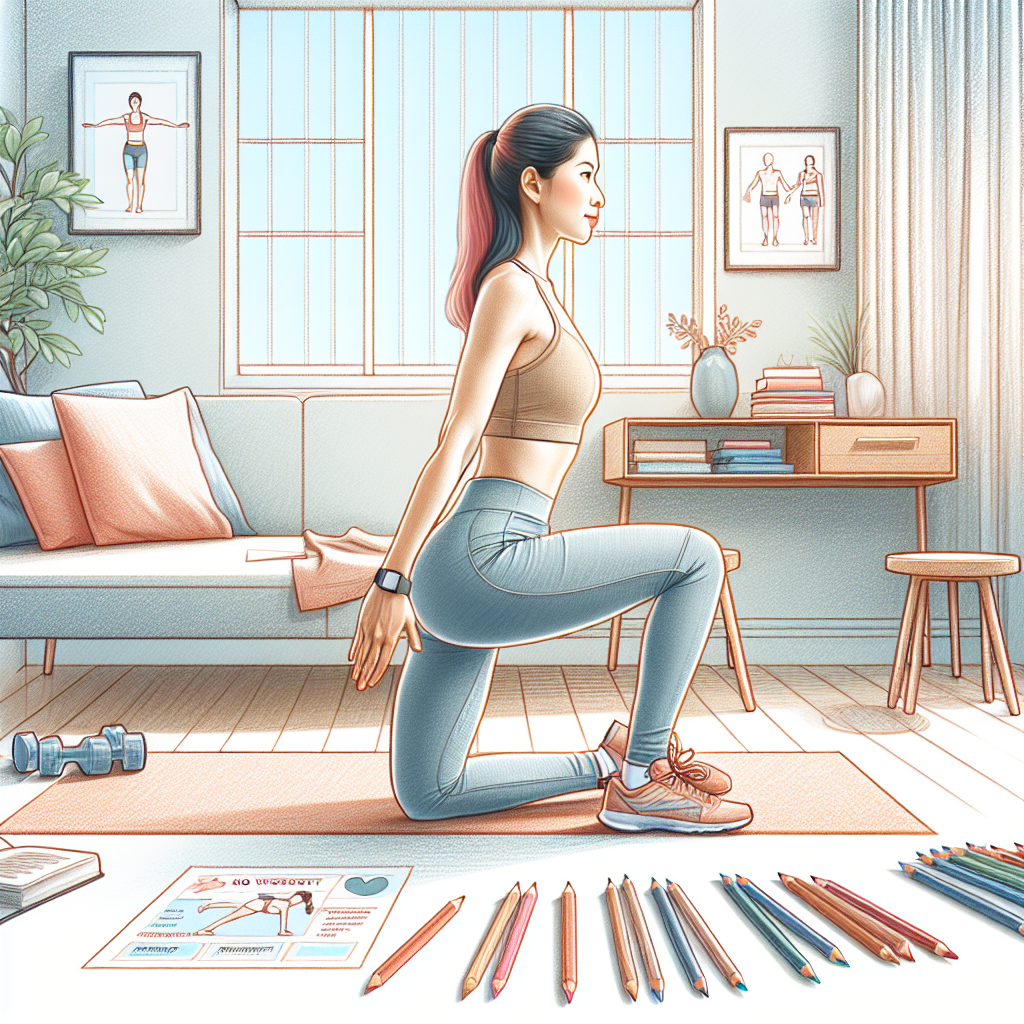
Effective Strength Workouts at Home Without Equipment

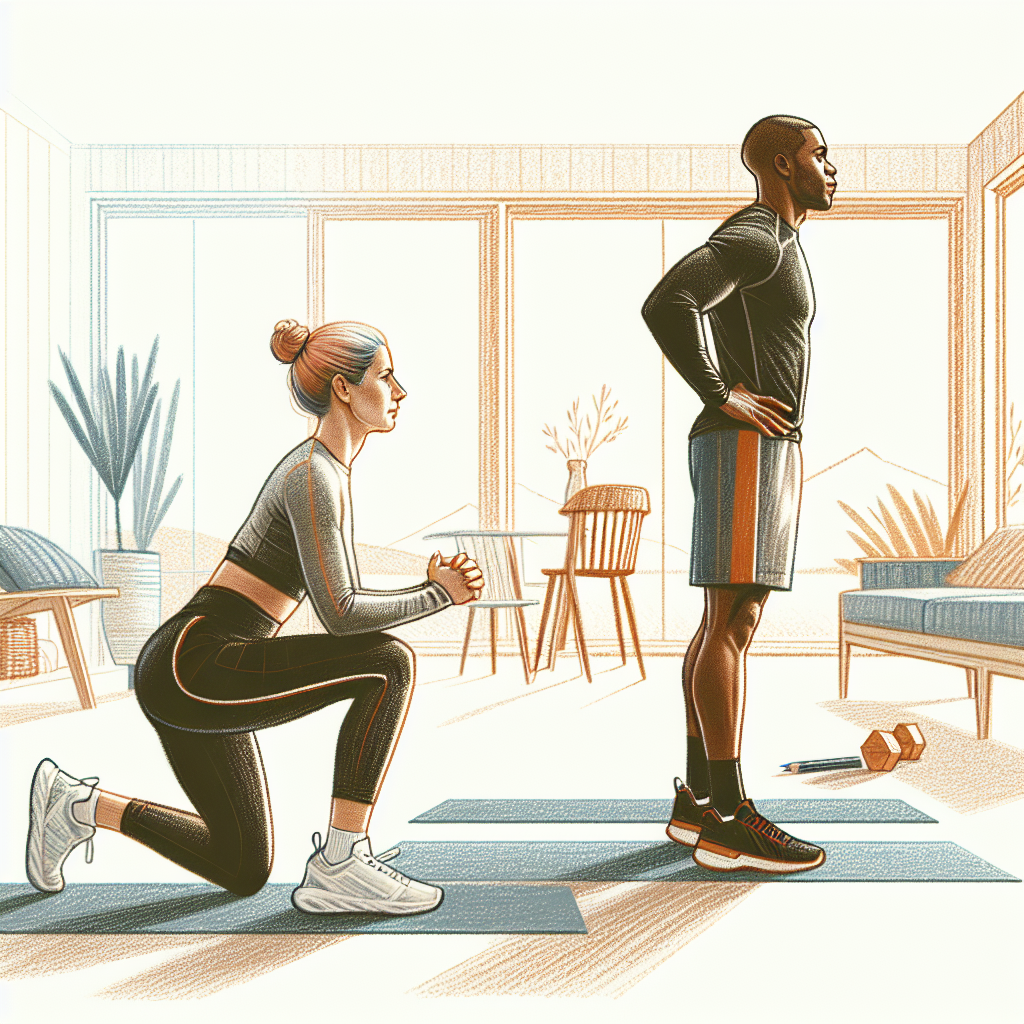
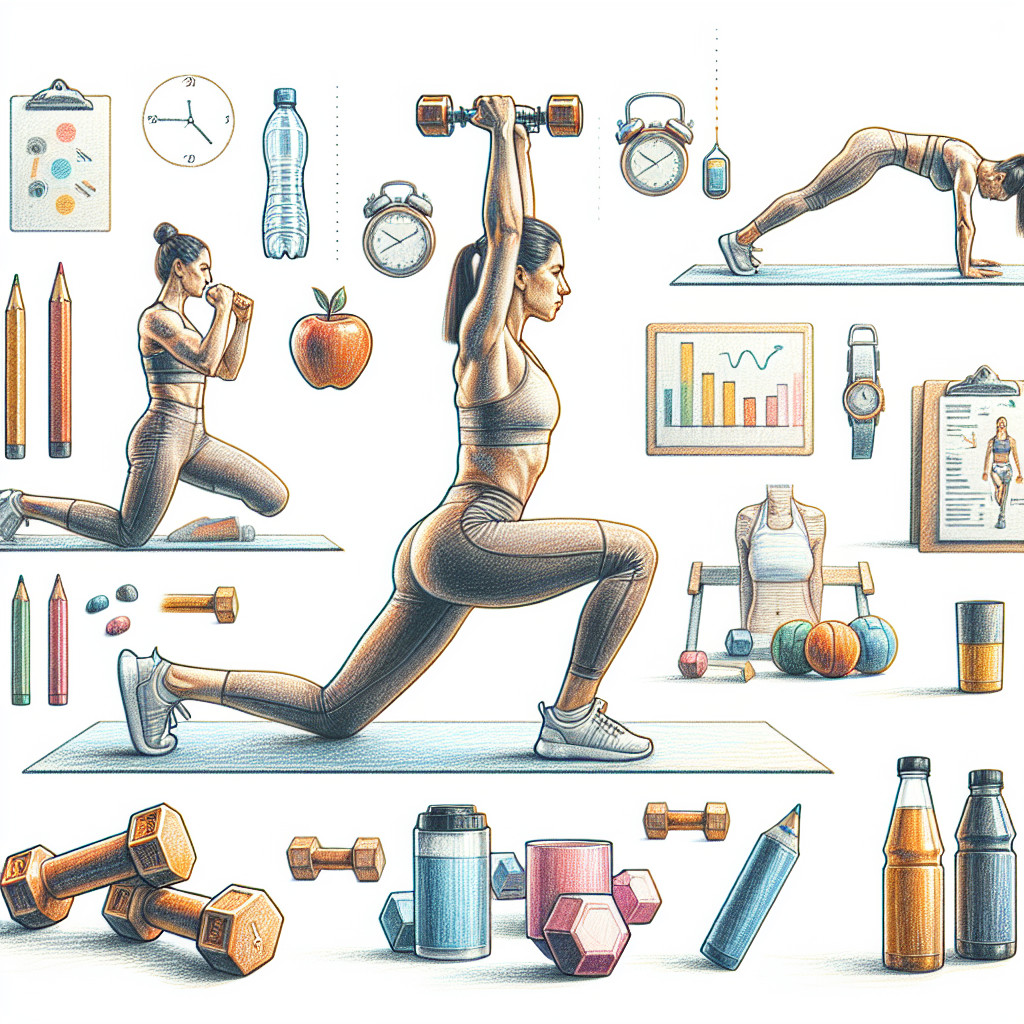
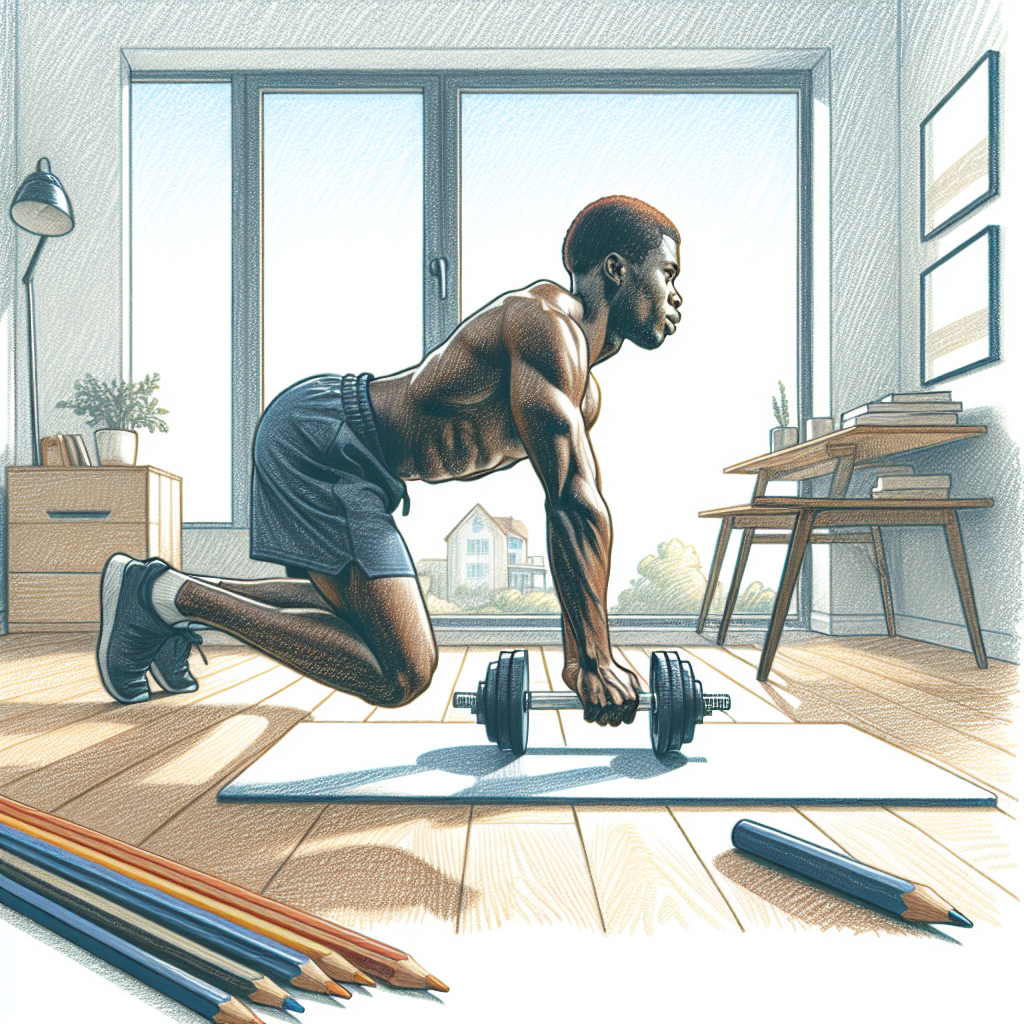
Strength Workout at Home Without Equipment

In today’s fast-paced world, maintaining a fitness routine can be challenging, especially if you lack access to a gym or workout equipment. Strength workouts at home, however, present an effective and accessible solution. With a commitment of just a few minutes each day, you can build muscle, improve endurance, and enhance overall fitness without the need for costly memberships or bulky equipment. This article explores the benefits and provides detailed guidance on how to perform strength workouts at home effectively.

  • Benefits of Home Workouts
  • Essential Bodyweight Exercises
  • Sample Strength Workout Routine
  • Myths and Misconceptions
  • When to Consult a Professional
  • Frequently Asked Questions

Benefits of Home Workouts

Engaging in strength workouts at home comes with numerous advantages:

  • Convenience: You can work out at any time that suits your schedule, eliminating the need for travel to a gym.
  • Cost-Effective: Home workouts require no equipment or memberships, making fitness accessible to everyone.
  • Privacy: Many individuals feel more comfortable exercising in the privacy of their own homes.
  • Flexibility: You can easily adjust your routine based on your daily lifestyle and energy levels.
  • Building Discipline: Committing to a regular routine fosters self-discipline and a sense of achievement.

Essential Bodyweight Exercises

Bodyweight exercises utilize your own weight as resistance, effectively strengthening various muscle groups. Here are some fundamental exercises that can be incorporated into your routine:

  • Push-Ups: Great for upper body strength, targeting the chest, shoulders, and triceps.
  • Squats: A vital exercise for leg strength; works the quadriceps, hamstrings, and glutes.
  • Planks: Improves core stability and strength while also engaging shoulder and back muscles.
  • Burpees: A full-body exercise that boosts endurance and strength simultaneously.
  • Lunges: Excellent for leg strength and balance; they target a wide range of muscles.
  • Mountain Climbers: A dynamic exercise that increases heart rate while strengthening core and leg muscles.

Sample Strength Workout Routine

Here is a practical workout routine that requires only six minutes of your day:

  1. Warm-Up: 1 minute of light jogging in place or jumping jacks.
  2. Push-Ups: 40 seconds of maximum repetitions followed by 20 seconds of rest.
  3. Squats: 40 seconds of maximum repetitions followed by 20 seconds of rest.
  4. Plank: Hold for 40 seconds followed by 20 seconds of rest.
  5. Burpees: 40 seconds of maximum repetitions followed by 20 seconds of rest.
  6. Lunges: 40 seconds of maximum repetitions followed by a final 20 seconds of rest.

This routine can be easily modified depending on individual fitness levels. To guide you further, consider enrolling in a 30-day exercise program where you only exercise for 6 minutes daily. You can register for free at this link.

Myths and Misconceptions About Home Workouts

Despite the vast information available, several myths persist regarding home workouts:

  • Myth 1: Bodyweight exercises are not effective for building muscle.
    Truth: Bodyweight exercises can stimulate muscle growth effectively if performed with proper intensity and progression.
  • Myth 2: You need equipment for an effective workout.
    Truth: Many successful strength training regimens are built entirely around bodyweight movements.
  • Myth 3: Home workouts are dull and repetitive.
    Truth: A wide variety of exercises can be combined for diverse and engaging routines.
  • Myth 4: Working out at home can lead to injury.
    Truth: Proper form and gradual progression can minimize the risk of injury, akin to exercising in a gym.

When to Consult a Professional

While home workouts can be effective, certain situations may warrant consultation with a fitness professional:

  • If you experience persistent pain during exercises, it is advisable to consult a healthcare provider.
  • Seek guidance if you are uncertain about exercise form, as incorrect techniques can lead to injury.
  • Those with pre-existing medical conditions or injuries should consult a doctor before initiating a new exercise regimen.
  • If progress stagnates despite consistent effort, a professional fitness assessment may help identify underlying issues.

Frequently Asked Questions

Can I build muscle without weights?

Yes, bodyweight exercises can effectively build muscle if performed with adequate intensity and frequency.

How often should I exercise at home?

For optimal results, aim for at least 3-5 sessions per week, combining strength and cardiovascular activities.

Is it possible to lose weight with bodyweight training?

Absolutely, when combined with a balanced diet, bodyweight training can facilitate weight loss.

How can I maintain motivation to workout at home?

Setting goals, tracking progress, and varying your routine can help sustain motivation.

Are there age restrictions for home workouts?

Home workouts can be adapted for all ages; however, elderly individuals or those with health concerns should consult a professional prior to starting.

Is a warm-up necessary before exercising?

Yes, warming up prepares the muscles and reduces the risk of injury during workouts.

Conclusion

  • Strength workouts at home offer convenience and flexibility.
  • Bodyweight exercises can effectively build muscle and enhance endurance.
  • Incorporating a daily 6-minute routine can yield substantial results.
  • Myths surrounding home workouts can be dispelled through education.
  • Consulting a professional may be necessary in specific cases to ensure safety and efficacy.

Now is the perfect time to take control of your fitness journey. Begin your strength workouts at home, and share your progress with others for added motivation. Don’t forget to explore the free 30-day exercise program available at this link.

Author: John Angel

Related articles

Categories
Fitness

Effective Weight Training Without Equipment: A Complete Guide

Weight Training with No Equipment: A Comprehensive Guide

Weight training is often associated with gym memberships, free weights, and specialized machines. However, you can achieve effective results without any equipment using your body weight. This article presents essential techniques, practical guidance, and a perspective on understanding your fitness journey, allowing you to train anywhere, at any time.

  • Understanding Bodyweight Exercises
  • Key Benefits of No-Equipment Training
  • Effective Bodyweight Exercises
  • Creating a Structured Routine
  • When to Consult a Professional
  • Common Myths and Misconceptions
  • Frequently Asked Questions

Understanding Bodyweight Exercises

Bodyweight exercises utilize your own mass as resistance, eliminating the need for external weights. This form of training can effectively enhance muscle strength, endurance, flexibility, and overall fitness. Key movements include push-ups, squats, lunges, and planks, which can be performed anywhere from your living room to a park.

Key Benefits of No-Equipment Training

Engaging in weight training without equipment offers a myriad of advantages:

  • Accessibility: No gym membership or equipment costs.
  • Versatility: Exercises can be modified to suit various fitness levels.
  • Space-Efficiency: Ideal for small living areas or outdoor settings.
  • Time-Efficiency: Quick workouts can be integrated into busy schedules.
  • Functional Strength: Develops strength relevant to real-life activities.

Effective Bodyweight Exercises

Incorporating a variety of bodyweight exercises can optimize your training. Below are essential movements to consider:

1. Push-Ups

Targeting the chest, shoulders, and triceps, push-ups can be modified into knee, incline, or decline variations to adjust difficulty.

2. Squats

Squats effectively strengthen the legs and glutes. To enhance the challenge, you can perform jump squats or single-leg variations.

3. Planks

Planks engage the core effectively. Variants include side planks and plank shoulder taps for added difficulty.

4. Lunges

Both forward and backward lunges enhance leg strength while promoting balance and coordination.

5. Burpees

This full-body exercise combines a squat, push-up, and jump, providing excellent cardiovascular benefits.

Creating a Structured Routine

To maximize your results, establish a routine that ensures all muscle groups are engaged. Here’s a simple daily structure to consider:

  1. Warm-up (2 minutes): Perform dynamic stretches or light cardio.
  2. Select 4-5 bodyweight exercises: Choose from the exercises listed above.
  3. Set a timer for 6 minutes: Alternate between exercises with minimal rest.
  4. Cool down (2 minutes): Include static stretching to promote recovery.

You can also sign up for a free registration of a 30-day exercise program designed to deliver results in just 6 minutes a day.

When to Consult a Professional

While bodyweight training is suitable for most, certain signs may indicate the need for professional advice:

  • If you experience persistent pain during exercise.
  • In case of pre-existing medical conditions that may interfere with physical activity.
  • If you are unsure about proper form or technique, which could lead to injury.
  • If motivation wanes and it hinders your ability to remain consistent in training.

Common Myths and Misconceptions

Many misconceptions surround bodyweight training. Understanding these can help clarify its benefits:

  • Myth 1: Only heavy weights build muscle. Bodyweight training can build significant muscle and strength.
  • Myth 2: You cannot achieve results without a gym. As demonstrated, effective workouts can occur anywhere.
  • Myth 3: Bodyweight workouts are too easy. Many variations exist that can challenge even seasoned athletes.
  • Myth 4: You won’t burn fat without cardio machines. High-intensity bodyweight circuits can elevate your heart rate and facilitate fat loss.

Frequently Asked Questions

Can beginners perform bodyweight exercises?

Yes, bodyweight exercises can be adjusted for all fitness levels, making them ideal for beginners.

How often should I train with bodyweight exercises?

Training three to five times per week can promote progress, incorporating rest days for recovery.

Are bodyweight exercises as effective as weight lifting?

While both methods have unique benefits, bodyweight exercises can effectively build strength, endurance, and flexibility.

Do I need special gear for bodyweight training?

No special equipment is required; comfortable clothing and a suitable surface are usually sufficient.

How do I ensure proper form?

Focus on slow, controlled movements and consider utilizing online resources or professional guidance to ensure correct technique.

Can I lose weight with bodyweight exercises alone?

Yes, when combined with a balanced diet, bodyweight exercises can significantly aid in weight loss.

Conclusion

  • Bodyweight training is accessible and effective.
  • A variety of exercises allows for a tailored workout.
  • Establishing a routine ensures balanced muscle engagement.
  • Consulting a professional is important when encountering issues.
  • Dispelling myths can enhance understanding and increase motivation.

Engaging in weight training without equipment not only builds strength but also fosters confidence and convenience in maintaining an active lifestyle. Start your journey today, and consider joining a tailored program to kickstart your results with just 6 minutes a day.

Author: John Angel

Related articles

Categories
Fitness

Effective Leg Day Workout Without Machines

Leg Day Workout Without Machines

Leg day is often considered one of the most demanding yet rewarding parts of a fitness regimen. While machines can help isolate specific muscle groups, they are not a necessity for an effective leg workout. In this article, we will explore various bodyweight exercises and free-weight alternatives that can deliver significant results without the confines of gym machinery. By incorporating these methods into your routine, you can enhance strength, stability, and endurance in your legs.

  • Introduction
  • Understanding the Importance of Leg Day
  • Bodyweight Exercises for Legs
  • Free Weight Alternatives
  • Creating a Balanced Leg Day Routine
  • Common Myths About Leg Workouts
  • Consulting a Professional: When to Seek Help
  • FAQ
  • Conclusion

Understanding the Importance of Leg Day

Leg day should not be underestimated, as your legs support most daily activities and foundational movements. Strong legs improve athletic performance and enhance overall body symmetry. They also play a crucial role in functional movements, ensuring balance and stability. Prioritizing leg workouts can contribute to improved posture and reduced risk of injuries.

Bodyweight Exercises for Legs

Bodyweight exercises are a convenient and effective means to strengthen your legs without the use of machines. Below are some key exercises to incorporate:

  • Squats: Stand with feet shoulder-width apart and lower your body as if sitting in a chair, keeping your back straight.
  • Lunges: Step forward with one leg and lower your hips until both knees form a 90-degree angle.
  • Glute Bridges: Lie on your back with knees bent, lift your hips towards the ceiling while squeezing your glutes.
  • Calf Raises: Stand on the edge of a step and raise your heels, then lower back down.
  • Step-ups: Use a sturdy platform to step up and down, alternating your leading leg.

Free Weight Alternatives

If you have access to free weights, they can be an excellent addition to your leg day workout. Here are some effective exercises:

  • Dumbbell Squats: Hold a dumbbell in each hand while performing squats for added resistance.
  • Weighted Lunges: Carry dumbbells while lunging to increase the challenge.
  • Deadlifts: Keep your back straight and lower weights towards the floor, then raise them back up while engaging your leg muscles.
  • Dumbbell Step-ups: Hold weights while stepping onto a platform for added intensity.

Creating a Balanced Leg Day Routine

An effective leg day routine should include a variety of exercises to target all muscle groups. A possible structure may include:

  1. Warm-up: 5-10 minutes of dynamic stretches or light cardio.
  2. Main Exercises: 3-5 sets of 8-12 reps for each of the selected exercises.
  3. Cool Down: 5-10 minutes of stretching focused on the legs to aid recovery.

Common Myths About Leg Workouts

There are several misconceptions regarding leg day workouts that can hinder your progress:

  • Myth 1: Leg workouts only benefit aesthetic goals.
  • Myth 2: You only need to train legs once a week.
  • Myth 3: Machines are the only effective way to train legs.
  • Myth 4: Bodyweight exercises are not effective for building muscle.

Consulting a Professional: When to Seek Help

If you are experiencing persistent pain, discomfort, or uncertainty about your workout form, it may be necessary to consult a fitness professional or healthcare provider. Signs that you should seek expertise include:

  • Persistent pain or injuries in the lower body.
  • Difficulty performing exercises correctly.
  • Delayed soreness that lasts beyond typical recovery times.
  • Uncertainty about how to create a tailored workout plan.

FAQ

What is the optimal frequency for leg workouts?

Training legs 1-2 times a week allows for adequate recovery and muscle growth.

Can I achieve results without machines?

Yes, bodyweight and free-weight exercises can be highly effective in developing leg strength.

How can I ensure proper form during exercises?

Consult video tutorials, trainers, or fitness classes to learn proper techniques.

Is stretching important after a leg workout?

Absolutely, stretching helps prevent injury and promotes recovery.

What should I eat before a leg workout?

A balanced meal with carbohydrates and protein 1-2 hours prior can optimize performance.

Can I combine leg day with cardio?

Yes, but ensure to balance intensity to avoid fatigue before strength training.

Conclusion

  • Leg day is vital for overall strength, stability, and functional fitness.
  • Bodyweight and free-weight exercises can be effective alternatives to machines.
  • A well-rounded routine includes a variety of exercises targeting all muscle groups.
  • Common misconceptions can hinder progress; focus on education and correct techniques.
  • Consult a professional whenever pain or uncertainty arises in your workouts.

If you’re looking to enhance your fitness journey, consider exploring a quick yet effective exercise routine—such as this 30-day program that requires just 6 minutes a day for remarkable results.

Author: John Angel

Related articles

Categories
Fitness

Beginner-Friendly Leg Workouts Without Equipment

Embarking on a fitness journey can be both exciting and daunting, especially when it comes to leg workouts. A strong lower body not only enhances your overall physique but also improves functional strength and reduces the risk of injury. This article provides a comprehensive guide for beginners seeking no-equipment leg workouts that can easily be integrated into daily routines.

  • Introduction
  • The Importance of Leg Workouts
  • No-Equipment Leg Exercises
  • Creating a Routine
  • When to Consult a Professional
  • Common Myths and Misconceptions
  • FAQ
  • Conclusion

The Importance of Leg Workouts

Leg workouts are crucial for overall fitness, as they engage some of the largest muscle groups in the body. Strong legs contribute to improved stability, balance, and mobility. Additionally, a focused approach to leg training can enhance athletic performance, facilitate weight management, and bolster daily functional activities. Investing time in leg workouts can yield significant rewards, not just aesthetic but also in terms of health and well-being.

No-Equipment Leg Exercises

Several effective leg exercises require no equipment, making them accessible for any beginner. Here are some of the most beneficial options:

  • Bodyweight Squats: Stand with your feet shoulder-width apart, lower your hips back as if sitting into a chair, and return to standing.
  • Lunges: Step forward with one leg, lowering your hips until both knees are bent at about a 90-degree angle. Alternate legs.
  • Calf Raises: Stand on the edge of a step, rise onto the balls of your feet, and slowly lower back down.
  • Glute Bridges: Lie on your back, bend your knees, and lift your hips towards the ceiling while squeezing your glutes.
  • Side Leg Raises: Lie on one side, lift the top leg up and down, focusing on the outer thigh muscles.
  • Wall Sits: Lean against a wall and lower your body into a seated position, holding this posture for as long as possible.

Creating a Routine

To maximize results and ensure consistency, it is essential to create a structured routine. Here’s a suggestion for a beginner-friendly workout plan:

  1. Warm-up: 5 minutes of dynamic stretching or light cardio to prepare your muscles.
  2. Perform each exercise from the previous section:
  • Bodyweight Squats: 3 sets of 10-15 repetitions
  • Lunges: 3 sets of 10-15 repetitions per leg
  • Calf Raises: 3 sets of 15-20 repetitions
  • Glute Bridges: 3 sets of 10-15 repetitions
  • Side Leg Raises: 3 sets of 10-15 repetitions per leg
  • Wall Sits: Hold for 30 seconds to 1 minute, 3 times
  • Cool down: 5 minutes of stretching to promote recovery.
  • To assist you in establishing a consistent exercise regimen, consider registering for a free 30-day program where you only exercise for 6 minutes each day yet achieve significant results. You can sign up here: 30-Day Exercise Program.

    When to Consult a Professional

    While many individuals can perform leg workouts safely and effectively, there are certain scenarios in which consulting a fitness expert may be warranted:

    • If you experience pain during exercises
    • In case of pre-existing injuries
    • If you are unfamiliar with proper form and technique
    • When unsure about how to progress after initial gains
    • If you have underlying medical conditions affecting physical activity

    Common Myths and Misconceptions

    There are several widespread misconceptions surrounding leg workouts, especially for beginners:

    • Myth: You need weights for effective leg workouts. Many bodyweight exercises are effective without any equipment.
    • Myth: Leg workouts are only for bodybuilders. Everyone benefits from leg workouts, regardless of fitness goals.
    • Myth: You can spot reduce fat. Fat loss occurs throughout the body and cannot be targeted in specific areas through exercise alone.
    • Myth: Leg workouts only work the thighs. A well-rounded leg workout also engages calves, glutes, and hamstrings.
    • Myth: More is always better. Quality and form are more important than quantity in leg workouts.

    FAQ

    What are the benefits of leg workouts?

    Leg workouts improve strength, stability, functional mobility, and reduce the risk of injury.

    How often should beginners train their legs?

    Begin with 2-3 sessions per week, allowing at least 48 hours of recovery between workouts.

    Can I do leg workouts at home?

    Absolutely! Many effective leg exercises require no equipment and can easily be done at home.

    Should I feel sore after leg workouts?

    Some muscle soreness is normal, especially for beginners, but pain should not be severe. Adjust intensity as needed.

    Are leg workouts safe for everyone?

    Consult with a healthcare provider if you have any underlying health conditions or concerns before starting a new workout routine.

    How can I track my progress?

    Keep a workout log detailing exercises, sets, repetitions, and duration to monitor improvements over time.

    Conclusion

    • Leg workouts are essential for overall fitness and well-being.
    • No-equipment exercises are accessible and effective for beginners.
    • A structured routine fosters consistency and gradual improvement.
    • Consulting a professional is advisable for specific concerns.
    • Debunking myths helps beginners approach leg workouts with accurate information.

    With a foundational understanding of leg workouts and a commitment to regular practice, you can enhance both your strength and confidence. Begin your fitness journey today, and consider signing up for the free 30-day program to solidify your routine. Every step you take brings you closer to your goals!

    Author: John Angel

    Related articles

    Categories
    Fitness

    Effective Home Workouts Without Equipment for All Levels

    Home Training No Equipment: Achieve Fitness Anywhere

    In today’s fast-paced world, finding time to exercise can be a challenge, often leading individuals to miss out on fitness entirely. Fortunately, home training without equipment provides a viable and effective solution for those seeking to maintain their health and well-being. With just six minutes a day, it is possible to achieve results comparable to those from a gym. This article will provide you with practical guidance, a structured approach to home workouts, and insights into when to seek professional help.

    • Understanding the Benefits of Home Training
    • Essential Exercises for Effective Workouts
    • Creating a Structured Routine
    • When to Consult a Professional
    • Common Myths and Mistakes in Home Training
    • FAQ
    • Conclusion

    Understanding the Benefits of Home Training

    Home training eliminates barriers associated with traditional gym workouts, such as travel time, membership costs, and equipment accessibility. Here are some key benefits:

    • Convenience: Work out at your own pace and schedule, making it easier to fit fitness into your daily routine.
    • Cost-effective: Free from gym fees or the need for expensive equipment, home workouts can be budget-friendly.
    • Flexibility: Adjust your workout intensity and duration according to your fitness level, making it accessible for everyone.
    • Space-saving: No equipment required means you can exercise in small areas, including living rooms and bedrooms.

    Essential Exercises for Effective Workouts

    Incorporating a variety of movements in your workout can enhance its effectiveness. Here are key exercises to consider:

    • Bodyweight Squats: Strengthen your legs and improve core stability.
    • Push-ups: Target chest, shoulders, and triceps by using your body weight.
    • Plank: Engage multiple muscle groups, focusing on core strength.
    • Burpees: Combine strength and cardio for full-body conditioning.
    • Lunges: Improve balance and strengthen legs.
    • High Knees: An excellent exercise for cardiovascular endurance.

    Mini Workout Example

    Here is a simple 6-minute workout that combines these exercises:

    1. 30 seconds of bodyweight squats
    2. 30 seconds of push-ups
    3. 30 seconds of plank
    4. 30 seconds of burpees
    5. 30 seconds of lunges (15 seconds each leg)
    6. 30 seconds of high knees
    7. Repeat the circuit as needed to fill 6 minutes.

    For a structured 30-day exercise program that only requires you to invest six minutes each day, consider registering here.

    Creating a Structured Routine

    A structured routine can help you stay consistent. Here’s how to create an effective schedule:

    • Select a Time: Identify a time of day when you can consistently dedicate 6 minutes to your workout.
    • Set Goals: Establish short- and long-term fitness goals to keep you motivated.
    • Track Progress: Keep a journal to note improvements in strength and endurance.
    • Be Flexible: Adapt your routine based on how you feel; rest as needed.

    When to Consult a Professional

    While home training is beneficial, there are instances when seeking professional guidance is advisable:

    • If you experience persistent pain during or after workouts.
    • If you are unsure about proper form and technique for exercises.
    • If you have pre-existing health conditions that may impact your ability to exercise safely.
    • If you are not achieving desired results despite consistent efforts.

    Common Myths and Mistakes in Home Training

    The realm of home training is often clouded by misinformation. Here are some prevalent myths and mistakes to avoid:

    • Myth: You need equipment to get results. Reality: Bodyweight exercises can be incredibly effective.
    • Myth: Short workouts are ineffective. Reality: Quality and intensity often outweigh duration.
    • Mistake: Ignoring warm-up and cool-down. Always incorporate these to prevent injury.
    • Mistake: Neglecting form for speed. Prioritize proper form to maximize gains and minimize injury risk.

    FAQ

    Can I lose weight with no equipment at home?

    Yes, by engaging in consistent bodyweight exercises and maintaining a balanced diet, weight loss is achievable without equipment.

    How often should I train at home?

    Aim for at least 3-5 days per week, incorporating varied exercises for overall effectiveness.

    Is 6 minutes really enough to make a difference?

    Yes, if performed at high intensity, 6 minutes can provide substantial benefits, especially when done consistently.

    Do I need a lot of space to train at home?

    No, many effective exercises can be performed in small spaces, such as a living room or bedroom.

    How can I stay motivated to work out at home?

    Set personal goals, track your progress, and mix up your routine to keep your workouts engaging.

    What if I’m a beginner and find exercises too difficult?

    Start slowly, modify exercises as needed, and gradually increase intensity as you build strength and confidence.

    Conclusion

    • Home training with no equipment is convenient and effective.
    • Incorporating bodyweight exercises can yield significant fitness gains.
    • Creating a structured routine enhances consistency and motivation.
    • Seek professional guidance when needed to ensure safety and effectiveness.
    • Dispelling common myths can lead to better results and a more enjoyable experience.

    In summary, home training offers a practical solution for those aiming to enhance their fitness, regardless of their circumstances. Take the first step towards your fitness journey by exploring simple exercises, establishing a routine, and prioritizing your well-being. Remember, you can start with just six minutes a day!

    Author: John Angel

    Related articles

    Categories
    Fitness

    Effective Home Workouts for Muscle Building Without Equipment

    Home Workout to Build Muscle: No Equipment Needed

    In today’s fast-paced world, finding time for the gym can be challenging. Fortunately, you can build muscle effectively from the comfort of your home without any equipment. Home workouts not only save time but can also be uniquely tailored to you. This article will provide you with practical guidance on effective exercises, myths surrounding bodyweight training, and when to consult a professional for further help.

    • Understanding Muscle Building
    • Effective Bodyweight Exercises
    • Creating a Structured Workout Plan
    • Common Misconceptions about Home Workouts
    • Consulting a Professional: When to Seek Help
    • Frequently Asked Questions
    • Conclusion

    Understanding Muscle Building

    Muscle building, or hypertrophy, refers to the process of increasing the size of your skeletal muscles. This can be achieved through various forms of resistance training. In the context of home workouts, the absence of external weights requires the utilization of your body weight to create resistance. Understanding this principle is crucial for maximizing your potential in muscle development.

    Effective Bodyweight Exercises

    There are numerous bodyweight exercises available that can help you develop strength and muscle mass. Below are some of the most effective exercises:

    • Push-Ups: These work your chest, shoulders, and triceps. Begin in a plank position and lower your body until your chest nearly touches the floor, then push back up.
    • Squats: Squats target your quadriceps, hamstrings, and glutes. Stand with your feet shoulder-width apart and lower your body as if you’re sitting back into a chair.
    • Lunges: These engage the same muscles as squats but with a focus on balance. Step forward with one leg and lower your hips until both knees are bent at approximately 90 degrees.
    • Planks: A core-strengthening exercise that strengthens the entire body. Hold a push-up position, keeping your back straight and your abs tight.
    • Burpees: This full-body exercise builds strength and endurance, involving a push-up followed by a jump.

    Creating a Structured Workout Plan

    A structured workout plan is essential for muscle building, especially when relying on bodyweight exercises. Follow these steps to design your own plan:

    1. Frequency: Aim to exercise at least 30 minutes a day, 3-5 times a week.
    2. Warm-Up: Begin with 5-10 minutes of dynamic stretching or light cardio.
    3. Exercise Selection: Choose at least 4-6 different exercises each session, focusing on different muscle groups.
    4. Reps and Sets: Aim for 3 sets of 8-12 repetitions for each exercise, adjusting as necessary based on your ability.
    5. Cool Down: End with static stretching to enhance flexibility and recovery.

    If you seek a more guided approach, consider joining a free 30-day exercise program that requires just 6 minutes of exercise each day yet delivers significant results. Register at this link.

    Common Misconceptions about Home Workouts

    There are various myths regarding home workouts, which can lead to misinformation. Below are a few of the most prevalent misconceptions:

    • Bodyweight Exercises Are Ineffective: Many athletes achieve significant gains using only bodyweight exercises, as they can be highly effective when performed correctly.
    • You Can’t Build Muscle Without Weights: While weights are efficient, muscle growth can also occur through resistance training using body weight.
    • More is Always Better: Quality of movement is far more important than quantity. Focus on proper form to engage muscles effectively.

    Consulting a Professional: When to Seek Help

    While many can thrive on their own in a home workout regimen, some signs indicate it may be time to consult a fitness professional:

    • If you experience persistent pain or discomfort during workouts
    • If you are unsure how to perform exercises correctly
    • If you are not realizing any progress after consistent effort
    • If you have pre-existing medical conditions that may affect your ability to exercise

    Frequently Asked Questions

    Can I build muscle using only bodyweight exercises?

    Yes, bodyweight exercises can effectively promote muscle growth when performed with proper form and intensity.

    How many days a week should I work out?

    Aim to work out 3-5 times a week, varying your routine to ensure all major muscle groups are engaged.

    What is the best exercise for beginners?

    Push-ups and squats are excellent starting points, as they are foundational exercises that target multiple muscle groups.

    Do I need to warm up and cool down?

    Yes, warming up prepares your body for exercise, while cooling down aids recovery and flexibility.

    Can I workout at home if I have limited space?

    Absolutely! Many effective bodyweight exercises require minimal space.

    Is it necessary to change my diet when working out at home?

    While not mandatory, a balanced diet can complement your workout efforts and enhance results.

    Conclusion

    • Bodyweight exercises can effectively build muscle without equipment.
    • A structured workout plan can maximize your muscle-building efforts.
    • Common myths about home workouts can hinder your progress.
    • Consulting a professional can be beneficial when facing challenges.
    • Consistency and proper form are key to success in any workout regimen.

    Start your muscle-building journey today with a free 30-day exercise program designed for maximum efficiency. Click here for registration and achieve stunning results with just 6 minutes of dedicated effort per day.

    Author: John Angel

    Related articles

    Categories
    Fitness

    Effective Indoor Exercise Routine in Just 6 Minutes

    Indoor Exercise Routine Without Equipment

    In today’s fast-paced world, finding time for physical activity can be challenging, particularly for those unable to visit a gym. Fortunately, an effective indoor exercise routine can be established without the need for equipment. This article discusses how to create a successful, time-efficient exercise routine that requires only six minutes of your day, yet can yield remarkably beneficial results. Furthermore, we will provide insights on common misconceptions, situations warranting professional consultation, and a comprehensive FAQ section.

    • Understanding the Benefits of Indoor Exercise
    • Creating a 6-Minute Routine
    • Myths and Misconceptions
    • When to Consult a Professional
    • FAQ Section
    • Conclusion

    Understanding the Benefits of Indoor Exercise

    Exercising indoors presents multiple advantages. Not only does it eliminate the need for costly gym memberships, but it also allows for greater flexibility in scheduling workouts. Moreover, exercising at home can enhance motivation, particularly during inclement weather or when faced with time constraints. Indoor workouts can be tailored to suit various fitness levels, promoting a sense of accomplishment and personal growth.

    Creating a 6-Minute Routine

    Implementing a six-minute exercise routine can lead to substantial results over time. Below are components recommended for a comprehensive workout:

    1. Warm-Up (1 Minute)
      • High Knees: 30 seconds
      • Arm Circles: 30 seconds
    2. Bodyweight Exercises (4 Minutes)
      • Push-Ups: 30 seconds
      • Squats: 30 seconds
      • Plank: 30 seconds
      • Mountain Climbers: 30 seconds
      • Rest: 30 seconds (repeat all exercises if time allows)
    3. Cool Down (1 Minute)
      • Stretching: Focus on major muscle groups such as arms, legs, and back.

    For those interested in optimizing results through minimal time investment, consider registering for a 30-day exercise program where you engage in just six minutes of exercise daily.

    Myths and Misconceptions About Home Workouts

    Despite the growing popularity of home workouts, several misconceptions persist:

    • Myth 1: You Need Equipment for Effective Workouts. Truth: Bodyweight exercises can be highly effective.
    • Myth 2: Short Workouts Are Ineffective. Truth: High-intensity interval training can produce excellent results in short durations.
    • Myth 3: You Won’t Break a Sweat at Home. Truth: With the right intensity, home workouts can be demanding and leave you sweating.

    When to Consult a Professional

    While exercising at home can be beneficial, it is essential to recognize when professional guidance is warranted:

    • If you experience persistent pain during exercises.
    • When you are unsure about proper form, leading to discomfort.
    • If you have pre-existing health conditions or concerns.
    • When seeking tailored advice to meet specific fitness goals.

    FAQ Section

    Can I lose weight with a home workout routine?

    Yes, maintaining a calorie deficit combined with regular exercise can lead to weight loss.

    How often should I do these exercises?

    For optimal results, aim for at least three to five sessions per week.

    Do I have to stick to the same routine every day?

    While consistency is key, mixing up your exercises can prevent boredom and improve overall fitness.

    What if I can’t do a certain exercise?

    Modify the exercise or substitute it with one that works the same muscle group.

    Can beginners follow this routine?

    Absolutely. The routine can be adjusted based on your fitness level and capability.

    Are there any dietary recommendations to complement this routine?

    A balanced diet that includes protein, fruits, vegetables, and whole grains will support your fitness goals.

    Conclusion

    • Indoor workouts can effectively enhance physical fitness without the need for equipment.
    • A 6-minute routine can yield significant results with consistency.
    • Common misconceptions about home workouts should be addressed to encourage participation.
    • Consult a professional when experiencing pain or if unsure about correct exercise techniques.
    • For guided and structured 30-day programs, consider free registration options.

    Embrace the potential of indoor workouts and take the first step towards a healthier lifestyle today. For those curious about achieving remarkable results in just six minutes a day, consider signing up for the 30-day exercise program.

    Author: John Angel

    Related articles

    Categories
    Fitness

    Effective Bodyweight Back Workouts for Strength and Stability

    Developing a strong and toned back is crucial for overall fitness, balancing posture, and supporting daily activities. Surprisingly, you can achieve significant results without the use of weights. In this article, we will explore effective back workouts that require no equipment, making them accessible to everyone, regardless of fitness level. Also, those in search of a structured yet efficient program are encouraged to explore a 30-day exercise initiative, where just 6 minutes of daily commitment can yield gym-like results. You can get started by registering for free here.

    • Understanding the Importance of a Strong Back
    • Effective Bodyweight Exercises for the Back
    • Incorporating Core Strengthening
    • Practical Steps for Home Workouts
    • When to Consult a Professional
    • Common Myths About Back Workouts
    • FAQs
    • Conclusion

    Understanding the Importance of a Strong Back

    A strong back plays a pivotal role in overall health. It not only supports good posture but also aids in movements that require strength and stability. A well-conditioned back can reduce the risk of injury, alleviate strain on muscles and joints, and enhance athletic performance. As the backbone of the body, quite literally, maintaining a strong and flexible back is vital for both everyday activities and physical fitness routines.

    Effective Bodyweight Exercises for the Back

    Bodyweight exercises can effectively target the various muscle groups of the back, enabling strength and stability. Below are several exemplary exercises:

    Superman Exercise

    This exercise actively engages your lower back and glutes.

    1. Lie face down on a mat with arms extended in front.
    2. Simultaneously lift your arms, chest, and legs off the ground, as if soaring like Superman.
    3. Hold for a few seconds before lowering back down. Repeat for 10-15 repetitions.

    Bird Dog

    A fantastic exercise for core stability and back strength.

    1. Start on all fours with your hands directly under your shoulders and knees under your hips.
    2. Extend one arm forward while simultaneously extending the opposite leg backward.
    3. Hold for a few seconds, then return to the starting position and switch sides. Perform 10 repetitions on each side.

    Plank Variations

    Planks are versatile and engage your back comprehensively.

    1. Begin in a push-up position and hold your body straight from head to heels.
    2. Maintain this position for 20-60 seconds. For variation, try side planks or forearm planks.

    Reverse Snow Angels

    This exercise targets the upper back muscles.

    1. Lie face down with your arms at your sides.
    2. Slowly raise your arms, sliding them out to the sides, and then return to the starting position while keeping your head down.
    3. Repeat for 10-15 repetitions.

    Incorporating Core Strengthening

    Strengthening your core can significantly impact your back’s performance and overall stability. Exercises such as leg raises, crunches, and plank variations help to build a robust core, providing foundational strength that supports the back muscles. A strong core allows for more efficient movements, reducing the risk of injury during daily activities and workouts.

    Practical Steps for Home Workouts

    Implementing these exercises into your regular routine can help you achieve optimal results. Here are some practical steps:

    • Create a Schedule: Dedicate specific days to back workouts, aiming for at least 2-3 times a week.
    • Warm-up: Always begin with a brief warm-up to prepare your back and core muscles.
    • Focus on Form: Proper form is crucial to prevent injury and ensure effectiveness. Consider using mirrors or recording yourself to self-assess.
    • Progress Gradually: Over time, increase the duration or repetitions of each exercise as your strength improves.
    • Cool Down: Finish your workout with stretching exercises to improve flexibility and ease muscle tension.

    When to Consult a Professional

    While many can benefit from bodyweight back exercises, it is crucial to consult with a qualified professional if you experience:

    • Persistent or worsening pain in the back area.
    • Radiating pain down the legs, indicating possible nerve issues.
    • Severe discomfort during or after exercising.
    • Loss of mobility or functionality.
    • Symptoms of injury following a specific event, like lifting heavy objects.

    Common Myths About Back Workouts

    Several misconceptions may hinder progress in back training. Clearing these up can help you focus on what truly matters:

    • Myth: Weights are necessary for effective back workouts. Reality: Bodyweight exercises can be equally beneficial.
    • Myth: Back pain is unavoidable with exercise. Reality: Proper training can alleviate pain and improve function.
    • Myth: Targeting specific areas will lead to spot reduction. Reality: Overall body fat reduction is necessary for revealing muscle tone.

    FAQs

    Can bodyweight exercises really strengthen my back?

    Yes, bodyweight exercises effectively strengthen the back by engaging the necessary muscle groups through resistance against your body weight.

    How often should I perform back workouts without weights?

    Aim for 2-3 sessions per week to allow for recovery while promoting strength and endurance.

    Can I get results without any gym equipment?

    Absolutely. Consistency with bodyweight exercises can lead to significant improvements in strength and muscle tone.

    Is stretching important after workouts?

    Yes, stretching aids muscle recovery, improves flexibility, and reduces tension in the muscles worked during exercise.

    Do I need a personal trainer for bodyweight workouts?

    While having a trainer can provide guidance, many individuals successfully follow structured programs and online resources independently.

    Can beginners also perform these exercises?

    Yes, these exercises are beginner-friendly. Start at your own pace and gradually increase intensity as you become more comfortable.

    Conclusion

    • A strong back is essential for overall health and function.
    • Bodyweight exercises can effectively strengthen your back without equipment.
    • Incorporating core exercises enhances back workouts and overall stability.
    • Consult a professional if you experience significant discomfort or persistent pain.
    • Dispelling myths about weight training can encourage more people to engage in back workouts safely.

    If you are interested in strengthening your back in just 6 minutes a day, don’t miss your chance to take part in our 30-day program. Sign up for free here and experience a transformative journey to better health.

    Author: John Angel

    Related articles

    Categories
    Fitness

    Effective Home Workouts: No Equipment Needed

    In an era where convenience is often prioritized, many individuals seek to maintain their fitness without the need for extensive gym memberships or equipment. A home workout offers an effective solution, enabling one to engage in physical activity without the constraints of time and location. This article outlines various exercises and strategies for achieving a comprehensive workout at home, taking advantage of body weight and the environment around you.

    • Benefits of Working Out at Home
    • Essential Exercises for a Full-Body Workout
    • Creating a Structured Routine
    • Common Myths about Home Workouts
    • When to Consult a Professional
    • FAQs

    Benefits of Working Out at Home

    One of the primary advantages of exercising at home is accessibility. Individuals are more likely to commit to physical fitness when they can perform exercises in their own space, free from the intimidation often associated with gyms. Additionally, no travel time or fees contributes to a more sustained practice. Home workouts can also be customized to fit personal schedules, promoting consistency.

    Essential Exercises for a Full-Body Workout

    Engaging in a well-rounded series of exercises is crucial for developing strength, flexibility, and cardiovascular fitness. The following list highlights effective bodyweight exercises that require no equipment:

    • Push-Ups: Strengthen the chest, shoulders, and triceps.
    • Squats: Target the thighs, glutes, and core.
    • Planks: Enhance core stability and strength.
    • Lunges: Work on leg strength and balance.
    • Burpees: A full-body exercise that increases cardiovascular endurance.
    • Mountain Climbers: Elevate heart rate while working on core strength.
    • Tricep Dips: Focus on upper arm strength using a chair or low table.

    Creating a Structured Routine

    A successful home workout protocol hinges on consistency and structure. This can be achieved by following these guidelines:

    1. Set specific and achievable fitness goals.
    2. Allocate dedicated time slots for workouts.
    3. Incorporate a variety of exercises to prevent boredom.
    4. Start with a duration of 15-30 minutes, progressively increasing intensity and duration as fitness improves.
    5. Consider integrating a short routine, such as this 30-day exercise program for just 6 minutes a day, which simulates gym results.

    Common Myths about Home Workouts

    Despite the numerous benefits of exercising at home, several misconceptions can deter potential enthusiasts:

    • Myth 1: Home workouts are less effective than those at the gym. Reality: Proper bodyweight exercises can yield significant results comparable to weight training.
    • Myth 2: You must dedicate hours to exercise for it to be worthwhile. Reality: Short, high-intensity workouts can be just as beneficial.
    • Myth 3: Equipment is necessary for strength training. Reality: Bodyweight exercises can provide adequate resistance.

    When to Consult a Professional

    While home workouts can be beneficial, individuals should seek professional advice under certain circumstances:

    • Experiencing persistent pain or discomfort during exercise.
    • Struggling to achieve fitness goals despite consistent efforts.
    • Managing pre-existing health conditions that may require tailored guidance.
    • Noticing significant changes in physical health or performance.

    FAQs

    Can I build muscle without weights?

    Yes, bodyweight exercises can effectively build muscle by utilizing the weight of your own body for resistance.

    How often should I work out at home?

    It is recommended to engage in physical activity at least 150 minutes per week, which can be broken down into several shorter sessions.

    Are home workouts safe?

    Home workouts are generally safe when exercises are performed with proper form. It’s important to listen to your body and avoid pushing beyond your limits.

    What can I use as weights at home?

    Household items such as water bottles, backpacks filled with books, or canned goods can serve as rudimentary weights.

    Can beginners do home workouts effectively?

    Absolutely! Beginners can start with basic bodyweight exercises and progressively increase intensity as they build strength and confidence.

    How do I track my progress with home workouts?

    Tracking progress can be achieved through journaling workouts, noting repetitions, durations, or physical changes, enhancing motivation and accountability.

    Conclusion

    • Home workouts provide an easy and accessible way to stay fit.
    • A variety of bodyweight exercises can yield significant benefits.
    • Routine and structure are essential for success.
    • Misconceptions about home workouts should be dispelled to encourage participation.
    • Consulting professionals may be necessary for specific issues or conditions.

    Consider starting your fitness journey today with a structured plan and a commitment to regular exercise. For an easy and effective approach, explore this 30-day exercise program for just 6 minutes a day.

    Author: John Angel

    Related articles

    Categories
    Home Workouts

    Comprehensive Bodyweight Back Workout for Home Fitness

    Creating a strong and defined back does not necessarily require expensive gym memberships or specialized equipment. With commitment and the right techniques, individuals can engage in a full back workout at home using their body weight. By focusing on various muscle groups in the back, including the latissimus dorsi, trapezius, and rhomboids, you will not only enhance your aesthetics but also improve your posture and overall stability. This article will guide you through effective body-weight exercises that deliver results similar to those of traditional gym workouts.

    • Introduction
    • The Anatomy of the Back
    • Benefits of a Strong Back
    • Full Back Workout: Bodyweight Exercises
    • When to Consult a Professional
    • Common Myths about Back Workouts
    • Frequently Asked Questions
    • Conclusion

    The Anatomy of the Back

    Understanding the anatomy of your back can enhance your workout effectiveness. The back consists of several key muscles:

    • Latissimus Dorsi: This large, flat muscle spans the lower back and is crucial for actions like pulling and reaching.
    • Trapezius: Located in the upper back, this muscle helps move the shoulder blades and is essential for neck and shoulder stability.
    • Rhomboids: Positioned between the shoulder blades, these muscles play a vital role in stabilizing the shoulder.

    Benefits of a Strong Back

    Strengthening your back offers multiple advantages, including:

    • Improved posture, which can reduce back pain.
    • Enhanced athletic performance across various sports.
    • Better balance and stability, contributing to overall fitness.
    • Increased flexibility, preparing you for daily activities and reducing injury risks.

    Full Back Workout: Bodyweight Exercises

    This section outlines a comprehensive workout routine that can be completed in the comfort of your home. Each exercise focuses on different muscles within the back. Engage in this routine three to four times a week for optimal results.

    1. Superman Exercise
      Lie face down on the ground, extending your arms in front of you and legs straight. Lift your arms and legs simultaneously while keeping your head neutral. Hold for a few seconds, then lower back down. Repeat 10-15 times.
    2. Reverse Snow Angels
      Lie face down with arms at your sides. Raise your arms and legs slightly off the ground, then sweep your arms out to the sides like making snow angels. Repeat for 10-15 reps.
    3. Bird-Dog
      Start on all fours. Extend one arm and the opposite leg simultaneously while keeping your back straight. Hold for a few seconds, then switch sides. Aim for 10 repetitions on each side.
    4. Plank Up-Downs
      Begin in a plank position. Transition to a forearm plank and back up to the straight-arm plank. Perform 10-12 repetitions.
    5. Bodyweight Rows (Under Table)
      Lie under a sturdy table, grasping the edge with both hands. Pull your body towards the table, keeping your elbows close to your body. Perform 10-15 rows.

    When to Consult a Professional

    While home workouts can be highly effective, certain signs may warrant consulting a fitness professional or healthcare provider, including:

    • Persistent back pain that interferes with daily activities.
    • Sudden changes in mobility or strength.
    • Experiencing pain during workouts that does not subside.
    • A previous injury that might necessitate specialized training methods.

    Common Myths about Back Workouts

    Several misconceptions can hinder people from effectively training their back muscles:

    • Myth 1: You need weights to strengthen your back. Fact: Bodyweight exercises can be just as effective for building strength.
    • Myth 2: Back pain always indicates a serious problem. Fact: Many people experience temporary discomfort during muscle recovery.
    • Myth 3: You should skip back workouts if you have shoulder pain. Fact: Proper techniques can ensure that back workouts are safe and beneficial.
    • Myth 4: Back workouts take too long and are ineffective. Fact: A focused workout can yield significant results in just 6 minutes daily. For an efficient routine, consider this free 30-day exercise program.

    Frequently Asked Questions

    Can I build a strong back without gym equipment?

    Yes, bodyweight exercises are effective for building muscle strength and endurance in the back.

    How often should I work out my back?

    For optimal results, aim for three to four workouts per week, allowing at least a day of rest between sessions.

    Are back exercises safe for everyone?

    Most people can safely perform back exercises, but those with existing conditions should consult a professional before starting.

    How long will it take to see results from back workouts?

    While individual results may vary, consistent effort can lead to noticeable improvements in strength and posture within a few weeks.

    What are the signs of overtraining?

    Signs include persistent fatigue, decreased performance, and chronic injuries. If experienced, consider reducing workout intensity or frequency.

    Should I stretch before my back workout?

    Yes, light stretching can prepare your body and enhance performance while reducing injury risks.

    Conclusion

    • Understanding the anatomy of your back is crucial for targeted workouts.
    • Strong back muscles contribute to better posture, balance, and overall fitness.
    • Bodyweight exercises can effectively strengthen your back without the need for equipment.
    • Consult a professional if you experience any unusual pain or have existing conditions.
    • Address common myths to fully embrace the effectiveness of bodyweight training.

    Take charge of your fitness journey today and explore the potential of a dedicated home workout. For a convenient 30-day exercise program, consider registering for free here.

    Author: John Angel

    Related articles

    Website analytics information

    We use Google Analytics 4 for visitor statistics. Analytics cookies require your consent, which you can change using the button above. The data controller is ZDRAVÍ S ÚSMĚVEM s.r.o., company ID 29283329, contact podpora@revolucnicviceni.cz. Google processes browser, device and page visit information. We do not send form field values to Analytics. How Google uses information · Google Privacy Policy.