Exercises for Building Muscle Without Equipment
Building muscle does not necessarily require access to a gym or specialized equipment. Various bodyweight exercises can effectively enhance strength and promote muscle growth. This article outlines several practical exercises, their benefits, and guidance on how to incorporate them into your everyday routine. Additionally, a link is provided for a free 30-day exercise program that allows you to achieve results in just six minutes daily, akin to a gym workout.
- Understanding Bodyweight Exercises
- Getting Started: Key Exercises
- Creating a Routine
- When to Consult a Professional
- Common Myths and Misconceptions
- Frequently Asked Questions
- Conclusion
Understanding Bodyweight Exercises
Bodyweight exercises leverage the weight of your own body to build muscle and strength. They are not only effective but can also be performed virtually anywhere. This form of training engages multiple muscle groups simultaneously, enhancing functional strength and overall fitness. Moreover, bodyweight workouts are an excellent choice for those seeking to avoid gym crowds or equipment costs.
Getting Started: Key Exercises
Here are five effective bodyweight exercises to initiate your muscle-building journey:
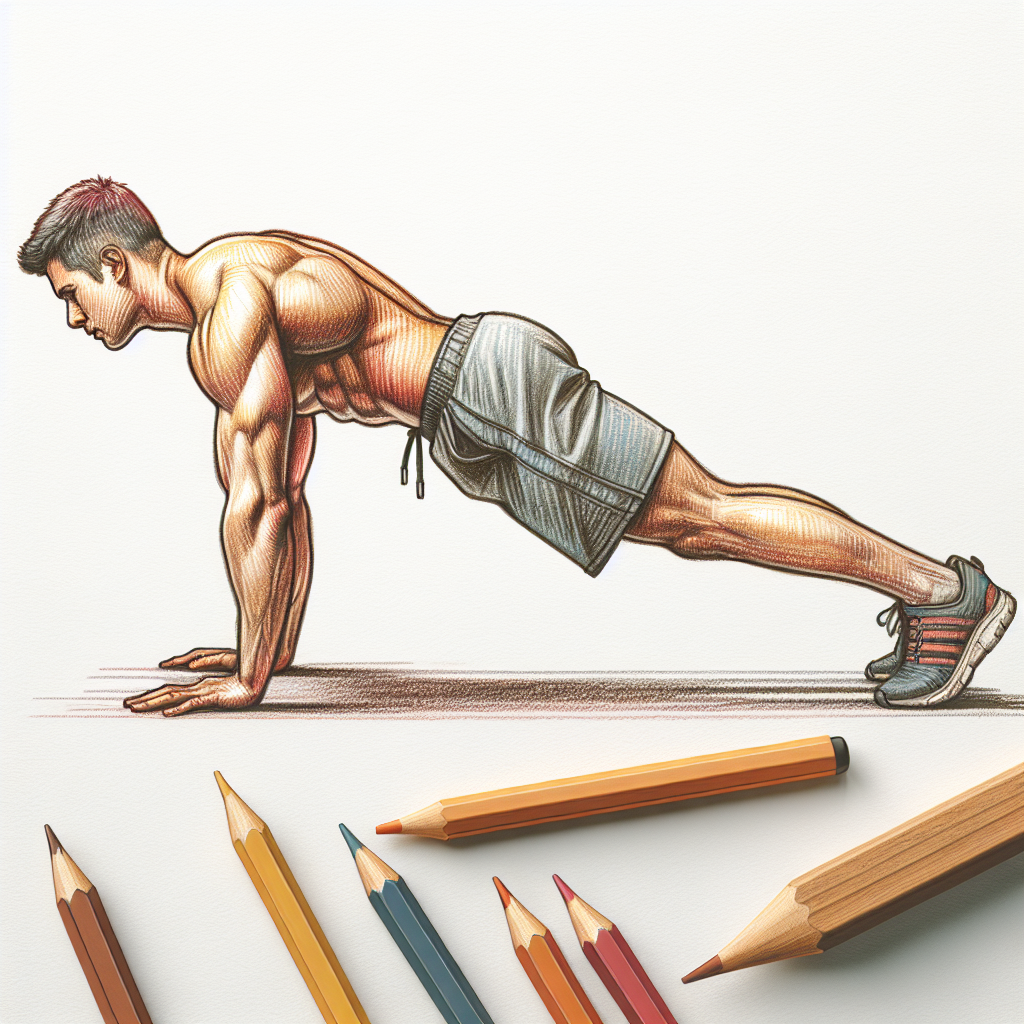
- Push-Ups: Targets the chest, shoulders, and triceps. Variations include standard, diamond, and wide grip to isolate different muscle groups.
- Squats: Engages the quadriceps, hamstrings, and glutes. Consider variations such as jump squats or single-leg squats for added challenge.
- Pull-Ups: Primarily works the back and biceps. If you don’t have a pull-up bar, inverted rows using a sturdy table can be a suitable alternative.
- Plank: Great for core strength, stability, and overall body conditioning. Variations include side planks and plank jacks.
- Lunges: Targets leg muscles and improves balance. Try forward, backward, or lateral lunges for a more comprehensive workout.
Creating a Routine
To achieve optimal results, structuring your exercises into a routine is essential. Consider a weekly plan that encompasses all major muscle groups.
- Exercise 4-5 times a week to allow for muscle recovery and growth.
- Incorporate a mix of the exercises listed above, aiming for 3 sets of 8-12 repetitions for each exercise.
- Gradually increase the intensity by adding more repetitions or trying advanced variations.
- Maintain a consistent schedule, setting aside a specific time each day for your workout.
For an effortless way to integrate exercise into your daily life, consider a 30-day program that consists of only six minutes of exercise each day, yet yields results similar to a traditional gym workout. You can register for this free program here: 30-Day Exercise Program.
When to Consult a Professional
While bodyweight exercises are generally safe, consulting a professional is advisable in the following situations:
- If experiencing persistent pain or discomfort during exercises.
- When recovering from an injury and unsure of which exercises are safe.
- If you have underlying medical conditions that may affect physical activity.
Common Myths and Misconceptions
Several myths surrounding bodyweight exercises can deter individuals from pursuing this effective training method. Here are some clarifications:
- Myth 1: You can’t build significant muscle without weights. Fact: Many athletes achieve impressive physiques using only bodyweight. The key lies in intensity and progression.
- Myth 2: Bodyweight exercises are only for beginners. Fact: Advanced variations can challenge even seasoned athletes.
- Myth 3: Bodyweight workouts lack variety. Fact: Numerous exercises and variations exist, ensuring a diverse and engaging workout.
Frequently Asked Questions
Can I build muscle effectively with just bodyweight exercises?
Yes, bodyweight exercises can build muscle effectively when performed with proper intensity and progression.
How often should I do bodyweight exercises to see results?
For optimal results, aim to exercise 4-5 times per week, focusing on different muscle groups each session.
Are bodyweight exercises suitable for all fitness levels?
Yes, bodyweight exercises can be modified to suit different fitness levels, making them accessible to all individuals.
Can I lose weight with bodyweight training?
Bodyweight training can contribute to weight loss when combined with a balanced diet, as it enhances overall fitness and muscle definition.
How do I prevent injury while exercising without equipment?
Warming up, paying attention to form, and listening to your body are key to preventing injuries when performing bodyweight exercises.
What if I don’t see immediate results?
Muscle growth takes time and consistency. Stay committed to your routine, and results will follow.
Conclusion
- Bodyweight exercises are a practical and effective alternative to traditional weight training.
- A diverse set of exercises can target multiple muscle groups for comprehensive strength building.
- A well-structured routine is crucial for maximizing results.
- Consult professionals if you experience pain or have health concerns.
- Common myths should not deter you from embracing bodyweight training.
Begin your bodyweight training journey today and discover the benefits of exercising without equipment. For a structured yet simple approach, explore our free 30-day exercise program, which allows you to achieve a gym-like experience in just six minutes a day! Click here to register.
Author: John Angel