Exercises to Do Without Weights
In today’s fast-paced world, maintaining physical fitness can be a challenge, especially when gym access is limited. Fortunately, numerous effective exercises require no weights at all, allowing individuals to stay fit and healthy from the comfort of their homes or while traveling. This article delves into a variety of no-weight exercises that not only enhance strength and endurance but also promote flexibility and balance. By integrating these movements into your routine, you can achieve remarkable results in a short period, paving the way for a sustainable fitness journey.
- Understanding Bodyweight Exercises
- Benefits of No-Weight Workouts
- Effective Bodyweight Exercises
- Creating a 6-Minute Daily Routine
- When to Consult a Professional
- Debunking Common Myths
- Frequently Asked Questions
- Conclusion
Understanding Bodyweight Exercises
Bodyweight exercises utilize the individual’s own weight as resistance. This approach can be both practical and effective for building muscle, improving cardiovascular fitness, and enhancing overall health. Unlike traditional weight training, such exercises can be performed anywhere and are suitable for individuals of all fitness levels. Common examples include push-ups, squats, and lunges—all of which engage multiple muscle groups.
Benefits of No-Weight Workouts
Performing exercises without weights comes with numerous advantages:
- Accessibility: No special equipment is required, making workouts convenient and flexible.
- Versatility: Bodyweight exercises can be modified to suit various fitness levels.
- Engagement: Such exercises often engage multiple muscle groups, maximizing efficiency.
- Cost-Effectiveness: Eliminating the need for gym memberships or weights makes fitness accessible to everyone.
- Enhanced Functional Fitness: Improves strength and mobility, aiding in everyday activities.
Effective Bodyweight Exercises
Here is a compilation of effective bodyweight exercises that you can include in your routine:
- Push-Ups: Targets chest, shoulders, and triceps. Maintain a flat back, and lower your body until your chest nearly touches the floor.
- Squats: Strengthens the legs and glutes. Stand with feet shoulder-width apart, lower your body as if sitting back in a chair, then return to standing.
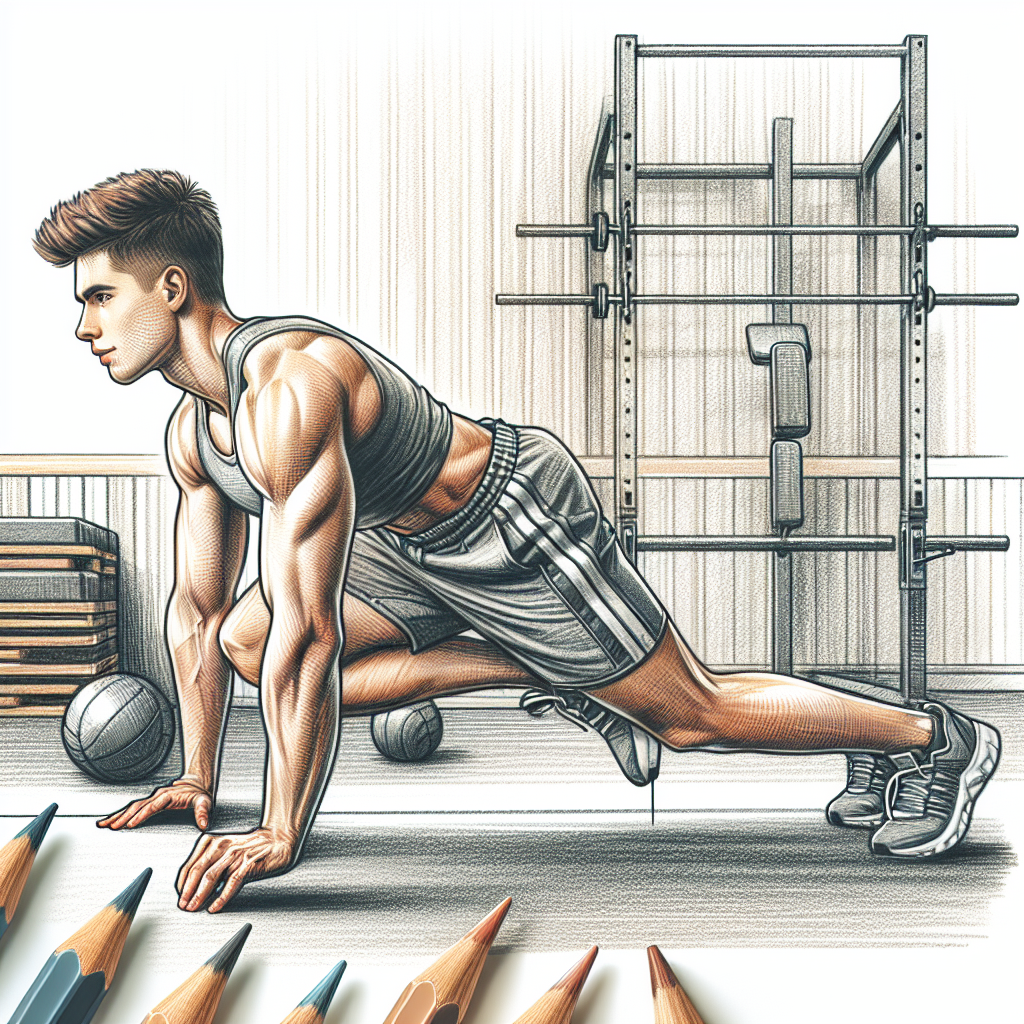
- Lunges: Works the legs and core. Step forward with one leg, lower your hips until both knees are bent at about a 90-degree angle.
- Plank: Engages the core. Maintain a straight line from head to heels while resting on your forearms and toes.
- Bicycle Crunches: Focuses on the abdominal muscles. Lie on your back, lift your legs, and alternate touching opposite elbows to knees.
Creating a 6-Minute Daily Routine
Incorporating short bursts of exercise into your day can yield significant results over time. Here is a simple, effective 6-minute routine:
- Warm-Up (1 minute): Jog in place or perform dynamic stretches.
- Push-Ups (1 minute): Aim for as many repetitions as possible.
- Bodyweight Squats (1 minute): Focus on form to maximize efficacy.
- Plank (1 minute): Maintain for as long as possible, working up to the full minute.
- Lunges (1 minute): Alternate legs, ensuring proper technique.
- Cool Down (1 minute): Stretch major muscle groups to enhance recovery.
For a structured approach, consider registering for a free 30-day exercise program where you can complete workouts in just six minutes daily, achieving results comparable to traditional gym workouts.
When to Consult a Professional
While bodyweight exercises can be performed with minimal risk, it is crucial to consult a qualified health or fitness professional under certain circumstances:
- Persistent pain or discomfort during exercises
- Pre-existing medical conditions that may be exacerbated by physical activity
- Recent injuries affecting mobility or strength
- Inability to maintain proper form, leading to potential injuries
Debunking Common Myths
Several misconceptions surround bodyweight exercises. Here are a few examples:
- Myth 1: Bodyweight exercises are not effective for building strength.
- Myth 2: You must lift weights to see significant muscle gains.
- Myth 3: Cardio is the only way to lose weight effectively.
- Myth 4: Bodyweight training is only for beginners.
Frequently Asked Questions
Can I build muscle with bodyweight exercises?
Yes, bodyweight exercises can effectively build muscle, especially when variations are introduced to increase intensity.
How often should I perform no-weight workouts?
Aim for at least three to five times a week for optimal results, varying your routine to target different muscle groups.
Are no-weight workouts suitable for beginners?
Absolutely! Bodyweight exercises are versatile and can be easily modified to fit any fitness level.
What is the best bodyweight exercise for weight loss?
Combining high-intensity bodyweight workouts, such as circuit training, is effective for weight loss.
Do I need to stretch before bodyweight workouts?
Warming up is important to prepare your muscles and reduce the risk of injury, so a brief warm-up is recommended.
Can bodyweight training improve flexibility?
Yes, many bodyweight exercises inherently promote flexibility through larger ranges of motion and dynamic movement.
Conclusion
- Bodyweight exercises offer a flexible and accessible fitness solution.
- Numerous effective exercises can engage various muscle groups.
- A simple 6-minute routine can yield significant results over time.
- It’s essential to consult a professional in specific circumstances.
- Debunking myths around bodyweight workouts can enhance understanding and motivation.
Embarking on a fitness journey without weights is not only feasible but also enjoyable. Start incorporating these exercises into your routine and consider signing up for the 30-day exercise program to elevate your results. Remember, consistency is key to achieving your fitness goals!
Author: John Angel