Fitness Without Equipment: Achieving Results Anywhere
In a fast-paced world where gym memberships can often feel like a luxury, the ability to achieve fitness without equipment becomes not only a necessity but a viable option for many individuals. This approach allows for greater flexibility in workout routines and empowers individuals to harness their body weight for strength training, mobility, and cardiovascular fitness. The benefit is clear: you can design effective workouts that align with your lifestyle without the constraints of traditional gym environments.
- Understanding Bodyweight Exercises
- The Benefits of No-Equipment Workouts
- Simple Routines to Get Started
- Common Misconceptions About Bodyweight Training
- When to Consult a Professional
- FAQs
- Conclusion and Call to Action
Understanding Bodyweight Exercises
Bodyweight exercises, as the term suggests, utilize your own body weight as resistance. This encompasses a wide range of movements, from push-ups to squats, planks, and lunges. These exercises engage multiple muscle groups, improving strength, flexibility, and endurance.
One of the primary advantages of bodyweight training is its accessibility; you can perform these exercises in your living room, a park, or during travel. No specific skills or prior experience are necessary to begin, making it an excellent choice for individuals of all fitness levels.
The Benefits of No-Equipment Workouts
Engaging in workouts without equipment offers a multitude of benefits:
- Cost-Effective: You save money on gym memberships and equipment.
- Flexibility: You can exercise anytime and anywhere, accommodating various schedules.
- Improved Functional Fitness: These workouts enhance real-life movements and daily activities.
- Enhanced Body Awareness: Using your body weight improves your understanding of balance, posture, and coordination.
- Community Support: Many online platforms and communities offer free resources and challenges, enhancing social connectivity.
Additionally, a free resource to enhance your routine is a 30-day exercise program that requires only 6 minutes of your time each day. This program delivers exceptional results, comparable to a traditional gym regimen. You can access the program here: Join the 30-Day Challenge Now!
Simple Routines to Get Started
Starting with bodyweight exercises may seem challenging at first, but a simple routine can yield impressive results. Here is a basic five-day a week bodyweight workout plan:
- Day 1: Upper Body
- Push-ups (3 sets of 10-15 reps)
- Dips (3 sets of 10-15 reps using a chair)
- Inverted Row (3 sets of 8-10 reps using a sturdy table)
- Day 2: Lower Body
- Squats (3 sets of 15-20 reps)
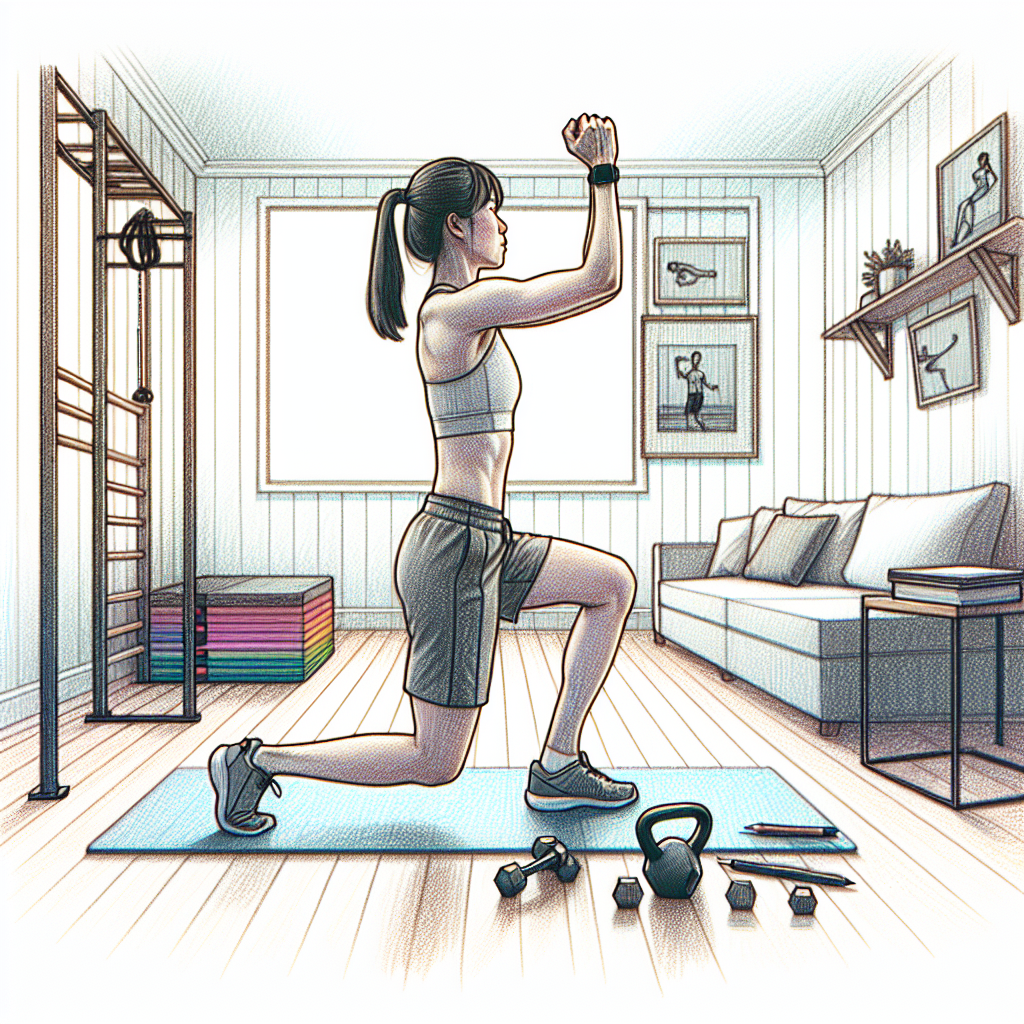
- Lunges (3 sets of 10-12 reps per leg)
- Calf Raises (3 sets of 15-20 reps)
- Day 3: Core
- Plank (3 sets, hold for 30-60 seconds)
- Russian Twists (3 sets of 15-20 reps)
- Bicycle Crunches (3 sets of 15-20 reps)
- Day 4: Full Body
- Burpees (3 sets of 10-15 reps)
- Mountain Climbers (3 sets for 30 seconds)
- Jump Squats (3 sets of 10-15 reps)
- Day 5: Active Recovery
- Light stretching or yoga to improve flexibility and relaxation.
When to Consult a Professional
While bodyweight training boasts numerous advantages, certain signs may indicate that consulting a fitness professional is necessary:
- You experience persistent pain during or after exercise.
- You have specific health conditions or concerns impacting your ability to exercise.
- You’re unsure about your form during exercises, which could lead to injury.
- You require personalized programs to meet unique fitness goals.
A qualified professional can provide guidance and develop a tailored fitness plan that promotes safety and effectiveness.
Common Misconceptions About Bodyweight Training
Several misconceptions can deter individuals from pursuing bodyweight exercises:
- Bodyweight Exercises Are Only for Beginners: In reality, bodyweight exercises can be adjusted for all fitness levels. Advanced variations can significantly increase the challenge.
- Bodyweight Training Doesn’t Build Muscle: While resistance training often emphasizes weights, bodyweight exercises can effectively develop muscle strength and endurance.
- Injuries Are More Likely with Bodyweight Training: The risk of injury can occur with any exercise type. Proper form and listening to your body are key to preventing injuries.
- You Can’t Achieve Significant Results: Many athletes successfully compete at high levels using only bodyweight training.
FAQs
Can I lose weight with bodyweight exercises?
Yes, bodyweight exercises can be an effective part of a weight loss strategy when combined with a healthy diet.
How often should I perform bodyweight exercises?
It’s advisable to exercise 3 to 5 times per week, allowing sufficient rest for muscle recovery.
Are bodyweight exercises safe for seniors?
Most seniors can perform bodyweight exercises; however, consulting a health professional before starting any program is wise.
What if I can’t do a full push-up?
You can modify push-ups by performing them on your knees or against a wall until you build enough strength for the full version.
How do I progress my bodyweight training?
Progress by increasing repetitions, varying the exercises, or reducing rest time between sets.
Can beginners start with bodyweight workouts?
Absolutely! Bodyweight exercises are accessible and can be tailored to suit beginners’ fitness levels.
Conclusion
- Bodyweight exercises are affordable and accessible.
- They enhance strength, flexibility, and endurance.
- A structured routine can achieve significant results.
- Consult professionals for personalized advice as needed.
- Dispelling misconceptions is crucial to embracing bodyweight training.
To embark on your fitness journey without the need for equipment, consider incorporating bodyweight exercises into your daily routine. And for a guided approach that demands just 6 minutes a day, don’t forget to check out the free 30-day challenge found here: Join the 30-Day Challenge Now!
Author: John Angel