Categories
Fitness

Effective Weekly Workout Plan Without Equipment

Weekly Workout Plan Without Equipment

Embarking on a fitness journey can often seem daunting, particularly when gym memberships and specialized equipment come into the picture. However, you can effectively maintain and improve your physical health without any equipment. This article outlines a comprehensive weekly workout plan that you can follow without needing to leave your home. Furthermore, following a routine that incorporates bodyweight exercises can yield fantastic results, enabling you to achieve your fitness goals efficiently. For those seeking even more commitment, consider a free 30-day exercise program that requires just 6 minutes of your time each day yet offers results comparable to a gym workout. You can register for this program here: Free 30-Day Exercise Program.

  • Understanding Bodyweight Exercises
  • Weekly Workout Overview
  • Structured Daily Routine
  • When to Consult a Professional
  • Common Myths and Mistakes
  • FAQs

Understanding Bodyweight Exercises

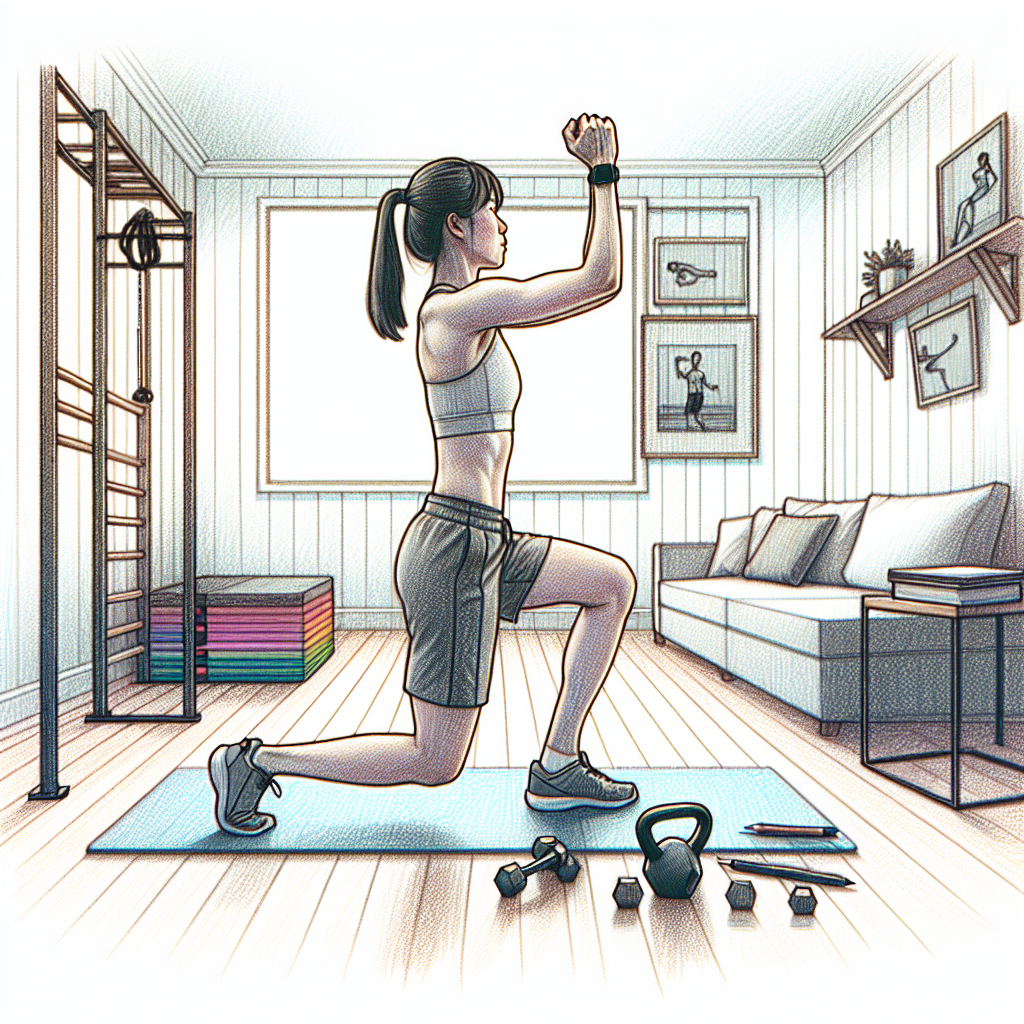
Bodyweight exercises utilize your own weight as resistance, allowing you to engage multiple muscle groups. These exercises can increase strength, endurance, flexibility, and overall body composition. Some popular bodyweight movements include squats, push-ups, and lunges, which not only promote muscle growth but also enhance cardiovascular health. Moreover, they can be performed virtually anywhere, making them an excellent alternative to traditional weightlifting.

Weekly Workout Overview

Your weekly workout plan aims to target different muscle groups each day while allowing for adequate rest and recovery. The plan is designed to be balanced yet flexible, accommodating various fitness levels.

Monday: Lower Body Strength

  • Bodyweight Squats
  • Lunges
  • Glute Bridges

Tuesday: Upper Body Strength

  • Push-Ups
  • Plank Shoulder Taps
  • Dips (using a chair)

Wednesday: Core Focus

  • Plank Variations
  • Russian Twists
  • Leg Raises

Thursday: Full Body Workout

  • Burpees
  • Mountain Climbers
  • Jumping Jacks

Friday: Active Recovery

Engage in light activities such as walking, yoga, or stretching exercises to promote recovery.

Saturday: Cardio and Agility

  • High Knees
  • Skaters
  • Shadow Boxing

Sunday: Rest Day

This day is crucial for muscle recovery, allowing time for your body to rejuvenate.

Structured Daily Routine

Below is a suggested structure for your daily workout sessions. Feel free to adjust based on your schedule and preferences.

  1. Warm-Up (5 minutes): Perform light cardio, such as jogging in place or dynamic stretches.
  2. Main Workout (15-30 minutes): Follow the specified exercises for the day.
  3. Cool Down (5 minutes): Engage in static stretching to enhance flexibility.

When to Consult a Professional

While exercise offers numerous benefits, there are instances where consulting a professional becomes essential. If you experience:

  • Constant pain or discomfort during exercises
  • Dizziness or shortness of breath
  • Injuries that do not improve with rest

It is advisable to seek guidance from a qualified health professional or a certified fitness trainer. They can assess your condition accurately and offer tailored advice suitable to your individual needs.

Common Myths and Mistakes

As you embark on your fitness journey, it is essential to be aware of common misconceptions that may hinder your progress:

  • Myth: You need a gym to get fit.
    Reality: Bodyweight exercises can be highly effective if done correctly.
  • Mistake: Overtraining without adequate rest.
    Importance: Recovery is crucial for muscle growth.
  • Myth: More exercises equal better results.
    Reality: Quality matters more than quantity.

FAQs

Can I build muscle without weights?

Yes, bodyweight exercises can effectively promote muscle growth provided that you challenge yourself with progressive variations.

How often should I perform these workouts?

A weekly routine of 5-6 days with varying focuses can help build strength and endurance.

Are there any safety concerns with bodyweight exercises?

As with any exercise program, it is vital to maintain proper form to prevent injury.

Can beginners follow this workout plan?

Absolutely! The plan can be tailored to accommodate various fitness levels by adjusting repetitions and rest periods.

How long will it take to see results?

With consistency, users often notice improvements in strength and endurance within a few weeks.

Is cardio important in a bodyweight workout?

Incorporating cardio boosts cardiovascular health and enhances overall fitness, making it a valuable addition to your routine.

Conclusion

  • Bodyweight exercises offer an effective means to achieve fitness without equipment.
  • A well-structured weekly plan can optimize your workout efficiency.
  • Rest and recovery are key components to any fitness regimen.
  • Stay informed about common myths to enhance your exercise knowledge.
  • Consult professionals if you experience persistent issues or need personalized advice.

Start your fitness journey today, and remember that consistency is the key to success. For further guidance and structured training, consider signing up for the free 30-day exercise program that only requires 6 minutes of your day to provide results similar to a gym routine: Free 30-Day Exercise Program.

Author: John Angel

Related articles

Categories
Fitness

Effective Home Fitness Without Equipment: A Comprehensive Guide

In today’s fast-paced world, maintaining fitness often seems like a daunting task, especially for those with busy schedules or limited access to gym facilities. However, the ability to achieve effective home workouts without any equipment is not only feasible but also incredibly rewarding. This article explores effective strategies and routines to optimize home fitness without the necessity of gym equipment, helping you to establish and maintain a healthy lifestyle.

  • Understanding Home Fitness
  • Benefits of No-Equipment Workouts
  • Effective Home Workout Routines
  • Common Mistakes to Avoid
  • When to Seek Professional Guidance
  • FAQ
  • Conclusion

Understanding Home Fitness

Home fitness is defined as exercising in the comfort of your own home, utilizing your body weight and a variety of movements to enhance strength, flexibility, and cardiovascular endurance. With the right dedication and knowledge, home workouts can be as effective as traditional gym sessions.

Benefits of No-Equipment Workouts

No-equipment workouts offer various advantages, including:

  • Accessibility: You can work out anytime and anywhere without the need for gym memberships or travel time.
  • Cost-Effectiveness: Elimination of gym fees allows you to invest in other wellness resources, such as healthy foods or fitness apps.
  • Customization: You can tailor workouts to fit into your schedule and personal preference, leading to greater consistency and enjoyment.
  • Versatility: A wide range of exercises are available, ensuring that you can target multiple muscle groups and prevent monotony.

Effective Home Workout Routines

Here is a simple, effective routine that requires only about six minutes of your day:

  1. Warm-Up (1 minute): Jog in place or perform dynamic stretches to increase heart rate and prepare your muscles.
  2. Squats (1 minute): Stand with feet shoulder-width apart and lower down as if sitting back into a chair. Aim for at least 15–20 reps.
  3. Push-Ups (1 minute): Perform as many push-ups as you can. Modify by knee support if needed.
  4. Planks (1 minute): Hold a plank position on your forearms and toes, engaging your core for stability.
  5. Lunges (1 minute): Alternate lunging forward with each leg. Aim for 10–15 reps per leg.
  6. Cool Down (1 minute): Stretch major muscle groups to promote flexibility and recovery.

For a guided, innovative 30-day exercise program that only takes 6 minutes daily but provides results similar to gym workouts, consider registering for a free program at Revolucni Viceni.

Common Mistakes to Avoid

Even with no equipment, several common errors can hinder your success:

  • Inconsistent Routine: Failing to establish a regular workout routine can impede long-term results.
  • Neglecting Form: Proper form is crucial regardless of the workout’s nature; incorrect form can lead to injury and ineffective workouts.
  • Overtraining: Too much exercise without rest can result in fatigue and decreased performance.
  • Ineffective Warm-Up and Cool Down: A proper warm-up prepares the body, while a cooldown aids in recovery; neglecting these can lead to soreness or injury.

When to Seek Professional Guidance

While home workouts can be beneficial, certain situations necessitate consulting a fitness professional:

  • If you experience persistent pain or discomfort during exercises.
  • When you are unsure about the appropriate form or technique for specific movements.
  • If you have underlying health conditions or concerns that could be affected by physical activity.
  • When striving for specific goals (e.g., weight loss, muscle gain) and need tailored advice.

FAQ

Can I build muscle without weights?

Yes, bodyweight exercises can effectively stimulate muscle growth when performed consistently and with progressive overload.

How often should I work out at home?

Aim for at least three to five times a week, allowing for rest days to facilitate recovery.

Is it possible to lose weight without equipment?

Yes, combining bodyweight exercises with a balanced diet can yield effective weight loss results.

Do I need a lot of space to work out at home?

No, many bodyweight exercises can be performed in small areas, such as your living room or bedroom.

How can I stay motivated when working out at home?

Set specific goals, track your progress, and consider routines that incorporate variety to keep your workouts engaging.

Is a warm-up really necessary?

A warm-up is vital to prepare your body for exercise, reducing the risk of injury and improving performance.

Conclusion

  • Home fitness is a practical and effective way to achieve health benefits without equipment.
  • No-equipment workouts offer accessibility and cost-effectiveness.
  • Consistent, structured routines can lead to excellent fitness results.
  • Being mindful of common pitfalls can enhance your home workout experience.
  • Consulting professionals is wise when experiencing pain or if specialized advice is needed.

Embrace the opportunity to invest in your health from the comfort of your own home. Start your journey today, whether by utilizing provided workout routines or exploring the 30-day exercise program linked above for a guided approach!

Author: John Angel

Related articles

Categories
Fitness

Achieve Fitness Anywhere with Bodyweight Exercises

Fitness Without Equipment: Achieving Results Anywhere

In a fast-paced world where gym memberships can often feel like a luxury, the ability to achieve fitness without equipment becomes not only a necessity but a viable option for many individuals. This approach allows for greater flexibility in workout routines and empowers individuals to harness their body weight for strength training, mobility, and cardiovascular fitness. The benefit is clear: you can design effective workouts that align with your lifestyle without the constraints of traditional gym environments.

  • Understanding Bodyweight Exercises
  • The Benefits of No-Equipment Workouts
  • Simple Routines to Get Started
  • Common Misconceptions About Bodyweight Training
  • When to Consult a Professional
  • FAQs
  • Conclusion and Call to Action

Understanding Bodyweight Exercises

Bodyweight exercises, as the term suggests, utilize your own body weight as resistance. This encompasses a wide range of movements, from push-ups to squats, planks, and lunges. These exercises engage multiple muscle groups, improving strength, flexibility, and endurance.

One of the primary advantages of bodyweight training is its accessibility; you can perform these exercises in your living room, a park, or during travel. No specific skills or prior experience are necessary to begin, making it an excellent choice for individuals of all fitness levels.

The Benefits of No-Equipment Workouts

Engaging in workouts without equipment offers a multitude of benefits:

  • Cost-Effective: You save money on gym memberships and equipment.
  • Flexibility: You can exercise anytime and anywhere, accommodating various schedules.
  • Improved Functional Fitness: These workouts enhance real-life movements and daily activities.
  • Enhanced Body Awareness: Using your body weight improves your understanding of balance, posture, and coordination.
  • Community Support: Many online platforms and communities offer free resources and challenges, enhancing social connectivity.

Additionally, a free resource to enhance your routine is a 30-day exercise program that requires only 6 minutes of your time each day. This program delivers exceptional results, comparable to a traditional gym regimen. You can access the program here: Join the 30-Day Challenge Now!

Simple Routines to Get Started

Starting with bodyweight exercises may seem challenging at first, but a simple routine can yield impressive results. Here is a basic five-day a week bodyweight workout plan:

  1. Day 1: Upper Body
    • Push-ups (3 sets of 10-15 reps)
    • Dips (3 sets of 10-15 reps using a chair)
    • Inverted Row (3 sets of 8-10 reps using a sturdy table)
  2. Day 2: Lower Body
    • Squats (3 sets of 15-20 reps)
    • Lunges (3 sets of 10-12 reps per leg)
    • Calf Raises (3 sets of 15-20 reps)
  3. Day 3: Core
    • Plank (3 sets, hold for 30-60 seconds)
    • Russian Twists (3 sets of 15-20 reps)
    • Bicycle Crunches (3 sets of 15-20 reps)
  4. Day 4: Full Body
    • Burpees (3 sets of 10-15 reps)
    • Mountain Climbers (3 sets for 30 seconds)
    • Jump Squats (3 sets of 10-15 reps)
  5. Day 5: Active Recovery
    • Light stretching or yoga to improve flexibility and relaxation.

When to Consult a Professional

While bodyweight training boasts numerous advantages, certain signs may indicate that consulting a fitness professional is necessary:

  • You experience persistent pain during or after exercise.
  • You have specific health conditions or concerns impacting your ability to exercise.
  • You’re unsure about your form during exercises, which could lead to injury.
  • You require personalized programs to meet unique fitness goals.

A qualified professional can provide guidance and develop a tailored fitness plan that promotes safety and effectiveness.

Common Misconceptions About Bodyweight Training

Several misconceptions can deter individuals from pursuing bodyweight exercises:

  • Bodyweight Exercises Are Only for Beginners: In reality, bodyweight exercises can be adjusted for all fitness levels. Advanced variations can significantly increase the challenge.
  • Bodyweight Training Doesn’t Build Muscle: While resistance training often emphasizes weights, bodyweight exercises can effectively develop muscle strength and endurance.
  • Injuries Are More Likely with Bodyweight Training: The risk of injury can occur with any exercise type. Proper form and listening to your body are key to preventing injuries.
  • You Can’t Achieve Significant Results: Many athletes successfully compete at high levels using only bodyweight training.

FAQs

Can I lose weight with bodyweight exercises?

Yes, bodyweight exercises can be an effective part of a weight loss strategy when combined with a healthy diet.

How often should I perform bodyweight exercises?

It’s advisable to exercise 3 to 5 times per week, allowing sufficient rest for muscle recovery.

Are bodyweight exercises safe for seniors?

Most seniors can perform bodyweight exercises; however, consulting a health professional before starting any program is wise.

What if I can’t do a full push-up?

You can modify push-ups by performing them on your knees or against a wall until you build enough strength for the full version.

How do I progress my bodyweight training?

Progress by increasing repetitions, varying the exercises, or reducing rest time between sets.

Can beginners start with bodyweight workouts?

Absolutely! Bodyweight exercises are accessible and can be tailored to suit beginners’ fitness levels.

Conclusion

  • Bodyweight exercises are affordable and accessible.
  • They enhance strength, flexibility, and endurance.
  • A structured routine can achieve significant results.
  • Consult professionals for personalized advice as needed.
  • Dispelling misconceptions is crucial to embracing bodyweight training.

To embark on your fitness journey without the need for equipment, consider incorporating bodyweight exercises into your daily routine. And for a guided approach that demands just 6 minutes a day, don’t forget to check out the free 30-day challenge found here: Join the 30-Day Challenge Now!

Author: John Angel

Related articles

Categories
Fitness

Effective Short Workouts for Weight Loss Success

Embarking on a weight loss journey can often feel overwhelming, yet small, consistent efforts can lead to significant results. Short workouts, particularly those lasting as little as six minutes, have emerged as a magic solution for individuals seeking to integrate fitness into their daily lives without feeling burdened. This article will explore the benefits of these concise workouts, how they can seamlessly fit into your day, and strategies to optimize your weight loss journey.

  • Understanding the Efficacy of Short Workouts
  • Benefits of Short Workouts in Daily Life
  • Practical Steps to Implement Short Workouts
  • When to Seek Professional Guidance
  • Common Misconceptions About Short Workouts
  • FAQs About Weight Loss Journeys

Understanding the Efficacy of Short Workouts

Research and anecdotal evidence suggest that short, intense workouts can be remarkably effective for weight loss. These exercises stimulate metabolic processes, promote fat loss, and improve cardiovascular health, all while saving time. The accessibility of six-minute workouts makes them an appealing option for busy individuals or those starting their fitness journey.

Benefits of Short Workouts in Daily Life

Integrating short workouts into a daily routine can yield numerous advantages:

  • Time Efficiency: With only six minutes required, fitting in a workout becomes less daunting.
  • Flexibility: These workouts can be performed anywhere—at home, in the office, or even outdoors—eliminating barriers to exercise.
  • Enhanced Energy: Engaging in physical activity, even briefly, can invigorate your day and improve mood.
  • Reduces Sedentary Behavior: Short bouts of activity can help break up long periods of sitting, which is crucial for overall health.
  • Accessibility: Perfect for beginners, short workouts can be easily tailored to individual fitness levels.

Practical Steps to Implement Short Workouts

To effectively incorporate six-minute short workouts into your weight loss journey, consider the following steps:

  1. Choose a Workout: Identify routines that align with your interests. There are various options, from high-intensity interval training (HIIT) to strength training.
  2. Set a Schedule: Pinpoint specific times during your day when you can commit to these workouts. Consistency is key.
  3. Stay Accountable: Engage friends or family in your journey or join a community, such as the SixPack workout program, to enhance motivation.
  4. Track Progress: Use a journal or app to monitor your workouts and progress over time. This can help in maintaining motivation.
  5. Celebrate Small Wins: Acknowledge your achievements, no matter how minor. Celebrations can boost morale and encourage further commitment.

When to Seek Professional Guidance

While short workouts are beneficial, it is crucial to recognize when to reach out to a healthcare professional or certified trainer. Consider consulting a professional if:

  • You experience persistent pain or discomfort during workouts.
  • You have underlying health conditions or concerns that could be affected by exercise.
  • You are unsure about proper form or technique.
  • You have specific fitness goals that require tailored advice.

Common Misconceptions About Short Workouts

Despite their growing popularity, several myths persist regarding the effectiveness of short workouts:

  • Myth: Short Workouts Aren’t Effective: Many believe that longer workouts are necessary for weight loss. In reality, intensity can yield results regardless of duration.
  • Myth: Six-Minute Workouts Are Just a Fad: Numerous studies support short, intense workouts’ effectiveness in improving fitness and promoting weight loss.
  • Myth: Short Workouts Don’t Build Strength: Short, structured workouts can still stimulate muscle growth and strength when focused on specific exercises.

FAQs About Weight Loss Journeys

What types of exercises are included in a six-minute workout?

Six-minute workouts can include various exercises such as jumping jacks, strength training, sprinting, or core exercises, often varying in style and intensity.

How often should I engage in short workouts?

For optimal results, aim to incorporate these workouts into your routine at least three to five times per week.

Are six-minute workouts suitable for beginners?

Yes, beginners can benefit greatly from six-minute workouts as they can be easily adapted to accommodate different fitness levels.

Can short workouts contribute to long-term weight loss?

Yes, consistent short workouts can promote fat loss and enhance overall physical fitness, forming part of a balanced weight loss strategy.

Do I need special equipment for short workouts?

While some programs may utilize equipment like dumbbells or resistance bands, many short workouts can be executed using body weight alone.

Should I warm up before a six-minute workout?

It is advisable to perform a brief warm-up to prepare the body for exercise and reduce the risk of injury.

Conclusion

  • Short workouts of six minutes can effectively promote weight loss.
  • These workouts can be tailored to fit your schedule and fitness level.
  • Incorporating exercise into your daily routine can enhance overall health and energy levels.
  • Seeking guidance from professionals can provide personalized support in your weight loss journey.
  • Combating misconceptions is essential to embracing shorter workouts as a legitimate path to fitness.

To begin your transformation and experience the magic of short workouts, consider registering for the SixPack workout program—a fantastic opportunity to kickstart your fitness journey.

Author: John Angel

Related articles

Categories
Fitness

30-Day Structured Weight Loss Exercise Plan

Embarking on a weight loss journey is a profound commitment to personal transformation, and incorporating a structured exercise plan can significantly enhance your progress. A 30-day weight loss exercise program not only helps shed pounds but also boosts your overall health and wellbeing. This article will provide you with a comprehensive exercise plan, emphasizing the effectiveness of short, six-minute workouts that you can effortlessly fit into your daily routine.

  • Understanding the Six-Minute Short Workouts
  • A Comprehensive 30-Day Exercise Plan
  • Benefits of Consistency and Commitment
  • When to Seek Professional Advice
  • Myths and Mistakes in Weight Loss Efforts
  • FAQ: Answers to Common Questions

Understanding the Six-Minute Short Workouts

The allure of six-minute workouts lies in their brevity and intensity. These short but effective sessions foster a high level of engagement and can be executed anywhere—be it in your living room, at the office, or even in a hotel room during travel. Unlike traditional workouts that may demand significant time investment, these quick sessions may offer an excellent alternative for those with a hectic lifestyle.

By concentrating on high-intensity movements, you can elevate your heart rate and ignite fat-burning processes in a fraction of the time. This method fosters a feeling of accomplishment and motivates you to maintain consistency, which is paramount in any weight loss journey.

A Comprehensive 30-Day Exercise Plan

Below is a structured exercise regimen carefully crafted to guide you on your weight loss journey over four weeks. This plan incorporates six-minute workouts focused on varying workout intensities and target muscle groups.

Week 1: Building a Foundation

  • Day 1: Cardio Blast – Jumping jacks, high knees, butt kicks
  • Day 2: Core Strength – Planks, Russian twists
  • Day 3: Lower Body Focus – Squats, lunges
  • Day 4: Upper Body Engagement – Push-ups, tricep dips
  • Day 5: Full Body Circuit
  • Day 6: Active Recovery – Light walking or stretching
  • Day 7: Rest

Week 2: Increased Intensity

  • Day 8: Cardio Interval – Squat jumps, mountain climbers
  • Day 9: Core & Flexibility – Pilates-style movements
  • Day 10: Plyometric Workouts – Burpees, box jumps
  • Day 11: Arm Toning – Arm circles, wall push-ups
  • Day 12: Strength Endurance – Bodyweight exercises
  • Day 13: Active Recovery
  • Day 14: Rest

Weeks 3 and 4: Mastery and Variety

  • Combine movements from previous weeks.
  • Introduce new exercises based on comfort level.
  • Incorporate a day dedicated to yoga or meditation.
  • Explore outdoor settings for an invigorating experience.

For an effective 30-day journey, we recommend incorporating a daily commitment to these six-minute workouts at home. You can sign up for the SixPack workout program for 30 days free here.

Benefits of Consistency and Commitment

Regular short workouts not only foster physical fitness but also cultivate mental resilience. Here are several benefits of adhering to this structured plan:

  • Enhanced metabolism, leading to increased calorie burn.
  • Improved cardiovascular health.
  • Significant boosts in mood and mental clarity.
  • Increased flexibility and muscle tone.
  • A sense of achievement, further propelling your weight loss journey.

When to Consult a Professional

While embarking on a weight loss journey, certain signs may indicate the need for professional guidance. Seek consultation if you experience:

  • Unexplained fatigue or excessive soreness.
  • Pre-existing health conditions that may affect exercise.
  • Emotional disturbances relating to body image or self-esteem.
  • Any injury that hinders your ability to perform physical activities.

Common Myths and Mistakes in Weight Loss Efforts

Understanding common misconceptions can help you navigate your weight loss journey more successfully. Here are a few to consider:

  • All calories are created equal; caloric quality matters.
  • Weight loss requires heavy lifting; bodyweight exercises can be equally effective.
  • Diet alone can lead to weight loss; exercise enhances results.
  • Quick fixes lead to sustainable results; consistency is key.

FAQ: Answers to Common Questions

What are the best exercises for weight loss?

High-intensity interval training (HIIT), strength training, and cardiovascular workouts are effective for weight loss.

Can I lose weight with short workouts?

Yes, short, intense workouts can effectively burn calories and promote weight loss.

How often should I exercise for weight loss?

Aiming for at least 150 minutes of moderate exercise weekly is generally recommended.

Should I follow a specific diet while exercising?

A balanced diet rich in vegetables, lean proteins, and whole grains complements an exercise regimen.

Can I exercise daily?

Exercise frequency can vary, but including rest days for recovery is essential.

What if I miss a day of workout?

Don’t be discouraged. Resume your routine without punishing yourself; consistency over time is crucial.

Conclusion

  • Embarking on a weight loss journey requires commitment and a structured plan.
  • Six-minute workouts offer a flexible and effective way to stay active.
  • Building consistency will yield long-term benefits for both body and mind.
  • Seek professional guidance when necessary to ensure safety and effectiveness.
  • Stay informed about common myths to navigate your journey wisely.

Begin your transformation today by signing up for a free trial of the SixPack workout program here and take a significant step toward your weight loss journey.

Author: John Angel

Related articles

Website analytics information

We use Google Analytics 4 for visitor statistics. Analytics cookies require your consent, which you can change using the button above. The data controller is ZDRAVÍ S ÚSMĚVEM s.r.o., company ID 29283329, contact podpora@revolucnicviceni.cz. Google processes browser, device and page visit information. We do not send form field values to Analytics. How Google uses information · Google Privacy Policy.