
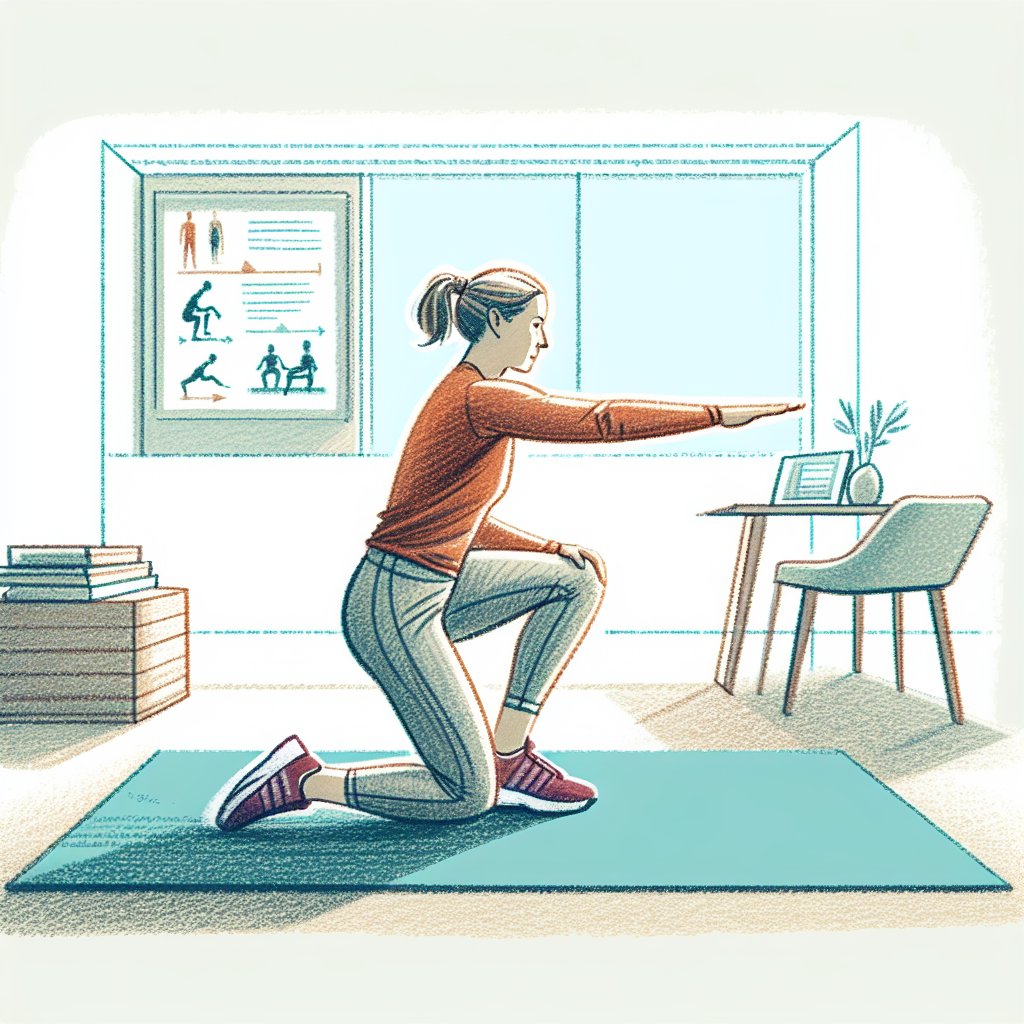
Engaging in a full-body strength workout at home without equipment can be an effective way to enhance your fitness levels, increase muscle strength, and improve overall health. These workouts leverage body weight to build strength in various muscle groups while requiring minimal time and space. Whether you’re a busy professional, a parent, or an individual looking to stay fit during challenging times, this guide offers practical workouts that fit seamlessly into your daily routine.
- Introduction
- Benefits of Body Weight Training
- Essential Warm-Up Techniques
- Full Body Workout Routine
- Common Mistakes to Avoid
- When to Consult a Professional
- FAQs
- Conclusion
Benefits of Body Weight Training
Body weight training is versatile and accessible, offering numerous advantages, including:
- Convenience: Can be performed anywhere without the need for equipment.
- Functional Strength: Builds strength in a natural range of motion, enhancing daily functional activities.
- Injury Prevention: Low-impact movements reduce the risk of injuries compared to traditional weightlifting.
- Time Efficiency: Quick workouts that can fit into even the busiest of schedules.
Essential Warm-Up Techniques
Before engaging in any strength workout, warming up is critical to prepare your body and prevent injuries. Here are some effective warm-up techniques:
- Arm Circles — 1 minute, alternating between small and large circles.
- Leg Swings — 1 minute, swinging each leg forward and backward.
- Torso Twists — 1 minute, standing with your feet shoulder-width apart and rotating your torso side to side.
- Jumping Jacks — 1-2 minutes to elevate the heart rate.
Full Body Workout Routine
The following routine is designed to engage multiple muscle groups effectively. Aim for 2-3 sets of each exercise based on your fitness level:
- Push-Ups: 10-15 repetitions. Targets the chest, shoulders, and triceps.
- Squats: 15-20 repetitions. Engages the thighs and glutes.
- Lunges: 10-15 repetitions each leg. Strengthens legs and improves balance.
- Plank: Hold for 20-30 seconds. Strengthens the core.
- Mountain Climbers: 30 seconds. Increases heart rate while working the entire body.
- Burpees: 5-10 repetitions. A total body workout that boosts cardio and strength.
For those seeking a more structured approach, consider registering for a 30-day exercise program that requires just 6 minutes of exercise daily, yet yields results comparable to traditional gym workouts.
Common Mistakes to Avoid
Even though at-home workouts are straightforward, certain mistakes can hinder your progress:
- Poor Form: Ensure proper technique to avoid injuries and maximize effectiveness.
- Skipping Warm-Up: Neglecting warm-up can lead to strains and sprains.
- Not Progressing: Increase difficulty over time by adding repetitions or decreasing rest periods.
- Overtraining: Balance your workout schedule to allow your body adequate recovery time.
When to Consult a Professional
While home workouts can be beneficial, there are circumstances when it is advisable to seek professional guidance:
- If you experience persistent pain or discomfort during exercises.
- If you have a pre-existing injury or condition that may be aggravated by exercise.
- If you are unsure about proper exercise techniques or routines.
- If you find it challenging to remain motivated or have specific fitness goals.
FAQs
What equipment do I need for a full-body workout at home?
No equipment is necessary; body weight is sufficient for a complete workout.
How often should I perform these workouts?
2-4 times a week is recommended, allowing for rest and recovery between sessions.
Can beginners do these workouts?
Yes, beginners can start with basic modifications and gradually increase intensity.
Are these workouts effective for weight loss?
Yes, when combined with a balanced diet, body weight workouts can contribute to weight loss.
How long should each session last?
Workouts can be completed in as little as 20-30 minutes, including warm-up and cool-down.
What if I have limited space at home?
Body weight exercises require little space; a small area is typically sufficient for most movements.
Conclusion
- Full-body strength workouts at home require no equipment and can be highly effective.
- Proper warm-up is essential to prevent injuries and optimize performance.
- A structured routine ensures balanced engagement of various muscle groups.
- Avoiding common mistakes enhances the efficiency of your workouts.
- Consult a professional when necessary to ensure safety and progress.
Take charge of your health and fitness by incorporating these body weight workouts into your routine. If you’re looking for a dedicate program that guarantees results with minimal time commitment, sign up for a 30-day exercise program today!
Author: John Angel