
Categories
Fitness

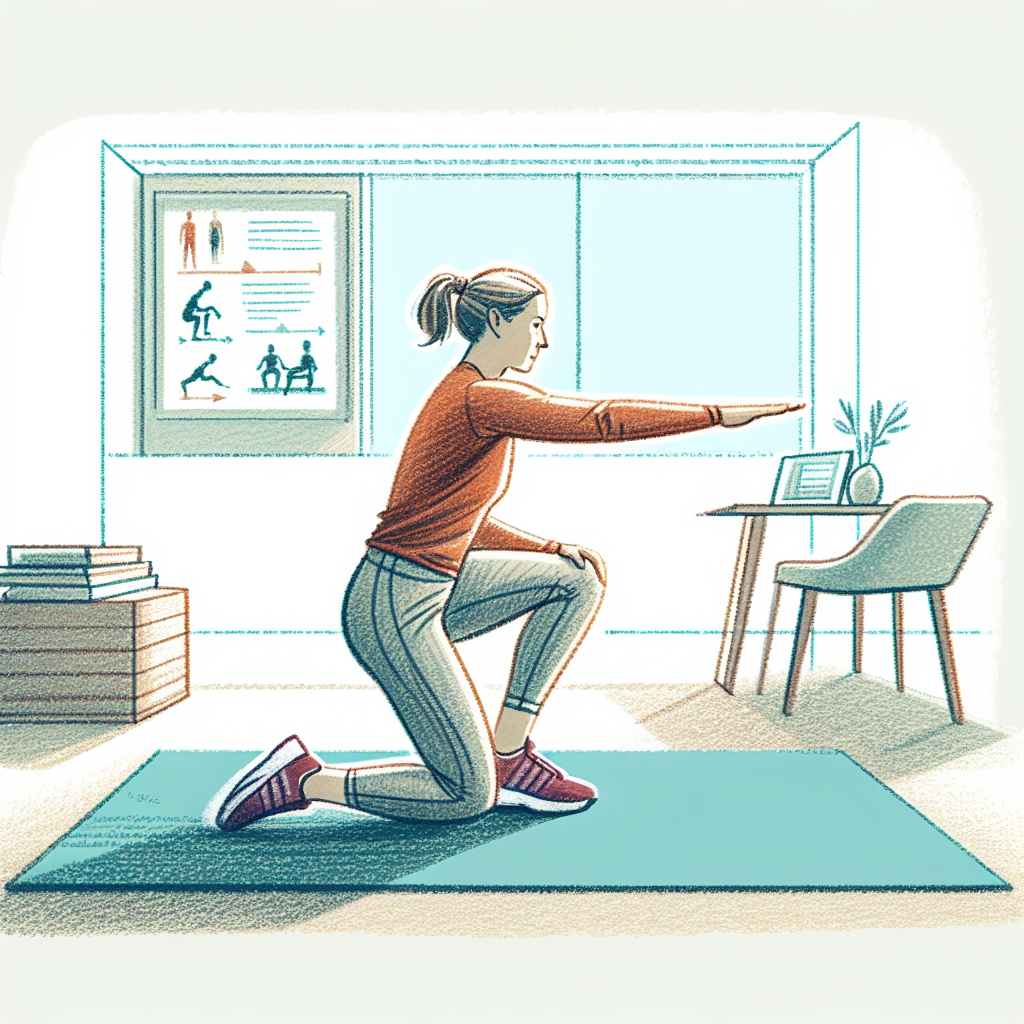
Effective Full Body Strength Workout at Home Without Equipment

Engaging in a full-body strength workout at home without equipment can be an effective way to enhance your fitness levels, increase muscle strength, and improve overall health. These workouts leverage body weight to build strength in various muscle groups while requiring minimal time and space. Whether you’re a busy professional, a parent, or an individual looking to stay fit during challenging times, this guide offers practical workouts that fit seamlessly into your daily routine.

  • Introduction
  • Benefits of Body Weight Training
  • Essential Warm-Up Techniques
  • Full Body Workout Routine
  • Common Mistakes to Avoid
  • When to Consult a Professional
  • FAQs
  • Conclusion

Benefits of Body Weight Training

Body weight training is versatile and accessible, offering numerous advantages, including:

  • Convenience: Can be performed anywhere without the need for equipment.
  • Functional Strength: Builds strength in a natural range of motion, enhancing daily functional activities.
  • Injury Prevention: Low-impact movements reduce the risk of injuries compared to traditional weightlifting.
  • Time Efficiency: Quick workouts that can fit into even the busiest of schedules.

Essential Warm-Up Techniques

Before engaging in any strength workout, warming up is critical to prepare your body and prevent injuries. Here are some effective warm-up techniques:

  1. Arm Circles — 1 minute, alternating between small and large circles.
  2. Leg Swings — 1 minute, swinging each leg forward and backward.
  3. Torso Twists — 1 minute, standing with your feet shoulder-width apart and rotating your torso side to side.
  4. Jumping Jacks — 1-2 minutes to elevate the heart rate.

Full Body Workout Routine

The following routine is designed to engage multiple muscle groups effectively. Aim for 2-3 sets of each exercise based on your fitness level:

  • Push-Ups: 10-15 repetitions. Targets the chest, shoulders, and triceps.
  • Squats: 15-20 repetitions. Engages the thighs and glutes.
  • Lunges: 10-15 repetitions each leg. Strengthens legs and improves balance.
  • Plank: Hold for 20-30 seconds. Strengthens the core.
  • Mountain Climbers: 30 seconds. Increases heart rate while working the entire body.
  • Burpees: 5-10 repetitions. A total body workout that boosts cardio and strength.

For those seeking a more structured approach, consider registering for a 30-day exercise program that requires just 6 minutes of exercise daily, yet yields results comparable to traditional gym workouts.

Common Mistakes to Avoid

Even though at-home workouts are straightforward, certain mistakes can hinder your progress:

  • Poor Form: Ensure proper technique to avoid injuries and maximize effectiveness.
  • Skipping Warm-Up: Neglecting warm-up can lead to strains and sprains.
  • Not Progressing: Increase difficulty over time by adding repetitions or decreasing rest periods.
  • Overtraining: Balance your workout schedule to allow your body adequate recovery time.

When to Consult a Professional

While home workouts can be beneficial, there are circumstances when it is advisable to seek professional guidance:

  • If you experience persistent pain or discomfort during exercises.
  • If you have a pre-existing injury or condition that may be aggravated by exercise.
  • If you are unsure about proper exercise techniques or routines.
  • If you find it challenging to remain motivated or have specific fitness goals.

FAQs

What equipment do I need for a full-body workout at home?

No equipment is necessary; body weight is sufficient for a complete workout.

How often should I perform these workouts?

2-4 times a week is recommended, allowing for rest and recovery between sessions.

Can beginners do these workouts?

Yes, beginners can start with basic modifications and gradually increase intensity.

Are these workouts effective for weight loss?

Yes, when combined with a balanced diet, body weight workouts can contribute to weight loss.

How long should each session last?

Workouts can be completed in as little as 20-30 minutes, including warm-up and cool-down.

What if I have limited space at home?

Body weight exercises require little space; a small area is typically sufficient for most movements.

Conclusion

  • Full-body strength workouts at home require no equipment and can be highly effective.
  • Proper warm-up is essential to prevent injuries and optimize performance.
  • A structured routine ensures balanced engagement of various muscle groups.
  • Avoiding common mistakes enhances the efficiency of your workouts.
  • Consult a professional when necessary to ensure safety and progress.

Take charge of your health and fitness by incorporating these body weight workouts into your routine. If you’re looking for a dedicate program that guarantees results with minimal time commitment, sign up for a 30-day exercise program today!

Author: John Angel

Related articles

Categories
Fitness

Beginner’s Guide to Home Workouts Without Equipment

Workout at Home No Equipment for Beginners

Embracing a fitness journey from the comfort of your home can be both practical and rewarding, especially for beginners. Effective home workouts without the need for equipment can help enhance physical fitness, boost mood, and instill a sense of accomplishment. This article provides actionable advice for newcomers, covering various exercises tailored to build strength, endurance, and flexibility without any specialized gear.

  • Benefits of Working Out at Home
  • Essential Warm-Up Techniques
  • Beginner-Friendly Exercises
  • Creating Your Own Routine
  • When to Consult a Professional
  • Common Mistakes and Misconceptions
  • Frequently Asked Questions

Benefits of Working Out at Home

One of the primary advantages of exercising at home is convenience. You eliminate travel time to a gym, allowing for a more flexible schedule. Additionally, home workouts often lead to higher adherence rates due to privacy and comfort. Engaging in exercise within a familiar environment can also reduce intimidation, particularly for beginners.

Essential Warm-Up Techniques

Proper warm-up is crucial to prepare your body for physical activity and prevent injuries. Here are a few effective warm-up exercises:

  • Arm Circles: Extend your arms out to the sides and make small circular motions, gradually increasing the size.
  • Leg Swings: Stand on one leg and swing the other leg forward and backward, switching sides after 15 seconds.
  • Side Stretches: Reach one arm overhead and lean to the opposite side to stretch your torso. Hold for a few seconds and alternate sides.
  • Jumping Jacks: A classic cardio warm-up that involves jumping while spreading your arms and legs.

Beginner-Friendly Exercises

Here’s a selection of exercises that require no equipment and can be performed in your living room:

  • Bodyweight Squats: Stand with feet shoulder-width apart, lower your hips back and down, then return to standing. Aim for 10-15 repetitions.
  • Push-ups: Start in a plank position and lower your body until your chest nearly touches the ground. If needed, modify by placing your knees on the floor. Target 8-12 repetitions.
  • Plank: Maintain a straight line from head to heels while stabilizing your core. Hold for 20-30 seconds.
  • Lunges: Step forward with one leg and lower your hips until both knees are bent at a 90-degree angle. Alternate legs for 10 repetitions per leg.
  • Mountain Climbers: From a plank position, alternate bringing each knee toward your chest quickly, aiming for 30 seconds.

Creating Your Own Routine

To establish a cohesive workout plan, start with a simple framework. Here’s an example routine that includes warm-up, exercises, and cool-down:

  1. Warm-Up: 5 minutes of dynamic stretches.
  2. Workout (Repeat 2-3 times):
  • 10 Bodyweight Squats
  • 8 Push-ups
  • 10 Lunges (5 each leg)
  • 30 seconds of Plank
  • 30 seconds of Mountain Climbers
  • Cool Down: 5 minutes of static stretches.
  • If you seek more structured guidance, consider a program that offers just 6 minutes of exercise each day, delivering results as effective as a gym workout. You can register for a free 30-day exercise program here.

    When to Consult a Professional

    It’s vital to consult a fitness professional when you experience any signs of discomfort, pain, or significant fatigue during exercise. If you have existing health issues or concerns, it is recommended to speak with a qualified healthcare provider before embarking on a new fitness regime. Additionally, personalized guidance can help address specific goals or limitations.

    Common Mistakes and Misconceptions

    Understanding common pitfalls can empower beginners to avoid mistakes that may hinder progress:

    • Skipping Warm-Ups: Neglecting to warm up can increase the risk of injury.
    • Overtraining: Beginners often feel the urge to push too hard, which may lead to burnout. Gradual progression is essential.
    • Improper Form: Prioritizing form over speed ensures that you maximize benefits and minimize injuries.
    • Expecting Immediate Results: Fitness is a gradual journey; patience and consistency are key to seeing changes.

    Frequently Asked Questions

    What are the benefits of home workouts?

    Home workouts offer flexibility, convenience, and can be tailored to individual needs, making fitness more accessible.

    Can I achieve results without equipment?

    Yes, bodyweight exercises can effectively build strength, endurance, and flexibility without any equipment.

    How often should beginners workout at home?

    Beginners can aim for 2-3 times a week, gradually increasing frequency as they become more comfortable and skilled.

    Should I do cardio and strength training together?

    Combining both in your routine offers comprehensive benefits; however, focus on mastering one type before integrating the other.

    How long should my workouts be?

    For beginners, workouts lasting 20-30 minutes can be effective, especially if they include warm-up and cool-down periods.

    What should I do if I feel pain while exercising?

    Stop the activity immediately. If pain persists, consult a healthcare professional to assess any injury or underlying issue.

    Conclusion

    • Home workouts provide a practical solution for beginners eager to embrace fitness.
    • Warm-ups are critical to prepare the body and avoid injuries.
    • Bodyweight exercises can effectively enhance physical fitness.
    • Seek professional advice if unsure about form or if experiencing discomfort.
    • Patience and consistency are essential for long-term success in fitness.

    Start your fitness journey by incorporating these exercises into your routine today. For additional support and structure, consider registering for a free 30-day program that maximizes your efforts in just 6 minutes a day. Let’s build a healthier lifestyle together!

    Author: John Angel

    Related articles

    Categories
    Fitness

    Easy Home Workouts for Beginners Without Equipment

    In today’s fast-paced world, finding time and resources for physical fitness can pose a challenge, especially for beginners. However, incorporating effective workouts into your daily routine is both accessible and achievable, even from the comfort of your home and without any special equipment. This article will explore easy workouts that are well-suited for novices, providing practical guidance to help one get started on a fitness journey. Alongside, we will also introduce a remarkable 30-day exercise program where you can achieve significant results with only six minutes of daily exercise. You can register for this free program here.

    • Understanding the Basics of Home Workouts
    • Simple Warm-Up Techniques
    • Beginner-Friendly Workouts
    • Establishing a Routine
    • Common Pitfalls to Avoid
    • When to Consult a Professional
    • Frequently Asked Questions

    Understanding the Basics of Home Workouts

    Home workouts offer flexibility and convenience, allowing beginners to engage in physical activity without the intimidation often felt in gym settings. The primary focus for beginners should include three components: cardiovascular fitness, strength training, and flexibility. By balancing these elements, individuals can develop a comprehensive fitness foundation.

    Benefits of Home Workouts

    Home workouts can foster a consistent exercise habit, minimize costs associated with gym memberships, and accommodate varying schedules. Additionally, the comfort of your home creates a relaxed atmosphere, where you can focus on progress without distractions.

    Simple Warm-Up Techniques

    A proper warm-up is critical before engaging in any form of exercise. It prepares the body for physical activity, reduces the risk of injury, and enhances performance. Here are a few warm-up exercises suitable for beginners:

    • Arm Circles: Extend your arms and make small circles, gradually increasing the size.
    • Jogging in Place: Stand in place and jog lightly for approximately one minute.
    • Leg Swings: Stand on one leg, swinging the opposite leg forward and backward.
    • Torso Twists: Stand with feet hip-width apart and gently twist your torso from side to side.

    Beginner-Friendly Workouts

    For beginners, a balanced workout routine can be established using bodyweight exercises that build strength and endurance. Here are some effective exercises to include:

    • Bodyweight Squats: Stand with your feet shoulder-width apart, lower your body as if sitting in a chair, and return to starting position.
    • Push-Ups: Start in a plank position, lower your body while keeping your elbows close to your body, and push back up.
    • Lunges: Step forward with one leg, lowering your hips until both knees are bent at about a 90-degree angle, and return to start.
    • Plank: Lie face down and lift your body on your forearms and toes, keeping a straight line from head to heels.
    • Burpees: From a standing position, move into a plank, perform a push-up, jump back to standing, and leap up.

    Establishing a Routine

    Consistency is key to achieving fitness goals. Here are steps to establish a workout routine:

    1. Set a specific time for your workouts and stick to it.
    2. Start with short sessions, gradually increasing intensity and duration.
    3. Incorporate variety to keep workouts engaging and prevent boredom.
    4. Track your progress to stay motivated.
    5. Consider joining a free program, such as a 30-day exercise challenge that requires only six minutes of activity a day, which you can find here.

    Common Pitfalls to Avoid

    Many individuals encounter challenges on their fitness journeys. Understanding these common mistakes can significantly enhance one’s experience:

    • Neglecting form: Proper technique is crucial to prevent injuries.
    • Overexertion: Beginners should avoid pushing their limits too soon, leading to burnout or injury.
    • Lack of balance: Ensure a well-rounded routine that includes strength, cardio, and flexibility exercises.
    • Skipping rest days: Rest is essential for recovery and progress.

    When to Consult a Professional

    While embarking on a fitness journey, certain signs may indicate the need for professional advice. Consider consulting a healthcare provider or a certified trainer if you:

    • Experience persistent pain or discomfort during or after exercise.
    • Have a pre-existing condition that may affect your ability to exercise.
    • Are unsure about proper form or technique for specific exercises.

    Myths and Misconceptions About Home Workouts

    Many myths circulate about home workouts, particularly among beginners. Here are a few common misconceptions:

    • Myth: You need expensive equipment for an effective workout.
    • Fact: Bodyweight exercises can provide significant benefits and can be done anywhere.
    • Myth: Longer workouts yield better results.
    • Fact: Short, high-intensity workouts can be equally effective.
    • Myth: Cardio is the only important aspect of fitness.
    • Fact: Strength training is crucial for overall fitness and metabolism.

    Frequently Asked Questions

    Can I really get fit without any equipment?

    Yes, bodyweight exercises can be very effective for building strength and endurance.

    How often should I exercise each week as a beginner?

    Start with 2-3 times a week, gradually increasing frequency as you become more comfortable.

    What is a good time frame to see results?

    Consistent workouts over several weeks often lead to noticeable changes in fitness levels.

    Is it necessary to warm up before exercising?

    Yes, warming up helps prepare your body and reduces the risk of injuries.

    Can I lose weight doing home workouts?

    Yes, home workouts combined with a balanced diet can be effective for weight loss.

    How can I stay motivated to work out at home?

    Track your progress, set achievable goals, and vary your workouts to keep things interesting.

    Conclusion

    • Home workouts are a practical and flexible option for beginners.
    • A proper warm-up is essential to reduce injury risk.
    • Bodyweight exercises can significantly improve strength and endurance.
    • Establishing a consistent routine is key to success.
    • Consult a professional if you experience pain or have any concerns.

    Taking the first step towards fitness at home can be both simple and rewarding. Begin your journey with easy workouts, and consider joining a structured program to maximize your results. Together, these steps can pave the way for a healthier, more active lifestyle.

    Author: John Angel

    Related articles

    Website analytics information

    We use Google Analytics 4 for visitor statistics. Analytics cookies require your consent, which you can change using the button above. The data controller is ZDRAVÍ S ÚSMĚVEM s.r.o., company ID 29283329, contact podpora@revolucnicviceni.cz. Google processes browser, device and page visit information. We do not send form field values to Analytics. How Google uses information · Google Privacy Policy.