
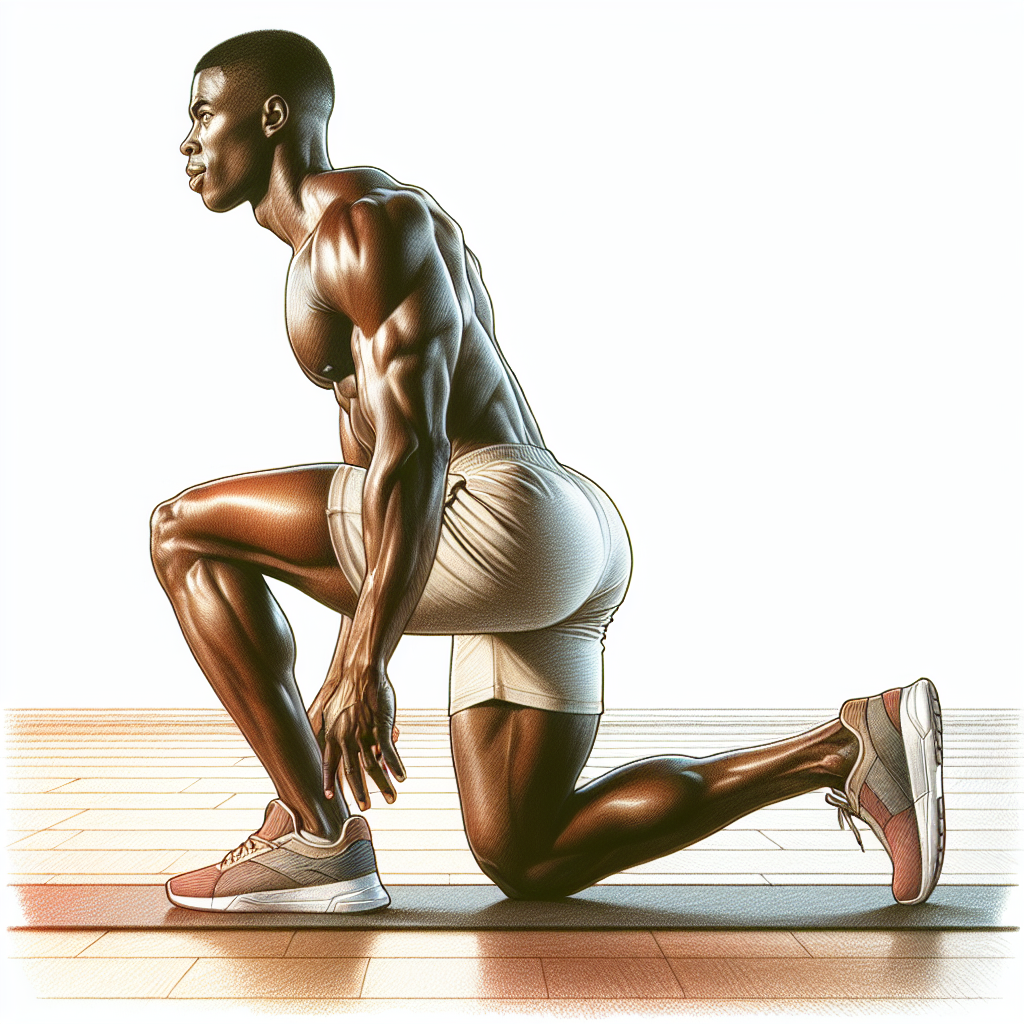
In today’s fast-paced world, maintaining physical fitness without access to a gym can be a daunting task for many men. However, a full body workout can be effectively achieved without any equipment, utilizing body weight for resistance. This approach not only saves time but also empowers individuals to work out anytime and anywhere. This article will outline a comprehensive no-equipment routine that focuses on full body engagement, offering clear guidance and practical insights for men seeking to enhance their fitness.
- What is a Full Body Workout?
- Key Benefits of No-Equipment Workouts
- Effective No-Equipment Full Body Routine
- Common Misconceptions about Bodyweight Training
- When to Consult a Professional
- Frequently Asked Questions
What is a Full Body Workout?
A full body workout is designed to engage multiple muscle groups in one session, promoting balanced strength and endurance. This type of workout typically includes various exercises that target major muscle areas, such as the legs, core, chest, back, and arms. When performed regularly, full body workouts can significantly enhance cardiovascular fitness, muscle strength, and overall health.
Key Benefits of No-Equipment Workouts
Utilizing body weight for workouts comes with numerous advantages:
- Accessibility: No need for a gym membership or specialized equipment; you can work out in your living room, a park, or even in your office.
- Cost-Effectiveness: Save money on gym fees and equipment purchases while still achieving your fitness goals.
- Flexibility: Fit workouts into your schedule easily, as they can be completed in a short time frame.
- Evolutionary Adaptation: Bodyweight exercises often mimic natural movements, making them safe and effective.
Effective No-Equipment Full Body Routine
This no-equipment workout routine is structured to target the entire body in approximately 30 minutes. Aim to complete this circuit 3-4 times a week for optimal results.
- Warm-Up (5 minutes): Start with dynamic stretches such as arm circles, leg swings, and hip circles to prepare your body.
- Push-Ups (3 sets of 10-15 reps): Great for targeting the chest, shoulders, and triceps. Modify with knee push-ups if necessary.
- Squats (3 sets of 15-20 reps): Engage your quads, hamstrings, and glutes. Keep your chest up and back straight.
- Planks (3 sets of 30-60 seconds): Focus on core stability. Ensure your body is in a straight line from head to heels.
- Lunges (3 sets of 10-15 reps per leg): Effective for the lower body. Maintain balance and alignment through the movement.
- Burpees (3 sets of 8-10 reps): A full body exercise that combines strength and cardiovascular conditioning.
- Cool Down (5 minutes): Stretch major muscle groups to promote recovery.
For those looking for a more structured approach, consider registering for a 30-day exercise program where you can achieve results in just 6 minutes of daily workouts.
Common Misconceptions about Bodyweight Training
Several myths about bodyweight workouts can deter individuals from embracing this effective approach:
- Myth 1: Bodyweight training is insufficient for muscle building. Truth: When performed with proper intensity and progression, bodyweight exercises can significantly enhance muscle strength.
- Myth 2: These workouts are only for beginners. Truth: Bodyweight exercises can be modified for all fitness levels; advanced variations are highly challenging.
- Myth 3: They’re ineffective for weight loss. Truth: When integrated into a balanced fitness routine and paired with proper nutrition, bodyweight workouts can significantly aid in weight loss.
When to Consult a Professional
While working out has numerous benefits, certain situations warrant professional consultation:
- If you experience persistent pain during or after exercises.
- If you have underlying health conditions or injuries that may be aggravated by physical activity.
- Prior to starting any new fitness program, especially if you have not exercised regularly.
Frequently Asked Questions
Can I build muscle with bodyweight exercises?
Yes, bodyweight exercises can effectively build muscle, especially when performed correctly and with progressive overloading.
How often should I do a full body workout?
For general fitness, aim for 3-4 times per week, ensuring rest days for recovery.
Will I lose weight with no-equipment workouts?
When combined with a balanced diet, no-equipment workouts can help in weight loss by burning calories and building muscle.
Are bodyweight exercises safer than weight lifting?
Bodyweight exercises can be safer, especially for beginners, as they generally have a lower risk of injury when performed correctly.
How long should I hold each plank?
Begin with 30 seconds and gradually increase to 60 seconds or more as your core strength improves.
Can I do these workouts anywhere?
Yes, no-equipment workouts can be performed in nearly any location, making them incredibly convenient.
Conclusion
- Full body workouts can be effectively executed without equipment.
- Such routines offer numerous benefits including accessibility, cost-effectiveness, and flexibility.
- A structured workout can yield significant results with consistency.
- Common misconceptions about bodyweight training should not deter you from trying it.
- Always consult a professional if you encounter health concerns.
Start your fitness journey today with simple, no-equipment exercises that can be included in your daily routine. Consider checking out the 30-day exercise program to see just how effective 6 minutes a day can be!
Author: John Angel