Full Body Workout No Equipment to Build Muscle
Embarking on a full-body workout regime without equipment can be both accessible and effective for building muscle. Utilizing your own body weight, you can engage multiple muscle groups, improve strength, and enhance overall fitness. This blog post will explore various bodyweight exercises, provide actionable guidance, and clarify the common misconceptions surrounding such routines.
- Understanding Bodyweight Workouts
- Key Exercises for Muscle Building
- Creating Your Workout Plan
- Safety and Professional Consultation
- Myths and Misconceptions
- Frequently Asked Questions
- Conclusion and Call to Action
Understanding Bodyweight Workouts
Bodyweight workouts are physical activities that utilize one’s own body mass to provide resistance against gravity. This method of training encourages functional strength development, flexibility, and endurance without the need for external weights or machines. Such workouts are highly versatile, allowing for adaptations suitable for different fitness levels and goals.
Key Exercises for Muscle Building
To effectively build muscle with bodyweight exercises, it’s important to incorporate a variety of movements that target different muscle groups. Below are some key exercises:
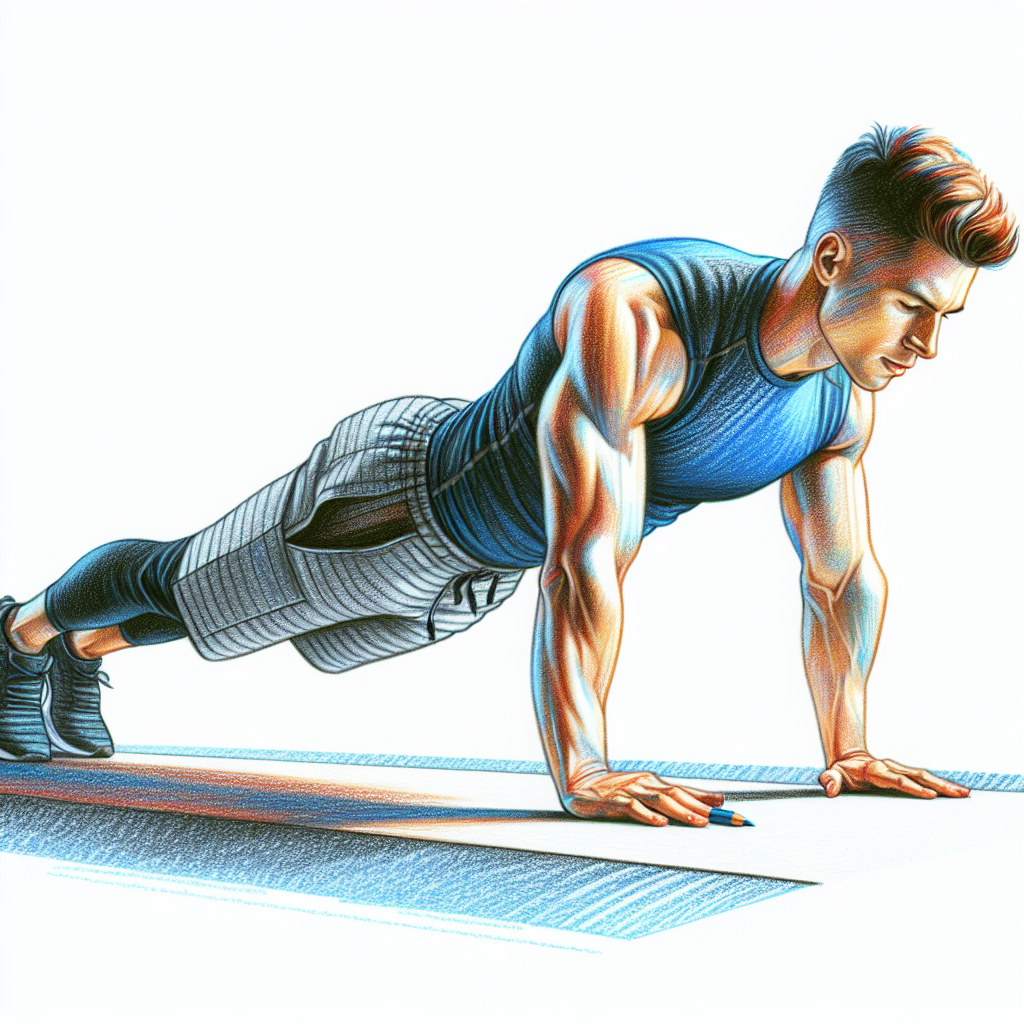
- Push-ups: Excellent for building upper body strength, targeting the chest, shoulders, and triceps.
- Squats: Effective for strengthening the legs and glutes, promoting core stability.
- Plank: Engages the entire core, enhancing overall body stability and strength.
- Lunges: Focus on leg strength, balance, and flexibility.
- Bicycle Crunches: Targets the abdominal muscles for improved core strength.
Creating Your Workout Plan
Designing an effective bodyweight workout plan involves considering factors such as frequency, duration, and exercise selection. Here is a simple plan for a balanced full-body workout:
- Warm up for 5 minutes with dynamic stretches (arm circles, leg swings).
- Perform each of the following exercises for 10-15 repetitions, completing 3 sets while resting 30-60 seconds between sets:
- Push-ups
- Bodyweight Squats
- Plank (hold for 30 seconds to 1 minute)
- Lunges (alternating legs)
- Bicycle Crunches
For optimal results, consistency is essential. Engaging in this workout routine at least three times per week will foster muscle growth and improve fitness levels.
Additionally, if you’re looking for a streamlined approach to achieve fast results, consider registering for a 30-day exercise program where you exercise for just 6 minutes daily and can achieve results equivalent to a gym regime.
Safety and Professional Consultation
While bodyweight workouts are generally safe, it is prudent to consult with a qualified fitness professional, especially if you experience discomfort, persistent pain, or possess pre-existing medical conditions. Seeking guidance ensures that exercises are performed correctly, reducing the risk of injury.
Myths and Misconceptions
Despite the effectiveness of bodyweight training, several myths abound. It is important to dispel these misunderstandings:
- Myth 1: Bodyweight training is only for beginners.
- Myth 2: You can’t build muscle without weights.
- Myth 3: Bodyweight workouts are less effective than weightlifting.
- Myth 4: You need long workout sessions for results.
In reality, bodyweight exercises can effectively build muscle and improve fitness, regardless of experience level.
Frequently Asked Questions
Can bodyweight exercises help me lose weight?
Yes, when paired with a balanced diet, bodyweight exercises can contribute to weight loss by burning calories and increasing muscle mass.
How often should I perform bodyweight workouts?
Aiming for at least three times per week can yield substantial benefits, but listen to your body and allow for adequate recovery.
Can I progress with bodyweight exercises over time?
Absolutely! Progression can be achieved by increasing repetitions, sets, or performing advanced variations of each exercise.
Are bodyweight workouts safe for everyone?
Most individuals can safely perform bodyweight workouts, but those with health concerns should consult a healthcare provider or fitness professional.
Is it necessary to warm up before a workout?
Yes, warming up is crucial as it prepares your muscles and joints, reducing the risk of injury.
How long should a bodyweight workout last?
A quality bodyweight workout can be completed in as little as 20-30 minutes, making it an efficient option for many participants.
Conclusion
- Bodyweight workouts are effective for building muscle without the need for equipment.
- Key exercises such as push-ups and squats can target multiple muscle groups.
- A structured workout plan ensures consistency and optimal results.
- Consulting a professional is recommended if you’re uncertain about performing exercises safely.
- Dispelling myths about bodyweight training can enhance your confidence and commitment.
As you embark on your fitness journey, remember that the key to success lies in your dedication and willingness to adapt. Explore the potential of bodyweight workouts and consider enrolling in a 30-day exercise program to further enhance your fitness routine.
Author: John Angel