
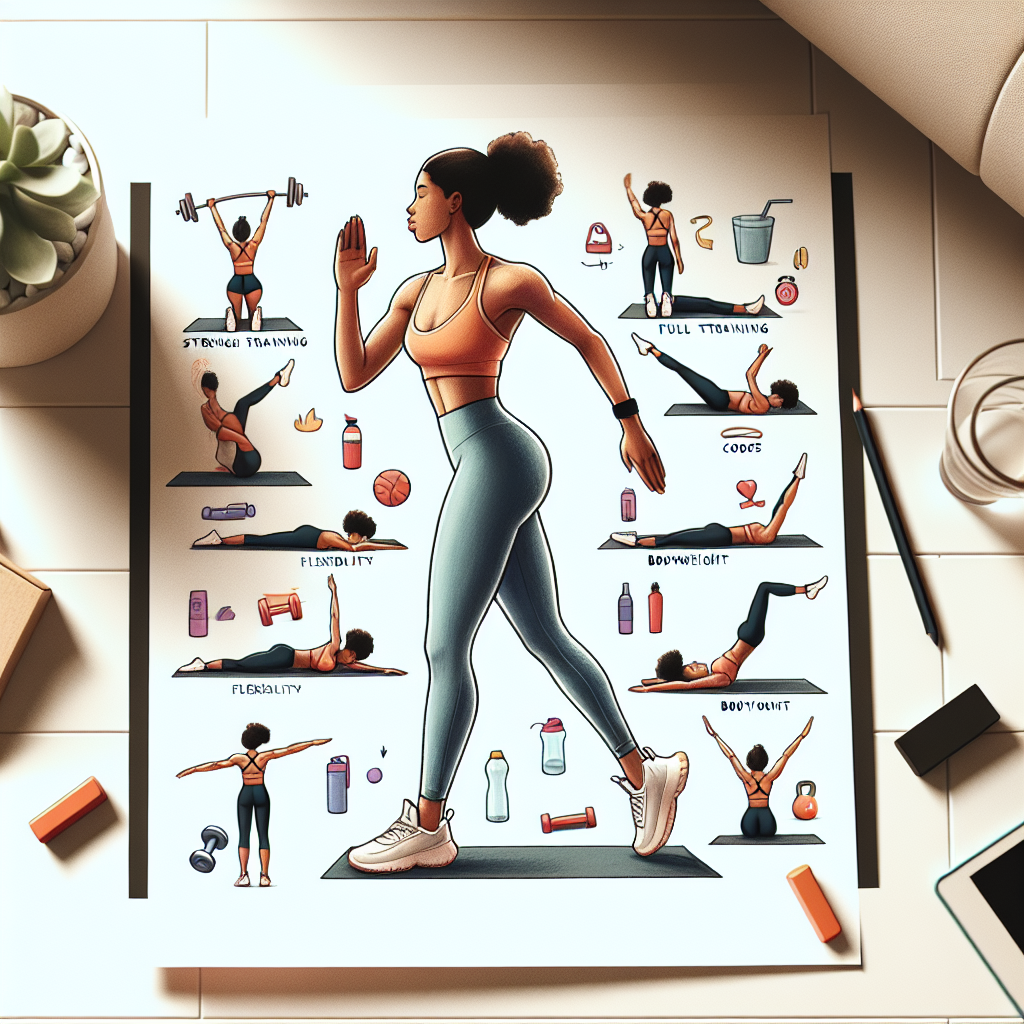
In today’s fast-paced world, finding time to exercise can be daunting. However, a full-body workout can be achieved without the need for gym equipment, allowing you to fit fitness seamlessly into your daily routine. Such workouts not only improve strength and flexibility but also enhance mental well-being. This article outlines practical exercises and strategies to help you get started with a full-body workout using nothing but your own body weight.
- Introduction to Full Body Workouts
- The Benefits of Bodyweight Exercises
- Effective Bodyweight Exercises
- Creating Your Own Routine
- When to Consult a Professional
- Common Misconceptions
- FAQ
- Conclusion
Introduction to Full Body Workouts
Full-body workouts target multiple muscle groups simultaneously, making them efficient for those with limited time. Utilizing bodyweight exercises, these routines can be done nearly anywhere, require no financial investment, and can be tailored to fit individual fitness levels. Additionally, bodyweight training promotes core stability and enhances overall body coordination.
The Benefits of Bodyweight Exercises
Engaging in bodyweight exercises provides a range of benefits, including:
- Accessibility: No special equipment is needed.
- Versatility: Many exercises can be modified for various fitness levels.
- Improved Balance and Coordination: These movements enhance functional fitness.
- Increased Muscle Tone: Regular practice leads to enhanced muscle definition over time.
- Mental Well-Being: Physical activity releases endorphins, improving mood and reducing anxiety.
Effective Bodyweight Exercises
Here are several effective bodyweight exercises that can be combined for a comprehensive workout:
- Push-ups: Targets the chest, shoulders, and triceps. Can be modified with knee push-ups for beginners.
- Squats: Strengthens the lower body, particularly the quadriceps, hamstrings, and glutes.
- Burpees: A full-body exercise that combines a squat, push-up, and jump, improving cardiovascular health.
- Planks: Enhances core strength and stability while engaging multiple upper and lower body muscles.
- Lunges: Targets the legs and glutes while also improving balance.
- Mountain Climbers: A dynamic exercise that provides a cardiovascular benefit while activating several muscle groups.
Creating Your Own Routine
To create a tailored workout routine, consider the following steps:
- Warm-Up: Begin with 5-10 minutes of dynamic stretching or light cardio, such as jumping jacks.
- Select Exercises: Choose 4-6 bodyweight exercises from the previous section.
- Structure Your Workout: Aim for 2-3 sets of 10-15 repetitions for each exercise, with brief rest periods.
- Cool Down: Conclude with static stretching to enhance flexibility and aid recovery.
- Consistency is Key: Aim to perform your routine 3-4 times a week, gradually increasing intensity and complexity.
For those looking for a structured approach, consider registering for a 30-day exercise program that requires only 6 minutes of daily exercise, providing an efficient route to noticeable results.
When to Consult a Professional
While bodyweight workouts are generally safe for most individuals, certain situations warrant professional advice:
- If you experience persistent pain or discomfort during exercises.
- If you have pre-existing medical conditions or injuries affecting your ability to exercise.
- If you are unsure about the proper form and technique for exercises.
- If you encounter significant changes in your physical capabilities.
- If you wish to develop a specialized program tailored to your unique goals.
Common Misconceptions
Several myths around bodyweight training may deter individuals from exploring its benefits:
- It’s Only for Beginners: Bodyweight exercises can be highly challenging and are suitable for all fitness levels.
- You Can’t Build Muscle: While weights are effective, bodyweight exercises can also promote muscle growth when performed correctly.
- You Need a Gym Membership: Full-body workouts can be performed effectively in the comfort of your home.
- More is Always Better: Quality of movement and proper form are more important than quantity; fewer, well-executed repetitions yield better results.
FAQ
Can I really get fit without equipment?
Yes, bodyweight exercises can provide an effective workout that enhances strength, endurance, and flexibility.
How often should I do bodyweight workouts?
Aiming for 3-4 sessions per week is typically recommended for optimal results.
What if I can’t do a full push-up?
Start with knee push-ups or incline push-ups and gradually progress to full push-ups as you gain strength.
Are bodyweight exercises safe for everyone?
While most people can safely engage in bodyweight training, it’s essential to consult a professional if you have specific medical concerns.
How long should a bodyweight workout session last?
Typically, a bodyweight workout can be effective within 20-30 minutes, including warm-up and cool down.
Can I combine bodyweight exercises with other forms of workouts?
Absolutely! Bodyweight exercises can complement cardio or weight training to enhance overall fitness.
Conclusion
- Full-body workouts can be effectively performed without equipment.
- Bodyweight exercises improve strength, flexibility, and mental well-being.
- Creating a structured routine ensures consistency and effectiveness.
- Consult a professional if you experience pain or have specific health concerns.
- Bodyweight training is suitable for all fitness levels and can lead to impressive results.
Ready to start your fitness journey? Explore the benefits of a structured program, like our free 30-day exercise program, and transform your routine today!
Author: John Angel