Categories
Fitness

Effective Home Exercises for Men Without Equipment

In today’s fast-paced world, maintaining a healthy lifestyle can be challenging, particularly for men who may feel that gym memberships and access to fitness facilities are necessary prerequisites for effective exercise. However, engaging in home workouts without equipment can yield impressive results, requiring only a commitment of time and effort. This article delves into various effective exercises that can be performed at home, highlighting practical guidance and reducing dependencies on traditional gym settings.

  • Introduction to Home Exercises
  • Benefits of Home Workouts
  • Effective Exercises for Men
  • Creating a Structured Workout Plan
  • Common Misconceptions about Home Exercises
  • When to Consult a Professional
  • Frequently Asked Questions
  • Conclusion and Call to Action

Benefits of Home Workouts

Home workouts present numerous advantages that cater specifically to men seeking convenience and efficiency. Here are some key benefits:

  • Time-Efficiency: Home workouts eliminate travel time to and from the gym, allowing for a more flexible schedule.
  • Cost-Effective: There is no need for a gym membership or equipment purchases, making it an affordable option.
  • Increased Motivation: The comfort of working out at home can reduce barriers to starting and maintaining a fitness regimen.
  • Customization: Individuals can tailor their workouts according to personal preferences and fitness levels.

Effective Exercises for Men

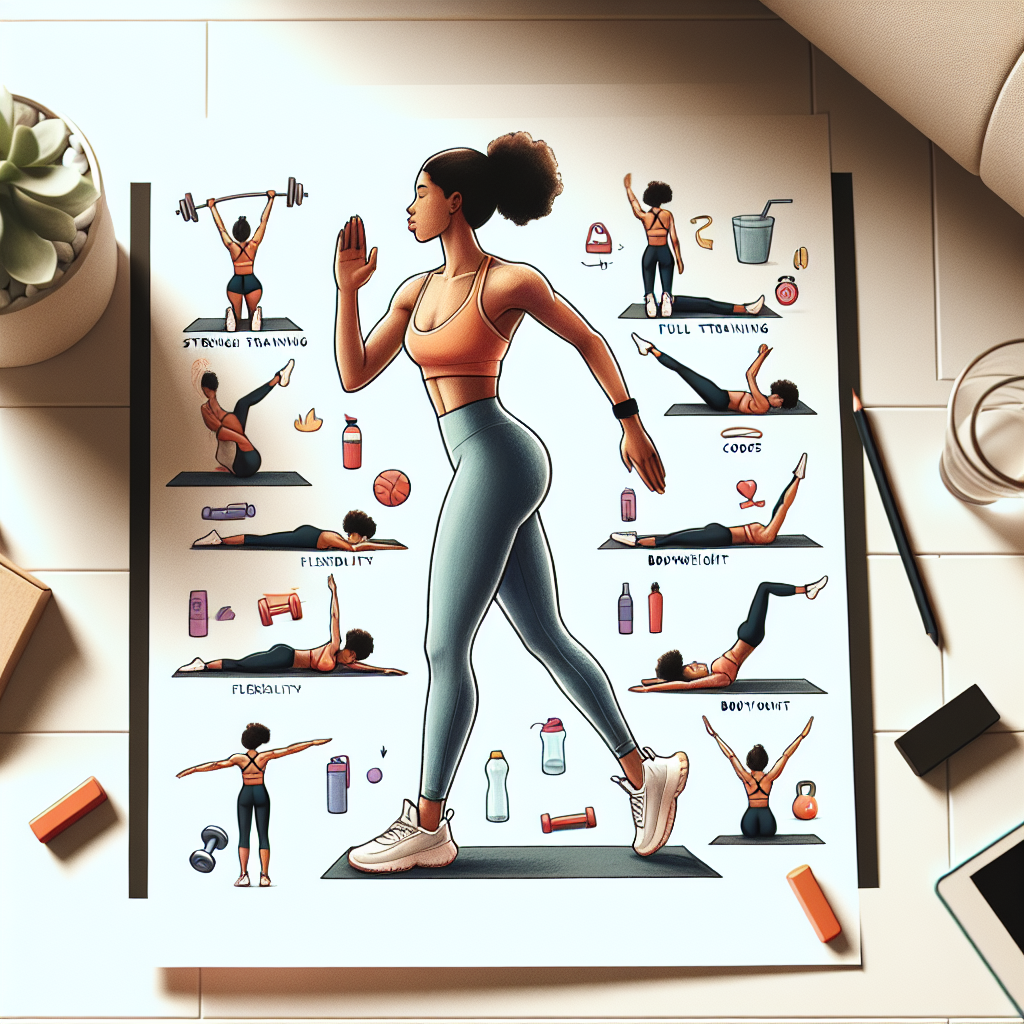
Here is a selection of home exercises that require no equipment and can target various muscle groups.

1. Push-Ups

Push-ups are an excellent way to build upper body strength, engaging the chest, shoulders, triceps, and core.

2. Squats

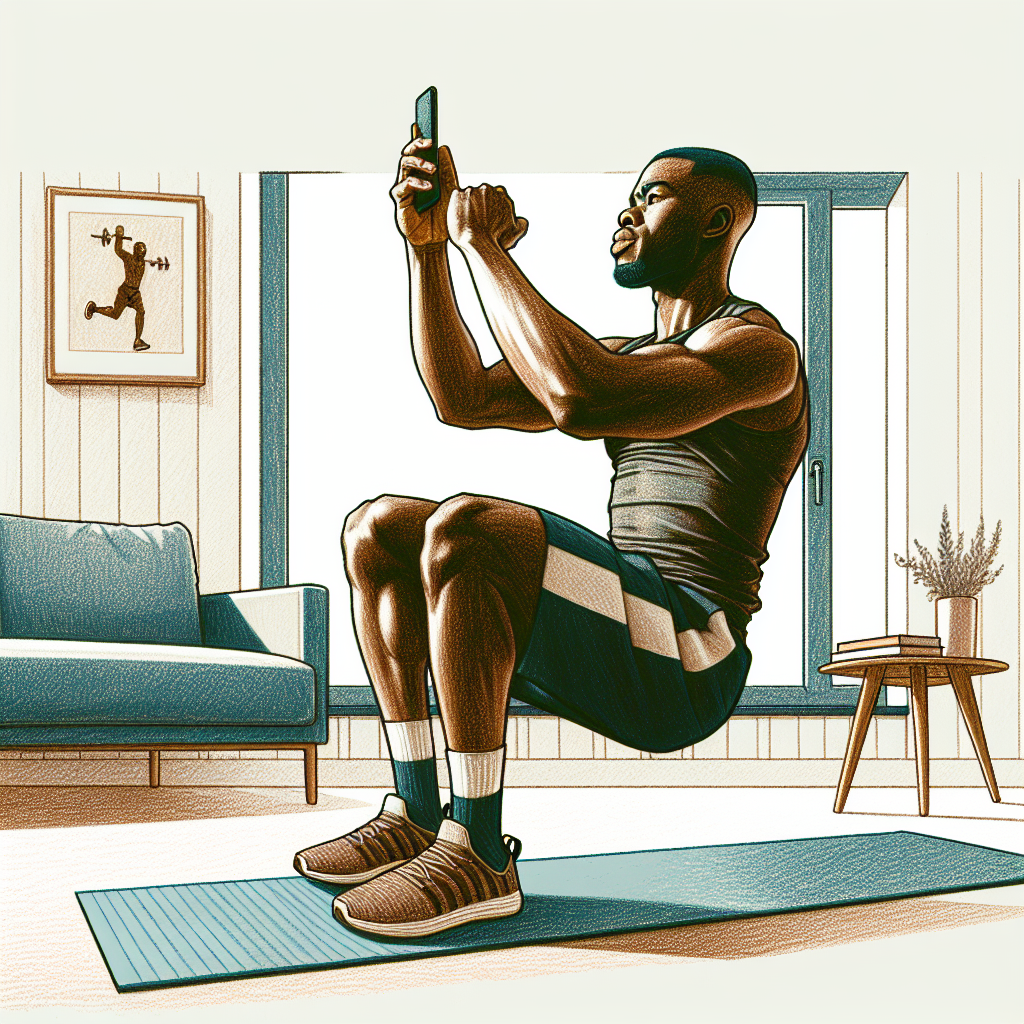
Squats effectively improve leg strength and overall body stability while also engaging core muscles.

3. Lunges

Lunges enhance mobility and flexibility, targeting the quadriceps, hamstrings, and glutes.

4. Planks

Planks activate the core muscles, promoting stability and endurance, while also engaging the shoulders and lower back.

5. Burpees

A full-body exercise, burpees enhance cardiovascular endurance while engaging multiple muscle groups simultaneously.

6. Mountain Climbers

This dynamic movement increases heart rate and strengthens core and leg muscles.

Creating a Structured Workout Plan

To achieve the best results, it is crucial to follow a structured workout plan. Here are practical steps to develop one:

  1. Set Clear Goals: Determine specific fitness objectives—be it weight loss, strength gain, or endurance improvement.
  2. Schedule Workouts: Dedicate 6 minutes each day to your routine. Consistency is key.
  3. Select Exercises: Choose a selection of the exercises mentioned above that you enjoy and can perform regularly.
  4. Incorporate Variations: Change up your routine periodically to target different muscle groups and maintain interest.
  5. Monitor Progress: Keep track of improvements in strength, endurance, or muscle definition over time.
  6. Consider Professional Guidance: For tailored advice, consider enlisting a personal trainer or joining a structured program like the one available at this free 30-day exercise program, designed to yield gym-like results in just 6 minutes daily.

Common Misconceptions about Home Exercises

Despite the effectiveness of at-home workouts, several misconceptions discourage individuals from pursuing this approach:

Myth 1: Home Workouts Are Ineffective

Many believe that without gym equipment, exercise will yield minimal results. This is not true; bodyweight exercises can build significant strength and endurance.

Myth 2: You Can’t Build Muscle Without Weights

Muscle development is achievable through resistance training using body weight. Exercises like push-ups and squats can effectively challenge muscles.

Myth 3: Home Workouts Lack Variety

With creativity, countless variations of bodyweight exercises can be combined to keep workouts fresh and challenging.

When to Consult a Professional

While home exercise routines can be highly beneficial, certain situations warrant professional consultation:

  • If you experience persistent pain during or after workouts.
  • When you have pre-existing medical conditions that may affect your ability to exercise.
  • If you’re unsure about proper form or techniques for performing exercises safely.
  • When seeking a specialized training program tailored to specific fitness goals.

Frequently Asked Questions

Can I maintain my fitness without a gym?

Yes, effective home workouts can help you maintain and even improve your fitness levels without the need for a gym.

How often should I exercise at home?

Engaging in physical activity at least 3 to 5 times per week is generally recommended for maintaining fitness.

Do I need to warm up before home workouts?

Yes, warming up is essential to prepare your muscles and prevent injury before starting your workout.

How can I stay motivated to exercise at home?

Setting clear goals, tracking progress, and varying your routine can help boost motivation to continue exercising at home.

Are home workouts suitable for beginners?

Absolutely! Bodyweight exercises can be easily adapted for beginners, allowing gradual progression towards more complex movements.

Can I lose weight through home exercises?

Yes, combining bodyweight exercises with a balanced diet can effectively contribute to weight loss.

Conclusion

  • Home workouts provide a flexible and cost-effective way to maintain fitness.
  • Bodyweight exercises like push-ups and squats can effectively build strength and endurance.
  • Creating a structured workout plan is essential for sustained progress.
  • Understanding common misconceptions can empower you to engage in at-home exercises confidently.
  • Consult a professional if you encounter pain or uncertainty regarding your workout routine.

Embarking on a fitness journey does not require a gym. Start integrating these home exercises into your daily routine and witness the transformation. For a structured and effective approach, consider signing up for the 30-day exercise program, which only requires 6 minutes of your time each day.

Author: John Angel

Related articles

Categories
Fitness

Effective Bodyweight Back Workout at Home for Strength

At Home Bodyweight Back Workout

Building a strong back is crucial for overall health and fitness. An effective back workout using only bodyweight exercises can improve posture, enhance athletic performance, and reduce the risk of injury. This article will guide you through several effective bodyweight exercises that you can perform at home, along with tips on form and structure to optimize your workout. Additionally, we will provide insights on when to consult a professional regarding back health.

  • Understanding the Importance of a Strong Back
  • Essential Bodyweight Exercises for Back Strength
  • Designing Your Workout Routine
  • Common Mistakes and Misconceptions
  • When to Consult a Professional
  • Frequently Asked Questions
  • Conclusion and Call to Action

Understanding the Importance of a Strong Back

The back comprises several muscle groups, including the latissimus dorsi, trapezius, rhomboids, and the erector spinae. These muscles play a vital role in stability, mobility, and supporting the spine. Weak back muscles can lead to poor posture, which increases the risk of back pain and injury. Therefore, incorporating back-focused exercises into your fitness routine is imperative for both athletes and casual exercisers alike.

Essential Bodyweight Exercises for Back Strength

Bodyweight exercises are an excellent way to build back strength without the need for any equipment. Below are several exercises that specifically target the back muscles.

1. Superman Exercise

This is a fundamental exercise that engages the entire back.

  • Lie face down on the floor with your arms extended in front of you and legs straight.
  • Simultaneously lift your arms, chest, and legs off the ground, forming a “superman” position.
  • Hold for a few seconds before lowering back down. Repeat for 10-15 reps.

2. Plank to T-Raise

This exercise combines stability and strength by engaging the core and back.

  • Start in a plank position, ensuring your body forms a straight line from head to heels.
  • Raise your right arm to shoulder height while rotating your torso to face the right. Return to plank.
  • Switch sides, repeating for 8-10 reps on each side.

3. Inverted Row (Using a Table)

This exercise is highly effective for targeting the upper back.

  • Lie underneath a sturdy table, gripping the edge with both hands.
  • Pull your chest towards the table, then lower yourself back down. Aim for 8-12 reps.

4. Bird-Dog Exercise

This movement promotes balance and spinal stability.

  • Start on your hands and knees, keeping your back straight.
  • Extend your right arm forward and your left leg backward, maintaining balance.
  • Return to the starting position and switch sides for 10-12 reps on each side.

Designing Your Workout Routine

When setting up your back workout routine, consider the following tips:

  • Warm up for 5-10 minutes with light cardio and dynamic stretches.
  • Choose at least 3-4 exercises to perform in each session.
  • Perform 2-3 sets of each exercise with 30-60 seconds of rest between sets.
  • Incorporate variations to keep the routine fresh and engage different muscle groups.
  • Cool down with stretches focusing on the back and shoulders post-workout.

Additionally, if you seek quick results but can only spare six minutes per day, consider exploring this free 30-day exercise program: 30-Day Exercise Program.

Common Mistakes and Misconceptions

Understanding common pitfalls can help maximize the effectiveness of your back workouts and avoid potential injuries:

  • Skipping warm-ups: Proper warm-ups prepare your muscles and reduce injury risk.
  • Holding one’s breath: Breathe steadily throughout the exercises to maintain form and endurance.
  • Neglecting flexibility: Incorporating stretching for both back muscles and hip flexors aids recovery.
  • Assuming that heavier is better: Focus on form rather than load to prevent injury.
  • Believing one exercise is enough: A well-rounded program should include various movements targeting all back muscles.

When to Consult a Professional

While bodyweight exercises can be highly beneficial, it is essential to recognize when to seek professional help:

  • If you experience persistent back pain after exercising.
  • Difficulty engaging in daily activities due to back discomfort.
  • Experiencing numbness or tingling in the arms or legs.
  • Snowballing pain that worsens with specific movements or positions.
  • Your range of motion is significantly limited.

Consulting a qualified physiotherapist or physician can provide insights into your condition and recommended strategies for pain relief and rehabilitation.

Frequently Asked Questions

1. How often should I perform back workouts at home?

It is recommended to practice back workouts 2-3 times a week, allowing a day of rest in between sessions.

2. Can bodyweight exercises effectively build muscle?

Yes, bodyweight exercises can build muscle strength and endurance, especially when performed with proper technique and progression.

3. What should I do if I feel pain during an exercise?

If you experience pain, stop the exercise immediately and assess your form. If the pain persists, consult a professional.

4. Is stretching necessary after a back workout?

Yes, stretching is crucial for maintaining flexibility and aiding recovery post-workout.

5. Can I target specific areas of my back with bodyweight exercises?

Yes, different exercises can focus on specific muscle groups in the back, allowing for targeted training.

6. How long before I see results from bodyweight workouts?

Results can vary; however, consistent practice and proper nutrition can lead to noticeable improvements within a few weeks.

Conclusion

  • A strong back is essential for overall health and functionality.
  • Bodyweight exercises effectively build back strength without the need for equipment.
  • Be aware of common mistakes to maximize your workout’s effectiveness.
  • Consult a professional if you experience persistent pain or discomfort.
  • Consider incorporating short, effective workout programs for optimal results.

Take charge of your back health today by starting your home workout regimen. If you’re looking for an efficient way to get fit, don’t forget to try the free 30-day exercise program: 30-Day Exercise Program.

Author: John Angel

Related articles

Categories
Fitness

Effective Full Body Workout Without Equipment

In today’s fast-paced world, finding time to exercise can be daunting. However, a full-body workout can be achieved without the need for gym equipment, allowing you to fit fitness seamlessly into your daily routine. Such workouts not only improve strength and flexibility but also enhance mental well-being. This article outlines practical exercises and strategies to help you get started with a full-body workout using nothing but your own body weight.

  • Introduction to Full Body Workouts
  • The Benefits of Bodyweight Exercises
  • Effective Bodyweight Exercises
  • Creating Your Own Routine
  • When to Consult a Professional
  • Common Misconceptions
  • FAQ
  • Conclusion

Introduction to Full Body Workouts

Full-body workouts target multiple muscle groups simultaneously, making them efficient for those with limited time. Utilizing bodyweight exercises, these routines can be done nearly anywhere, require no financial investment, and can be tailored to fit individual fitness levels. Additionally, bodyweight training promotes core stability and enhances overall body coordination.

The Benefits of Bodyweight Exercises

Engaging in bodyweight exercises provides a range of benefits, including:

  • Accessibility: No special equipment is needed.
  • Versatility: Many exercises can be modified for various fitness levels.
  • Improved Balance and Coordination: These movements enhance functional fitness.
  • Increased Muscle Tone: Regular practice leads to enhanced muscle definition over time.
  • Mental Well-Being: Physical activity releases endorphins, improving mood and reducing anxiety.

Effective Bodyweight Exercises

Here are several effective bodyweight exercises that can be combined for a comprehensive workout:

  • Push-ups: Targets the chest, shoulders, and triceps. Can be modified with knee push-ups for beginners.
  • Squats: Strengthens the lower body, particularly the quadriceps, hamstrings, and glutes.
  • Burpees: A full-body exercise that combines a squat, push-up, and jump, improving cardiovascular health.
  • Planks: Enhances core strength and stability while engaging multiple upper and lower body muscles.
  • Lunges: Targets the legs and glutes while also improving balance.
  • Mountain Climbers: A dynamic exercise that provides a cardiovascular benefit while activating several muscle groups.

Creating Your Own Routine

To create a tailored workout routine, consider the following steps:

  1. Warm-Up: Begin with 5-10 minutes of dynamic stretching or light cardio, such as jumping jacks.
  2. Select Exercises: Choose 4-6 bodyweight exercises from the previous section.
  3. Structure Your Workout: Aim for 2-3 sets of 10-15 repetitions for each exercise, with brief rest periods.
  4. Cool Down: Conclude with static stretching to enhance flexibility and aid recovery.
  5. Consistency is Key: Aim to perform your routine 3-4 times a week, gradually increasing intensity and complexity.

For those looking for a structured approach, consider registering for a 30-day exercise program that requires only 6 minutes of daily exercise, providing an efficient route to noticeable results.

When to Consult a Professional

While bodyweight workouts are generally safe for most individuals, certain situations warrant professional advice:

  • If you experience persistent pain or discomfort during exercises.
  • If you have pre-existing medical conditions or injuries affecting your ability to exercise.
  • If you are unsure about the proper form and technique for exercises.
  • If you encounter significant changes in your physical capabilities.
  • If you wish to develop a specialized program tailored to your unique goals.

Common Misconceptions

Several myths around bodyweight training may deter individuals from exploring its benefits:

  • It’s Only for Beginners: Bodyweight exercises can be highly challenging and are suitable for all fitness levels.
  • You Can’t Build Muscle: While weights are effective, bodyweight exercises can also promote muscle growth when performed correctly.
  • You Need a Gym Membership: Full-body workouts can be performed effectively in the comfort of your home.
  • More is Always Better: Quality of movement and proper form are more important than quantity; fewer, well-executed repetitions yield better results.

FAQ

Can I really get fit without equipment?

Yes, bodyweight exercises can provide an effective workout that enhances strength, endurance, and flexibility.

How often should I do bodyweight workouts?

Aiming for 3-4 sessions per week is typically recommended for optimal results.

What if I can’t do a full push-up?

Start with knee push-ups or incline push-ups and gradually progress to full push-ups as you gain strength.

Are bodyweight exercises safe for everyone?

While most people can safely engage in bodyweight training, it’s essential to consult a professional if you have specific medical concerns.

How long should a bodyweight workout session last?

Typically, a bodyweight workout can be effective within 20-30 minutes, including warm-up and cool down.

Can I combine bodyweight exercises with other forms of workouts?

Absolutely! Bodyweight exercises can complement cardio or weight training to enhance overall fitness.

Conclusion

  • Full-body workouts can be effectively performed without equipment.
  • Bodyweight exercises improve strength, flexibility, and mental well-being.
  • Creating a structured routine ensures consistency and effectiveness.
  • Consult a professional if you experience pain or have specific health concerns.
  • Bodyweight training is suitable for all fitness levels and can lead to impressive results.

Ready to start your fitness journey? Explore the benefits of a structured program, like our free 30-day exercise program, and transform your routine today!

Author: John Angel

Related articles

Categories
Fitness

Effective Six-Minute Bodyweight Workouts for Weight Loss

Embarking on a weight loss journey can often feel daunting, especially when time constraints and busy schedules hinder your ability to commit to a traditional workout routine. However, integrating a bodyweight workout body into your daily life can yield remarkable results without the need for a gym. In particular, short six-minute workouts can be a game-changer, offering significant benefits with minimal investment of time. This article delves into the purpose and effectiveness of these workouts, demonstrating how they can seamlessly fit into your day and contribute to your fitness goals.

  • Understanding Bodyweight Workouts
  • The Magic of Six-Minute Workouts
  • Benefits of Short Workouts
  • Implementing Bodyweight Exercises into Daily Life
  • When to Seek Professional Guidance
  • Common Misconceptions about Bodyweight Workouts
  • Frequently Asked Questions

Understanding Bodyweight Workouts

Bodyweight workouts rely solely on the individual’s weight as resistance, eliminating the need for specialized equipment. Exercises like push-ups, squats, and planks utilize your body’s natural weight to build strength, endurance, and flexibility. The convenience of bodyweight workouts allows individuals to exercise anywhere, making it an accessible option for all fitness levels.

The Magic of Six-Minute Workouts

Six-minute workouts are designed to maximize intensity while minimizing time commitment. The essence of these quick sessions lies in their ability to elevate your heart rate and engage multiple muscle groups swiftly, enabling significant calorie burn and muscle engagement within a short period. This convenience often translates to improved motivation and consistency.

How Six-Minute Workouts Fit into a Normal Day

Incorporating these short sessions into a busy lifestyle can be surprisingly easy. Whether you’re between meetings, waiting for dinner to cook, or simply enjoying a break, six-minute workouts can be performed in any space and at any moment. This flexibility fosters a more dedicated approach to your weight loss journey, allowing even the busiest individuals to remain active.

Benefits of Short Workouts

The benefits of six-minute bodyweight workouts extend beyond mere convenience. Here are some notable advantages:

  • Time Efficiency: Achieve more in less time, which encourages consistency in your routine.
  • Elevation of Metabolism: Short bursts of exercise can lead to an increased metabolic rate, burning more calories even after you finish.
  • Improved Flexibility: Engaging multiple muscle groups enhances overall body flexibility and reduces the risk of injury.
  • Enhanced Mood: Exercise has been proven to release endorphins, providing an immediate uplift in mood.
  • No Equipment Necessary: Perform exercises anywhere; all you need is your body and some space.

Implementing Bodyweight Exercises into Daily Life

Transitioning to a bodyweight workout body does not require a comprehensive overhaul of your routine. Here are some practical steps to incorporate effective workouts into your day:

  1. Designate Break Times: Allocate specific break periods in your day to engage in a six-minute workout.
  2. Set Reminders: Use alarms or calendar notifications to remind you to exercise.
  3. Combine with Routine Activities: Integrate workouts into mundane activities, like doing squats or lunges while watching TV.
  4. Accountability Partner: Collaborate with a friend or family member to motivate each other.
  5. Create a Weekly Plan: Outline workout days and types, ensuring diversity and excitement in your routine.

When to Seek Professional Guidance

While bodyweight workouts can be beneficial, there are instances where professional advice should be sought:

  • If you have pre-existing medical conditions, it’s essential to consult a healthcare provider before starting any new workout program.
  • Seek help if you feel pain while exercising, as it may indicate improper form or underlying issues.
  • Consider professional guidance if you’re not sure how to create a balanced workout regimen tailored to your needs.

Common Misconceptions about Bodyweight Workouts

Several myths about bodyweight workouts can deter individuals from embracing them. Understanding these misconceptions is vital:

  • “Bodyweight workouts aren’t as effective as gym workouts.” This belief can undermine the potential of bodyweight exercises, which can be just as effective, particularly for beginners.
  • “They are too easy.” On the contrary, bodyweight workouts can be intensified and varied, providing sufficient challenges for all fitness levels.
  • “Short workouts do not yield results.” Evidence indicates that shorter, high-intensity workouts can be extraordinarily effective for weight loss and muscle building.

Frequently Asked Questions

What are the best bodyweight exercises for beginners?

Beginners should start with exercises like squats, push-ups, and planks, which build a solid foundation of strength.

How many times a week should I do bodyweight workouts?

Aim for at least 3-5 times a week, ensuring to mix in different exercises to cover all major muscle groups.

Can I lose weight with just bodyweight workouts?

Yes, when combined with a balanced diet, bodyweight workouts can contribute significantly to weight loss.

Is it necessary to warm up before a bodyweight workout?

Absolutely; warming up increases blood flow and reduces the risk of injury during your workouts.

How long should each workout session last?

Six minutes can be effective, but you can also extend it to 15-30 minutes for a more intense workout, depending on your fitness level.

Are there specific goals for bodyweight workouts?

Goals can range from increasing strength, improving endurance, enhancing flexibility, to enhancing overall health.

Conclusion

  • Bodyweight workouts provide a flexible, accessible method to enhance fitness without extensive time commitment.
  • Six-minute sessions are effective for building strength and facilitating weight loss.
  • Engaging in short workouts can elevate mood and improve overall well-being.
  • These workouts can be seamlessly integrated into daily routines for maximum effectiveness.
  • Understanding the misconceptions can empower individuals to embrace bodyweight training fully.

For those ready to kickstart their fitness journey, consider exploring the amazing opportunity to join the SixPack workout program for 30 days at no cost. Sign up today to experience the benefits firsthand!

Author: John Angel

Related articles

Categories
Fitness

Daily Workout Routine for Effective Weight Loss

Day-to-Day Workout Routine: A Pathway to Your Weight Loss Journey

Establishing a day-to-day workout routine can significantly enhance your weight loss journey. By integrating short yet effective workouts into your daily life, you can make fitness a sustainable habit while experiencing the myriad benefits they offer. Particularly, the magic of six-minute workouts at home lies in their ability to fit seamlessly into your schedule, demanding minimal time yet delivering maximum impact. This article will guide you through a comprehensive routine that empowers you to embrace physical activity, fostering a healthier lifestyle.

  • Understanding the Concept of Short Workouts
  • Benefits of Daily Exercise
  • Sample Day-to-Day Workout Routine
  • When to Consult a Professional
  • Common Myths About Short Workouts
  • FAQs
  • Conclusion

Understanding the Concept of Short Workouts

Short workouts, particularly those lasting six minutes, are designed to maximize intensity within a limited timeframe. These focused sessions leverage principles of high-intensity interval training (HIIT), which emphasizes short bursts of intensive effort followed by brief rest periods. The beauty of these workouts is their flexibility; they can be performed nearly anywhere, requiring no special equipment or expansive space. Furthermore, they empower you to maintain a consistent workout regime, crucial for achieving long-term fitness goals.

Benefits of Daily Exercise

Engaging in daily exercise offers numerous benefits that extend beyond physical appearance. Here are some key advantages:

  • Boosted Metabolism: Regular physical activity helps to increase your resting metabolic rate, contributing to sustained weight loss.
  • Improved Mood: Exercise releases endorphins, often referred to as “feel-good” hormones, which can improve your overall mood and alleviate stress.
  • Enhanced Sleep Quality: Regular workouts can lead to better sleep patterns, ensuring you wake refreshed and ready to tackle the day.
  • Increased Energy Levels: Incorporating physical activity into your routine can enhance your stamina and overall energy levels throughout the day.
  • Better Mental Clarity: Exercise is linked to improved cognitive function, allowing you to focus better and think more clearly.

Sample Day-to-Day Workout Routine

A structured workout routine can streamline your approach to fitness and weight loss. Below is a sample schedule that mixes six-minute workouts into your day:

  1. Morning Routine:
    • Jumping jacks (1 minute)
    • Bodyweight squats (1 minute)
    • Push-ups (1 minute)
    • Plank hold (1 minute)
    • Burpees (1 minute)
    • High knees (1 minute)
  2. Lunch Break:
    • Quick core workout:
      • Russian twists (1 minute)
      • Mountain climbers (1 minute)
      • Leg raises (1 minute)
      • Flutter kicks (1 minute)
      • Side planks (30 seconds each side)
      • Back extensions (1 minute)
  3. Evening Routine:
    • Cardio burst:
      • Jump rope (1 minute)
      • High knees (1 minute)
      • Squat jumps (1 minute)
      • Tuck jumps (30 seconds)
      • Skaters (1 minute)
      • Rest (1 minute)

With consistency, repeating such routines can lead to measurable progress in your weight loss journey. For an even more structured program, consider registering for the SixPack workout program for 30 days, free of charge.

When to Consult a Professional

While short workouts can be beneficial for most individuals, there are instances when consultation with a qualified professional becomes essential. Consider seeking guidance when:

  • You have existing health conditions that limit physical activity.
  • You experience persistent pain during or after workouts.
  • You are unsure about the correct exercise techniques to avoid injury.
  • You have specific fitness goals that require tailored advice.
  • You are in a post-recovery phase from an injury and wish to return to exercise safely.

Common Myths About Short Workouts

Myths surrounding workout durations can hinder one’s engagement in physical activity. Here are some misconceptions to debunk:

  • Myth 1: Longer workouts are always more effective. Short, intense sessions can be equally, if not more, effective.
  • Myth 2: You need gym equipment for effective workouts. Several effective exercises utilize just body weight.
  • Myth 3: You can’t achieve significant weight loss through short workouts. Consistency is key; short workouts can fit into any lifestyle.
  • Myth 4: Short workouts are too easy to be beneficial. The intensity of the workout matters more than its duration.
  • Myth 5: You must work out every day to see results. Incorporating rest and recovery is crucial for muscle growth.

FAQs

What are six-minute workouts?

Six-minute workouts are short, high-intensity sessions designed to maximize effort in a limited timeframe, typically focusing on bodyweight exercises or cardio.

Can I lose weight with just six-minute workouts?

Yes, if performed regularly and coupled with a balanced diet, six-minute workouts can significantly aid in your weight loss journey.

How many times a week should I do short workouts?

It is generally recommended to incorporate short workouts into your routine three to five times a week for optimal benefits.

Do I need a gym membership for these workouts?

No, you can perform six-minute workouts at home with no need for gym equipment.

What should I do if I feel pain during a workout?

If you experience pain, stop immediately and consult a healthcare professional, especially if the pain persists.

How do I stay motivated to follow a daily workout routine?

Setting specific goals, tracking your progress, and joining supportive communities can help maintain motivation.

Conclusion

  • Incorporating short workouts can fit easily into your daily life.
  • Six-minute sessions can lead to significant weight loss when performed consistently.
  • Daily exercise improves overall physical and mental well-being.
  • Consulting a professional is vital if you encounter pain or have specific health concerns.
  • Debunking myths about short workouts can encourage more individuals to participate in physical activities.

I encourage you to explore the journey of integrating these short workouts into your lifestyle. For a structured plan that guides you through your fitness goals, consider signing up for the SixPack workout program for 30 days for free.

Author: John Angel

Related articles

Categories
Fitness

Transform Your Weight Loss Journey with Six-Minute Workouts

Embarking on a weight loss journey can be a challenging yet rewarding experience. One of the significant breakthroughs in contemporary fitness is the adoption of short, highly efficient workouts, such as six-minute sessions, that can easily fit into our daily routines. This article will delve into the magic of these brief yet powerful workouts and how they can enhance your weight loss journey, particularly when integrated into hectic lifestyles.

  • Understanding the Six-Minute Workout
  • Benefits of Short Workouts
  • Integrating Workouts into Your Daily Routine
  • When to Consult a Professional
  • Common Myths and Misconceptions
  • Frequently Asked Questions

Understanding the Six-Minute Workout

The concept of a six-minute workout revolves around short bursts of intense exercise that can be performed at home. These workouts are designed to maximize efficiency, allowing individuals to engage in physical activity without extensive time commitments. The focus is on compound movements that work multiple muscle groups, thereby increasing calorie burn and aiding in weight loss.

Benefits of Short Workouts

Short workouts bring numerous benefits, especially for those juggling various responsibilities. Some key advantages include:

  • Time Efficiency: In just six minutes, you can elevate your heart rate, strengthen your muscles, and contribute to your overall fitness goals.
  • Accessibility: These workouts can be performed anywhere, making it easy to fit exercise into your schedule.
  • Increased Metabolism: Short bursts of high-intensity exercise can boost your metabolic rate, which aids in weight loss.
  • Mental Health Benefits: Engaging in regular short workouts can enhance mood and reduce stress, supporting overall well-being.
  • Adaptability: Workouts can be easily modified to suit different fitness levels, ensuring inclusivity and safety.

Integrating Workouts into Your Daily Routine

Incorporating six-minute workouts into your daily life requires minimal adjustments. Here’s how you can seamlessly add these exercises to your schedule:

  1. Set a Time: Choose specific times during your day, such as morning, lunch breaks, or before dinner.
  2. Create a Space: Dedicate a small area in your home where you can perform your workouts.
  3. Use Online Resources: Leverage programs like the SixPack workout program to guide your workouts.
  4. Plan Ahead: Prepare workout schedules at the beginning of each week, ensuring you remain accountable.
  5. Stay Flexible: If you miss a session, don’t get discouraged. Find opportunities to make up for it later.

When to Consult a Professional

While short workouts can be highly beneficial, it is crucial to recognize when to seek advice from a qualified professional:

  • If you have pre-existing health conditions that may be affected by physical activity.
  • When experiencing intense or continual pain during or after workouts.
  • If you are unsure about how to create a workout plan tailored to your personal needs and goals.
  • When you need nutritional advice in conjunction with your exercise regimen.

Common Myths and Misconceptions

As with any fitness trend, there are several myths surrounding short workouts that warrant clarification:

  • Myth 1: You need to spend hours at the gym to see results. Short workouts can be highly effective when done consistently.
  • Myth 2: Only high-intensity workouts burn calories. Even moderate exercises, when performed regularly, contribute to weight loss.
  • Myth 3: You should feel fatigued after every workout. It’s normal to have varying energy levels; listen to your body.

Frequently Asked Questions

What are the ideal six-minute exercises I can perform at home?

Exercises such as jumping jacks, burpees, high knees, and bodyweight squats are excellent choices that can fit within a six-minute routine.

How frequently should I perform six-minute workouts?

It is recommended to perform these workouts 4-5 times a week for optimal benefits.

Can short workouts help with weight loss?

Yes, even brief bouts of physical activity can contribute significantly to weight loss when integrated into a broader healthy lifestyle.

Are there any age restrictions for these workouts?

Short workouts can generally be adapted for all ages; however, individuals with limitations should consult with a healthcare professional before starting.

What equipment do I need for six-minute workouts?

Minimal equipment is needed; often, just your body weight is sufficient. However, a mat for floor exercises can be beneficial.

Can I combine six-minute workouts with other exercise regimens?

Absolutely! These workouts can be used as warm-ups or supplementary sessions within a more extensive workout program.

Conclusion

  • Short workouts are time-efficient and adaptable, making physical fitness accessible to a wider audience.
  • They can enhance metabolic rate, positively affect mental health, and support weight loss goals.
  • Planning and accountability are key to successfully integrating workouts into daily life.
  • Acknowledge when professional advice may be necessary to ensure safe and effective exercise.
  • Don’t fall for common myths; short workouts can be a powerful part of your health journey.

Ready to transform your weight loss journey? Consider starting with a free trial of the SixPack workout program today!

Author: John Angel

Related articles

Website analytics information

We use Google Analytics 4 for visitor statistics. Analytics cookies require your consent, which you can change using the button above. The data controller is ZDRAVÍ S ÚSMĚVEM s.r.o., company ID 29283329, contact podpora@revolucnicviceni.cz. Google processes browser, device and page visit information. We do not send form field values to Analytics. How Google uses information · Google Privacy Policy.