
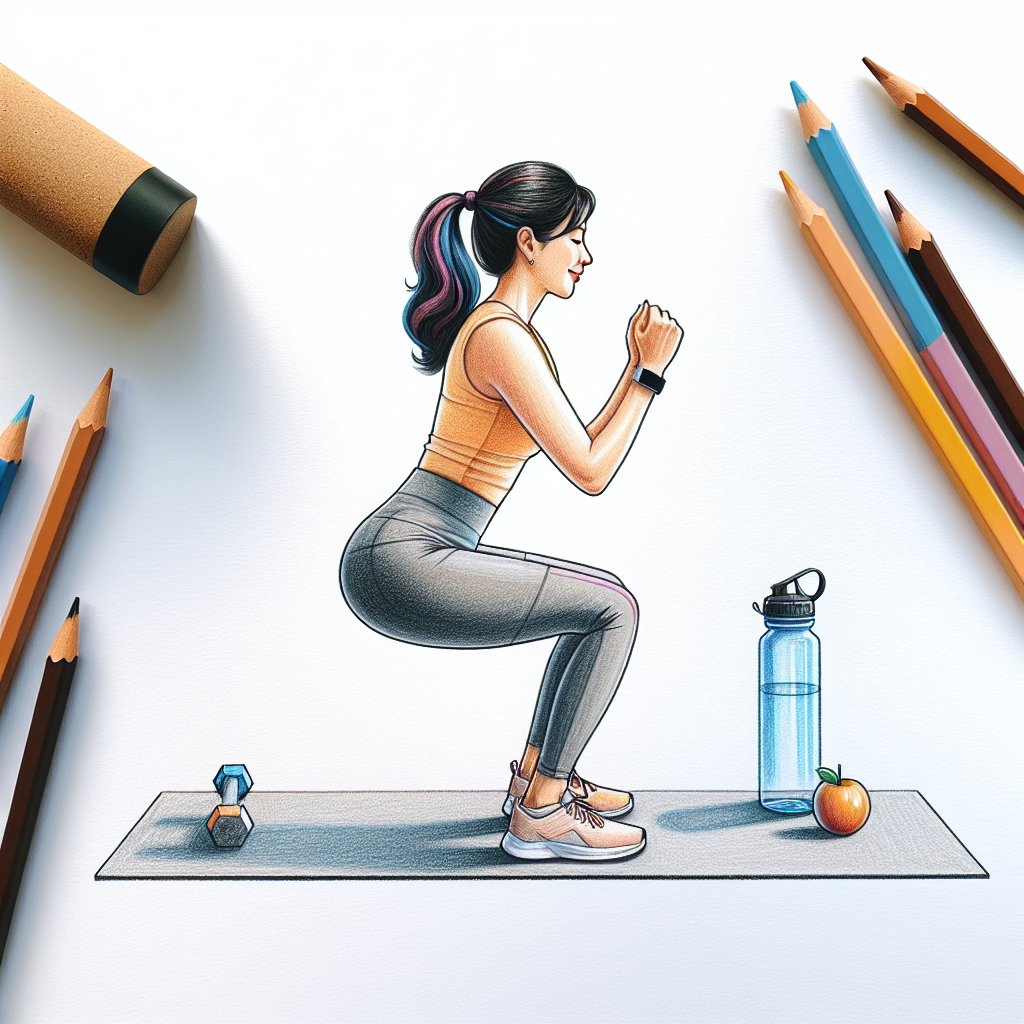
Gym at Home Without Equipment: Achieve Your Fitness Goals
In today’s fast-paced world, finding time for a gym visit can be a challenge. Fortunately, working out at home without any equipment is not only feasible but can also yield impressive results. Engaging in bodyweight exercises allows for flexibility, convenience, and can be tailored to fit any fitness level. This article will elucidate various effective strategies, elaborate on the wide-ranging benefits of bodyweight training, and guide you in establishing a fulfilling home workout routine.
- Understanding Bodyweight Exercises
- Creating an Effective Routine
- Different Types of Bodyweight Exercises
- Benefits of Training Without Equipment
- Signs You Should Consult a Professional
- Common Misconceptions About Home Workouts
- FAQ
- Conclusion
Understanding Bodyweight Exercises
Bodyweight exercises leverage your own weight to build strength, endurance, and flexibility. They eliminate the need for external equipment, making them highly accessible. Common bodyweight exercises include push-ups, squats, lunges, and planks. These movements can be performed anywhere, whether in your living room, garden, or even while traveling.
Creating an Effective Routine
Designing a workout routine without equipment can seem daunting. However, it can be simplified into structured sessions. Below are key steps to develop an effective workout regimen:
- Set Clear Goals: Identify your fitness objectives—whether it’s weight loss, muscle gain, or improving endurance.
- Determine Frequency: Aim for at least 3-5 sessions per week, allowing for adequate recovery time.
- Choose Exercises: Select a mix of strength, cardiovascular, and flexibility movements.
- Warm Up and Cool Down: Always include warm-up and cool-down sessions to prevent injuries.
- Track Your Progress: Keep a journal to monitor improvements in strength, endurance, and flexibility.
Different Types of Bodyweight Exercises
Incorporating a variety of exercises can keep your routine engaging and comprehensive. Consider the following categories:
Strength Training
- Push-ups
- Pull-ups (if feasible)
- Squats
- Lunges
- Planks
Cardiovascular Training
- Burpees
- Mountain climbers
- High knees
- Jumping jacks
Flexibility and Mobility
- Yoga poses
- Dynamic stretches
- Static stretches
Benefits of Training Without Equipment
Training at home without equipment offers numerous advantages:
- Cost-Effective: Eliminates gym membership fees and equipment expenses.
- Flexibility: Workout at a time that fits your schedule without commuting.
- Personalized Environment: Create a comfortable space conducive to your focus and motivation.
- Adaptable Workouts: Easily modify exercises to match your fitness level or preferences.
- Enhanced Functional Strength: Your body becomes stronger in movements applicable to daily tasks.
Signs You Should Consult a Professional
While many individuals can successfully engage in home workouts, certain situations may warrant professional guidance:
- Experiencing chronic pain during exercises.
- Injury history or medical conditions that could impact exercise.
- Difficulty in achieving your fitness goals despite consistent effort.
- Unsure about proper form and technique.
- Seeking specialized programs tailored to specific requirements.
Consultation with a fitness professional can ensure safe and effective training.
Common Misconceptions About Home Workouts
Despite the growing popularity of home workouts, misinformation persists. Here are some common myths:
- Myth: Bodyweight exercises are not effective. Reality: They can build strength and endurance just as effectively as weighted exercises.
- Myth: You can’t build muscle at home. Reality: Progressive overload can be achieved through variations in bodyweight exercises.
- Myth: You need hours to see results. Reality: Short, focused workouts can lead to substantial gains. To experience a quick, efficient routine that only takes 6 minutes daily, consider trying a 30-day exercise program available for free at this link.
FAQ
Can beginners do bodyweight exercises?
Yes, beginners can start with simpler exercises and gradually incorporate more challenging movements as strength and confidence improve.
How often should I do bodyweight exercises?
Aim for at least 3-5 times per week, ensuring rest days for muscle recovery.
Are there specific meals to complement my workout routine?
Balanced meals enriched with protein, healthy fats, and carbohydrates can support recovery and muscle growth.
Is it necessary to warm up before workouts?
Yes, warming up prepares your muscles and cardiovascular system for exercise, reducing the risk of injury.
How can I track my progress without a gym?
Maintain a workout journal, noting reps, sets, and time goals to monitor improvements.
What if I get bored with my routine?
Incorporate new exercises, change the order of your routine, or join online classes to keep your workouts fresh and exciting.
Conclusion
- Bodyweight exercises can effectively enhance strength, endurance, and overall fitness.
- Flexibility and personalization are major advantages of home workouts.
- Consult medical professionals for safety regarding injuries or chronic conditions.
- Address common misconceptions to build a confident approach to home workouts.
- Utilize resources, including quick workout programs, to achieve your fitness goals.
If you’re ready to embark on your fitness journey without the need for equipment, I encourage you to explore the free 30-day exercise program mentioned earlier, crafted for maximum efficiency in just 6 minutes a day. Start today and enjoy the benefits of working out at home!
Author: John Angel